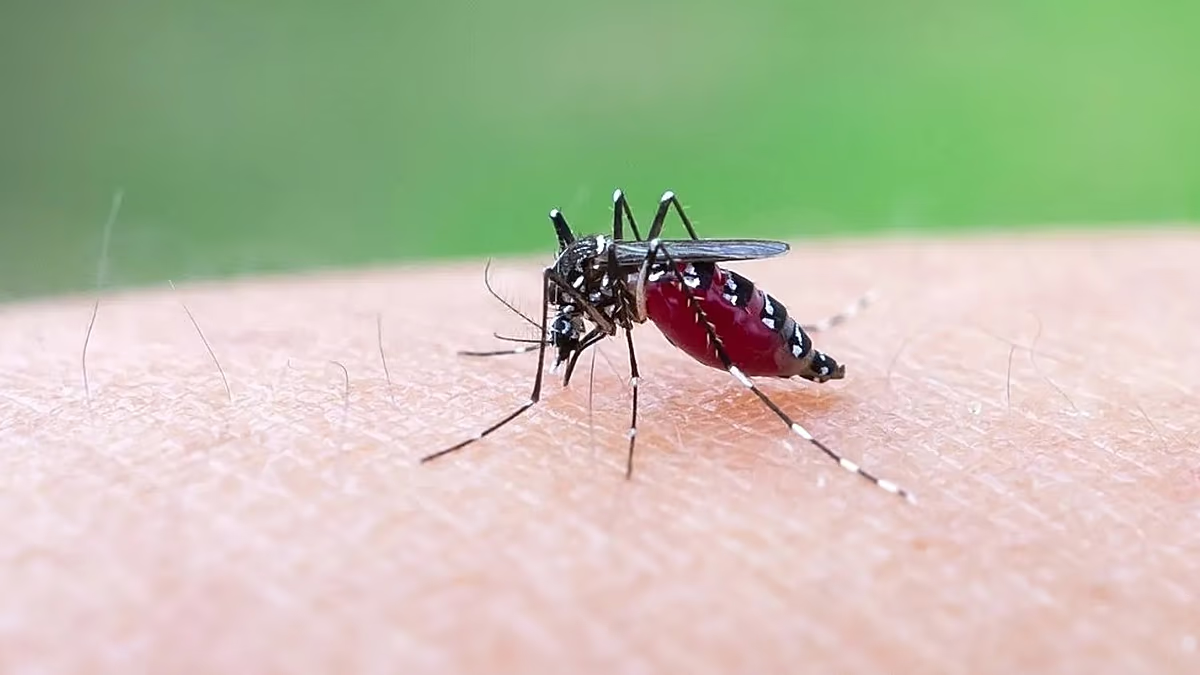
Warmer temperatures may expand mosquito habitats, increasing chikungunya risk areas globally, a new study has found.
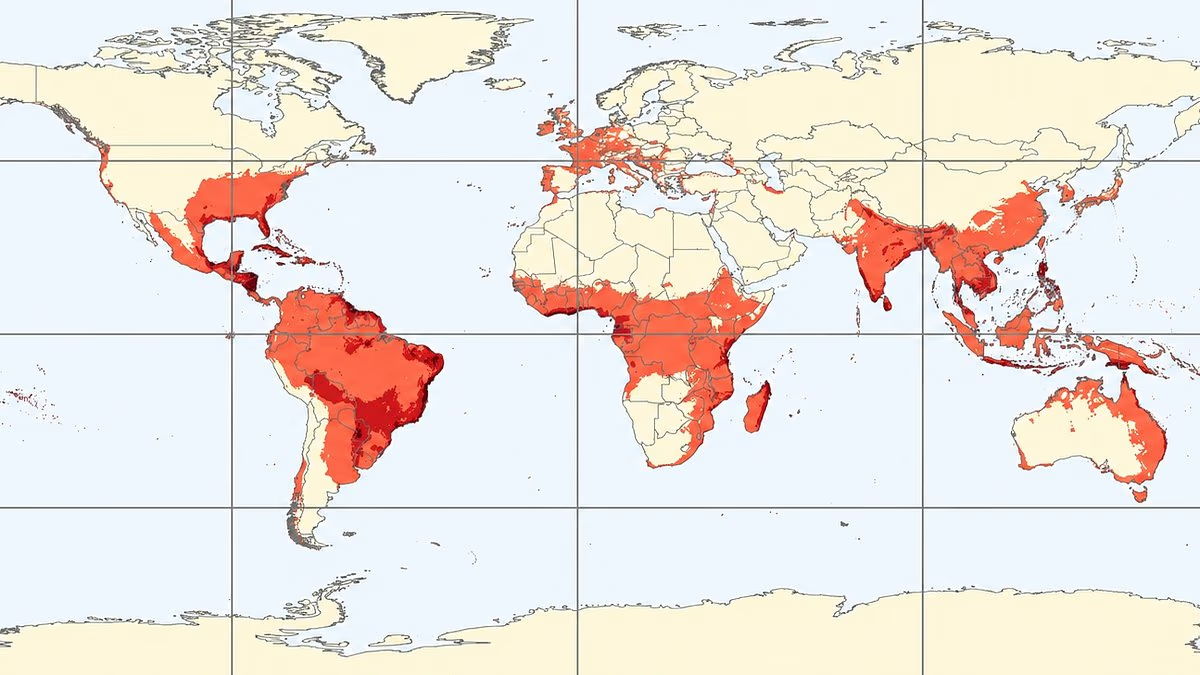
The research, published in the journal Frontiers in Cellular and Infection Microbiology and carried out by scientists in China, found that 139 countries or regions are risk zones for chikungunya, a mosquito-borne viral disease. This accounts for 21.3% of the world's land mass.
“But we show that under climate change models, the virus will further expand northward into temperate regions, especially northeastern North America, central Europe, and East Asia,” said Dr Ye Xu, co-author of the study.
How does climate alter mosquito behaviour?
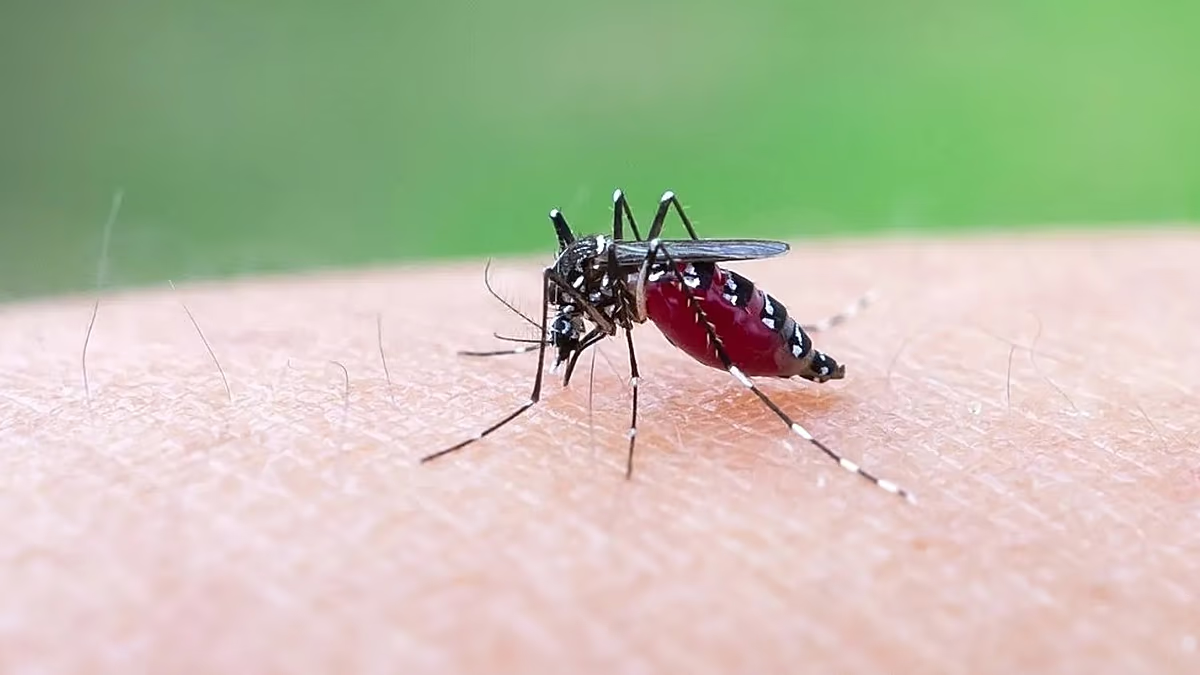
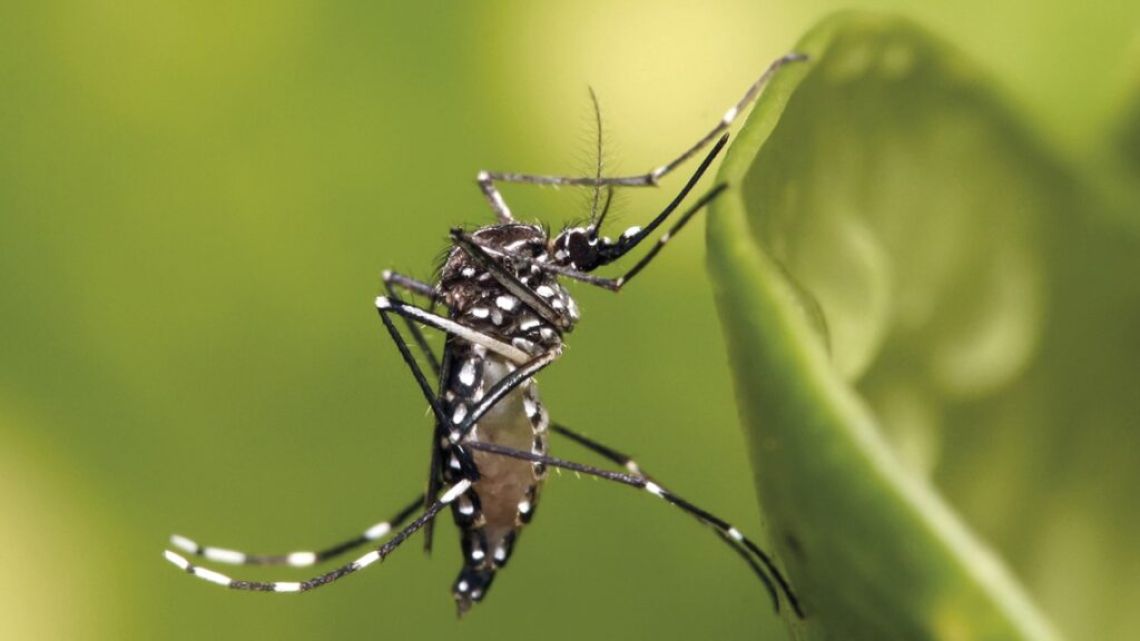
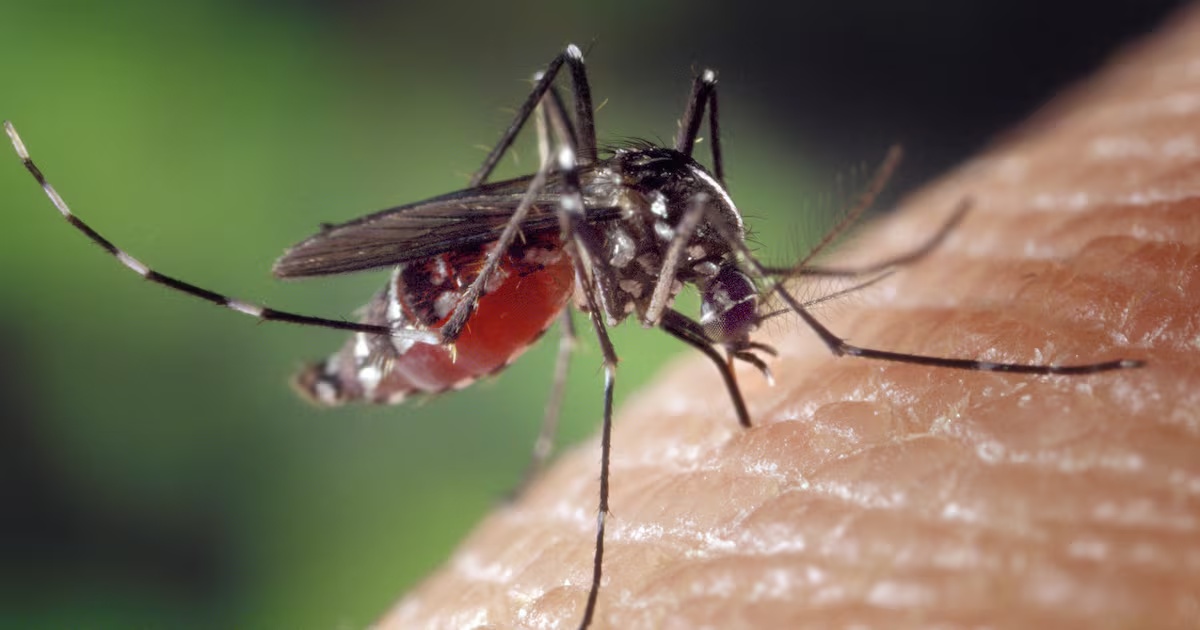
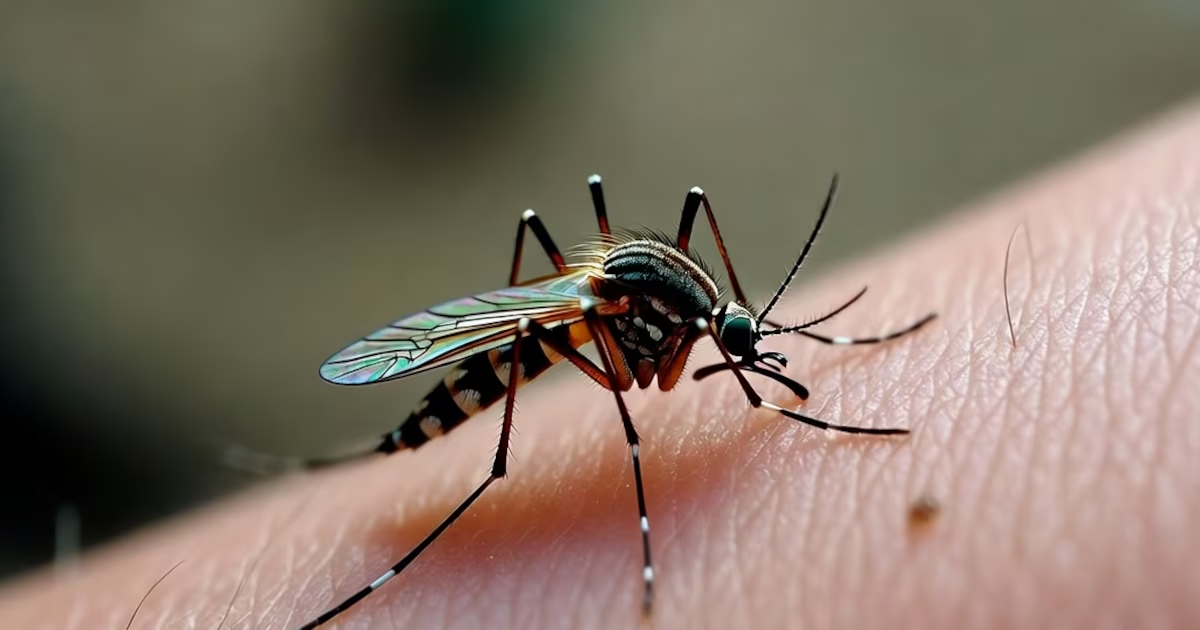
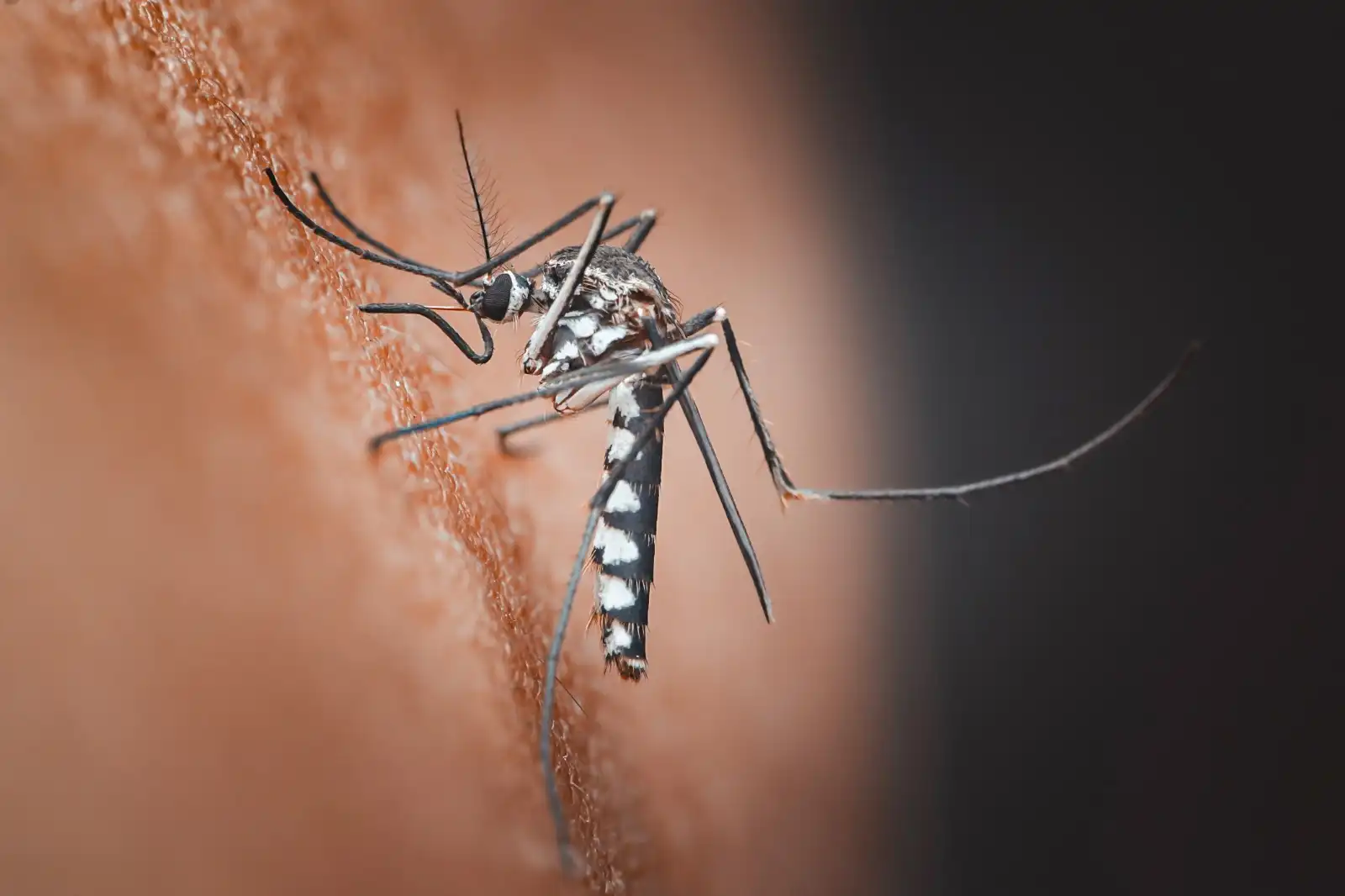
Chikungunya has been mainly transmitted by the yellow fever mosquito Aedes aegypti, a species that thrives in human settlements in the tropics.