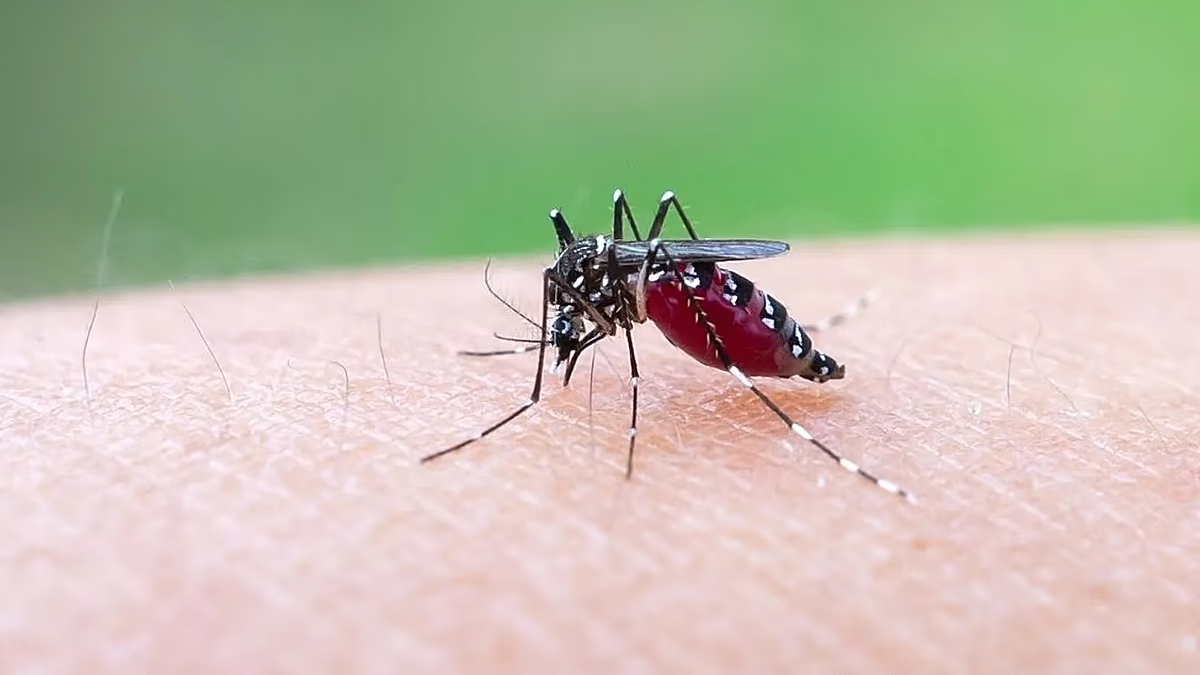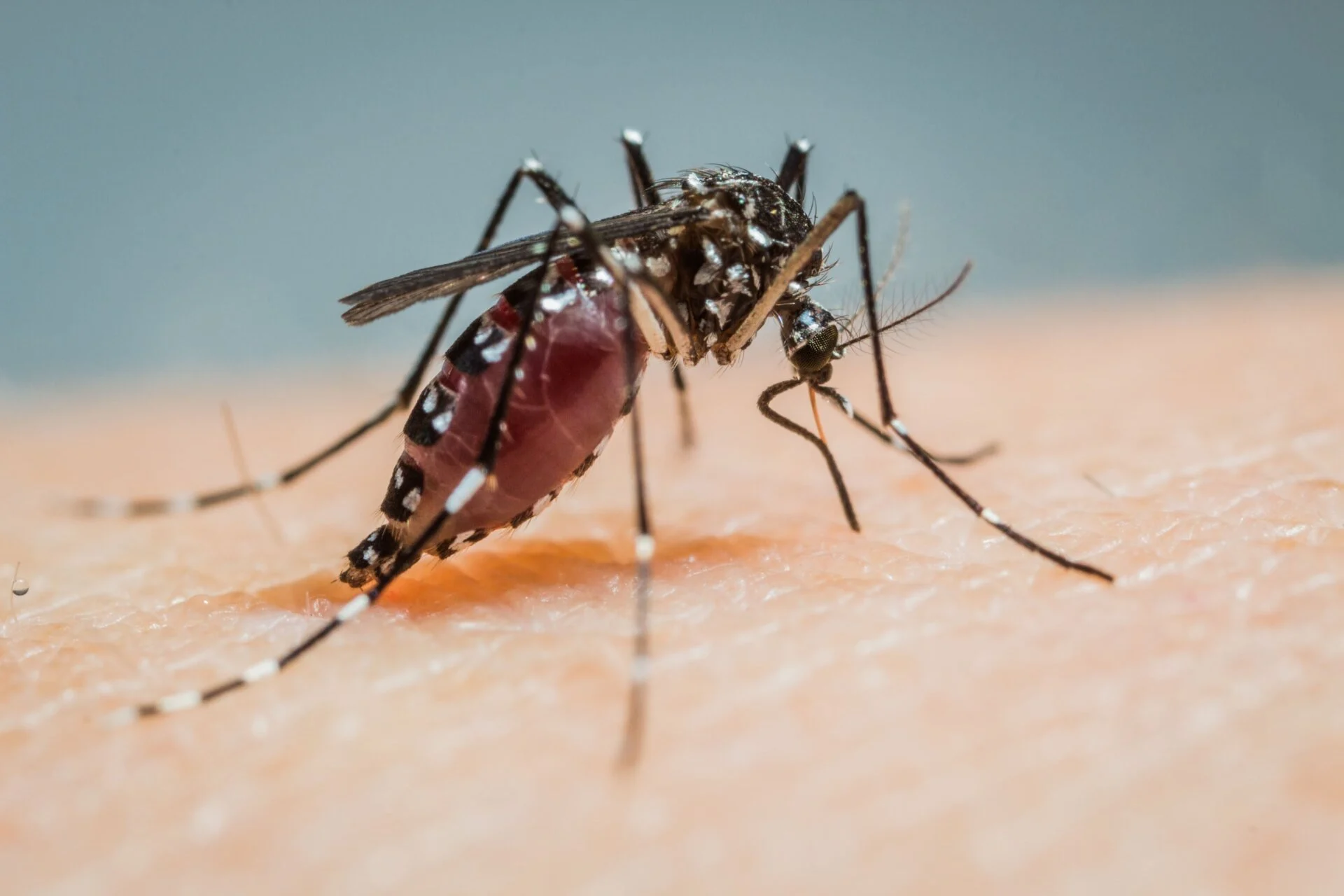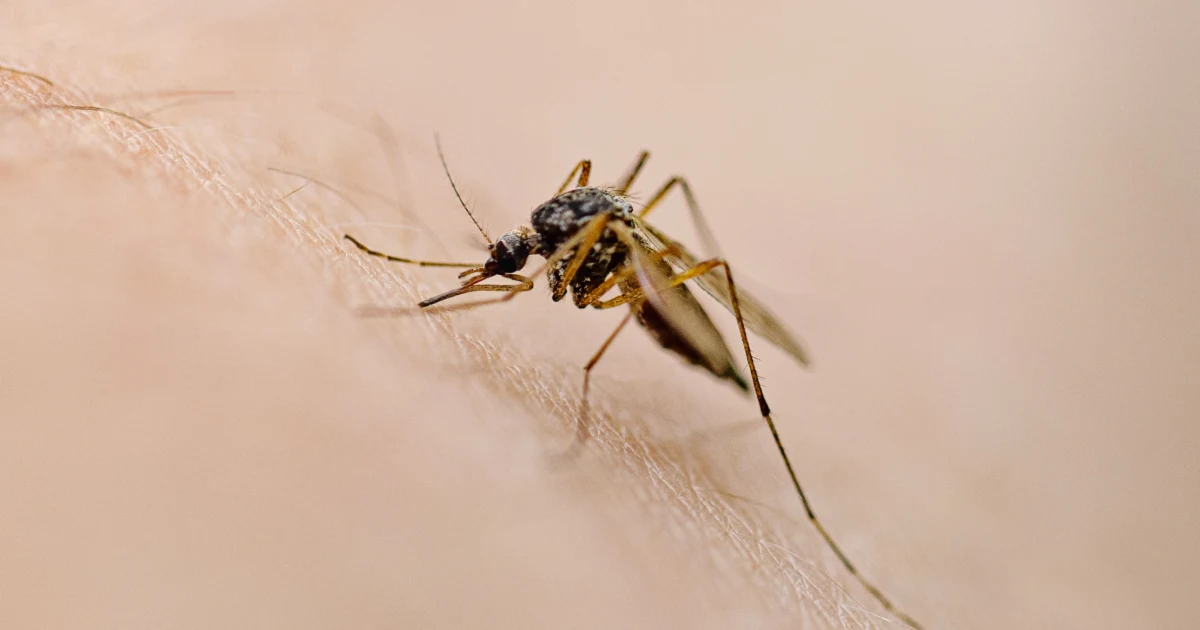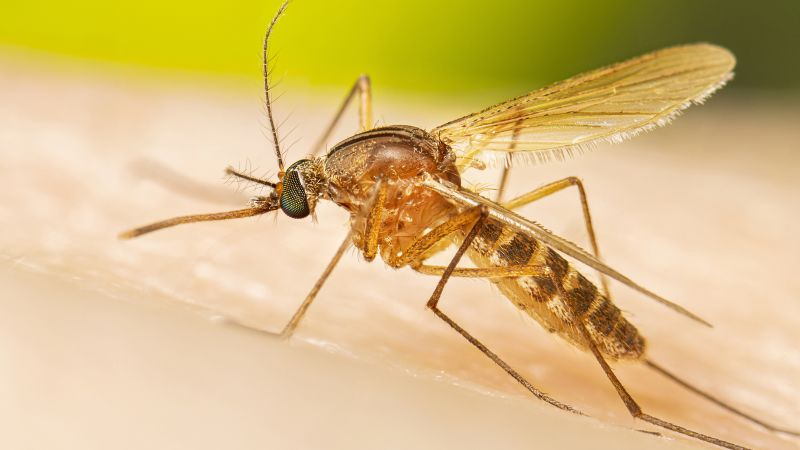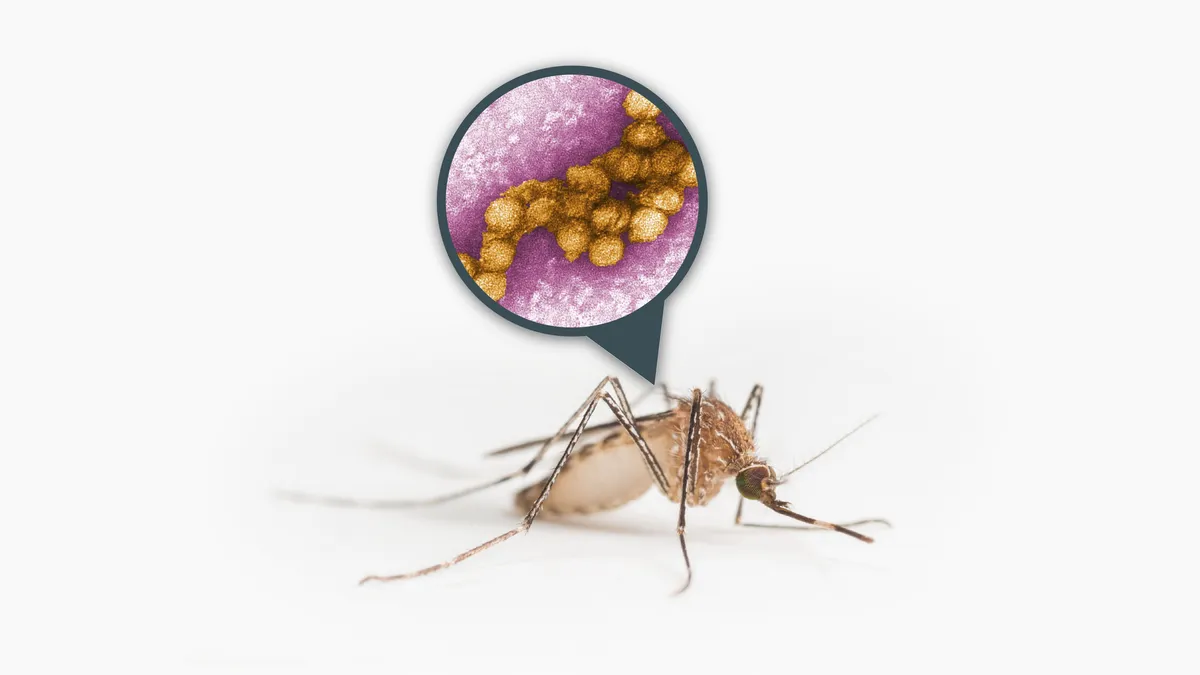
Mosquito season is just beginning and with it comes the threat of mosquito-borne illnesses such as West Nile virus.The United States is reporting cases of West Nile virus this year and health officials warn that the mosquito-borne illness is still very much in season. Warmer temperatures are driving an early surge in mosquito populations, and the virus is primarily spread to humans through the bite of infected Culex mosquitoes.Several states, including Tennessee and Texas, have confirmed human cases, while early signs of West Nile virus activity have also emerged in California. As of mid-May 2026, the state had detected two positive mosquito samples and four dead birds that tested positive for the virus, though no human infections had been reported there.Mosquitoes are considered the world’s deadliest animal, according to the Centers for Disease Control and Prevention. Here’s a closer look at how mosquito-borne diseases spread.Unable to view our graphics? Click here to see them.Mosquitoes show the potential to adapt to rising climate temperaturesMosquitoes are rapidly adapting to a changing climate, with genetic and behavioral shifts allowing them to breed for longer periods and expand their range across the globe, according to a recent UC Berkeley study. Researchers warn that this rapid evolution may raise the risk of mosquito-borne illnesses for the public.The spread is already evident. In October last year, mosquitoes were reported in Iceland for the first time. Today, Antarctica remains the only mosquito-free landmass on Earth.West Nile activity in the US in 2025Most mosquitoes don’t transmit disease. Those that do are known as vectors – organisms that can carry and spread pathogens. Vector-borne diseases include West Nile virus, encephalitis, malaria, dengue fever and chikungunya in humans, as well as heartworm parasites in dogs.The CDC has released a map detailing West Nile virus activity across the United States as of 2025. Human cases of West Nile virus have been reported in people, birds and mosquitoes in nearly every U.S. state, with the exceptions of Alaska, Hawaii, New Hampshire and Vermont.How is West Nile virus transmittedWest Nile virus is primarily spread through mosquito bites. Mosquitoes – most often Culex species – pick up the virus after feeding on infected birds. They can then transmit it to humans, horses and other mammals when they bite again for a blood meal.As of now, there is no approved vaccine or specialized antiviral drug that can protect people from the West Nile virus.West Nile virus was first identified in 1937 in Uganda, in eastern Africa. It was first detected in the United States in the summer of 1999 in New York. Since that time, more than 51,000 symptomatic cases have been reported in the United States, according to the National Library of Medicine.Extreme heat and rain are fueling mosquito-borne illnessesStanford University infectious disease expert Erin Mordecai said in a recent interview with MPRnews that understanding the life cycle of mosquitoes is essential to understanding how climate change affects the diseases they transmit.In standing water, mosquito eggs hatch and the larvae develop into adults. Recent years have seen record temperatures and rainfall, which has given mosquitoes plenty of locations to deposit their eggs and a shorter growth period, according to ScienceNews.Keep Bites at Bay: Mosquito-Proof Your YardTips for keeping mosquitoes away from your yard and protecting your family from mosquito-borne pests:Keep a tidy yard: Cut back overgrown shrubs and keep your lawn mowed short. During the day, adult mosquitoes hide under cool, shady foliage.Drain standing water: Mosquitoes breed in still water. Birdbaths, flowerpot saucers, buckets, and blocked gutters are examples of items that should be emptied, cleaned, or covered once a week.Use “mosquito dunks”: “Mosquito dunks” are a natural larvicide that eliminates larvae in water features you are unable to drain, such as ponds.How can people prevent mosquito-borne illnesses?To protect yourself from vectors like mosquitoes, take these quick steps to ensure you and your family are safe from diseases these insects can carry.The CDC recommends using "mosquito avoidance measures" when going outside, including:Using EPA-approved mosquito repellent on skin and clothes.Wearing long-sleeved shirts and pants, especially at night.Staying in well-screened areas.Sleeping under an insecticide-treated bed net when camping.When traveling out of the country, especially to the Indian subcontinent, Southeast Asia or tropical South and Central America, consult your doctor. SOURCE Centers for Disease Control and Prevention, National Library of Medicine, Cleveland Clinic and USA TODAY research
Warming temperatures may bring rise in West Nile cases. Maps show where
West Nile cases typically surge in the summer heat. Here’s how to protect yourself from this mosquito-borne disease.
723 words~3 min read