For over three decades, China’s economic planners have done one thing with clockwork consistency: set a specific number for how many urban jobs the country would create over each five-year period. That streak is now broken.
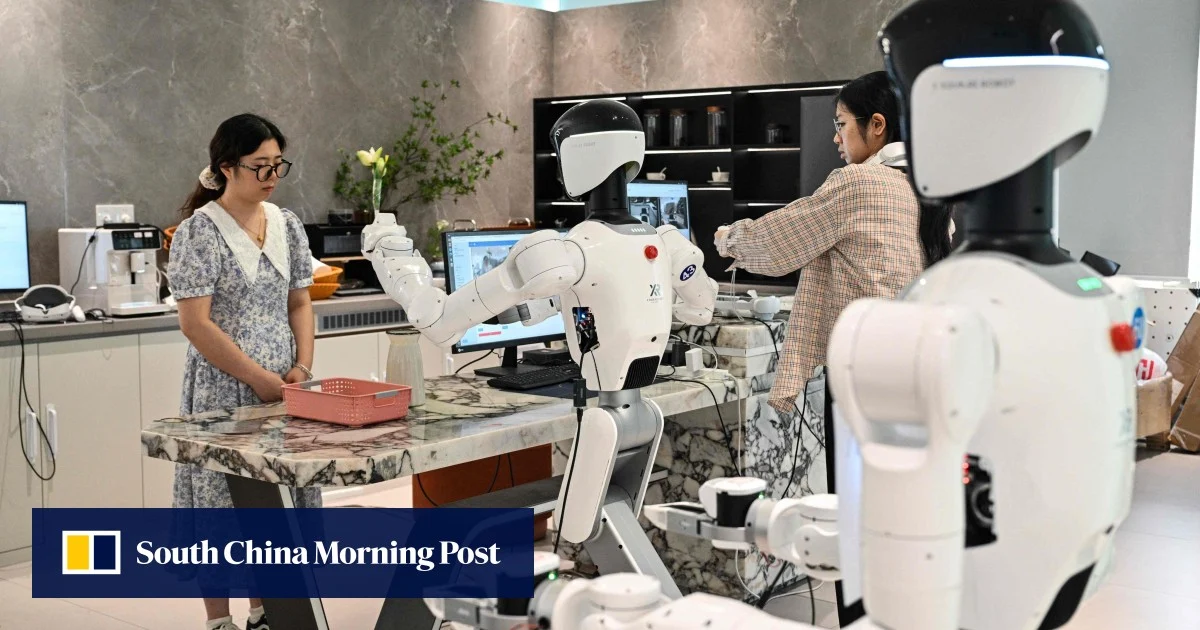
China’s 15th Five-Year Plan, covering 2026 to 2030, omits a numeric target for urban job creation entirely. It’s the first time the country has skipped this benchmark in at least 30 years, and the reason isn’t subtle. Beijing is staring at the rapid integration of artificial intelligence across its economy and, for once, isn’t pretending it knows exactly what comes next.
What the plan actually says
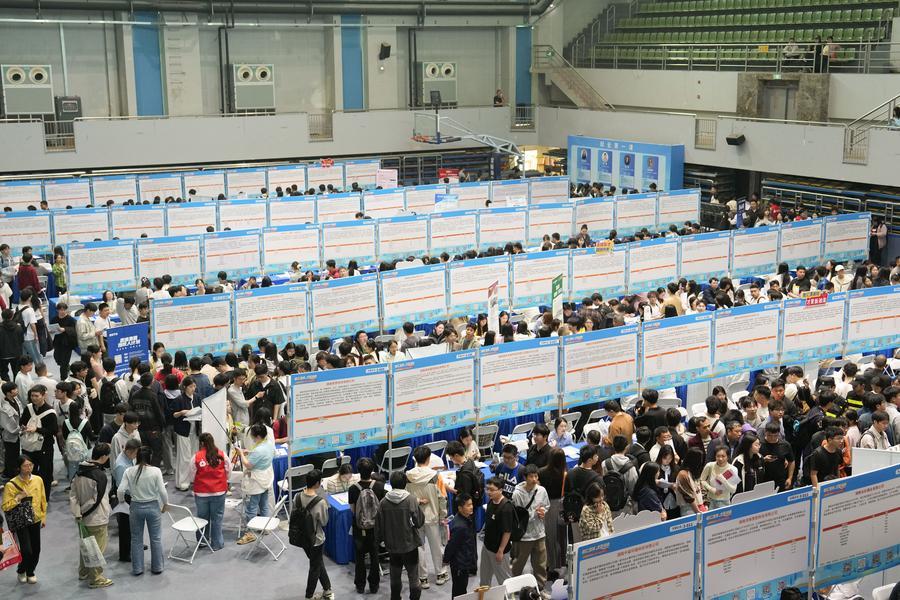
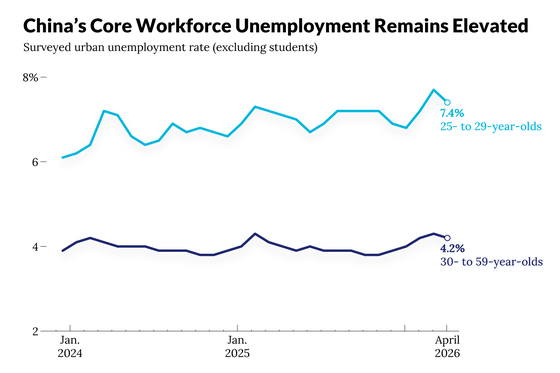
Released by the State Council in mid-June 2026, the plan hasn’t abandoned employment goals altogether. China still set an annual target of creating over 12 million new urban jobs in 2026, with an urban unemployment rate goal of approximately 5.5%.
The difference is structural. Previous five-year plans committed to aggregate job creation figures across the full planning period. This one doesn’t. Instead, it pivots toward monitoring and adaptation, including the establishment of a survey system designed to evaluate AI’s impact on job markets and explore how AI might actually create new roles.