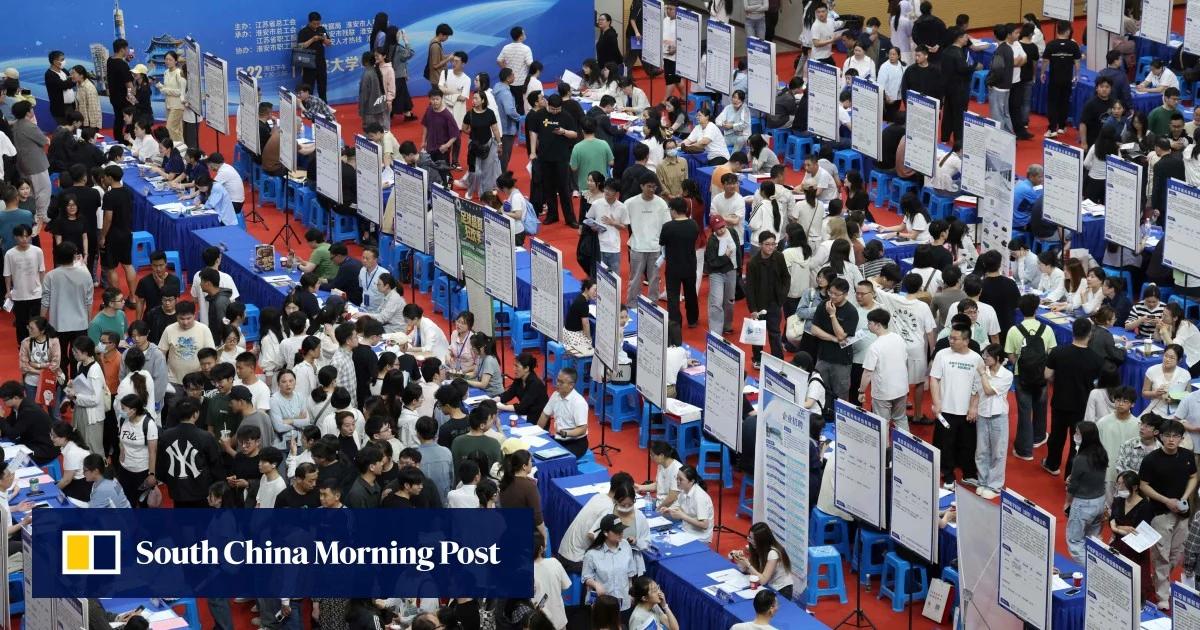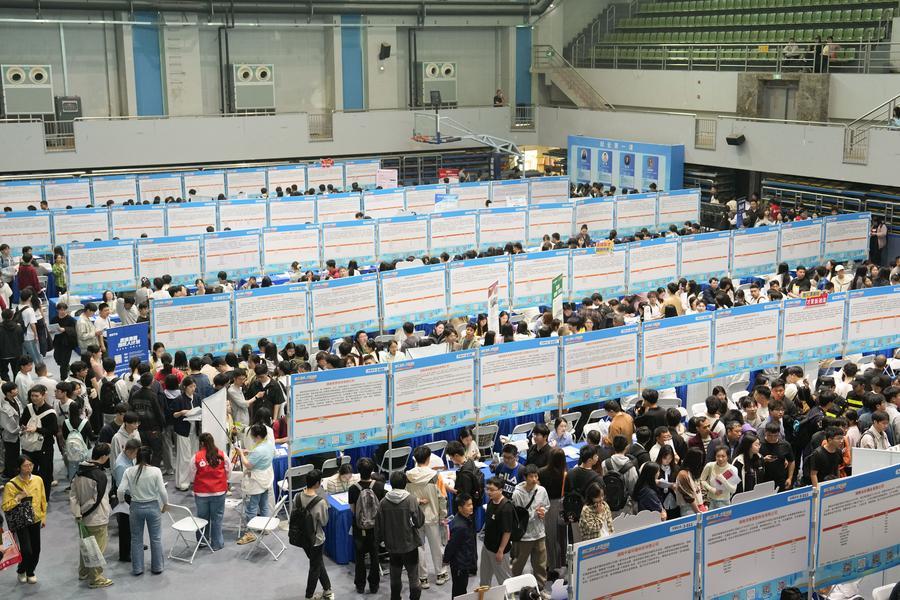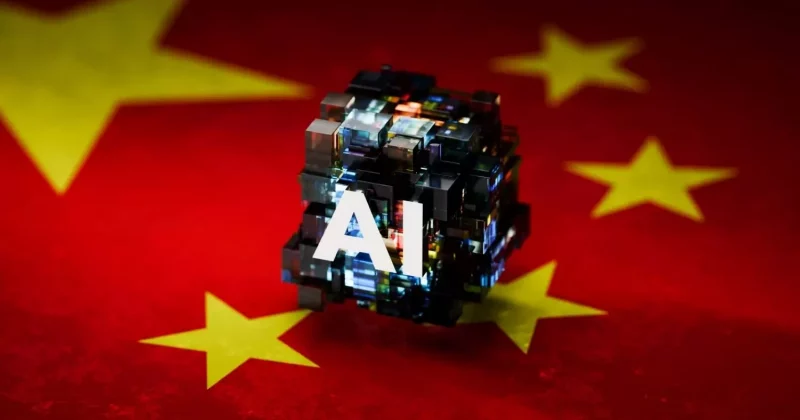
China has spent two years telling the world it intends to win the AI race. Its new five-year employment plan is the quieter admission that winning it could cost a lot of people their jobs.
The State Council, effectively China’s cabinet, has issued its blueprint for employment policy from 2026 to 2030. Buried in a document mostly concerned with factories, graduates and migrant workers is an instruction that matters well beyond China: the state is to start tracking, in detail, how artificial intelligence creates and destroys work.
The plan was signed on June 11 and published on June 17. It orders research into a system to monitor AI’s effect on employment over the next five years, and an early-warning mechanism to flag where the technology puts jobs at risk.
Why a jobs plan is really an AI plan
The context is the scale of what is exposed. China’s workforce is more than 700 million, the largest on earth, and the Communist Party treats a surge in unemployment as a threat to social stability rather than an economic statistic.