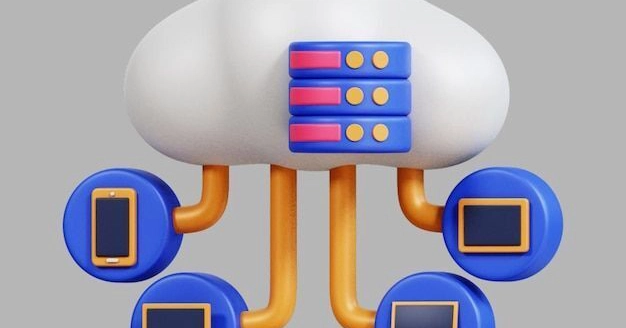
Every time you refresh a social media feed, check a bank balance, or add an item to a shopping cart, a distributed database is quietly doing the heavy lifting behind the scenes. The shift to the cloud has fundamentally rewired how applications store and retrieve data, moving teams away from single, monolithic servers and toward systems designed to run across dozens or even hundreds of machines at once. This transition didn't happen overnight, and it wasn't driven by hype. It happened because traditional databases simply couldn't keep up with the scale, availability, and global reach that modern applications demand.
Why Traditional Databases Started to Buckle
For decades, a single powerful server running a relational database was enough. You'd scale up by buying a bigger machine, adding more RAM, or upgrading the CPU. This approach, known as vertical scaling, worked fine when your user base was measured in thousands rather than millions.
The problem is that vertical scaling has a hard ceiling. There's only so much RAM you can cram into one box, and eventually the cost of that next upgrade becomes absurd compared to just adding more machines. Worse, a single server is also a single point of failure. If that machine goes down, so does your entire application, and no amount of hardware spending fixes that fundamental fragility.