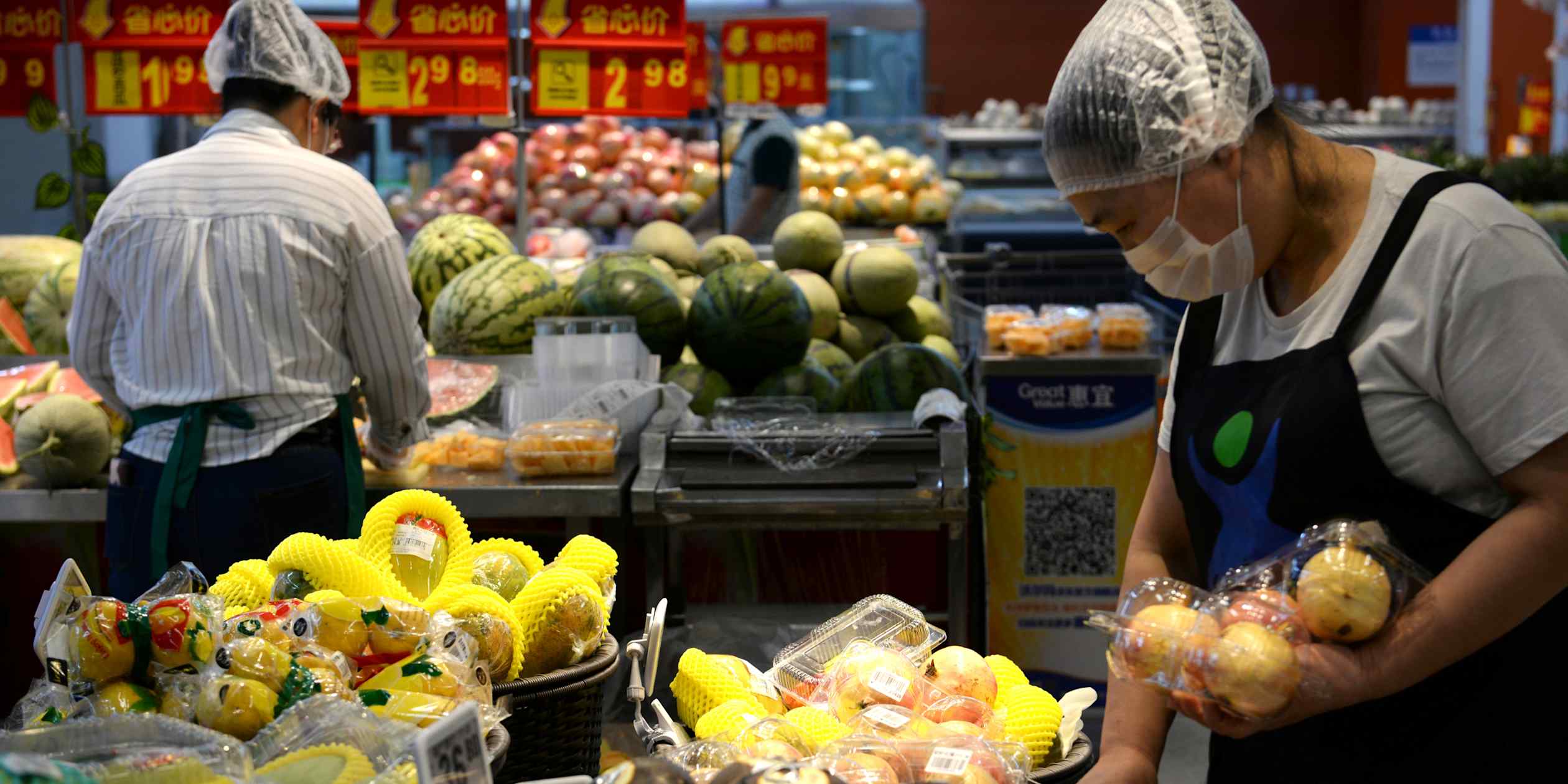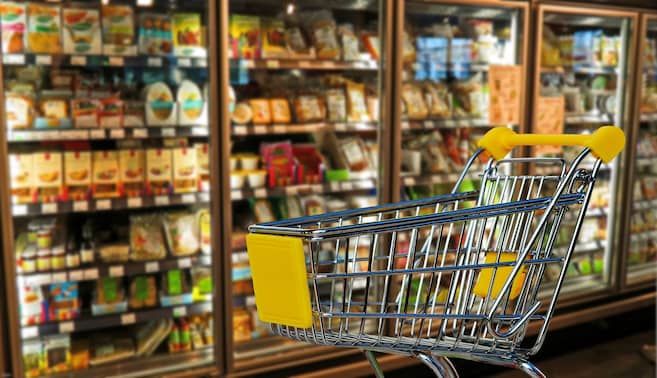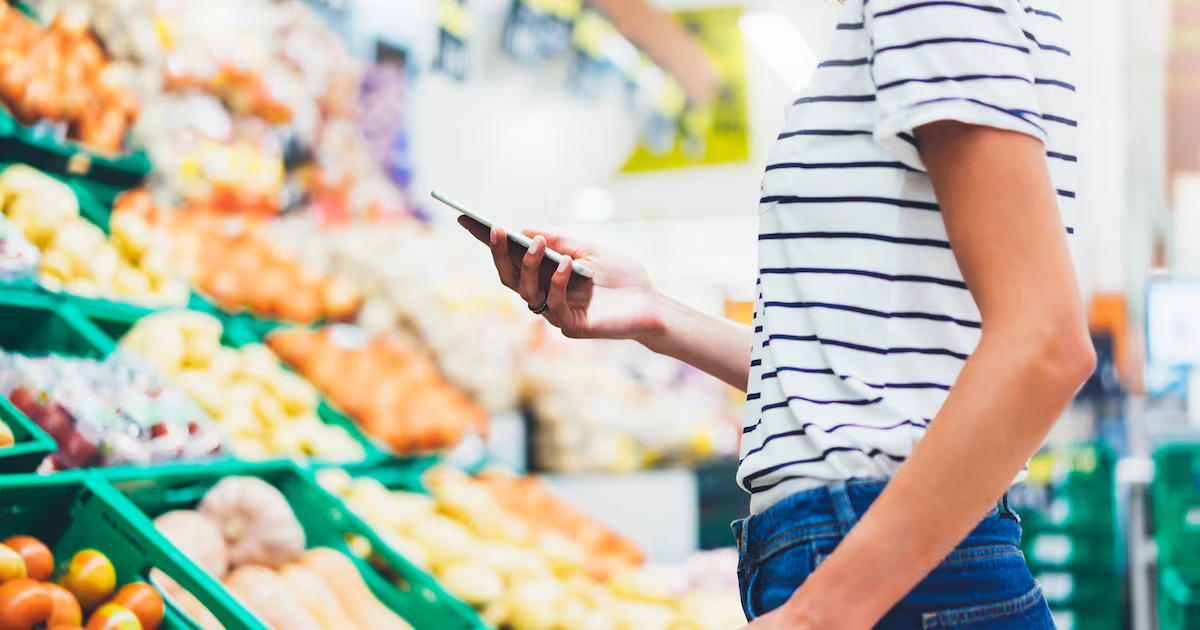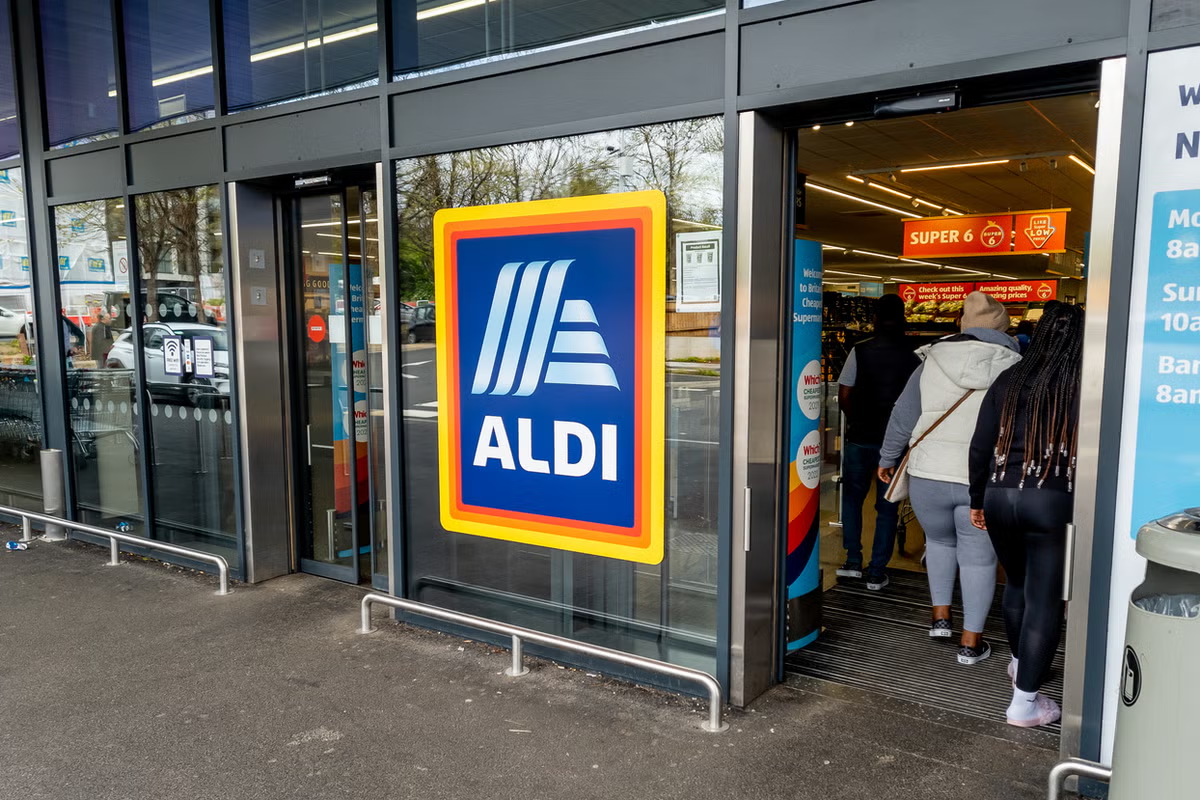
The latest Dentsu Pulse Report into Irish consumer behaviour shows supermarket own label is taking the fight to branded products and, in the process, blurring the lines between them.Based on a survey of more than 1,000 adults nationwide, it reveals how price-driven shoppers are, how far own-brand has spread, and in which categories branded products are still managing to hold their ground.Consumer perceptions around own-label products have undergone a radical shift over the past two decades, a change that accelerated during the 2008 economic crisis, says Rachel Ray, Dentsu Ireland’s group strategy director.What had previously been seen as a second-rate option, typically combining cheaper price and lower quality, has now become, in many cases, the purchase of choice. The survey shows that 95 per cent of people buy own-brand in at least one category.It isn’t just the actual data but the context of the responses that interests her. “You can read that as 95 per cent of people admitting to buying own-brand,” says Ray. Before the recession however, surveys should a much greater reluctance to ‘admit’ to buying own-brand. Back then own label was surrounded by negative connotations, including that people would only opt for it out of financial hardship. “Shame was probably too strong a word for it, but there was definitely a thing around buying own-brand,” she says. There was a stigma about being seen with shopping bags from German discounters, Winterlich adds.The fact that people are now happily buying own-brand is a significant shift in consumer behaviour. The Pulse research found 39 per cent of people said they buy own-brand “mainly or exclusively”.While Ray questions whether a forensic examination of shoppers’ trolleys would bear this out, that’s not the point. Rachel Ray, group strategy director at Dentsu Ireland “The really important thing, particularly from a marketing perspective, is that they think they do, are happy to say that that is their end goal, and are comfortable with that,” she says. “So the average trolley right now, according to them, is predominantly own-brand.”The survey found 81 per cent of respondents believe a good deal is “very important” to them, with 77 per cent reporting that they always compare retailers’ prices before buying.Again, the fact so many respondents are openly expressing how much they think about price is the key takeaway, both from a retailer and a brand point of view, she says.If you go back 20 years, such price sensitivity was typically most pronounced in relation to utilities, with a disloyal cohort of between 10 and 20 per cent of customers typically switching service providers as their contracts expired, from mobile phones to insurance. Today, in fast-moving consume goods (FMCG) – or everyday groceries, “it seems like that small bargain hunter segment is actually the mainstream now,” she says. “That’s certainly the way it seems to be going.”There is, of course, always a disparity between what people claim in a survey and actually do in real life. “If people did what they claimed to do, gyms would be full all the time, right?” she points out.The Pulse data finds price is the primary consideration for 59 per cent of people, which, she explains, means those 59 per cent of shoppers are willing to sacrifice all other things for price, while the remainder are more focused on value.“We know value is very personal to people, and is to do with trust, reliability, taste and what you are getting out of things. But a majority of people are now saying that price is the main deciding factor,” she says.The research found significant differences in relation to age, with 72 per cent of 18- to 24-year-olds saying price was their most important purchasing factor, a figure which falls to just 45 per cent of the over 65s. ‘Pretty much everyone is shopping in multiple stores. If they were horses running in a line, it’s neck and neck. Nobody has won the cart.’— Rachel Ray, Dentsu Ireland's group strategy director That’s reflective of a wealth gap between the age groups. In addition, for previous older age groups, who had grown up in a post-second World War era of rationing, parsimony was imprinted from a young age. But that cohort of older people is now being replaced by one which never had such a mindset. On the other hand, millennials and Gen Zs have grown in a world of Aldi, Lidl and own-brand goods. They are “discounter natives,” says Winterlich.As a result, Ray questions whether today younger shoppers even see a difference between brands and own-brands in relation to FMCG.Another factor at play is a very human response to the high cost of living. “Time and time again, across generations historically, you see that if a group is priced out of something, they will automatically reject it in favour of adopting a different lifestyle, a different choice, because, ultimately, it’s not available to them. What we do as consumers is reframe that for ourselves,” she says. “New things become the aspiration because you can’t aspire to the original if it’s just not affordable,” she adds.Women are more price-driven than men, the research shows. It also shows that women, who tend to do the lion’s share of household Christmas shopping, are starting to prepare for the festive, from hampers and children’s gifts, to switching oil and gas suppliers, as early as August now.For supermarkets, what the latest Pulse survey reveals is that, while Tesco is still in front in terms of total reach, with 76 per cent of people shopping there at least occasionally, in fact, the difference between all the main players isn’t huge.“Pretty much everyone is shopping in multiple stores. If they were horses running in a line, it’s neck and neck,” she says. “Nobody has won the cart.”The categories in which branded goods are still holding their own, which she calls “resilience pockets”, include alcohol, tea, coffee and chocolate. The report’s headline finding of a 95 per cent adoption rate of own-brands is the result of more than a decade of pressure on household budgets, plus a sustained improvement in own-brand quality.What it shows the advertising industry is that anyone still buying branded today is doing so as “a genuinely considered choice”, says Ray. “It’s a real win from a brand’s perspective.”Discover more Inside Marketing podcast episodes at irishtimes.com
Podcast: Supermarket own-label products are eating brands’ lunch
Grocery shoppers have developed an appetite for private label products, Dentsu’s group strategy director Rachel Ray tells Inside Marketing’s Dave Winterlich
1,048 words~5 min read