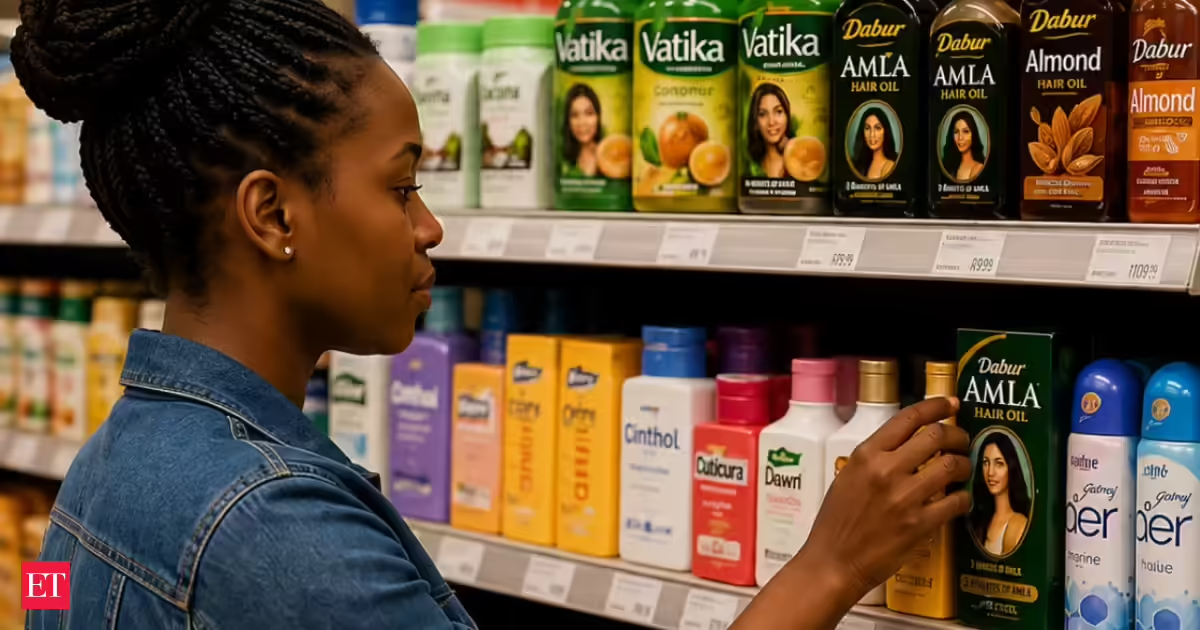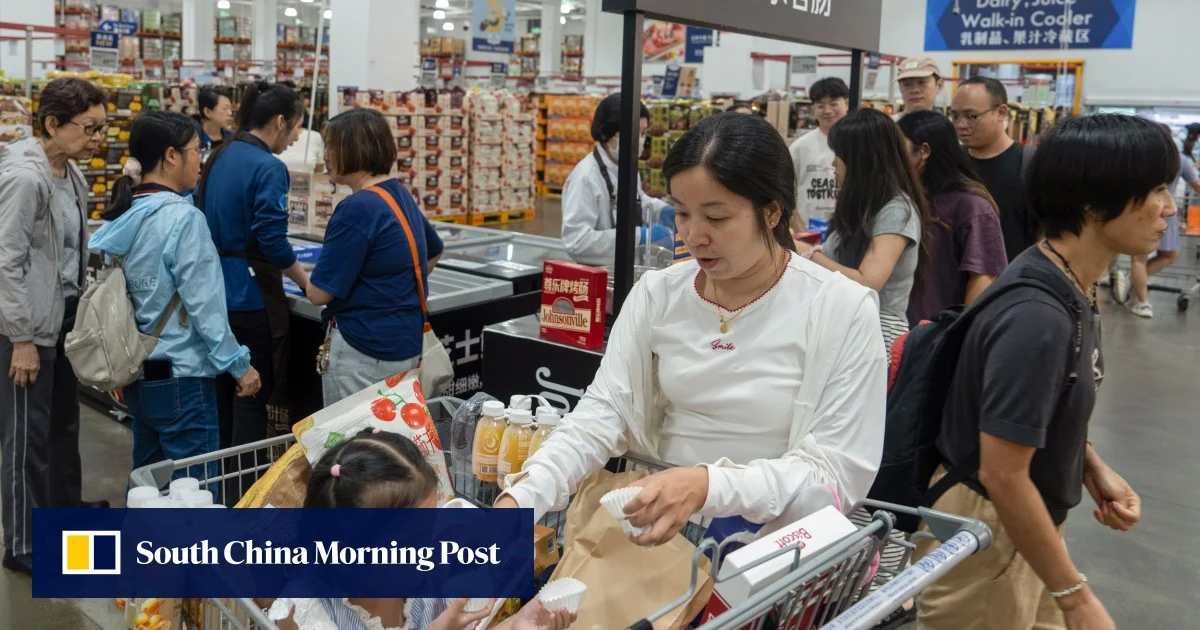
Private brands have emerged as a bigger force in the fast-moving consumer goods (FMCG) market, with retailers using their own brands to compete, differentiate themselves and strengthen their positions. The 2026 Trade Intelligence private brands report recently published has found that private brand turnover reached an estimated R139bn in 2025, accounting for 28.6% of total FMCG sales.Trade Intelligence retail analyst Tebogo Mphahlele said private brands have moved beyond being a tool used mainly to compete on price and have become part of retailers’ long-term strategies. “Private brands are no longer a side story. They are now central to how retailers compete, how manufacturers allocate production capacity (and shelf space) and how shoppers make decisions under financial pressure,” said Mphahlele.The report shows that growth has been strongest in functional, price-sensitive categories such as flour, maize meal, rice and sugar. Private brand share of the total commodities market, according to Mphahlele, has increased from 20% in 2020 to 28% in 2024, making staple products an important entry point for retailers looking to build trust with shoppers. Mphahlele said staples act as “trust anchors” where delivering consistently on quality and price helps retailers build confidence in their brands. For manufacturers, the rise of private brands represents a challenge as retailers increasingly control more of the shopper relationship. Mphahlele indicates that losing share in staple categories can affect wider brands’ strength and market relevance. Private brands are also expanding beyond basic grocery categories. In 2024, private brands in confectionery grew faster than the overall category, showing that shoppers are increasingly considering retailer brands even in categories traditionally driven by emotional purchases.The same trend is visible in pet care, where private brands are gaining adoption despite the category being linked to high levels of trust from consumers.“Private brands are no longer a binary choice between ‘cheap’ and ‘premium’. They represent a sophisticated, multitiered strategy that is reshaping shopper behaviour, retailer differentiation, and manufacturer decision-making,” Mphahlele said.However, some categories remain difficult for private brands to penetrate. Carbonated beverages continue to have low private brand participation, with strong loyalty to established brands and familiar tastes limiting switching.The report also finds that price is not the only factor influencing private brand adoption. While shoppers are looking for ways to save money, many still prefer promotional deals from established brands before switching to retailer-owned alternatives.According to Trade Intelligence’s research, 44% of shoppers looking to save money would rather search harder for promotions than switch to private brands.For retailers, another opportunity lies in collective buying groups. The research finds that 91% of stokvel members would consider buying private brands if bulk discounts were attractive.Retailers that adapt private brand offerings through pack sizes, pricing, and targeted deals could unlock further growth in this channel.“The real question for industry players is no longer whether private brands will grow but how to position themselves to win within their rise,” said Mphahlele.
Private brands surge as retailers reshape competition for everyday goods
Growth has been strongest in functional, price-sensitive categories such as flour, maize meal, rice and sugar, report shows
478 words~2 min read