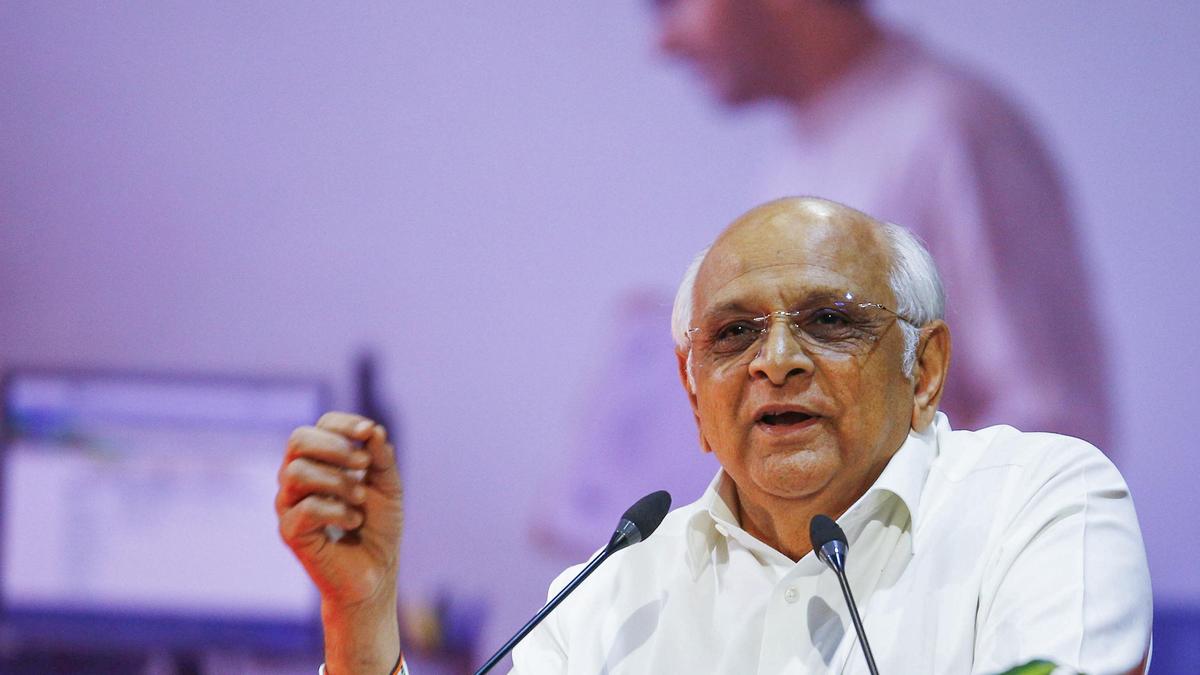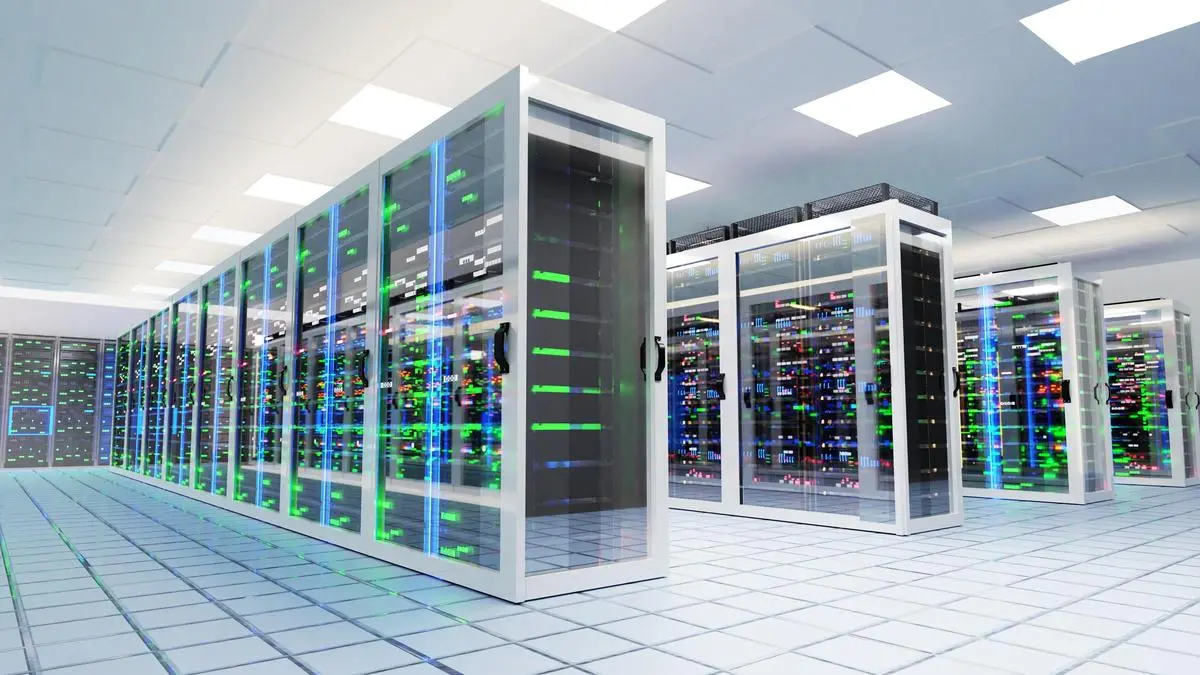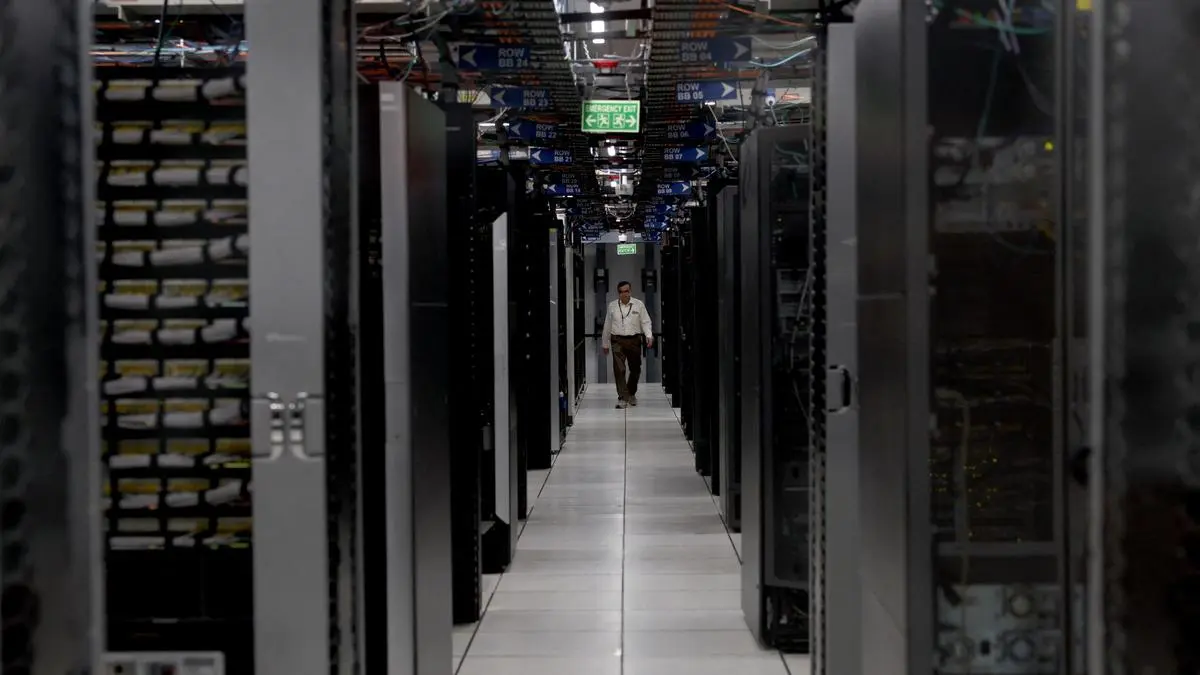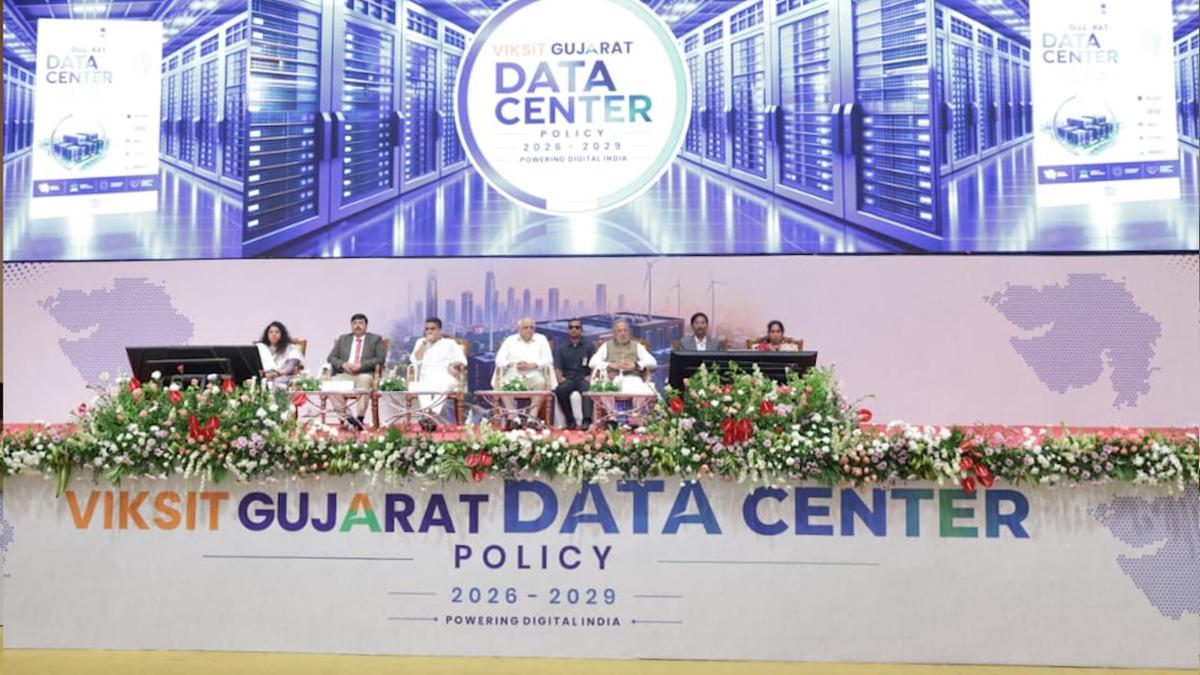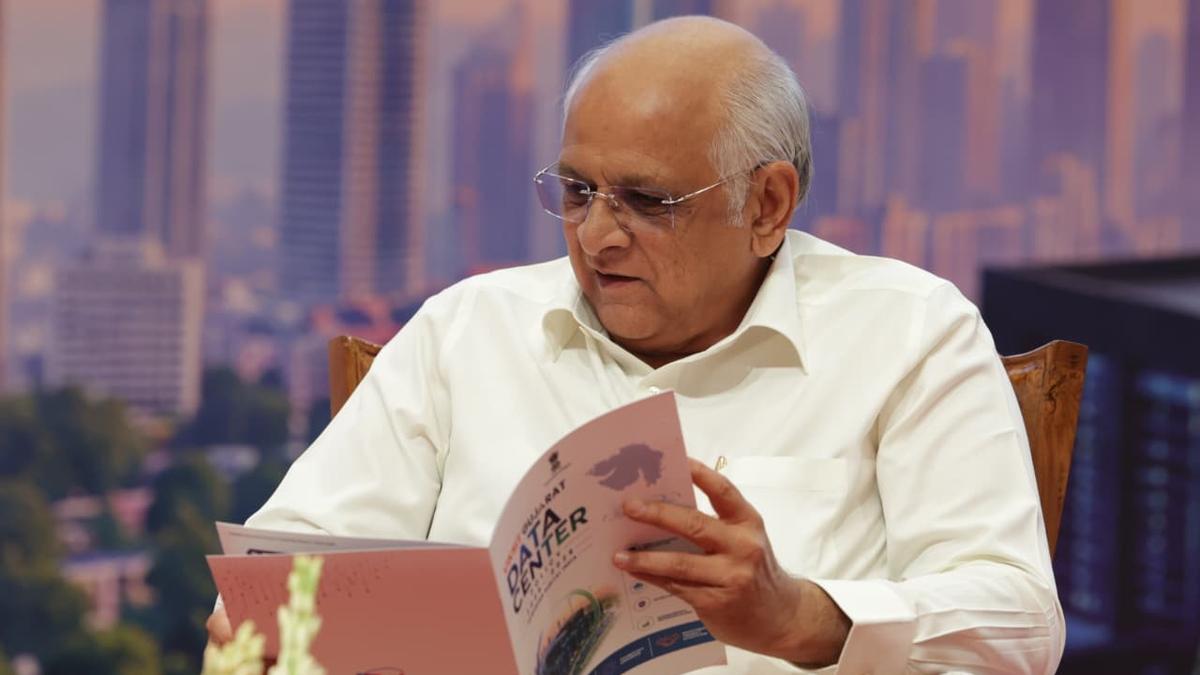
The story so far: When the Gujarat Government unveiled its first-ever Data Centre Policy (2026-2029), it did more than announce a new industrial policy but signalled its ambition to enter one of the fastest-growing segments of the global digital economy by becoming the first State in India to bring a policy.The State hopes to attract investments worth ₹6 lakh crore and build 7.5 GW of data centre capacity over the next few years, positioning itself alongside established hubs such as Maharashtra, Tamil Nadu and Telangana. It also shows a larger trend unfolding across the country: that States are no longer competing only for factories, IT companies, ports or automobile plants. They are now competing to host the digital infrastructure that powers everything from artificial intelligence (AI) to online banking.The policy, launched by Chief Minister Bhupendra Patel, offers a wide range of fiscal and non-fiscal incentives, including capital subsidy, interest subsidy, power tariff support, reimbursement of State GST (SGST), exemption from stamp duty and registration charges, and financial assistance for captive desalination plants to meet the sector’s high water requirements.The government said the policy has been designed to capitalise on the rapid growth of AI, cloud computing, digital payments, e-commerce, electronics manufacturing and other data-intensive sectors, while strengthening Gujarat’s position in India’s digital economy.What exactly is a data centre?A data centre is, in simple terms, the physical home of the internet. It is a highly secure building filled with thousands of servers, networking equipment and storage systems that process, store and transmit digital information. Every online activity, such as sending a WhatsApp message, making a UPI payment, streaming a film on Netflix, storing photographs on Google Drive, shopping on Amazon or interacting with an AI, depends on data travelling through these facilities.Unlike the office server rooms, modern data centres are massive industrial-scale facilities designed to operate around the clock with virtually no interruption. They require continuous electricity, high-speed fibre connectivity, sophisticated cooling systems and multiple layers of backup infrastructure to ensure that services remain available every second of the day.Why do they need a policy?State Chief Secretary M.K. Das claimed that Gujarat became the first state to bring this policy. However, at least 15-16 States, such as Telangana, Andhra Pradesh and West Bengal, now have their own dedicated data centre policy (or an IT/ITES policy that specifically covers data centres).A dedicated policy gives certainty to investors on issues like guaranteeing uninterrupted electricity for decades, providing reliable water supplies, ensuring multiple high-speed fibre routes, offering quick regulatory approvals and making land available for future expansion while also spelling out financial incentives that reduce the cost of establishing large facilities and attract more investors. They are not like other heavy industries, which are only looking for land and tax concessions.Why is Gujarat interested?Science and Technology Secretary P. Bharati said that while India generates nearly 20% of the world’s data, it accounts for only about 3% of global data centre capacity, while the United States and China together hold about 70 per cent of worldwide capacity.For Gujarat, the policy fits into a broader strategy of expanding beyond its traditional strengths in manufacturing, ports and petrochemicals.The State already has one of India’s strongest renewable energy sectors, particularly in solar and wind power, alongside industrial hubs such as Dholera and GIFT City. Since electricity accounts for a substantial share of a data centre’s operating costs, access to renewable power has become an important attraction for global technology companies seeking to reduce their carbon footprint. The State also offers extensive industrial land, a relatively reliable transmission network, major ports, and a well-developed logistics ecosystem and wants to create more employment. It also wants to create an ecosystem that attracts cloud computing companies, AI firms and technology investments over the long term.What incentives are being offered?The Viksit Gujarat – Data Centre Policy 2026-29 offers a mix of fiscal and non-fiscal incentives: capital and interest subsidies, power tariff support, SGST reimbursement, electricity duty reimbursement, support for desalination plants and stamp duty exemptions. Separately, the state has previously offered a full reimbursement of electricity duty actually paid for a period of 20 years fromthe date of commencement of commercial operations, subject to applicable laws, rules,and regulations. It also offers an uninterrupted electricity supply, incentives on renewable energy integration and a single-window clearance for projects.The operation, management, maintenance and support of Data Centres operating within State of Gujarat shall be treated as an “Essential Service” under the Gujarat Essential Services Maintenance Act, 1972.Which incentives do data centres specifically look for?Land at subsidised or token rates, cheap and assured power and water supply, tax relief, single-window approvals, and more importantly, political stability because a data centre is a 20–30 year infrastructure investment, often costing hundreds or thousands of crores of rupees. Companies need confidence that the rules governing their investment won’t change unpredictably.Which states is Gujarat competing with?Nearly every major state now has a data centre policy: Maharashtra, Uttar Pradesh, Odisha, Telangana, West Bengal, Haryana, Madhya Pradesh, Punjab, Rajasthan, Himachal Pradesh, and Chhattisgarh, but the sharpest competition is with Andhra Pradesh, which has emerged as a hyperscale hub after landing Google’s roughly $15 billion, 1-gigawatt facility in Visakhapatnam, plus a separate Reliance AI data centre project in Vizianagaram.Why the high water requirement?Cooling is the reason. Thousands of GPU clusters generate tremendous amounts of heat, and without cooling they would quickly fail. Water is commonly used in cooling towers and chilled-water systems that remove this heat and keep equipment operating safely.Can Gujarat, a relatively water-scarce State, support such projects?The State has faced recurring water stress in several regions, making sustainable water management essential if large data centre clusters are to be developed. The policy explicitly states that they would provide a round-the-clock uninterrupted water supply at the doorstep of a Data Centre Entity. They are also offering captive desalination plant support: 20% capital support or ₹2 crore/MLD, encouraging sustainable water solutions. Gujarat has a natural advantage here: a long coastline gives it access to seawater cooling. Several industrial estates in the State already use treated wastewater for industrial operations, offering a possible model for future data centre developments.Are data centres power intensive?Extremely, and increasingly so, with AI. According to reports, a simple AI prompt consumes as much power as running a microwave for one second. This is precisely why Gujarat’s policy mandates that 51% of the electricity consumed by data centres must come from green energy.Do data centres create large-scale employment?Not in the same way as manufacturing industries. Once operational, a large hyperscale data centre employing investments worth several thousand crore rupees may directly employ only a few hundred highly skilled workers responsible for operations, engineering and maintenance. No manual labour after construction work is completed.However, the broader economic impact extends beyond direct employment. Construction, electrical engineering, mechanical systems, cooling infrastructure, security services, equipment maintenance, cloud services, software companies and renewable energy projects all benefit from the growth of the sector. The data centres act as enabling infrastructure that attracts a much larger digital economy around them.
Why is Gujarat betting ₹6 lakh crore on data centres? | Explained
Gujarat's new Data Centre Policy aims to attract ₹6 lakh crore in investments, boosting its digital economy and infrastructure.
1,164 words~5 min read