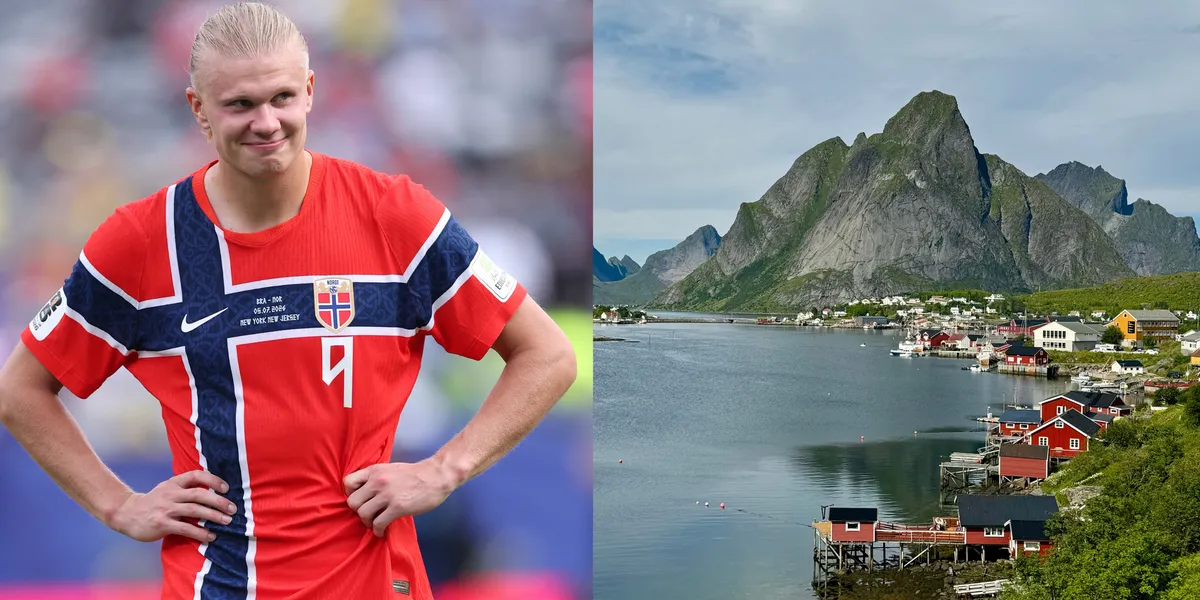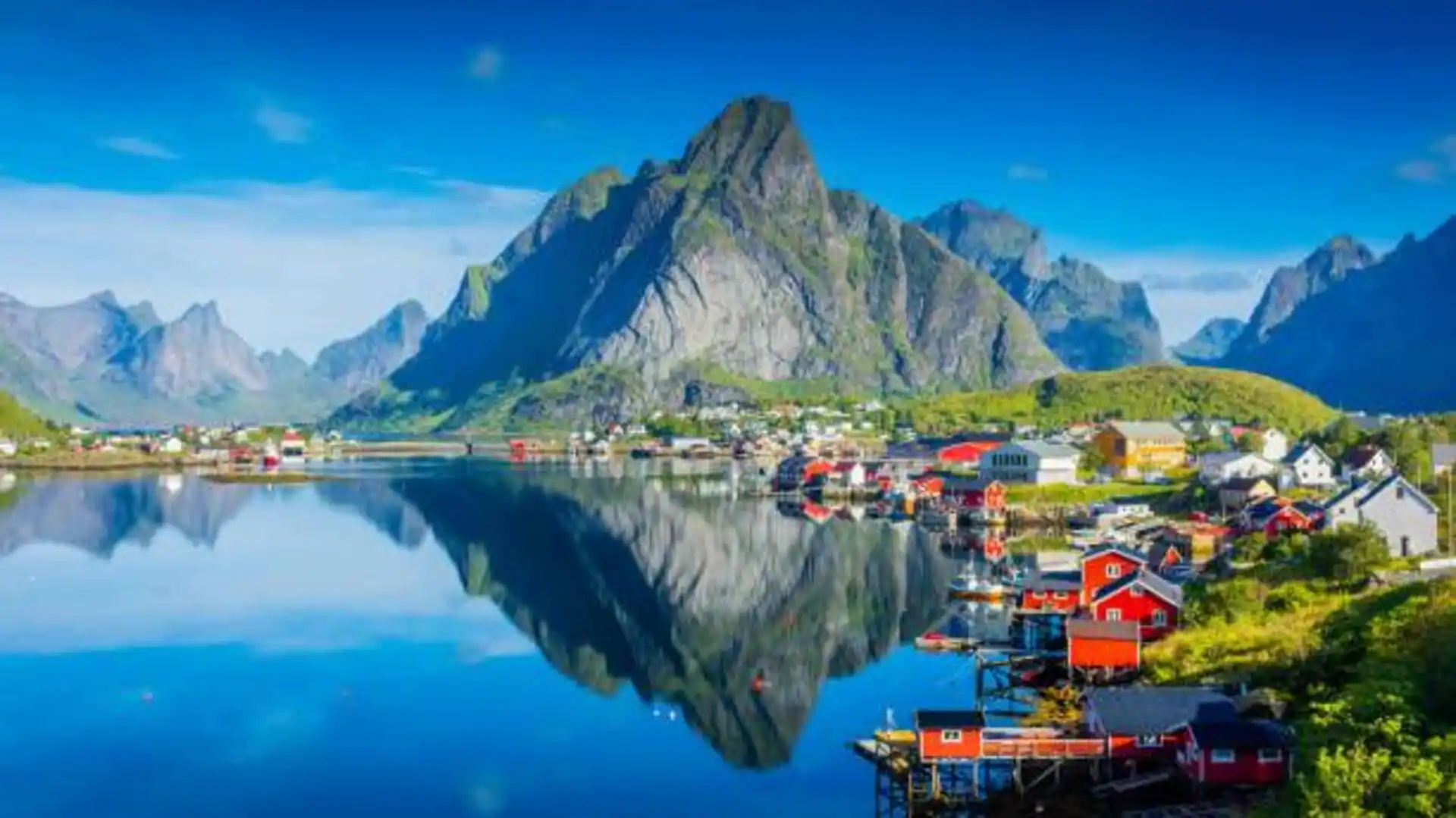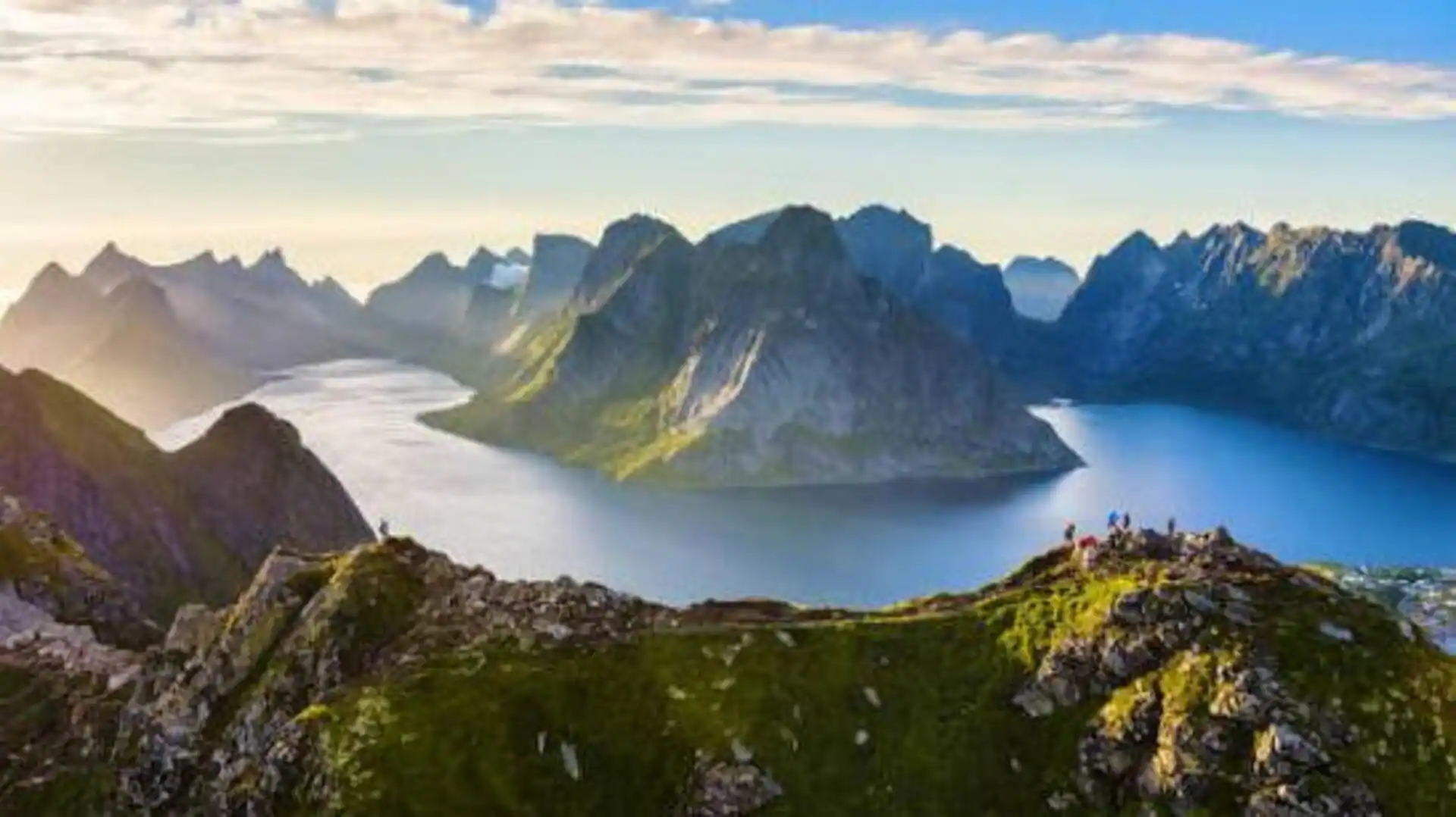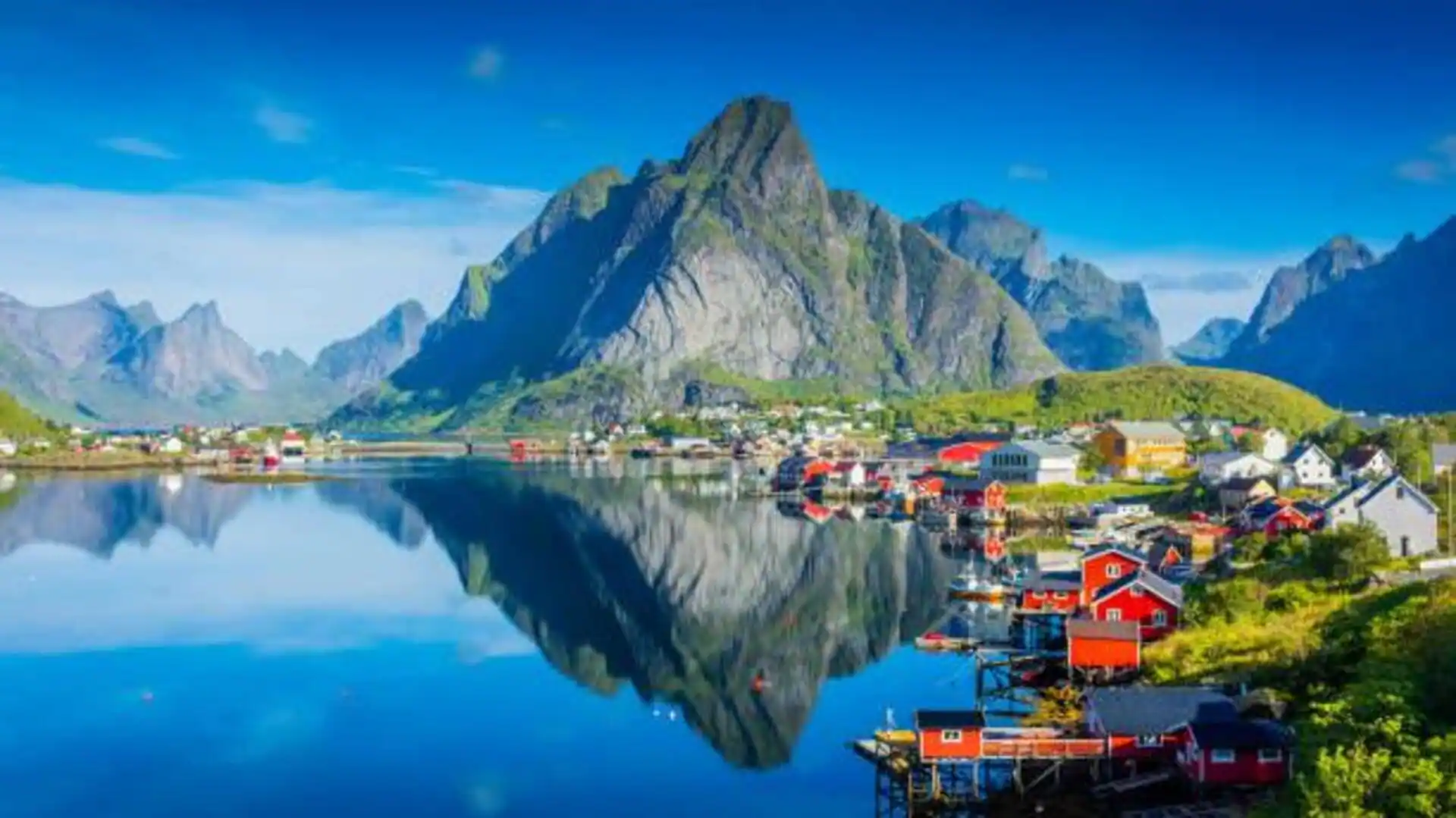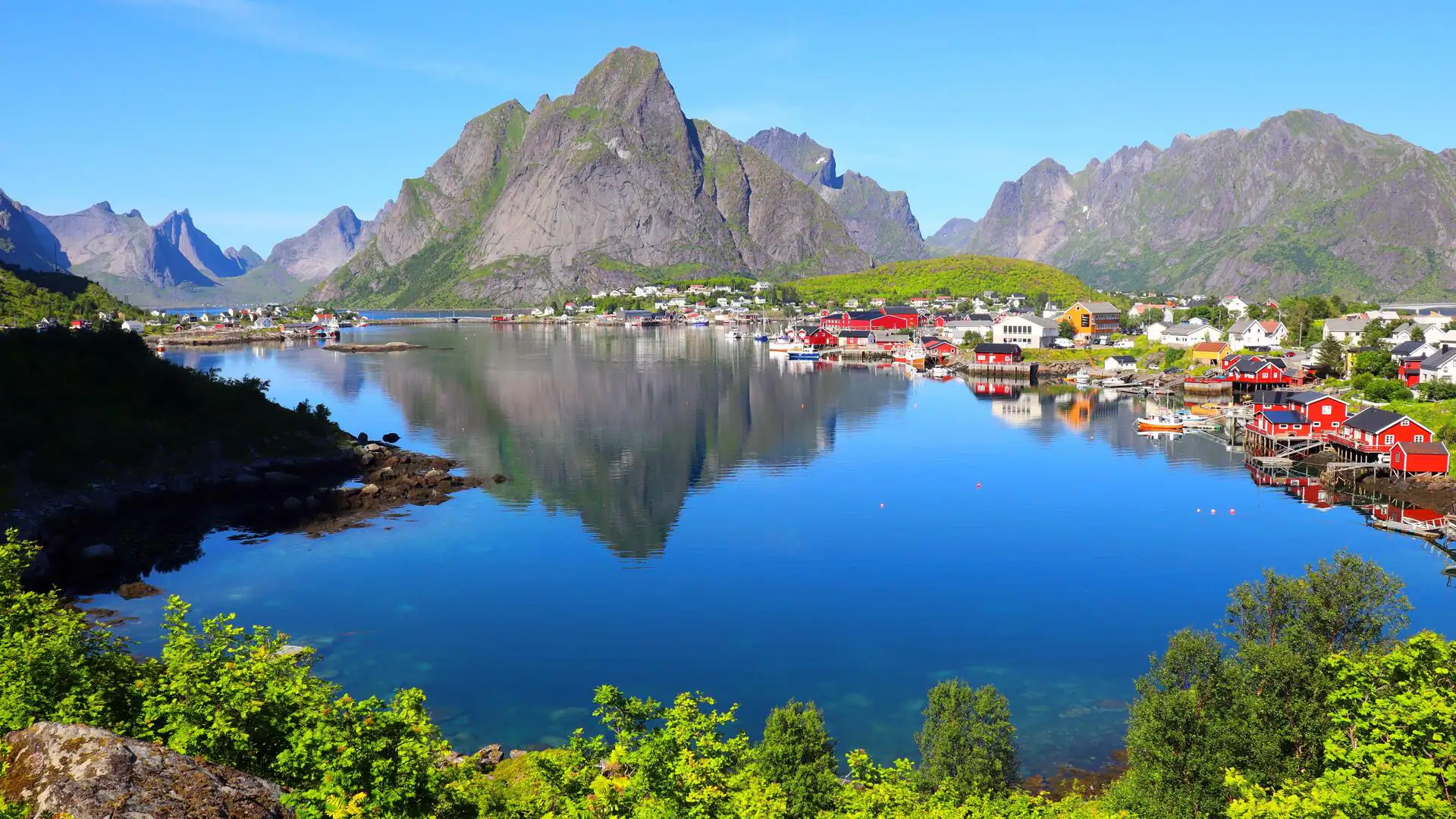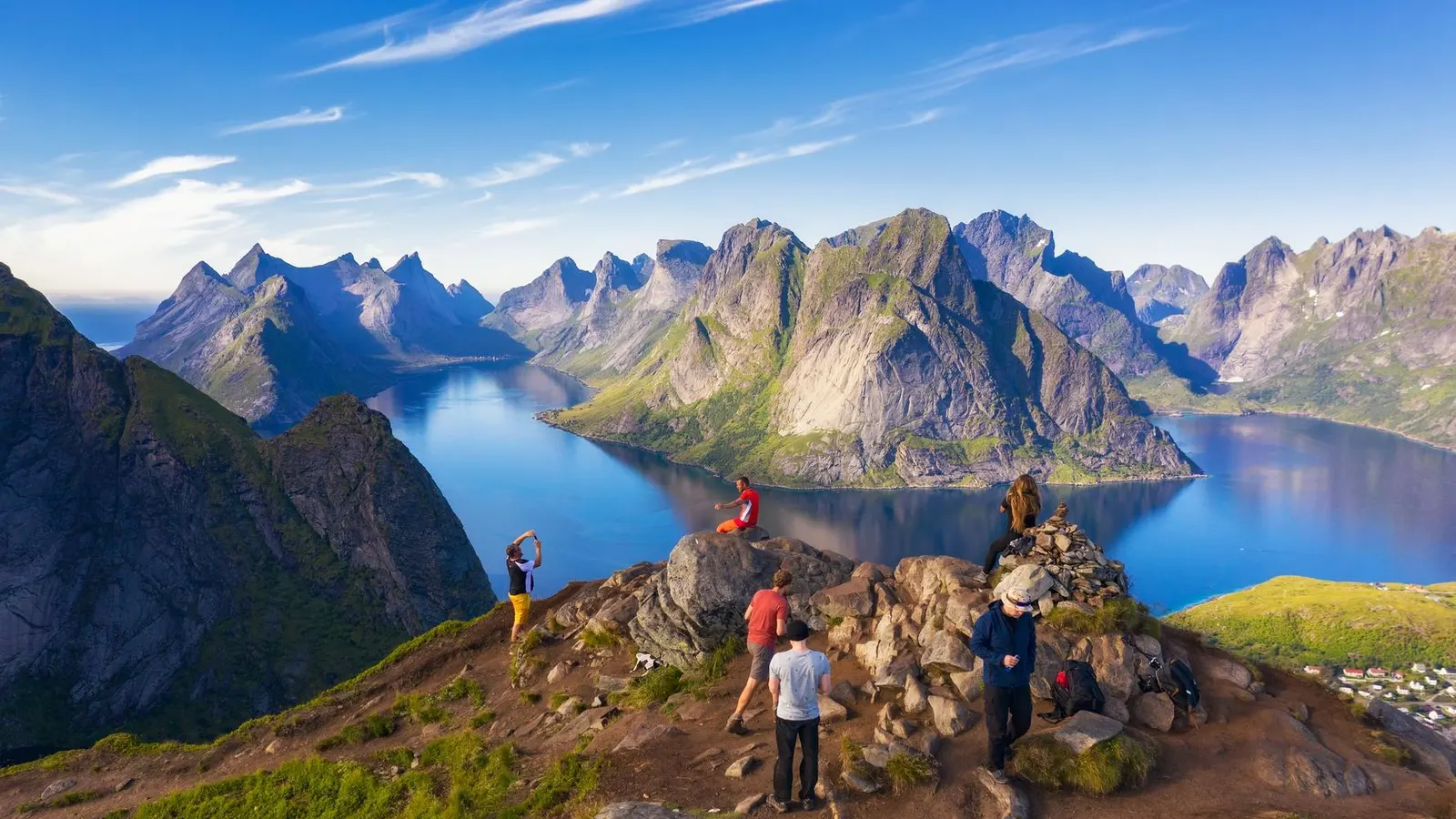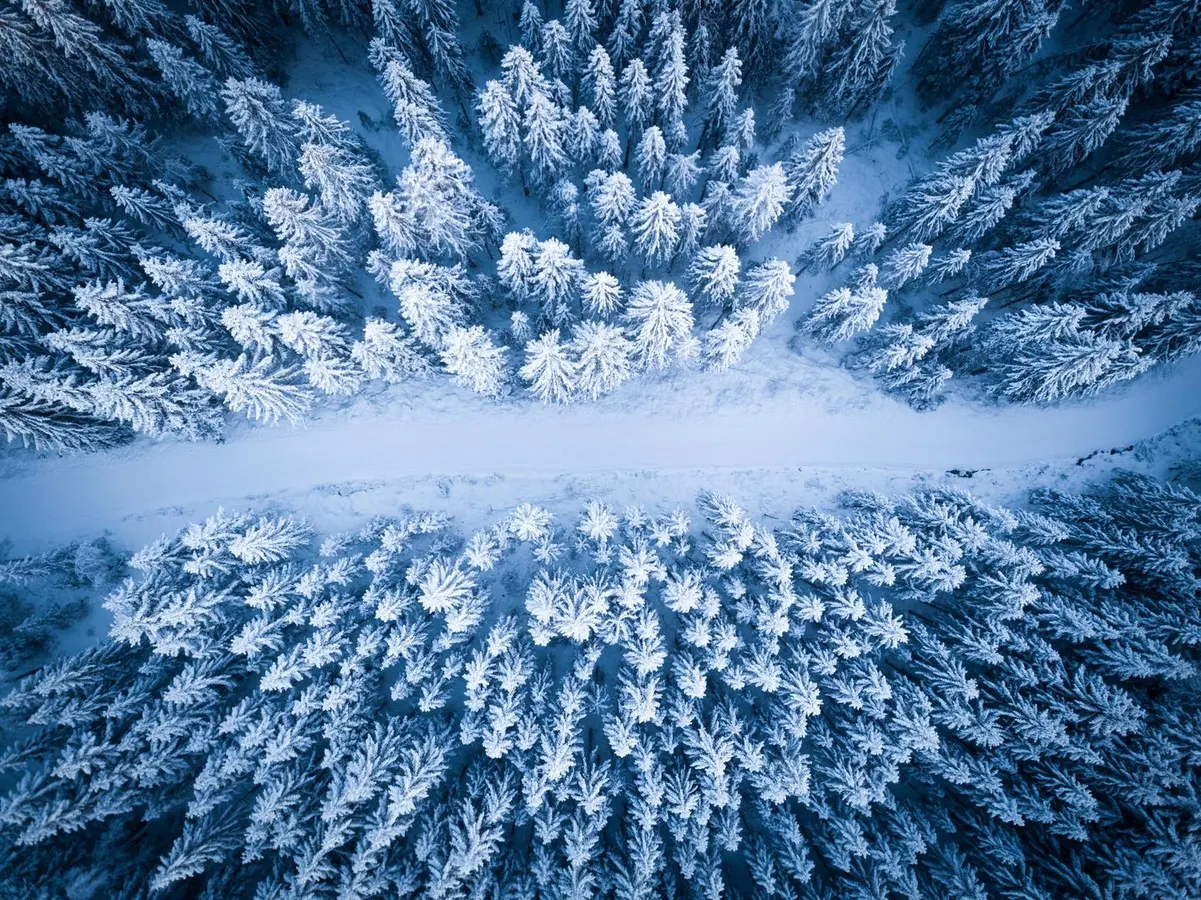
Whether by land or by boat, Norway is a dream for lovers of the great outdoors and nature in all its forms.gettyIf you’re interested in the World Cup hype around Norway and are keen to know more about how to travel there, then here’s your introduction on this most magnificent of European countries that spans from the Arctic Circle to Denmark, neighbors Sweden, and in the north, borders Russia and Finland. Norway is not part of the EU, but it is part of the Schengen area, which includes Iceland, Switzerland and Liechtenstein, allowing free movement between them and all 27 EU countries.Comparatively, it’s slightly larger than New Mexico; around two-thirds of the country is mountainous, and it can lay claim to around 50,000 islands off its coastline, one of the longest in the world, measuring almost 23,000 kilometers in length (just over 14,000 miles).Norway Travel—Start In Oslo, And Then Explore Further AfieldLonely Planet calls Norway “one of the most beautiful countries on earth,” but it is often labeled as “one of the most expensive countries on the planet.” That means it pays to plan carefully and do your homework when planning a trip.Its capital, Oslo, is a great place to start. In a study conducted in February 2026, Iglu Cruise created a Green City Index measuring access to public green space, air quality and percentage of greenery. Norway’s capital, Oslo, came in first place, concluding that 95% of residents live within a 300-meter walk of a green area, “making Oslo one of Europe’s most walkable capitals.” One of the reasons is the creation of pocket parks, where a community-led initiative transformed concrete spaces into mini green areas.Oslo is also home to the world’s first ‘bee highway’, a corridor maintained by urban beekeepers, businesses, and locals for bees to travel from Holmenkollen to Nøklevann lake, one side of the capital to the other. The ‘pollinated passage’ includes beehives strategically located on roofs across the city.What’s more, Oslo ranks 11th in the World’s Best Cities report 2026 because of its third-place ranking in Health and its great greenspace credentials, which mitigate climate risk. It has a great quality-of-life score and high economic productivity. The report says that the new Museum of the Viking Age should open in 2027, too, adding to its cultural offerings.Lonely Planet has the 12 best places in Norway to explore, including Oslo, the UNESCO-listed Geiranger Fjord, and the Lofoten Islands, but if hiking is more your thing, The New York Times talks of the St Olav Ways, a network of nine pilgrimage routes that all meet at the burial site of Olav Haraldsson, the Viking king who paved the way for Christianity in Norway. The routes were once the main roads between Oslo and Trondheim, but as that traffic has now been diverted to the highways, the only people who remain are peaceful hikers and pilgrims.Norway Travel—Food, Drink And Clothing Require More Thought Than UsualTo reduce costs, Lonely Planet suggests staying in places that include breakfast and making sure you fill your bellies in the morning to keep you going longer. It can be expensive to eat out, so you can also fill up on long journeys at gas and train service stations. Additionally, with changeable weather, layering is essential and ensure you have wind- and waterproof clothing.Norway Travel—It’s All About (Short) SeasonsThe tourist seasons are short, and most people visit in summer—July to August (sometimes June), particularly for hiking, cycling or rafting, even though the days are endless, the further north you head. The likelihood is for clearer days but also for more people, crowds and higher costs. It’ll take longer to get everywhere too.December to February is for the northern lights, although there are never any guarantees that you’ll see them—you need very clear skies. But this is also the time for very short days, the shorter the further north you travel, and it's the season for skiing, snowmobiling and dog sledding.Norway Travel And Allemannsretten—The Right To RoamAllemannsretten, translated literally as ‘everyman’s right’, is a law that allows everyone to explore the countryside, even on private property—the condition being that you cannot leave any trace of your being there. In this way, the law states you can “take only photos, leave only bootprints.”There are rules associated with allemannsretten, obviously, such as not camping on cultivated land; you must pitch your tent at least 150 meters from someone’s house; you must respect No Camping signs; campfires are prohibited between 15 April and 15 September; and allemannsretten does not apply to motorized vehicles or caravans.It’s another way to keep costs down and see untouched parts of this spectacular country, because Norway rewards travelers who plan and pack for changing conditions. Above all, between its cities, fjords and countryside, it offers a rare mix of easy access and wild freedom—perfect for exploring its breathtaking beauty.MORE FROM FORBESForbesThe 10 Safest Countries In The World, Per 2026 Global Peace IndexBy Alex LedsomForbesMore Protests Show The High Cost Of Overtourism In EuropeBy Alex Ledsom
What To Know About Traveling To Norway
Norway's expensive but unforgettable: start in Oslo, plan for short seasons and changing weather, and use the country’s right to roam to explore fjords and landscapes.
832 words~4 min read