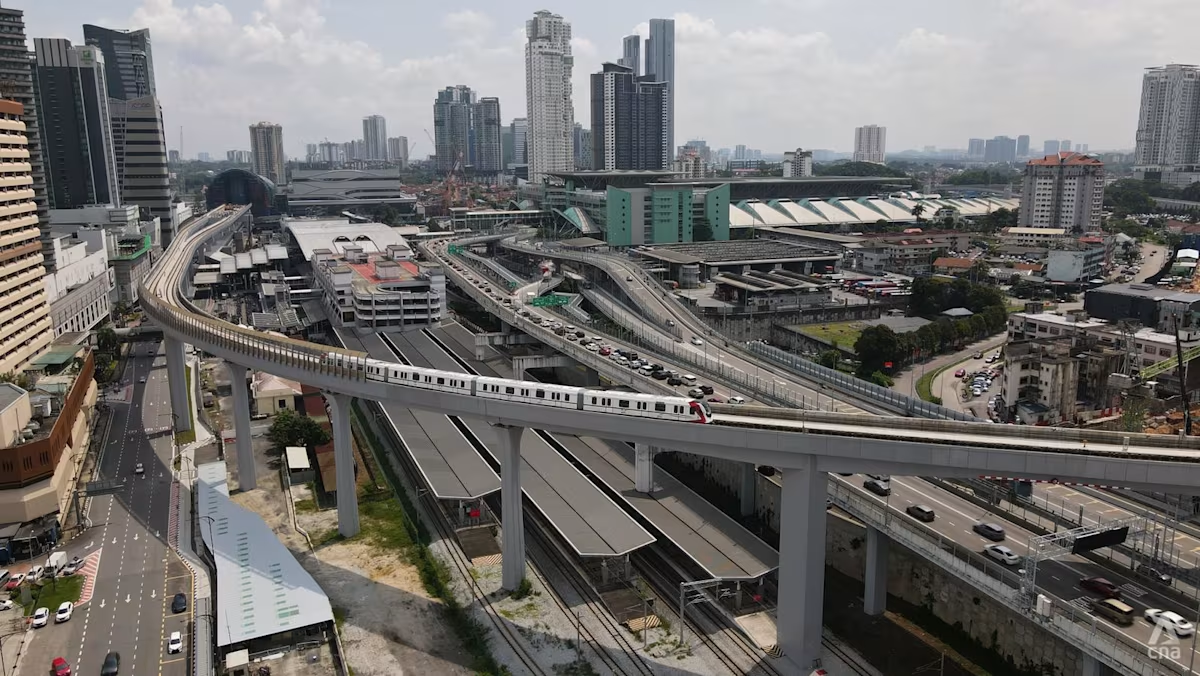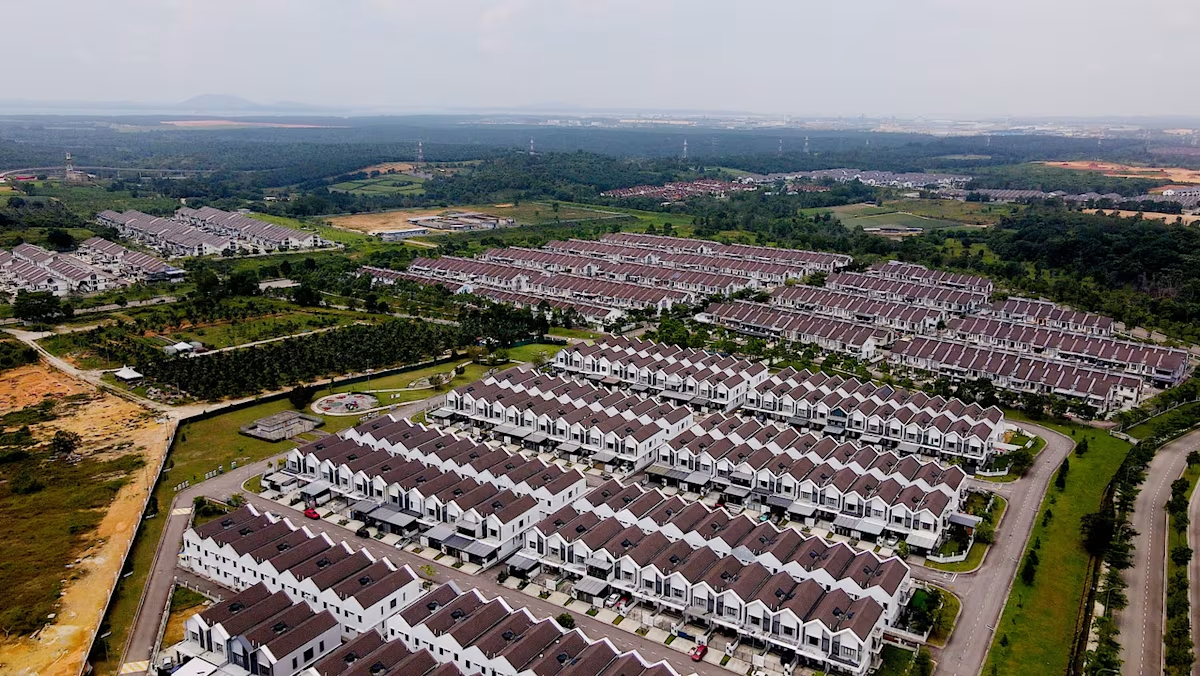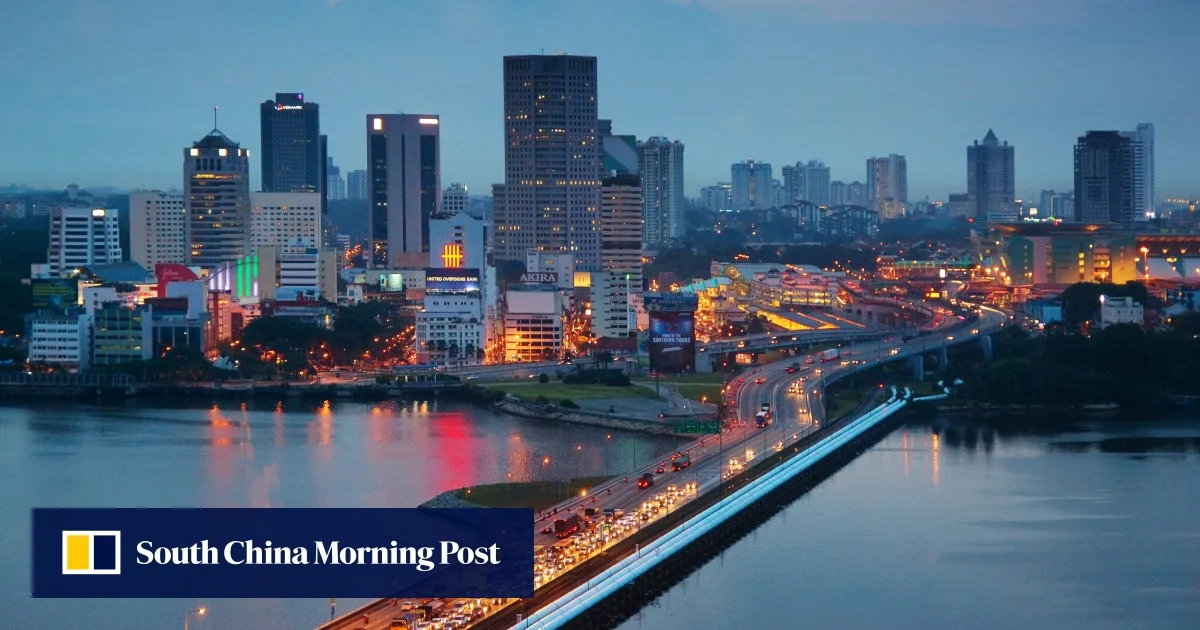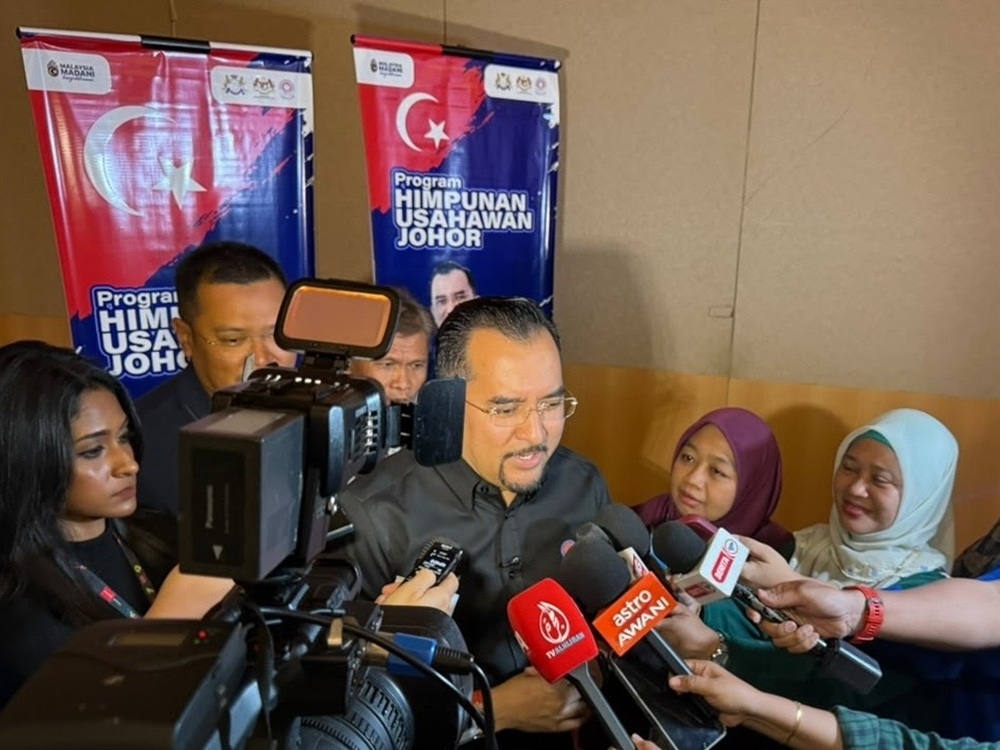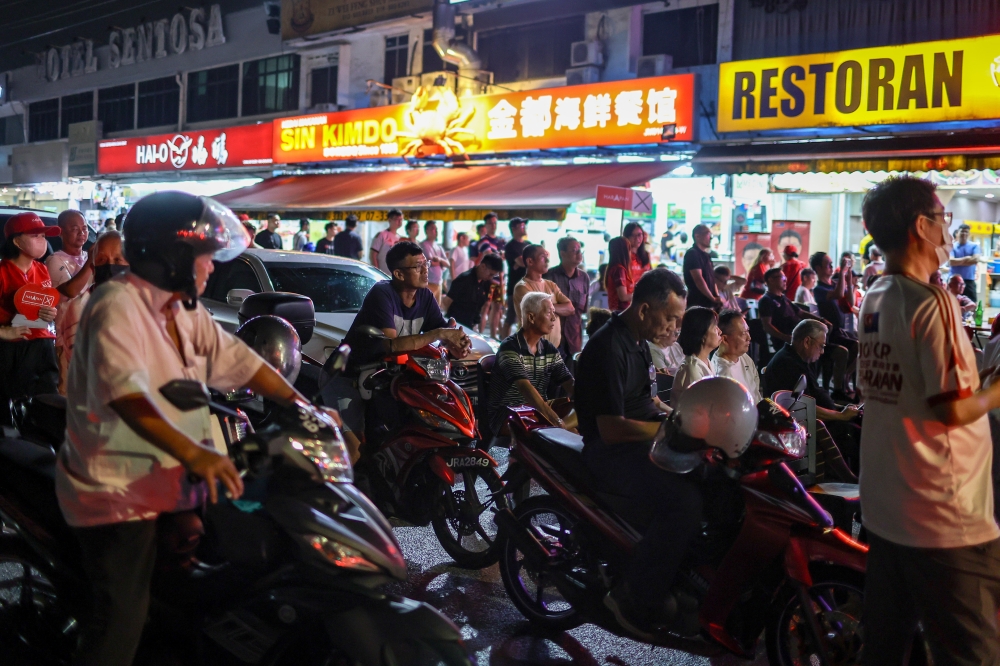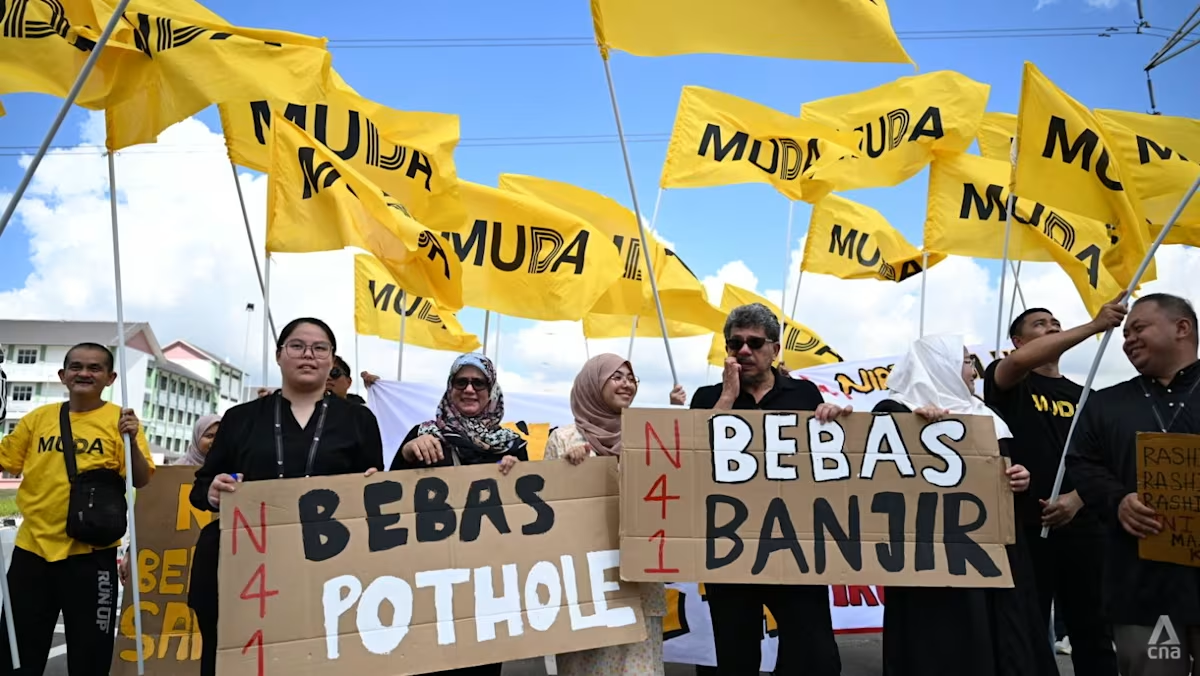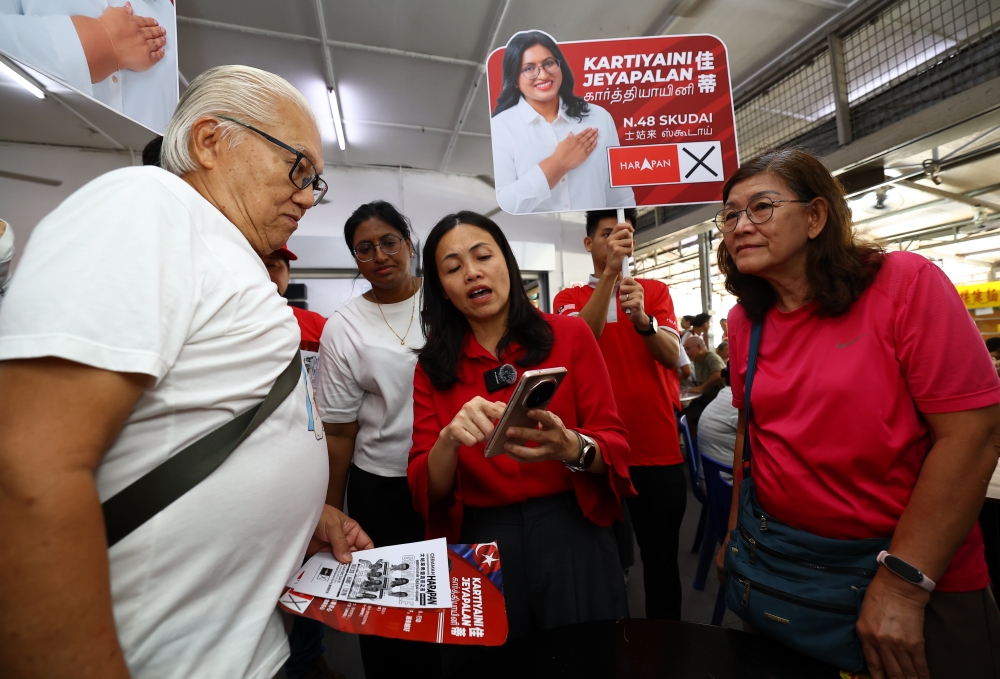
Koo can see Johor changing around him, even if the promised wealth has not reached his bank account.The 30-year-old service worker has lived for 25 years in Skudai, a busy Johor Bahru suburb anchored by universities, older housing estates and the kind of Chinese shoplot economy that helped make the Democratic Action Party (DAP) a force in Malaysia’s southern state.He sees cranes, rail works and projects built by Chinese companies. But before Saturday’s state election, and as the China-linked boom loses its political shine, the question nagging at him is more prosaic than geopolitics: whether Johor can still offer a decent living to Malaysians who do not want to chase the Singapore dollar just next door.“My primary concern is skyrocketing housing prices and living costs,” Koo, who asked to be identified only by his surname, told This Week in Asia. “Parties need to prove that the economy in Johor can support those who work in Johor, instead of forcing them to go into Singapore to make a living.”That unease cuts into one of the most closely watched fights in Johor’s election: the Chinese vote.DAP Secretary General Anthony Loke (centre) says his party aims to defend the 10 seats it won in 2022. Photo: Facebook/Anthony Loke Siew FookDAP, the Chinese-majority party in Prime Minister Anwar Ibrahim’s Pakatan Harapan (PH) coalition, is trying to defend its urban base against Barisan Nasional’s (BN) Malaysian Chinese Association (MCA), BN’s long-time Chinese partner, which is leaning on its Johor business and state links to regain ground.
In Malaysia’s Johor, Chinese voters prize affordability over politics
Analysts say issues such as the rising cost of living, jobs and business opportunities now matter more than party loyalty or China money.
251 words~1 min read