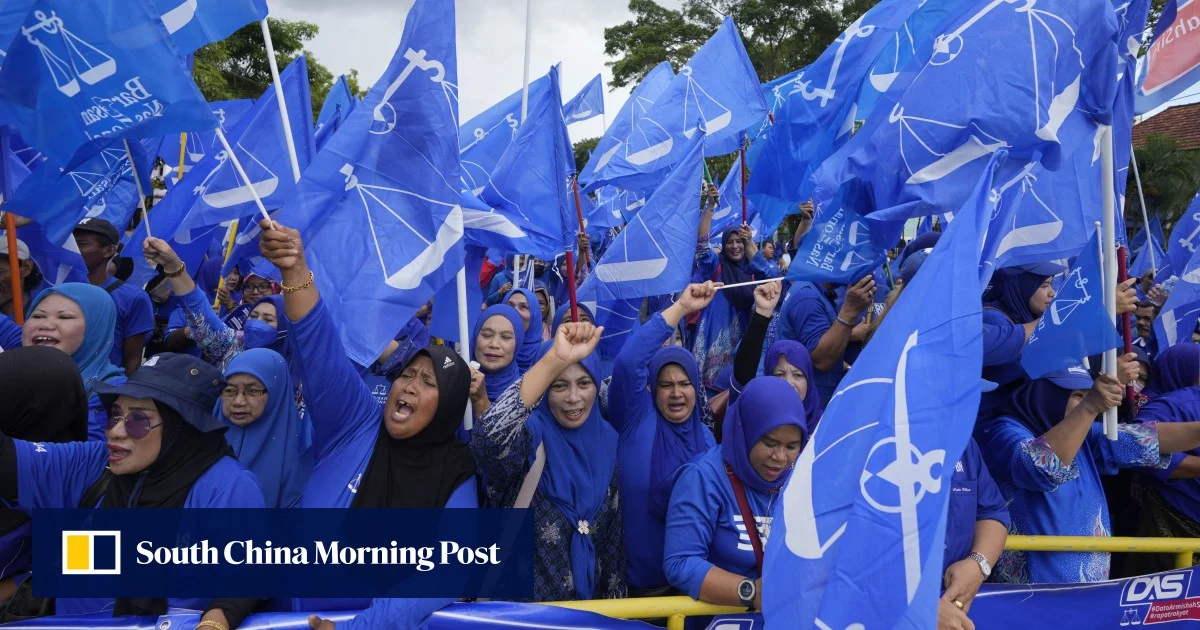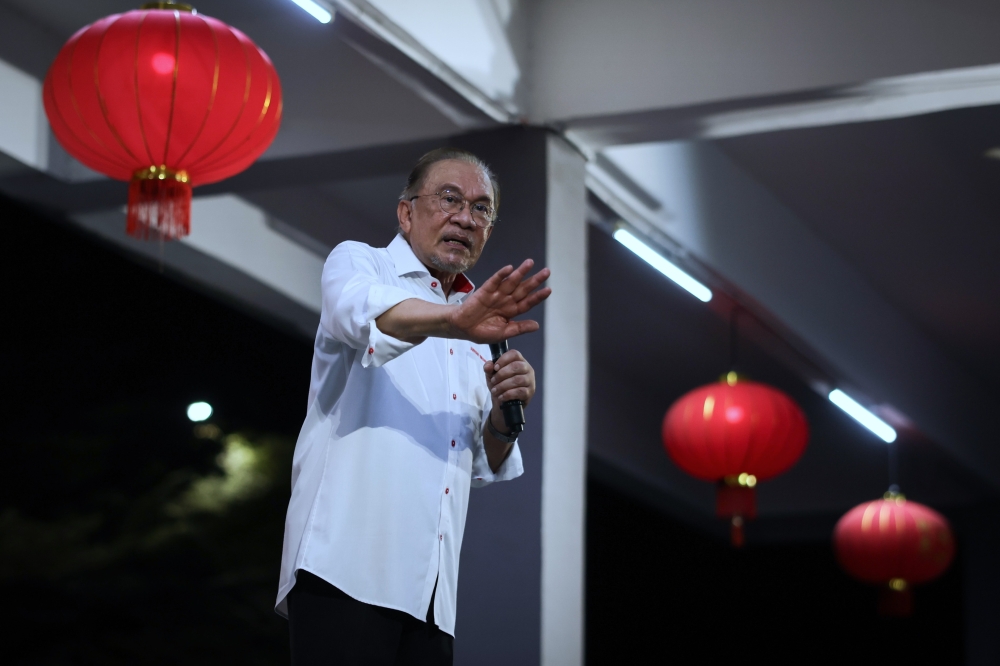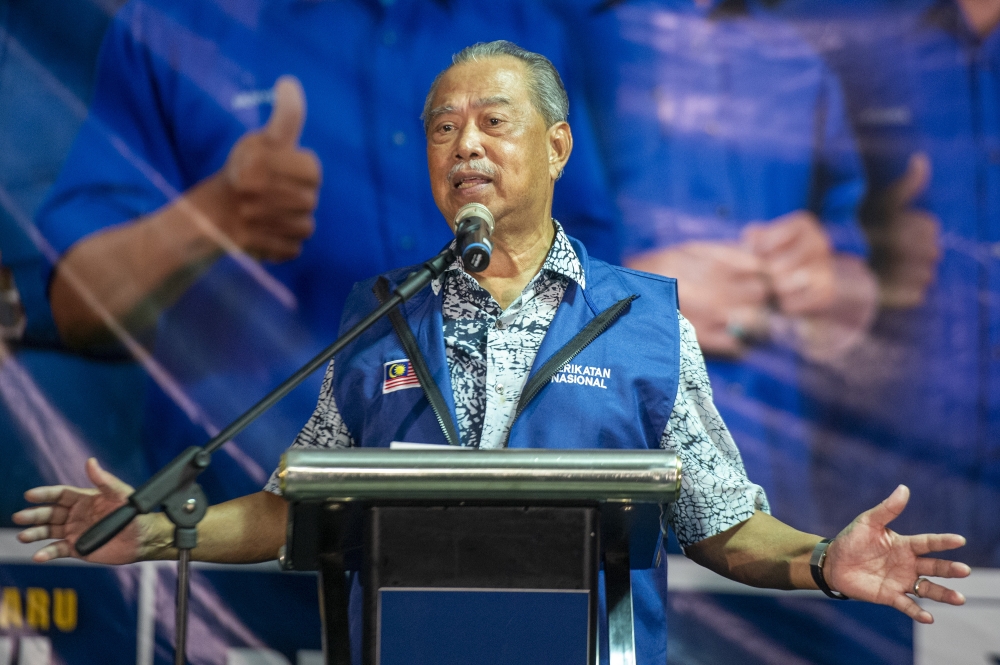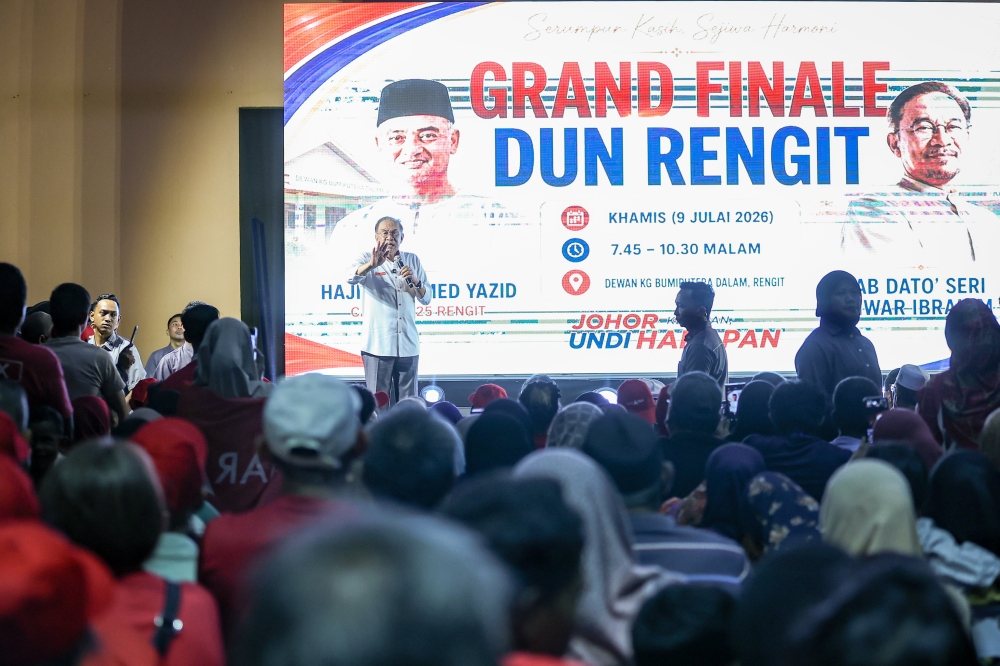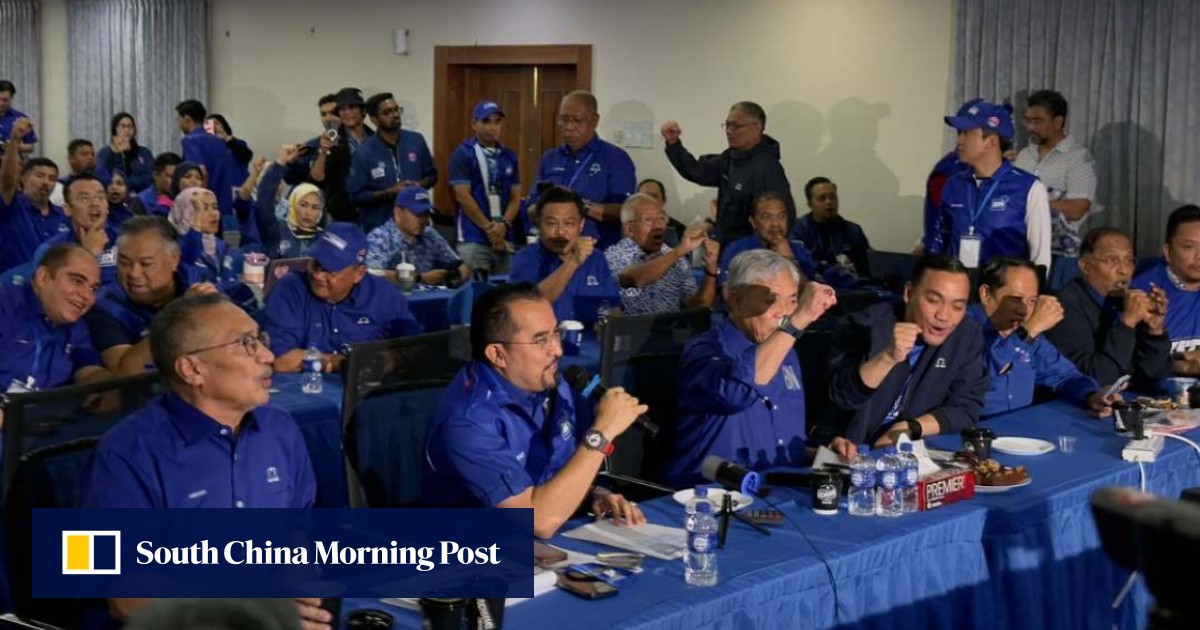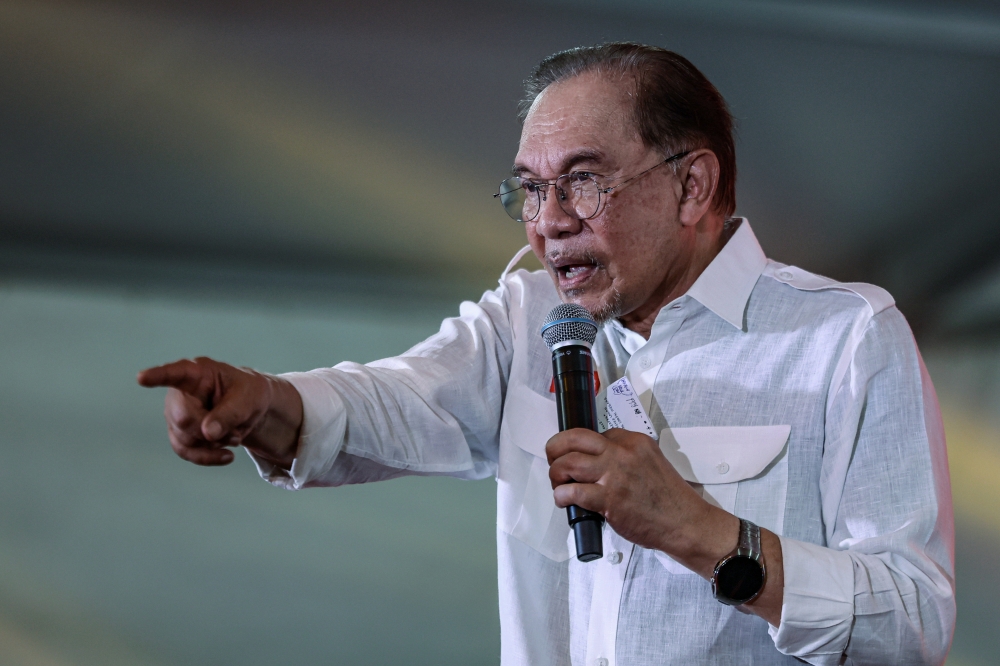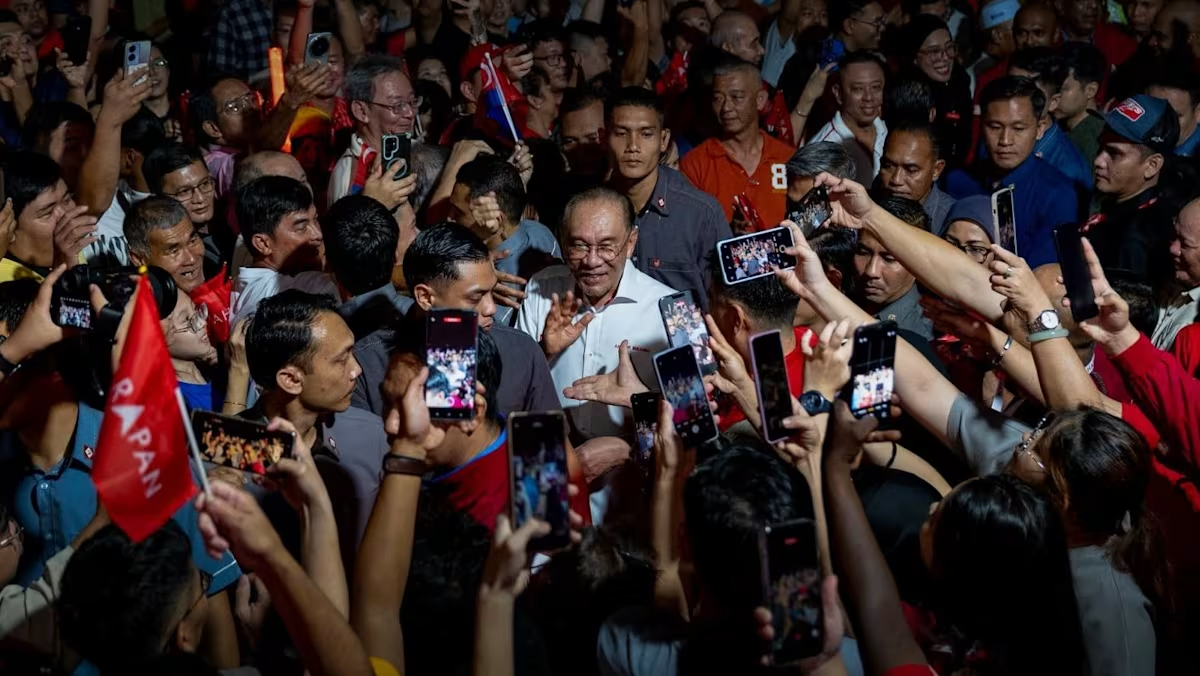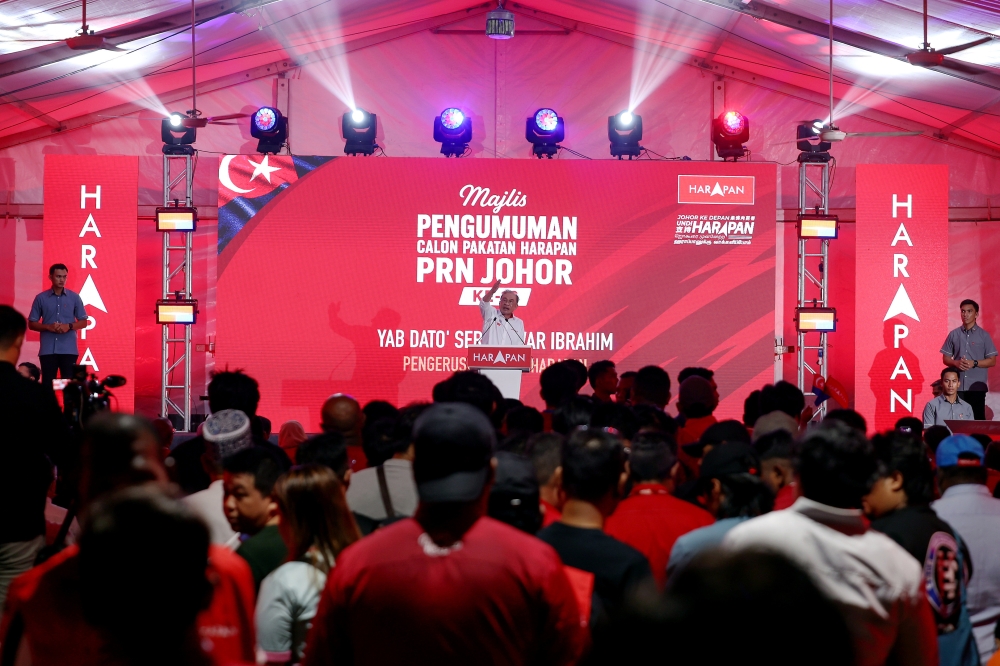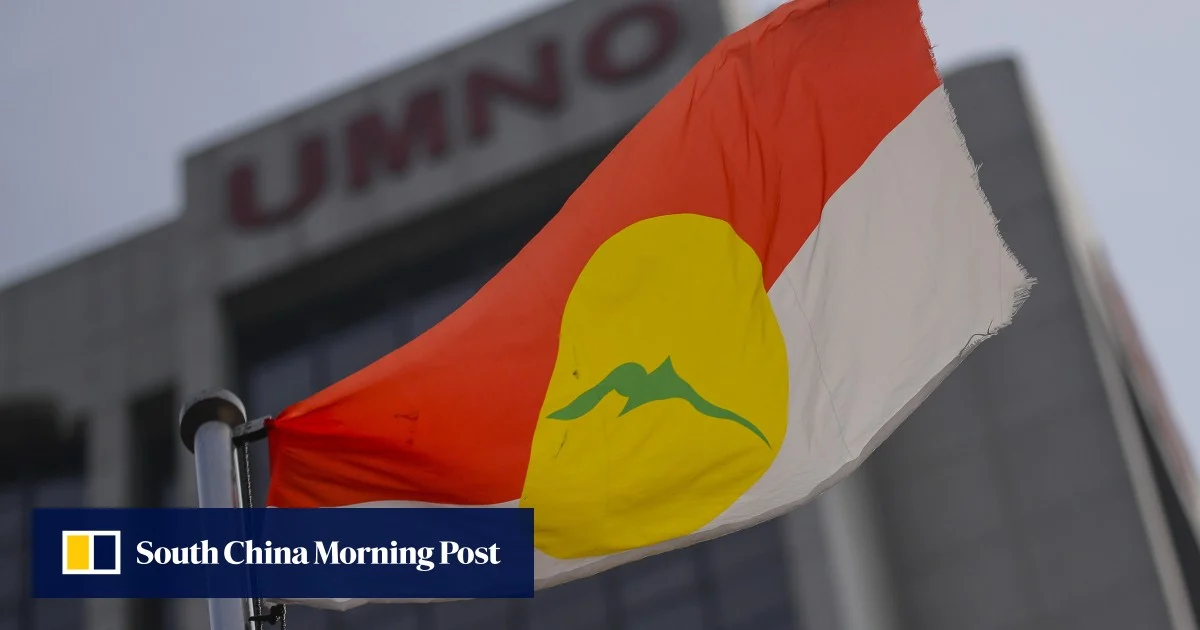
KUALA LUMPUR: Anwar Ibrahim faces a dilemma no peninsular prime minister has confronted before. Johor is demanding what Sarawak and Sabah have long sought: a bigger cut of federal revenue and special economic status. But unlike the Borneo states, Johor has no constitutional armour. The 1963 Malaysia Agreement and the 1974 Petroleum Development Act (PDA) leverage gave Sarawak and Sabah historical grievances and legal leverage. What Johor has is economic heft, a proactive palace and state nationalism that is growing louder by the day.A decisive win by the incumbent United Malays National Organisation (UMNO) in the Johor state poll on Saturday (Jul 11) would more than bruise Mr Anwar’s Pakatan Harapan (PH) coalition. It would arm the palace and the state government with a popular mandate to push harder for fiscal autonomy.
Therein lies Mr Anwar’s dilemma. If he is forced to concede to Johor’s demands, he will invite copycat claims from other states. Penang has already raised the question of a greater revenue share. Selangor is watching the simmering budgetary brawl closely, together with the Malay-belt opposition states in the northern region now controlled by the right-wing Parti Islam Se-Malaysia (PAS).If he resists, he risks a confrontation with a state government armed with a strong mandate and a pro-UMNO palace.NEW TERRAINThis is new terrain for Malaysian federalism.For more than 60 years, the fault lines to the country’s federation pact have been east and west: Peninsular Malaysia and the two Borneo oil-producing states. The 1963 Malaysia Agreement was meant to bind the federation with Sarawak and Sabah as equal partners to the federation.That did not happen. Very quickly the pact became an arrangement shaped by peninsular dominance, East Malaysian deference and a source of irritation.