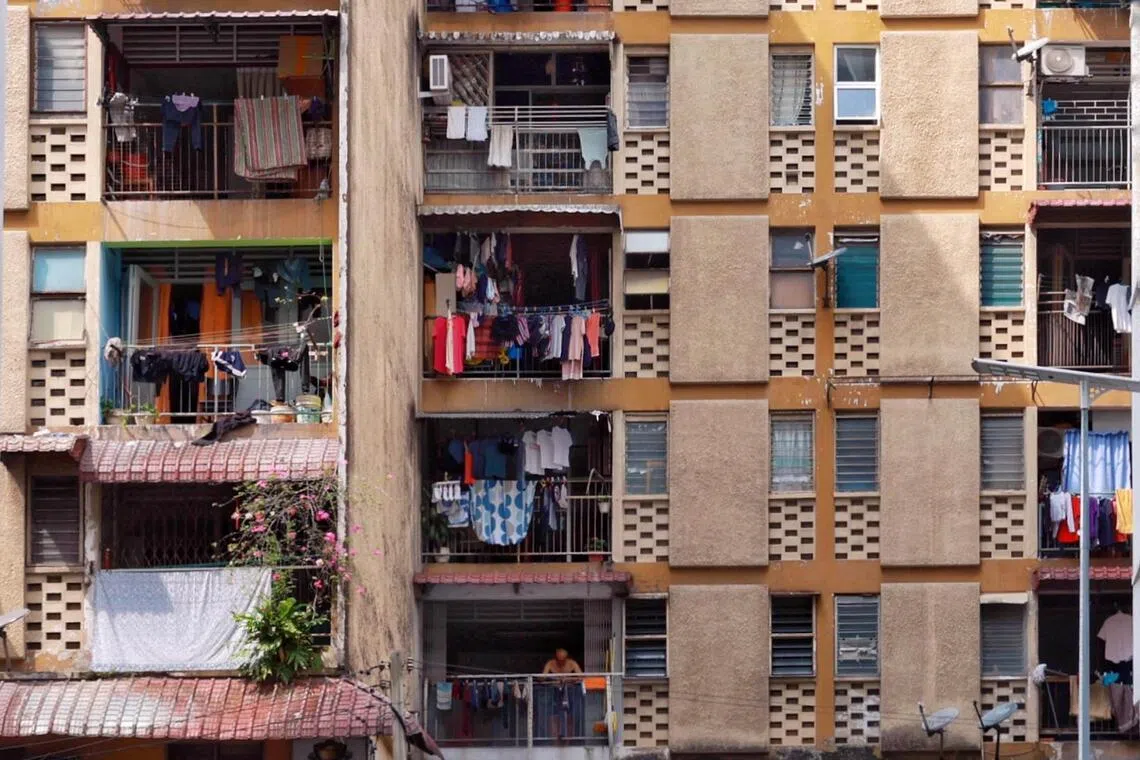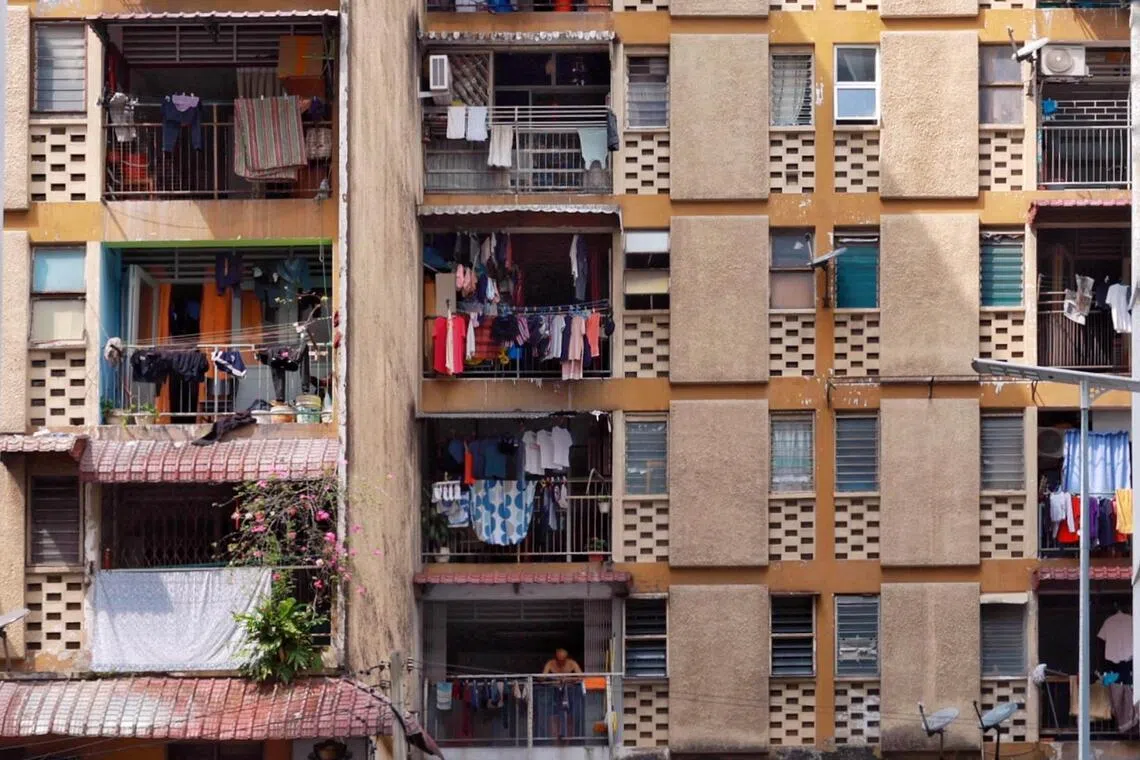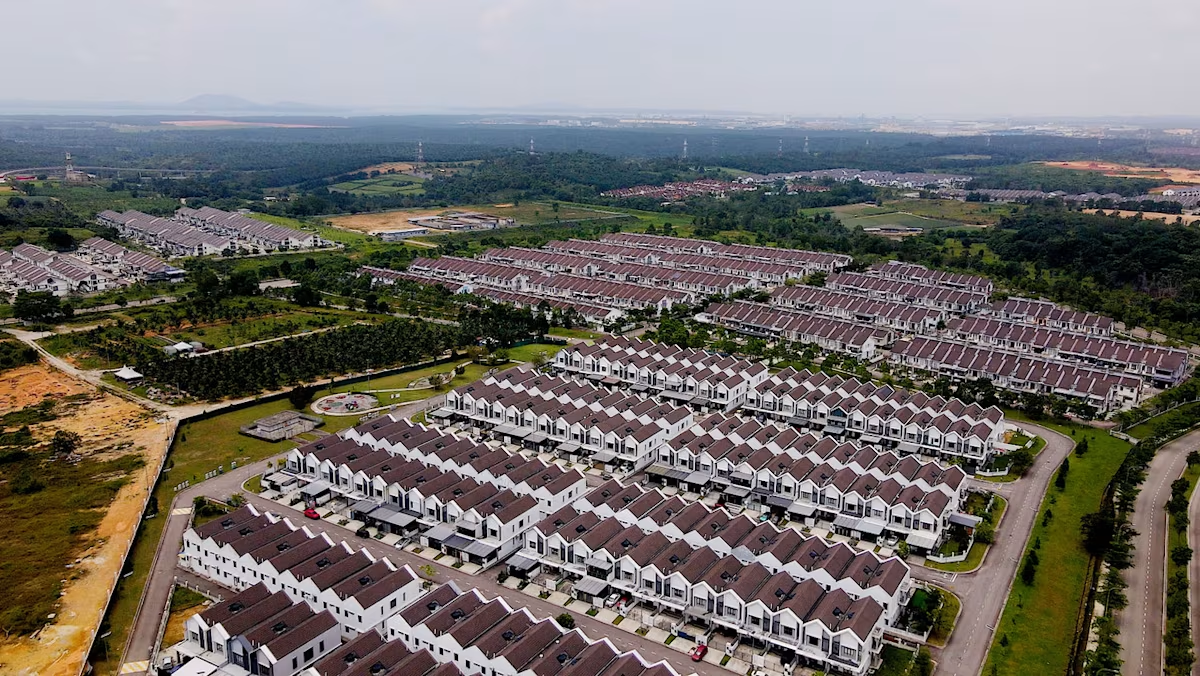
JOHOR BAHRU: When purchasing officer Ahmad Azri Azizi was ready to get married and start a family, he had wanted to buy a two-storey townhouse near Johor Bahru city centre.The homes he had in mind were part of Johor's affordable housing scheme, Rumah Mampu Milik Johor (RMMJ), where some townhouse units are priced at around RM180,000 (US$44,440).But after years of unsuccessful applications, the 32-year-old gave up."People say anything below RM300,000 is rare now," said Ahmad Azri. "It's really challenging to get the kind of house you want at a price you can afford."Instead, he and his wife, a civil servant, bought a compact double-storey house in Kota Masai, Pasir Gudang, for RM290,000 on the resale market this year. Their home, which has a built-up area of 600 square feet, is about an hour's drive from Johor Bahru during peak periods. The larger home he once envisioned, closer to where he works, remains out of reach."Financially, we just can't afford it,” he said.
Ahmad Azri Azizi has found it challenging to find a house he wants at a price he can afford. (Photo: CNA/Zamzahuri Abas)
Ahmad Azri's experience reflects a growing concern among many Johoreans: While the state is one of Malaysia's biggest economic success stories, life is not necessarily more affordable.Johor recorded the highest gross domestic product (GDP) growth among all Malaysian states in 2024 – at 6.4 per cent, it was higher than the national average of 5.1 per cent. In 2025, it attracted a record RM110 billion in approved investments, surpassing even Selangor and Kuala Lumpur.Yet for many residents, wages have struggled to keep pace with rising home prices, rents and living costs.The result is a paradox at the heart of Johor's rapid transformation: The state has never been wealthier, but many of its residents feel increasingly priced out.Affordability and the distribution of economic gains are set to be one of voters' concerns in the run-up to Johor’s state election on Jul 11.Analysts expect a fiercely fought contest, with a likely three-way fight for all 56 seats in the state assembly among the governing Barisan Nasional, Perikatan Nasional and Pakatan Harapan pacts - and that’s not counting some smaller parties planning to throw their hat into the ring.“These issues affect a broad coalition of voters … when residents are pushed to the fringes of towns, they carry that grievance to the ballot box,” Johor urban planning expert and property consultant Samuel Tan told CNA.