Academia
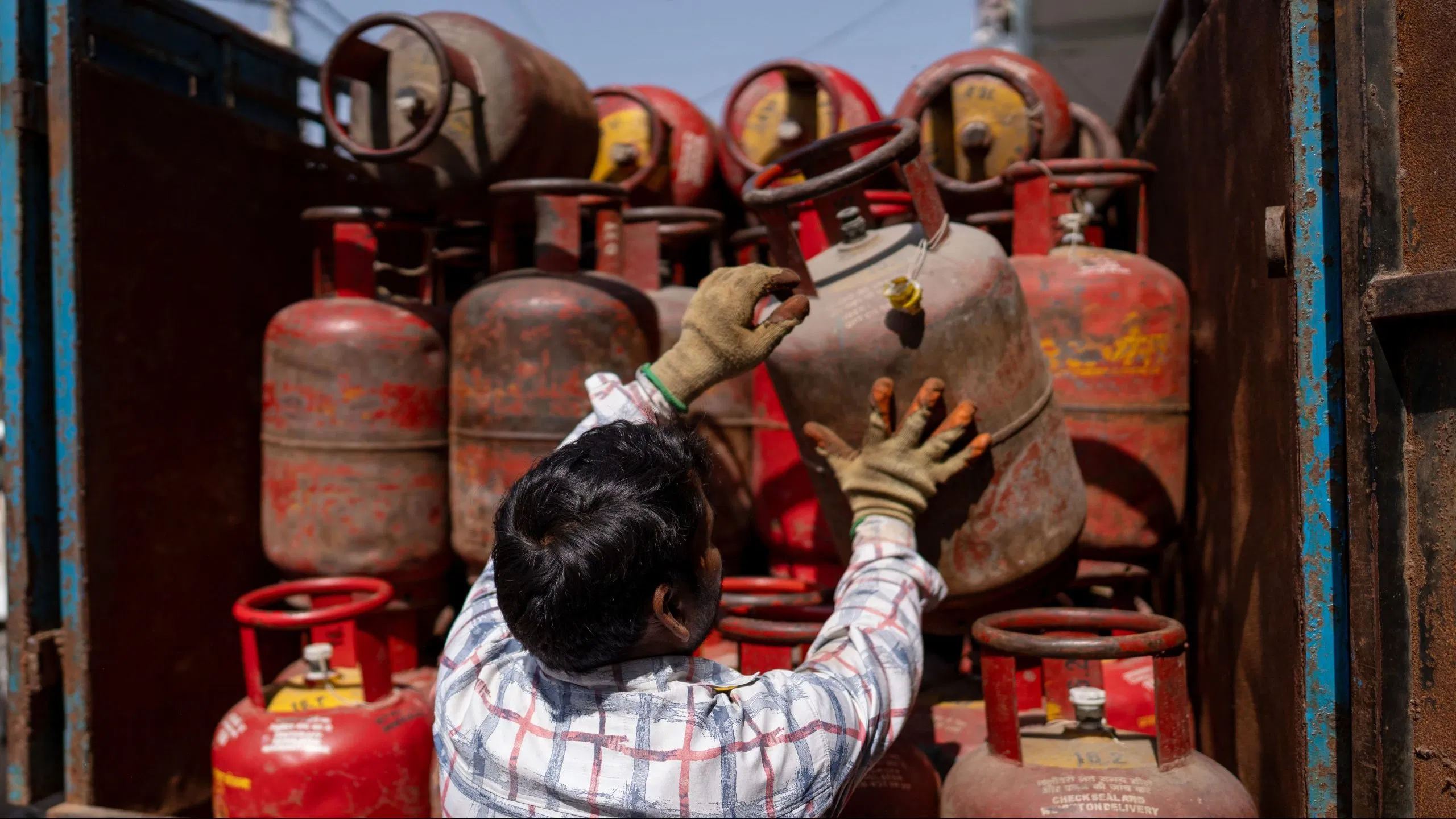
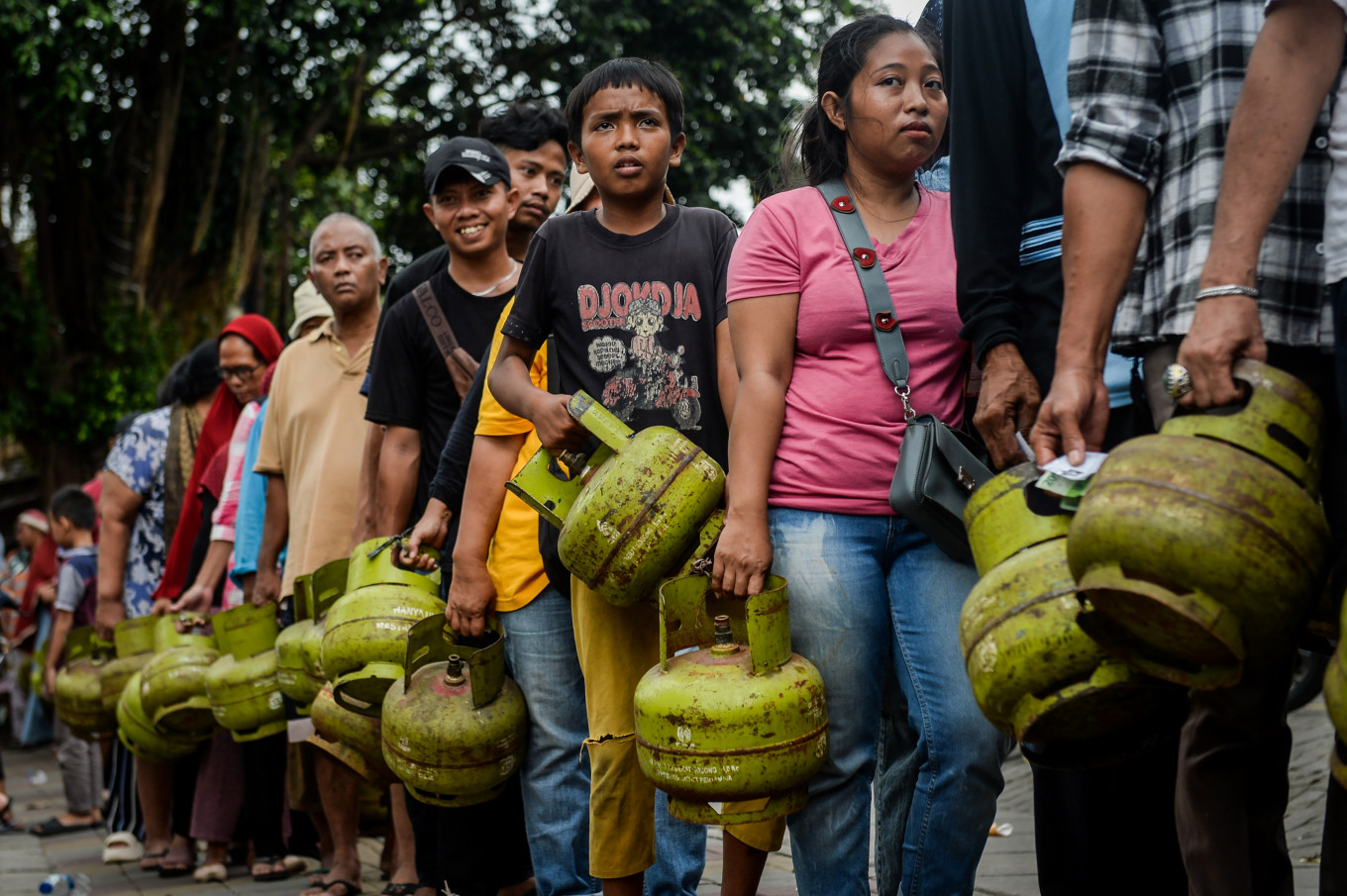
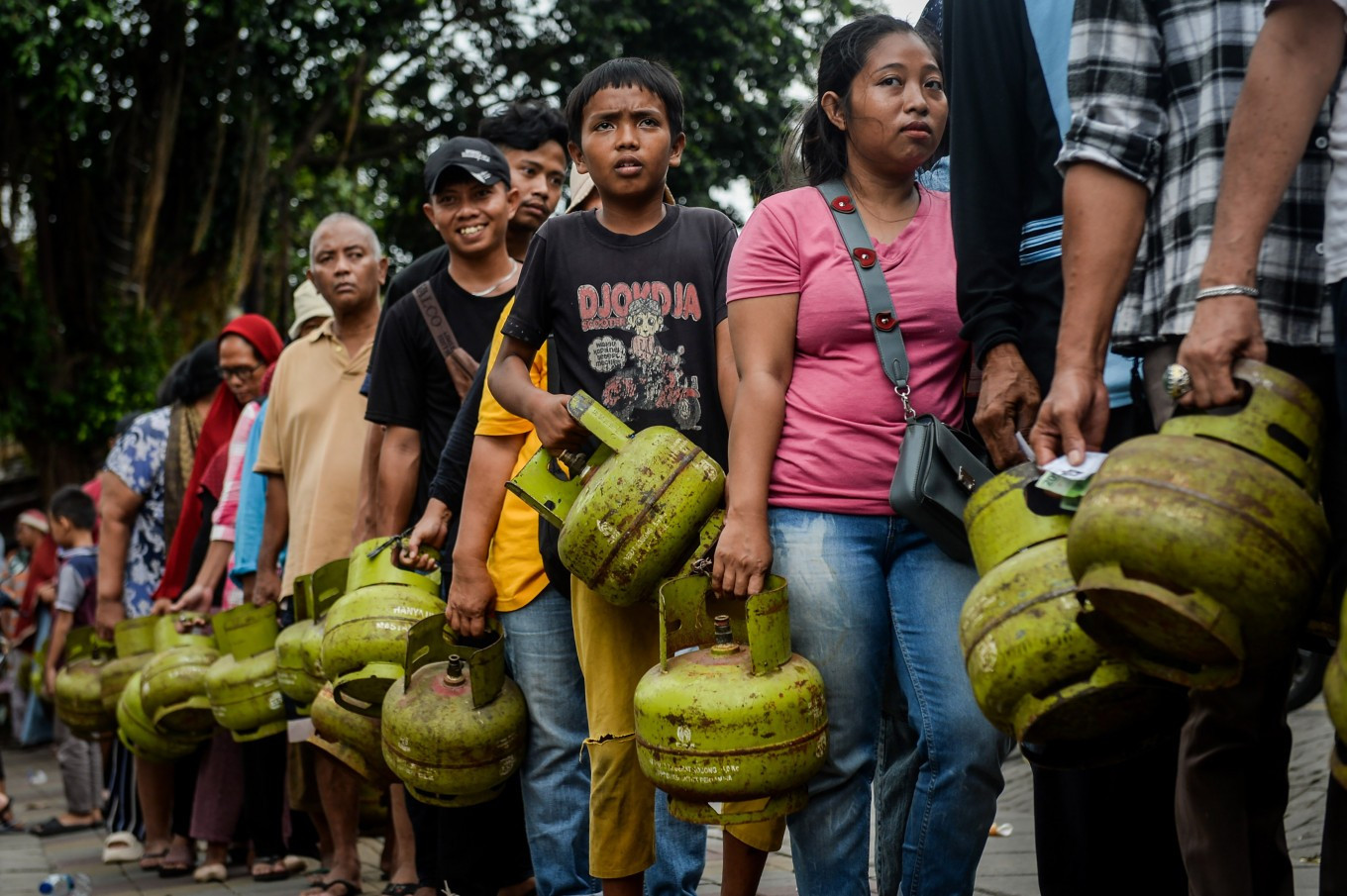
Residents line up to exchange 3-kilogram liquefied petroleum gas (LPG) canisters in Cibodas, Tangerang city, Banten on Feb. 3, 2025. (Antara Foto/Putra M. Akbar)
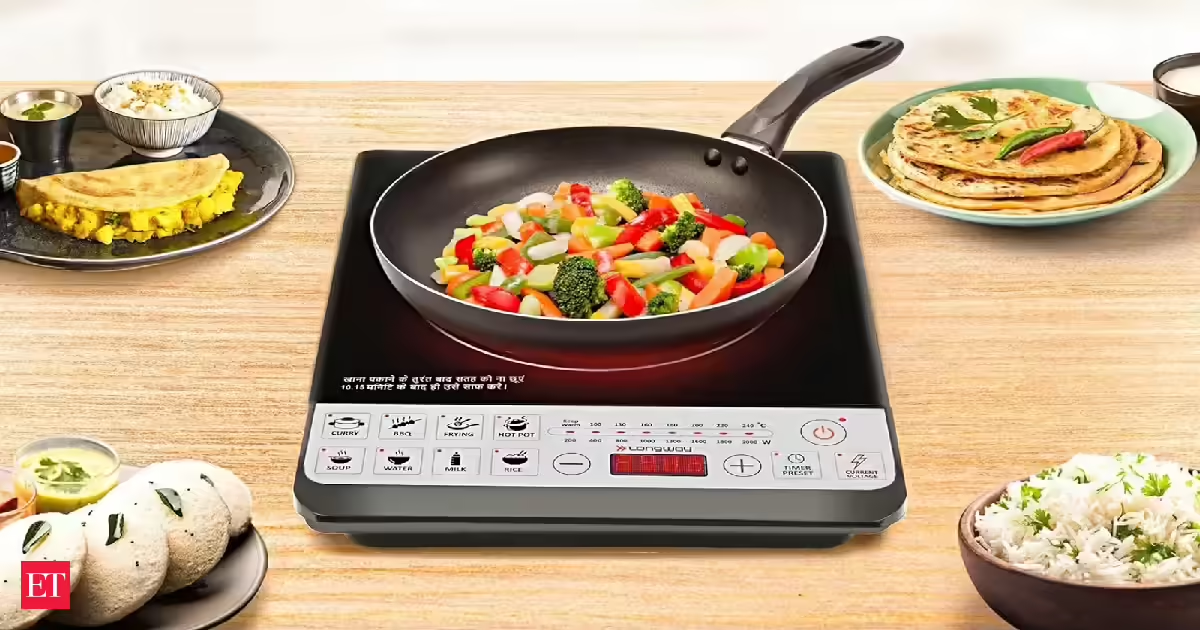
Amid rising geopolitical tensions and growing concerns over energy security, the government is considering phasing out liquefied petroleum gas (LPG) for cooking—around 80 percent of which is imported—by reviving a nationwide induction (electric) stove program. At the same time, policymakers are also exploring the replacement of subsidized LPG with compressed natural gas (CNG) canisters. Yet beyond the promise of reducing import dependence, the question remains: Who stands to benefit from these policy shifts?Indonesia’s dependence on imported LPG is not new. The household conversion program from kerosene to LPG has been running for nearly 19 years, yet the country never built the domestic production base needed to match the demand it created. Imports accounted for 80.58 percent of national LPG consumption in 2025 and rose further to 83.97 percent in early 2026. The supply chain is also highly concentrated, with the United States supplying 70.07 percent of Indonesia’s LPG imports, and the United Arab Emirates and Qatar supplying the rest.