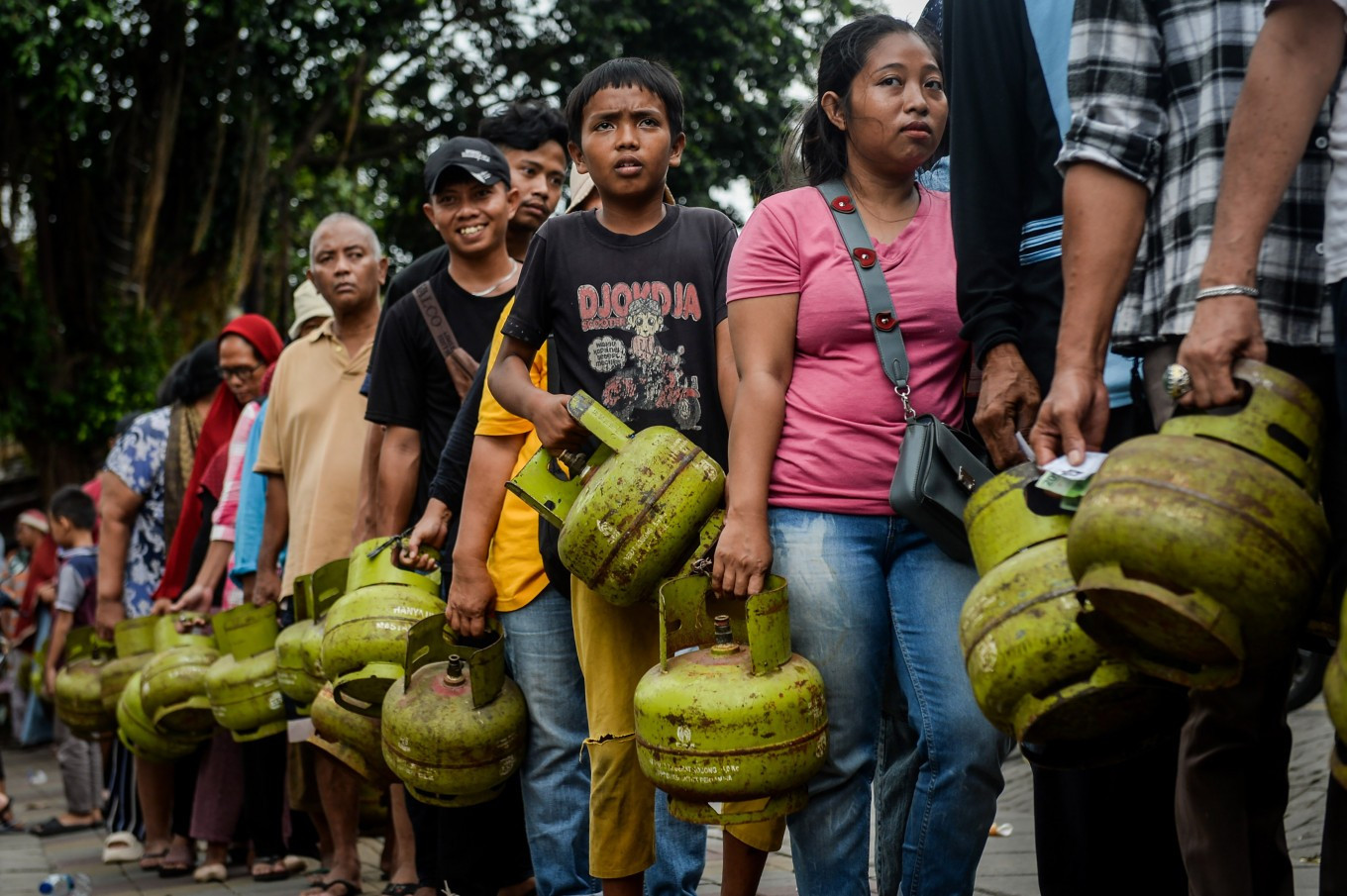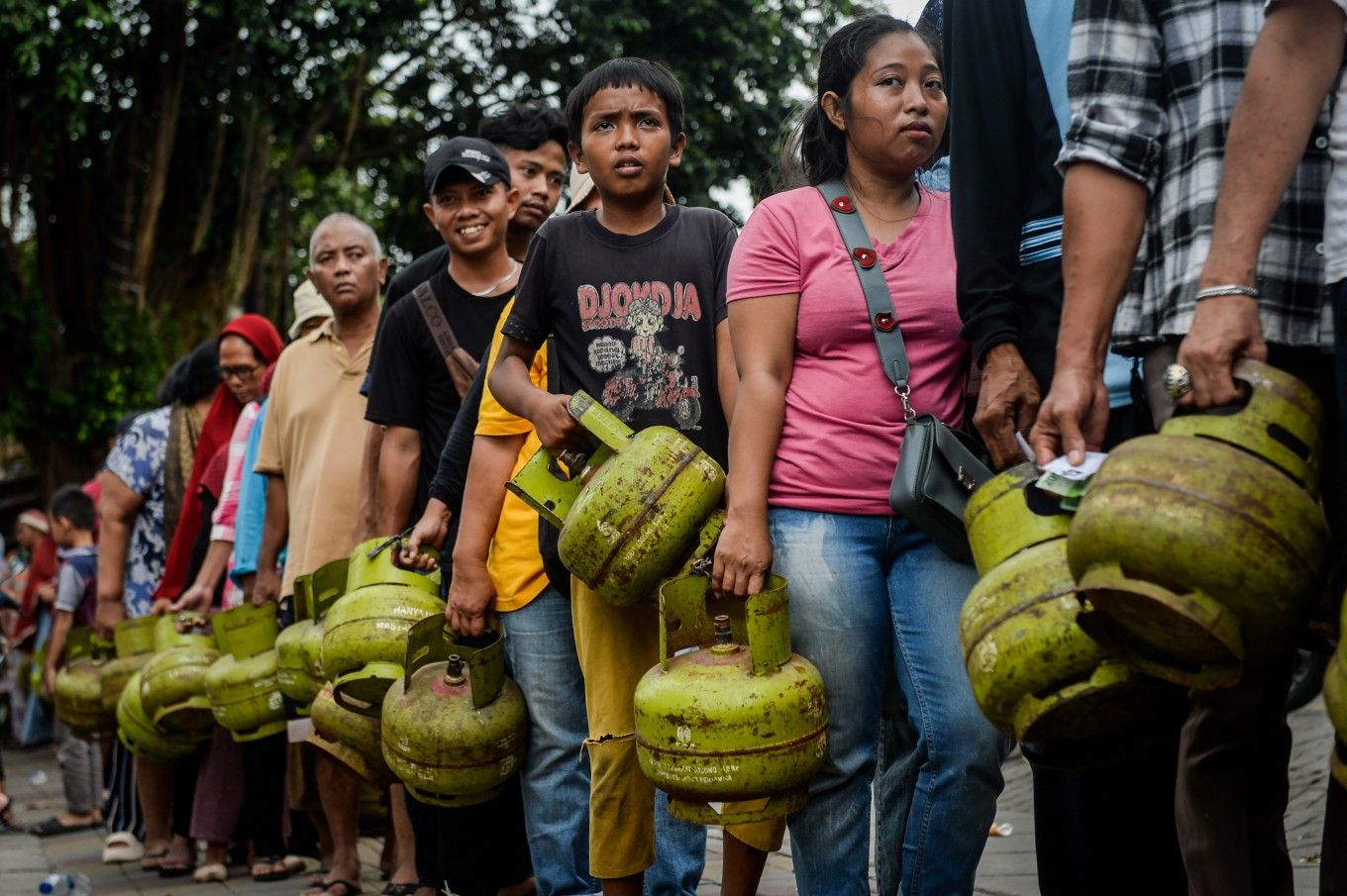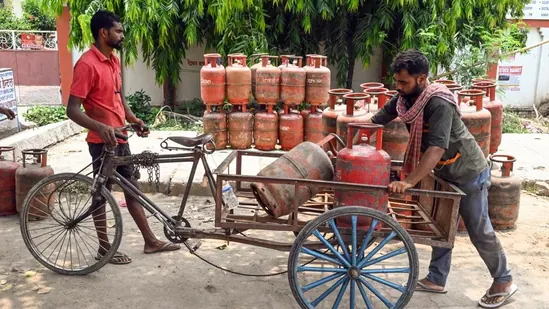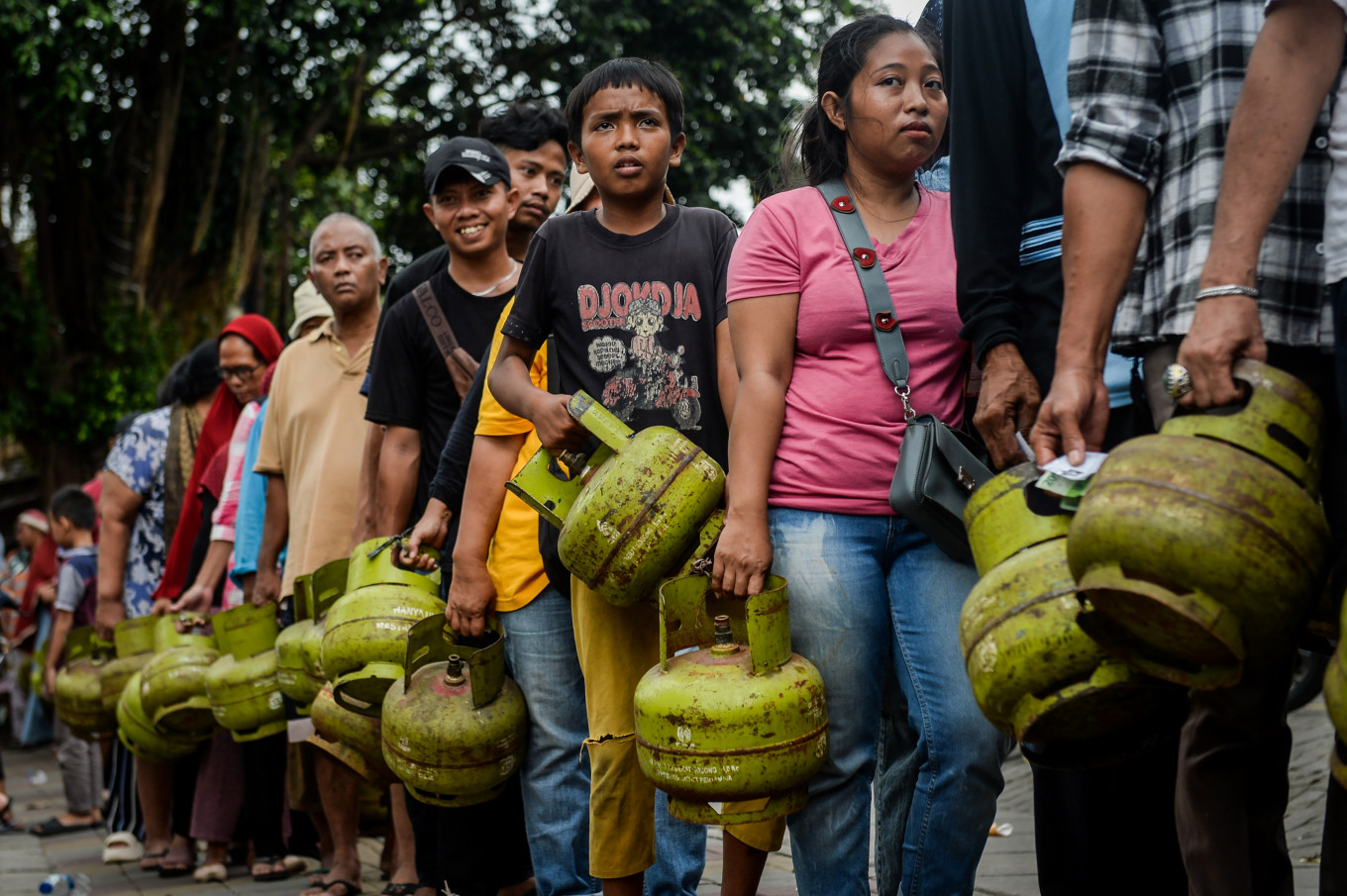
Every morning, roughly 74 million Indonesian households follow the same ritual: lighting a stove. Around 90 percent of them, or about 66 million households, rely on liquefied petroleum gas (LPG) as their primary cooking fuel, with most using the subsidized bright green 3-kilogram cylinder.What few realize is that they only pay a third of the true cost. The government quietly absorbs the rest, to the tune of over Rp 80 trillion (US$4.5 billion) a year. In 2025, the subsidized three‑kilogram green cylinder retail price of Rp 16,000, against an estimated market price of around Rp 48,000, with the state covering the full gap.
Ironically, Indonesia is a net exporter of natural gas, yet most of the LPG that households burn every day still has to be imported. In 2025, Indonesia imported about three‑fourths of its demand, roughly 7.5 million tons of LPG valued at $3.8 billion.
As of April 2026, the estimated market price of the three‑kilogram green cylinder rose to around Rp 57,000 due to United State-Israeli war with Iran pushing energy prices higher, while the subsidized retail price was maintained at Rp 16,000. If the government maintains the LPG three‑kilogram quota at 8.2 million tons, the subsidy burden could rise by 39 percent to Rp 117.7 trillion from Rp 80.3 trillion in this year’s state budget.