Home
Storia in 1 fonti
Analysis: Cooking up energy security: CNG or induction stoves? - Academia - The Jakarta Post
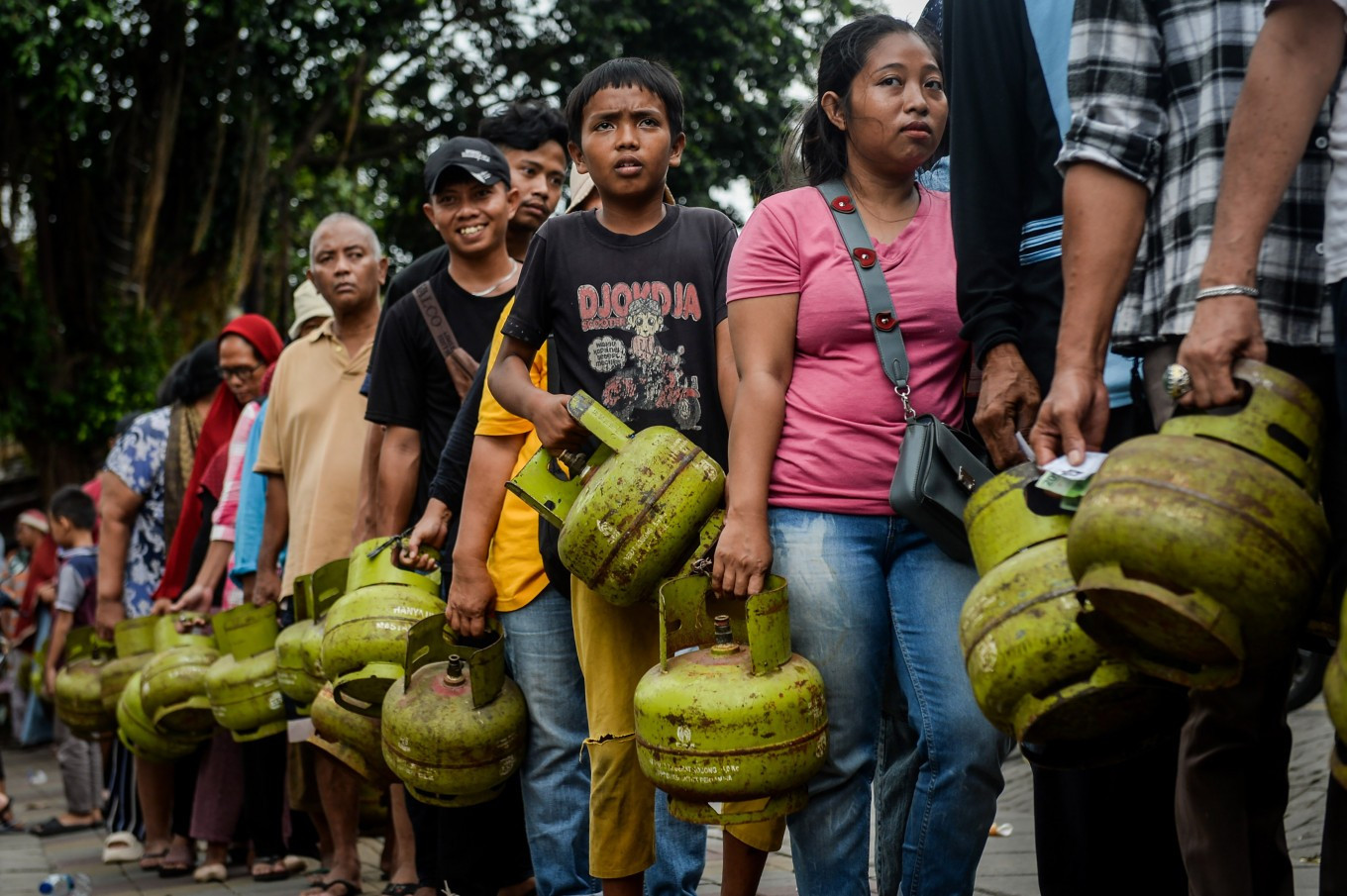
Amid rising geopolitical tensions and growing concerns over energy security, the government is considering phasing out liquefied petroleum gas (LPG) for cooking—around 80 percent of which is imported—by reviving a nationwide induction (electric) stove program. At the same time, policymakers are also exploring the replacement of subsidized LPG with compressed natural gas (CNG) canisters. Yet beyond the promise of reducing import dependence, the question remains: Who stands to benefit from these policy shifts?
Raccontata da thejakartapost.com