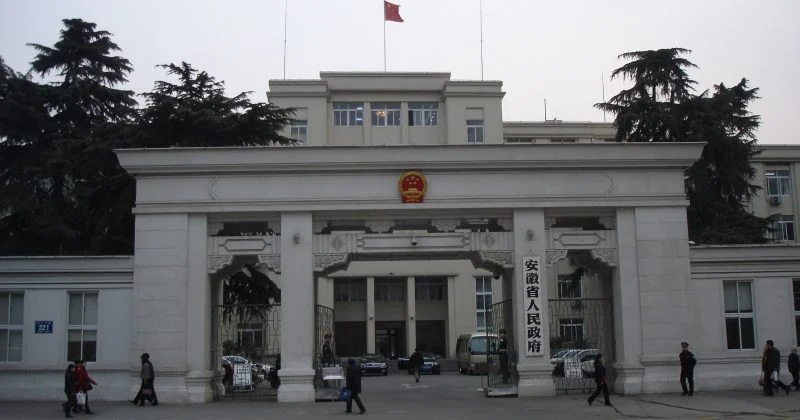
China’s provinces are closing in on a critical milestone in one of the largest debt restructuring exercises the world has ever seen. The country’s local governments have issued over 1.3 trillion RMB in refinancing bonds as of early May 2026, part of an ambitious program targeting 10-12 trillion RMB (roughly $1.4-$1.7 trillion) in total resources by 2028.
The hidden debt problem, explained
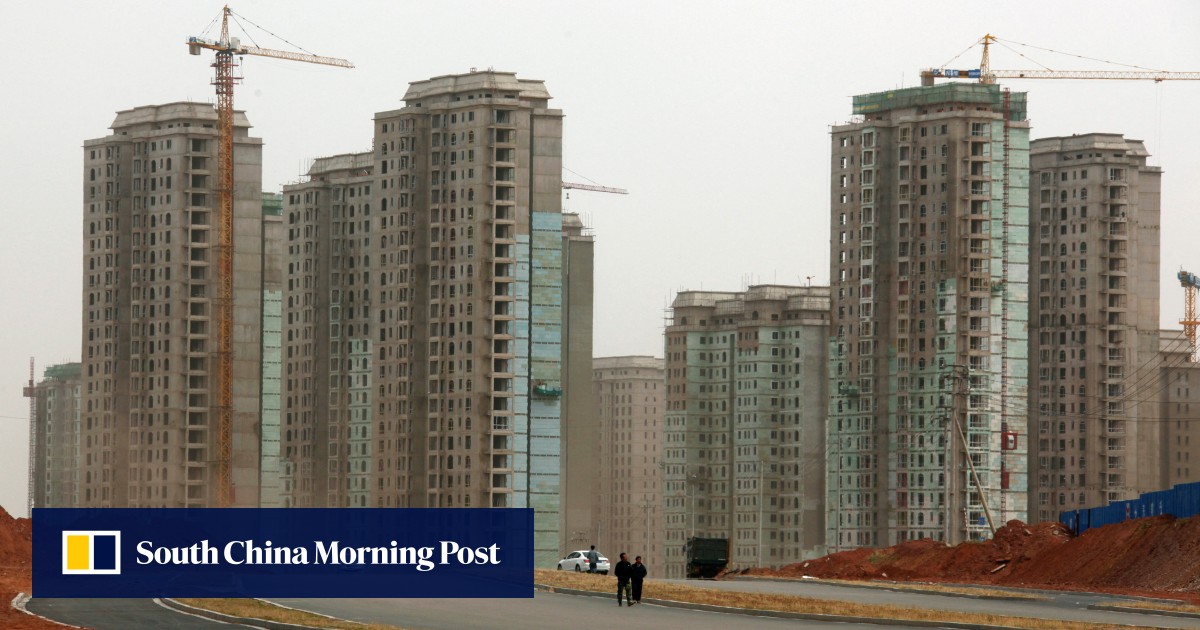
For years, Chinese local governments funded infrastructure through off-the-books borrowing vehicles called local government financing vehicles, or LGFVs. Think of them as shadow credit cards that provinces used to build highways, airports, and housing developments without the debt showing up on official balance sheets.
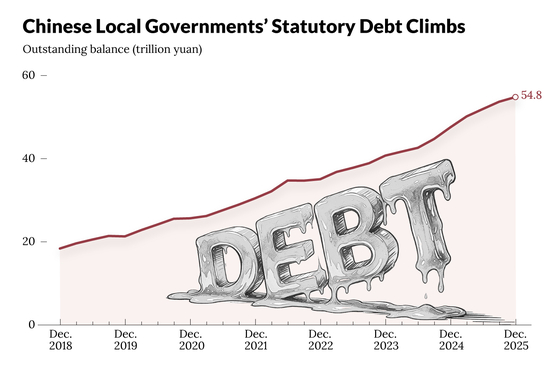
At the end of 2023, hidden debts across Chinese provinces sat at approximately 14.3 trillion RMB. By the end of 2024, that figure had dropped to about 10.5 trillion RMB. By the close of 2025, it fell further to 7.4 trillion RMB.
The program officially launched in November 2024, with annual quotas set at 2 trillion RMB for 2024 through 2026, and additional bond allocations extending through 2028. Some provinces have been so aggressive that they hit their 2025 annual targets early. Inner Mongolia, previously flagged as a high-risk region, managed to exit the central government’s monitoring list entirely during 2025.