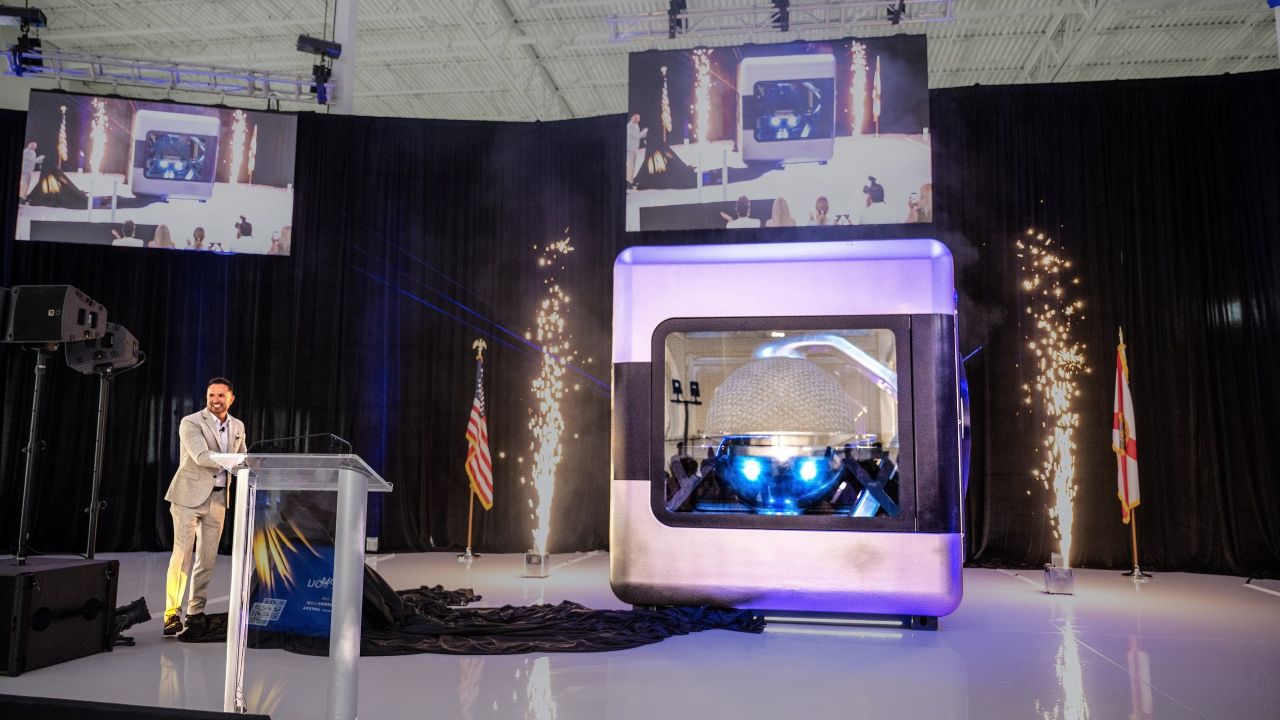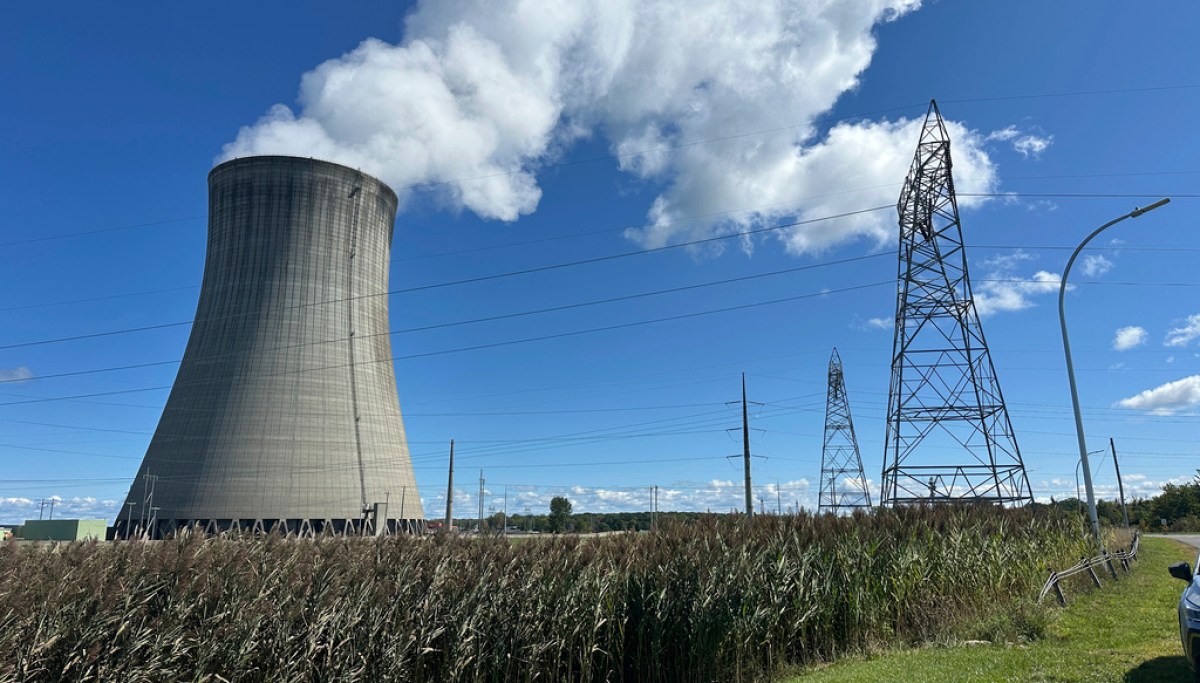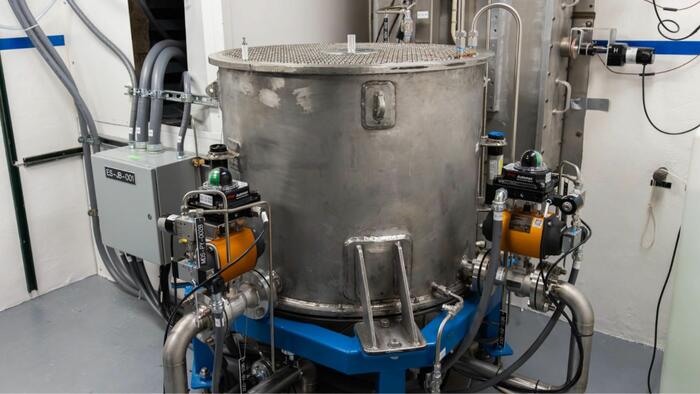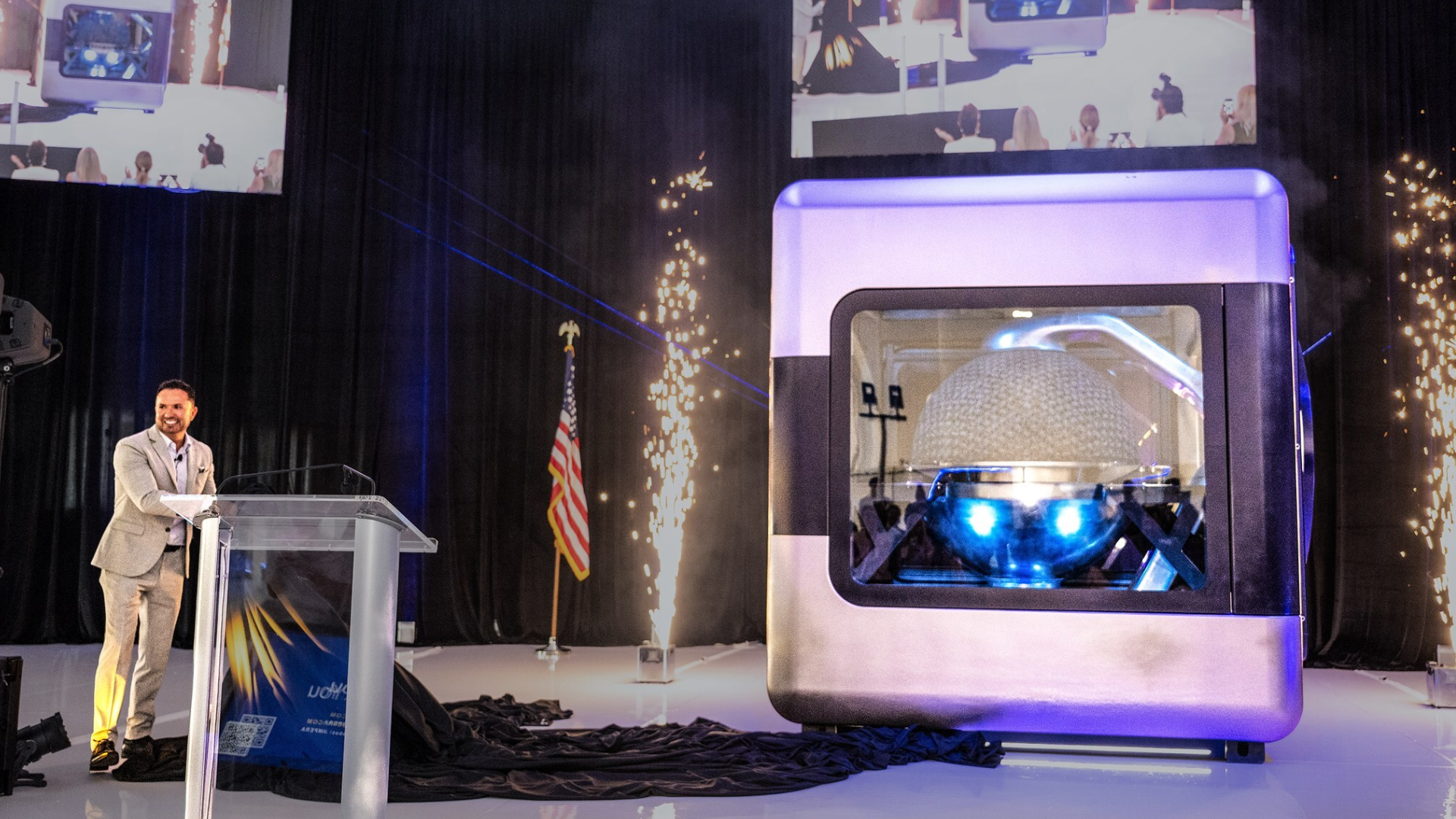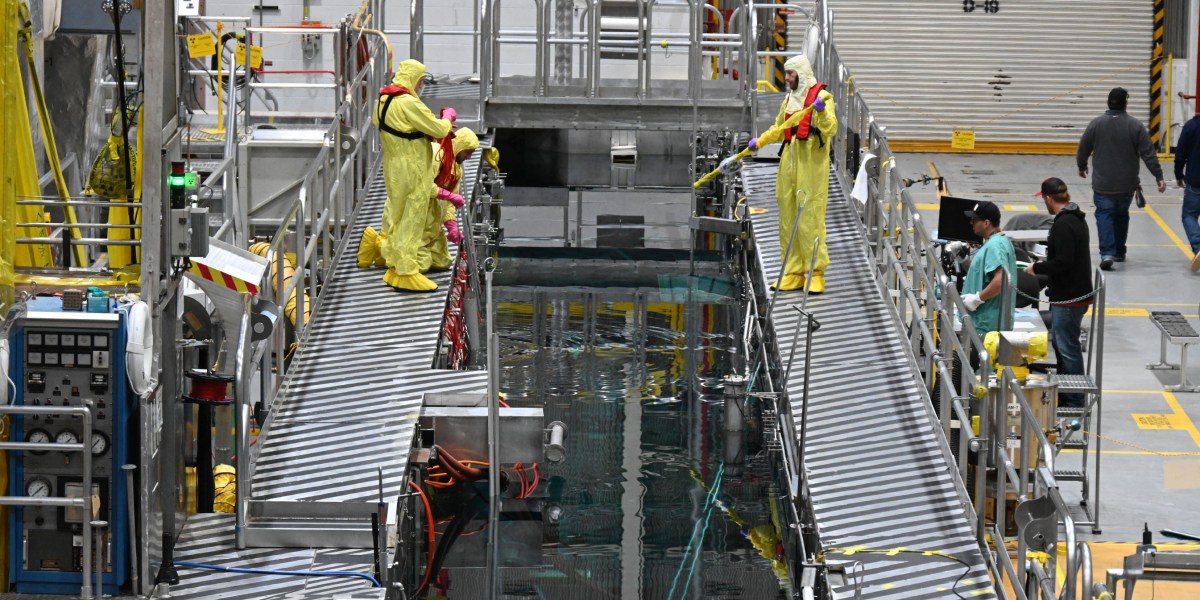
A United States firm just got one step closer to realizing the development of a thorium reactor – using a 3D printer. The Florida-based advanced nuclear energy company AMPERA successfully fabricated a nuclear reactor module using a 3D printer, which will serve as the basis for what the firm hopes will be the first thorium-powered nuclear power system that is entirely factory-built, subcritical, and solid-state.“This next-generation nuclear core and pressure vessel sets the foundation for factory-built, mass-produced nuclear energy,” Brian Matthews, Founder and CEO of AMPERA, was recently quoted by Interesting Engineering. “The advanced technology and additive manufacturing used demonstrate a clear commercial path for new nuclear technology coming to market in an accelerated manner.”Thorium reactors have gained increasing attention in recent years as a potential solution to the compounding crises faced by the global energy sector – climate change, intensifying geopolitical conflicts, and the AI boom, to name a critical few. This polycrisis is driving a global nuclear energy resurgence as world leaders and the public reconsider the technology's myriad benefits. But nuclear power still has some critical drawbacks standing in the way of an all-out renaissance. And thorium could be the answer to at least some of these issues.For one thing, thorium reactors are considered to be safer than traditional uranium-powered reactors for a few reasons. It has lower potential for nuclear meltdown, as it limits its own rate of nuclear reaction. It's also far less weaponizable than its counterpart, and has a shorter radioactive half-life, reducing its hazardous potential once it's spent. And while 3D printing may not inspire the most infrastructural confidence, the makers of the new thorium reactor module say it's quite safe.“The physical configuration achieves passive safety operational profiles by relying on subcritical physics variables and inherent material limitations,” Interesting Engineering reports. “The structural design curtails the necessity for active safety mechanisms, electronic trip switches, or manual operator control interventions during an operational deviation.”In addition to its relative safety, thorium is also far more accessible and abundant than uranium. This could help establish greater geopolitical security for nuclear energy supply chains, which are currently heavily concentrated in the hands of some very volatile players. At present, uranium supply chains are dominated by Russia, which is home to nearly half (approximately 44 percent) of all global uranium enrichment capacity.“The nuclear energy supply chain sits atop the clean technology risk pyramid,” warned a recent article from the Carnegie Endowment for International Peace. “Beyond standard supply chain considerations, nuclear exports are subject to a suite of safety and security concerns, and overreliance on a single technology or fuel provider can create significant dependencies given the limited number of suppliers and distinct intellectual property (IP).”Creating a thorium reactor on U.S. soil would therefore be a major win for the country's energy security agenda as well as the Trump administration's desire to “produce lasting American dominance in the global nuclear energy market.” Scientists at the United States' Oak Ridge National Laboratory have been working diligently to discover next-gen nuclear technologies, including through 3D printing and artificial intelligence.However, despite the United States' best efforts, China is handily winning the nuclear energy race. And that includes thorium reactors. China claims to have already built an operational thorium-based molten salt reactor (TMSR). The Communist Party secretary and deputy director at the Shanghai Institute of Applied Physics recently alleged that the reactor “first criticality on October 11, 2023” and has since been “steadily generating heat through nuclear fission”.While there is no external confirmation that this timeline is accurate, it's beyond debate the China is moving toward nuclear power development and innovation at a furious pace. “The Chinese are moving very, very fast,” Mark Hibbs, senior fellow at the Carnegie Endowment for International Peace and expert on the Chinese nuclear sector, recently told the New York Times. “They are very keen to show the world that their program is unstoppable.”By Haley Zaremba for Oilprice.comMore Top Reads From Oilprice.comUS Crude Oil, Product Inventories Fall Even As Hormuz Traffic Begins to FlowTrump Targets California Again In SpaceX FeudOil Prices Surge 6% Even as Tankers Push Through Hormuz
America's Answer to China's Molten Salt Reactor | OilPrice.com
Florida startup AMPERA 3D-printed a thorium reactor core as the US races to catch up with China's advanced nuclear ambitions.
681 words~3 min read