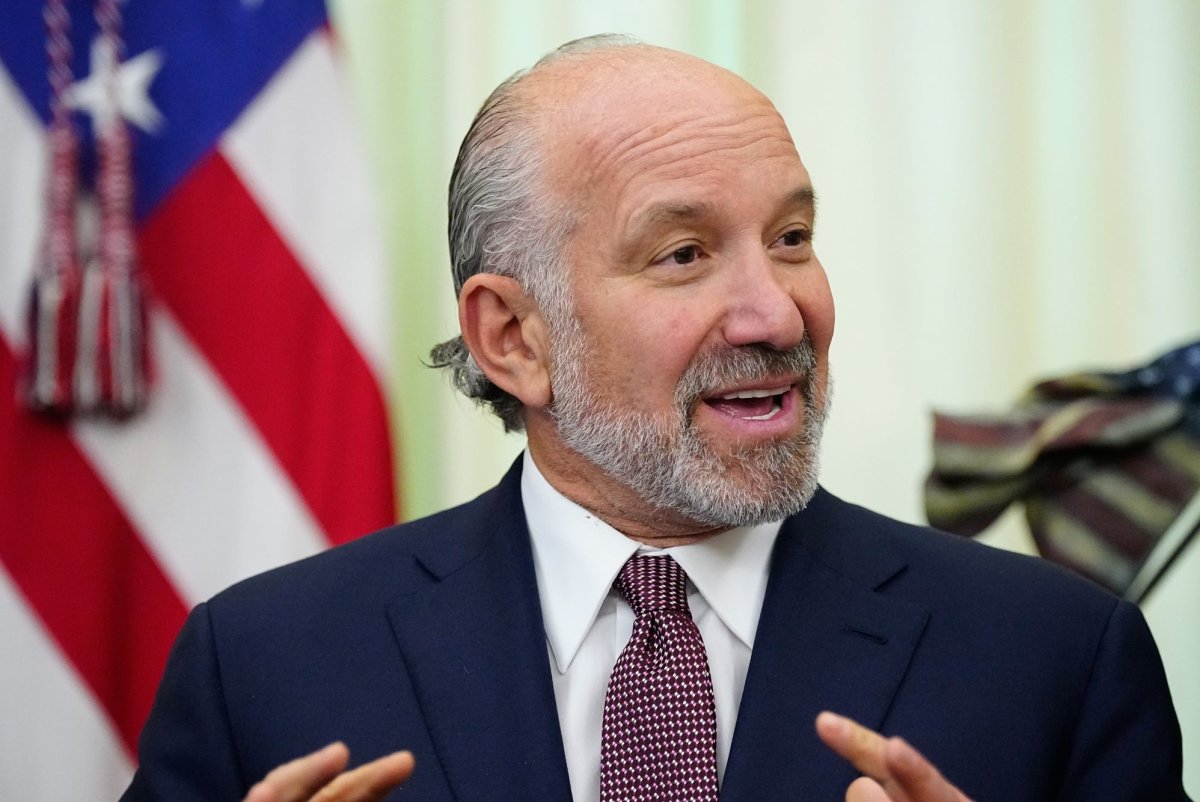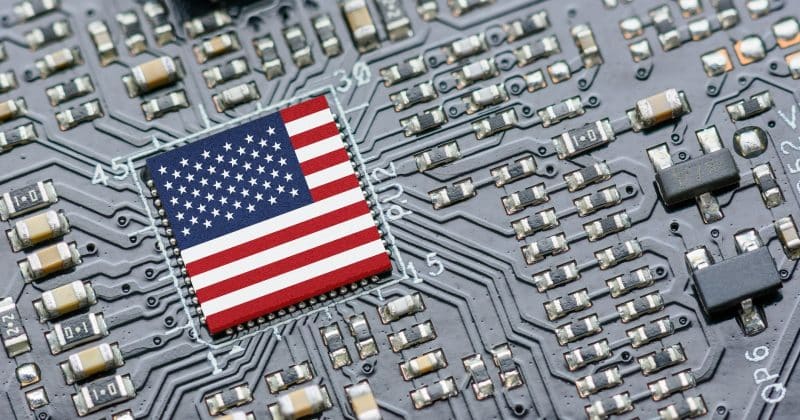
The US government has officially lost patience with relying on overseas memory chip producers. Commerce Secretary Howard Lutnick is pushing Samsung Electronics and SK Hynix, the two dominant players in global memory chip manufacturing, to build out production capacity on American soil.
In January 2026, Lutnick made clear that memory producers faced a binary choice: build in America, or absorb a 100% tariff on chips sold into the US market.
Why memory chips, and why now
Memory chips are not the flashy part of the semiconductor conversation. That spotlight usually goes to the advanced logic chips made by TSMC and Intel. But DRAM, HBM, and NAND flash are the workhorses of every server, smartphone, and car on the planet, and the US currently produces almost none of them domestically.
DRAM prices surged over 60% in 2025, driven almost entirely by data centers racing to build AI infrastructure. By the end of 2026, data centers are projected to consume roughly 70% of global memory chip output. That leaves automotive manufacturers, consumer electronics companies, and industrial buyers competing for what is left.