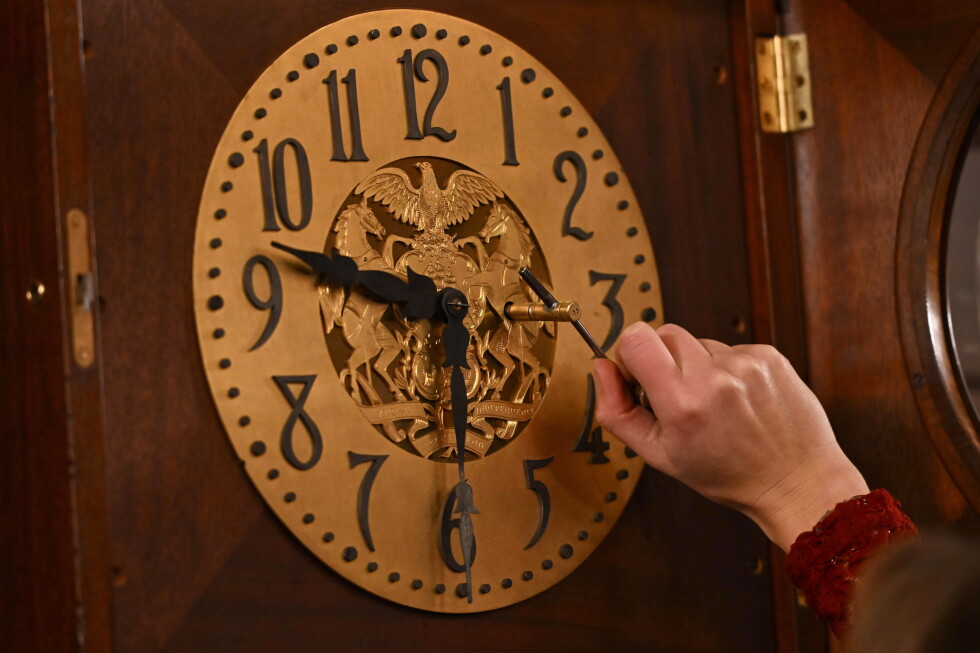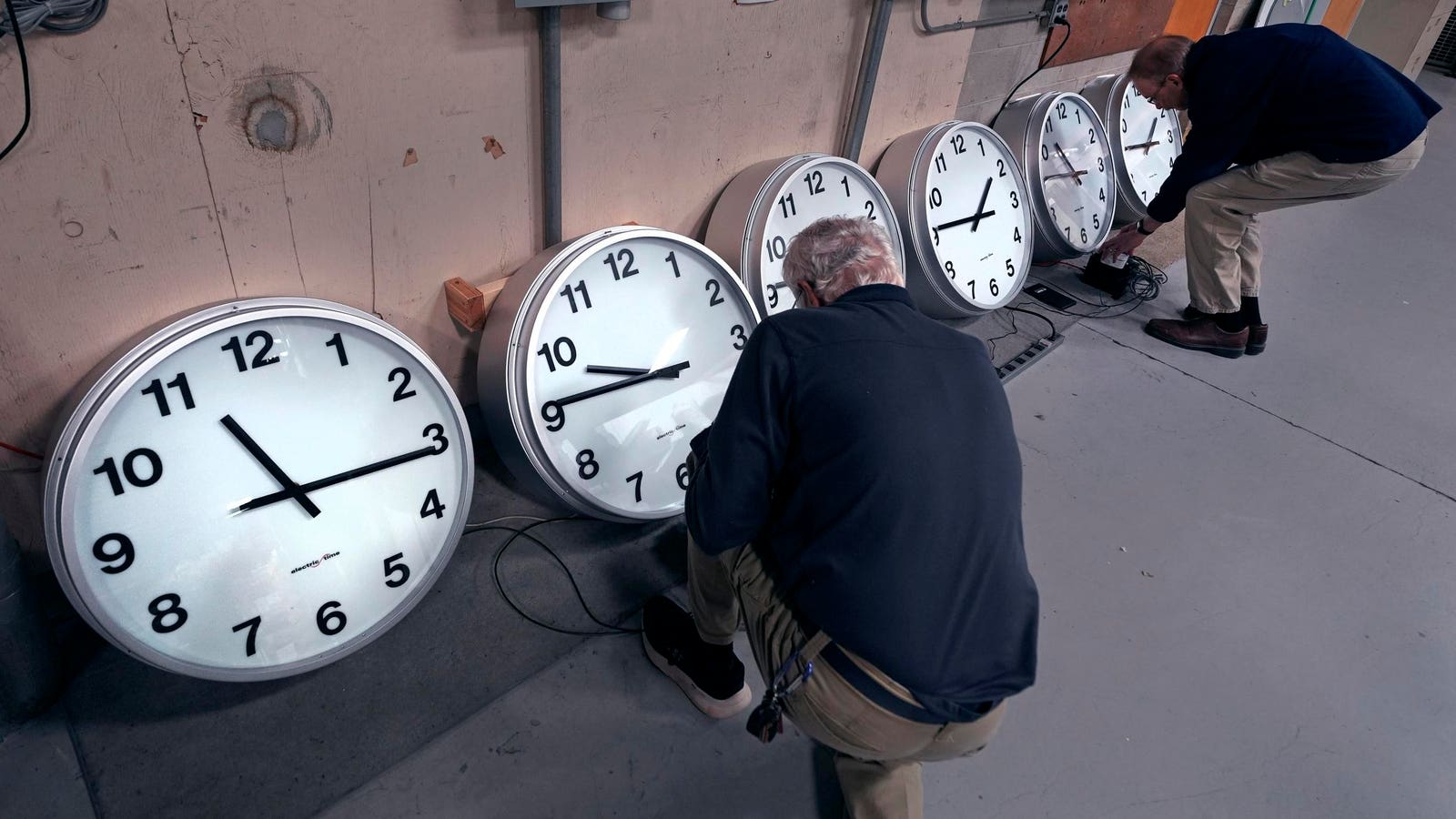
In 2022, international timekeepers voted to phase out the leap second—an extra tick of time added to account for Earth’s erratic rotation. But as our planet’s spin grows weirdly faster, timekeepers are seriously considering introducing a larger fix: the leap hour. Every four years, scientists and timekeeping authorities convene at the General Conference on Weights and Measures (CGPM) to discuss relevant news about standards for maintaining the Coordinated Universal Time (UTC). After abandoning leap seconds in 2022, the conference resolved to decide on an alternative with a higher time limit by 2035. However, due to recent upticks in Earth’s rotation rate, timekeepers are having to reckon with negative leap seconds—the consequences of which are prompting authorities to find a solution before the 2035 deadline. And one viable solution is to replace the leap second with the leap hour. Timekeepers will vote on this idea during the next CGPM, which will be held in October this year.
“We estimated that if we wait till 2035, we have 30 percent risk of a negative leap second,” Patrizia Tavella, director of the time department at the International Bureau of Weights and Measures (BIPM), told Scientific American. Why the hurry? A full day on Earth—the time it takes for our planet to complete one rotation on its axis—lasts approximately 86,400 seconds. But factors such as the Sun’s position or the Moon’s orbits can create small variations, which humanity is much more privy to thanks to advances in scientific technology. In 1972, the BIPM introduced a leap second to account for the tiny discrepancies between UTC and UT1, or astronomical time.