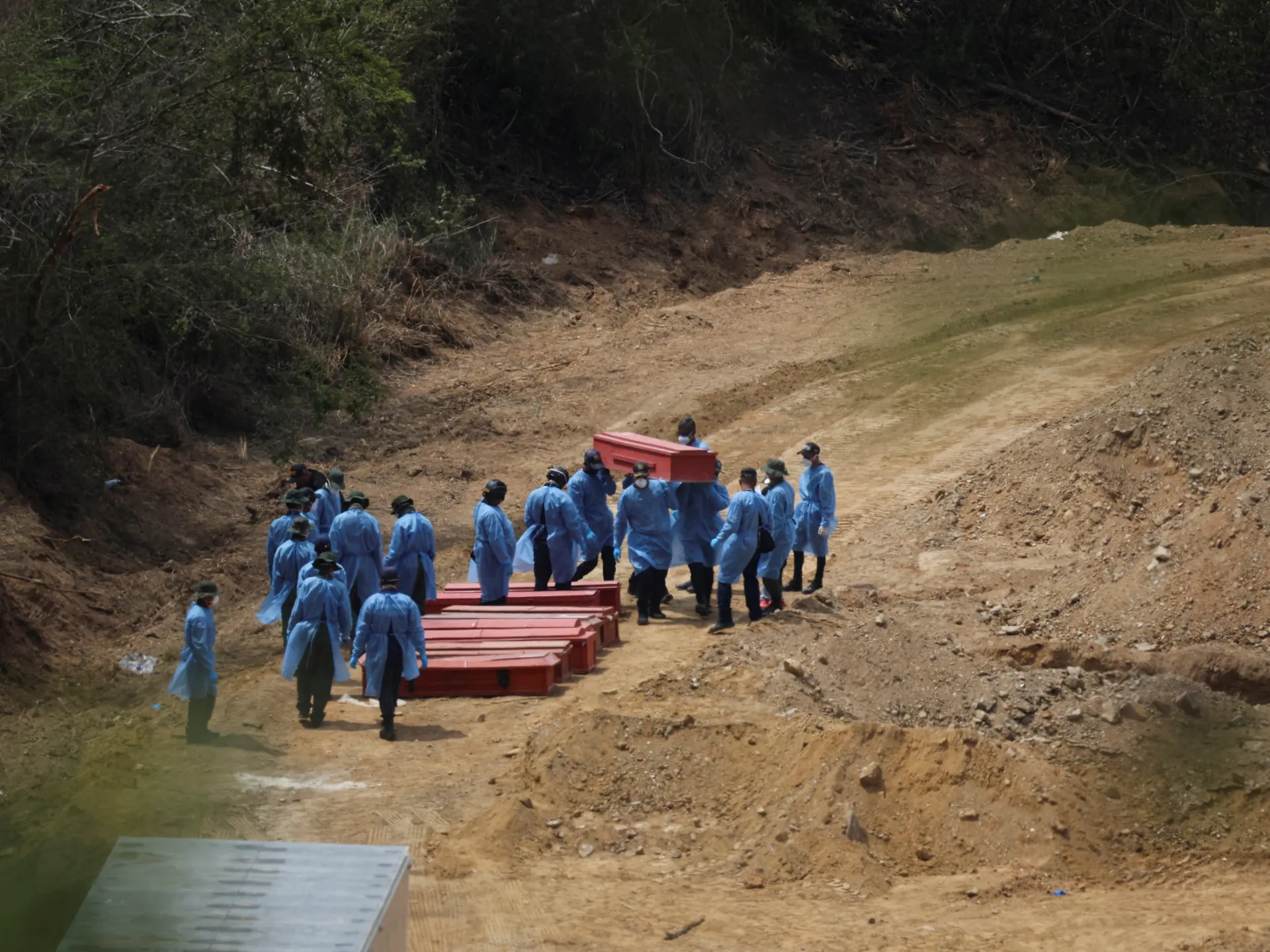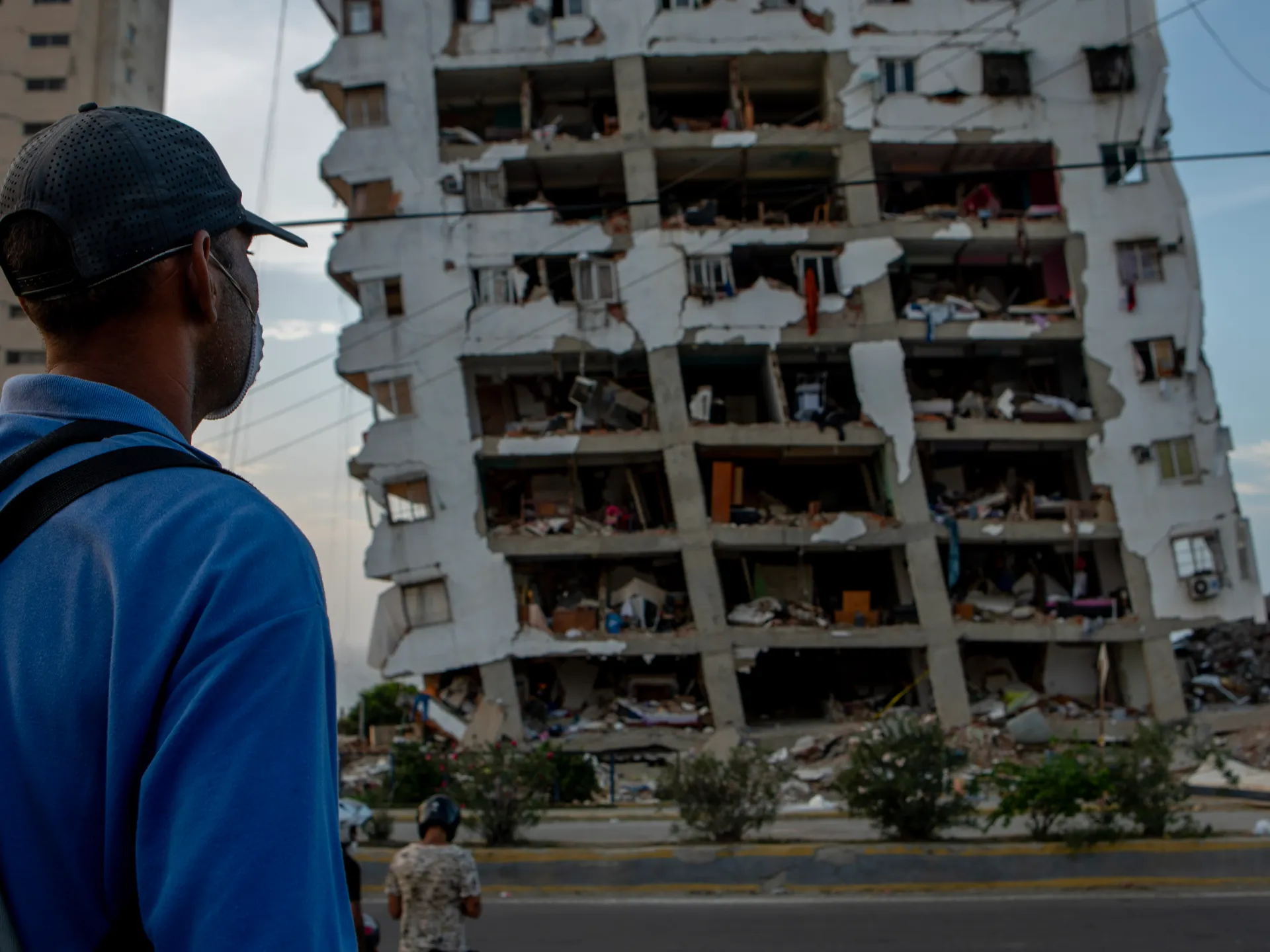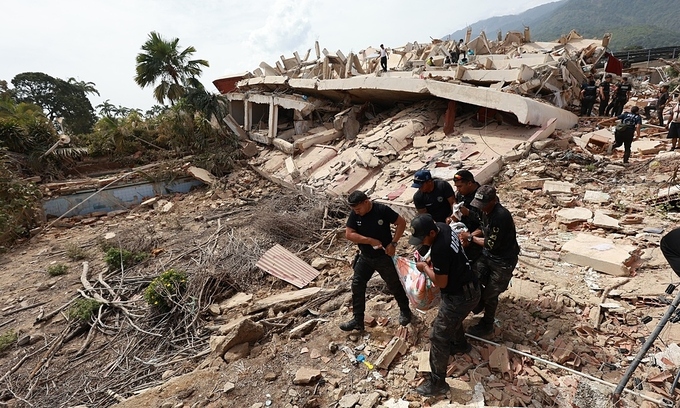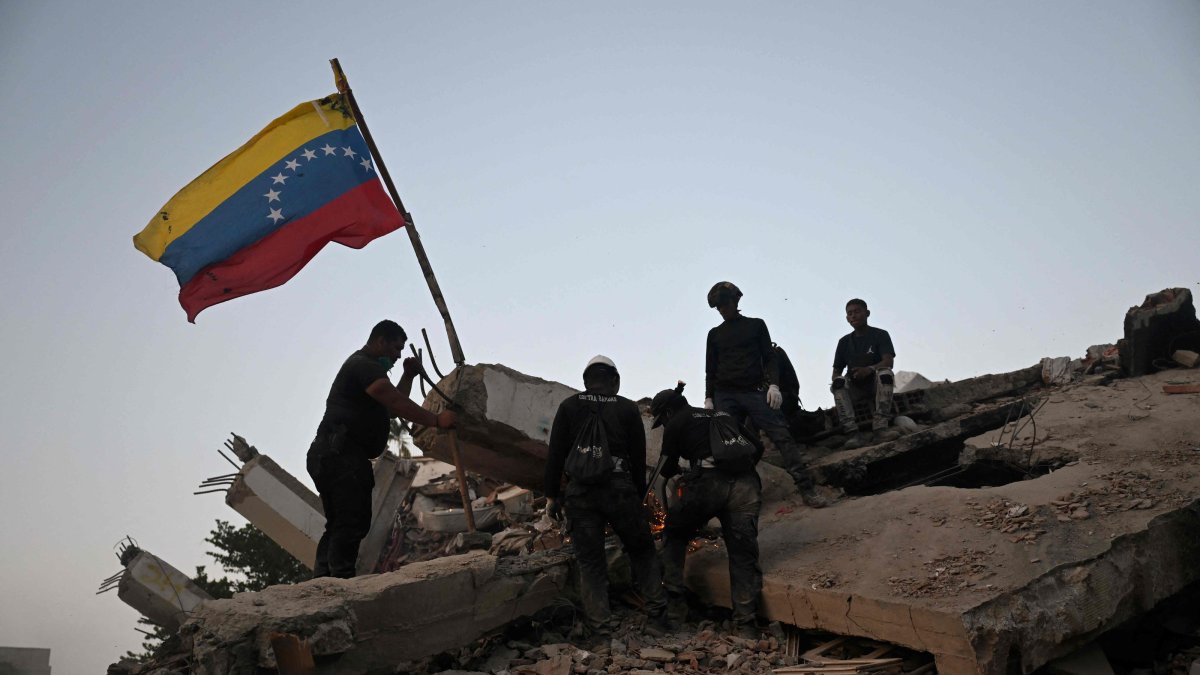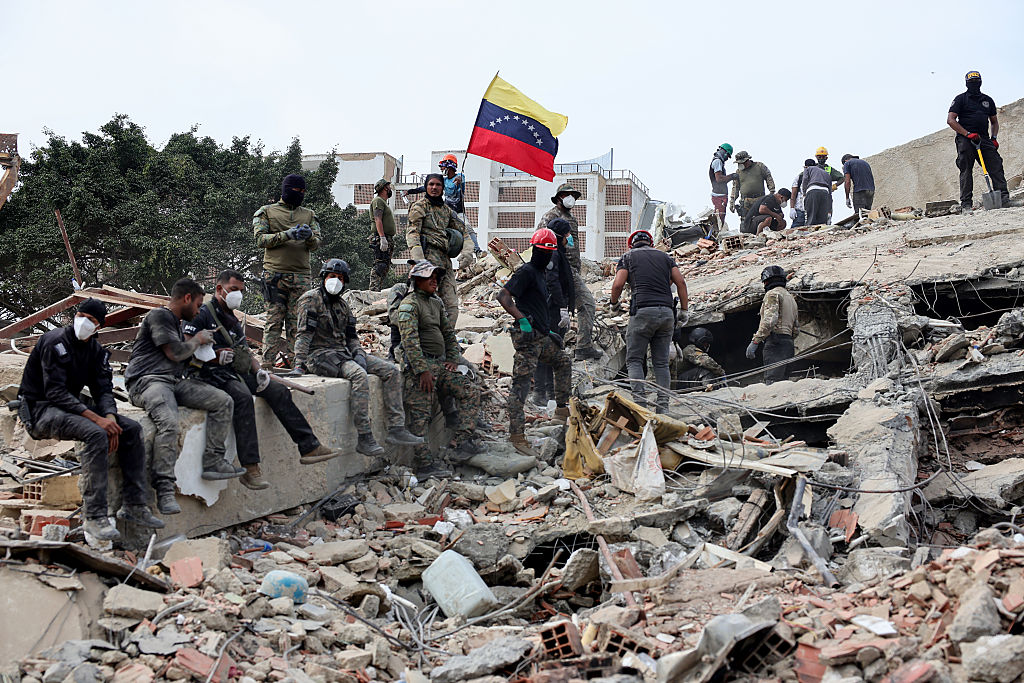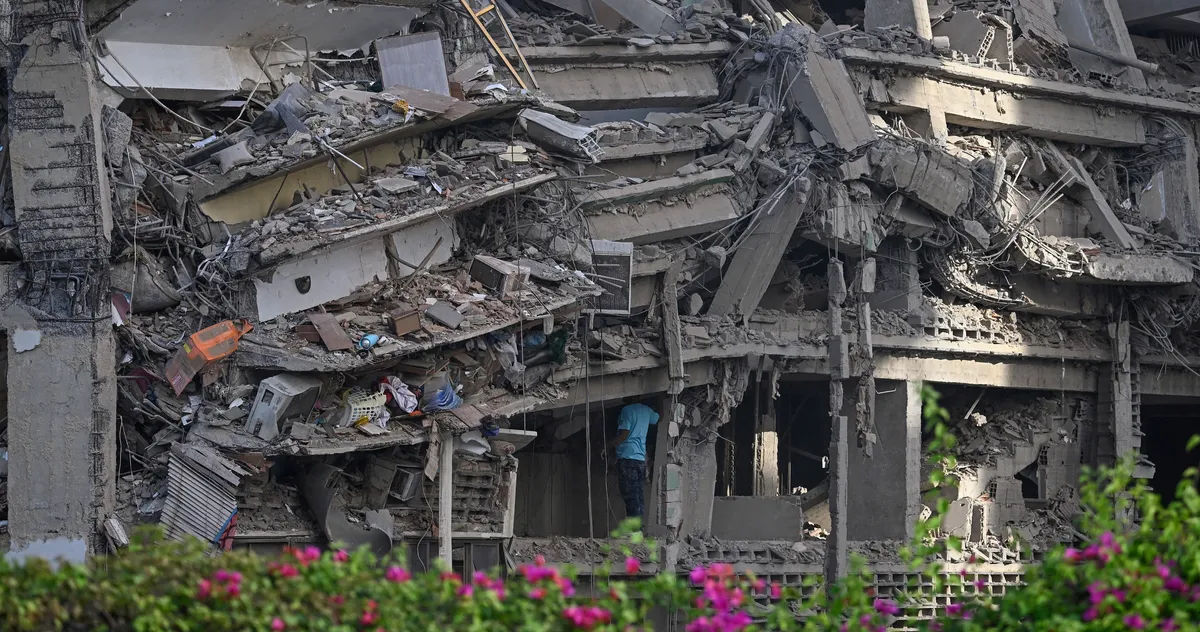
Following the June 24 twin earthquakes, magnitudes 7.2 and 7.5, that struck northern Venezuela 39 seconds apart, the death toll now stands above 3,500 people, with tens of thousands more missing. Some 8.6 million people were exposed to moderate-to-severe shaking, including approximately 2.1 million who experienced the strongest shocks. Thousands of Venezuelans abruptly rendered homeless have since poured into parks, plazas, and even the shoulders of blocked highways in search of a place to rest. This adds a compounded layer of crisis to a nation of approximately 30 million already grappling with decades of economic struggle.
I share this with a U.S. healthcare audience because the physiology and psychology of disaster displacement don't stop at any border. The patients you see after a hurricane evacuation in Florida, a wildfire in California, or a flood in the Midwest are living a version of what I'm about to describe, and the clinical lesson applies directly to your practice.
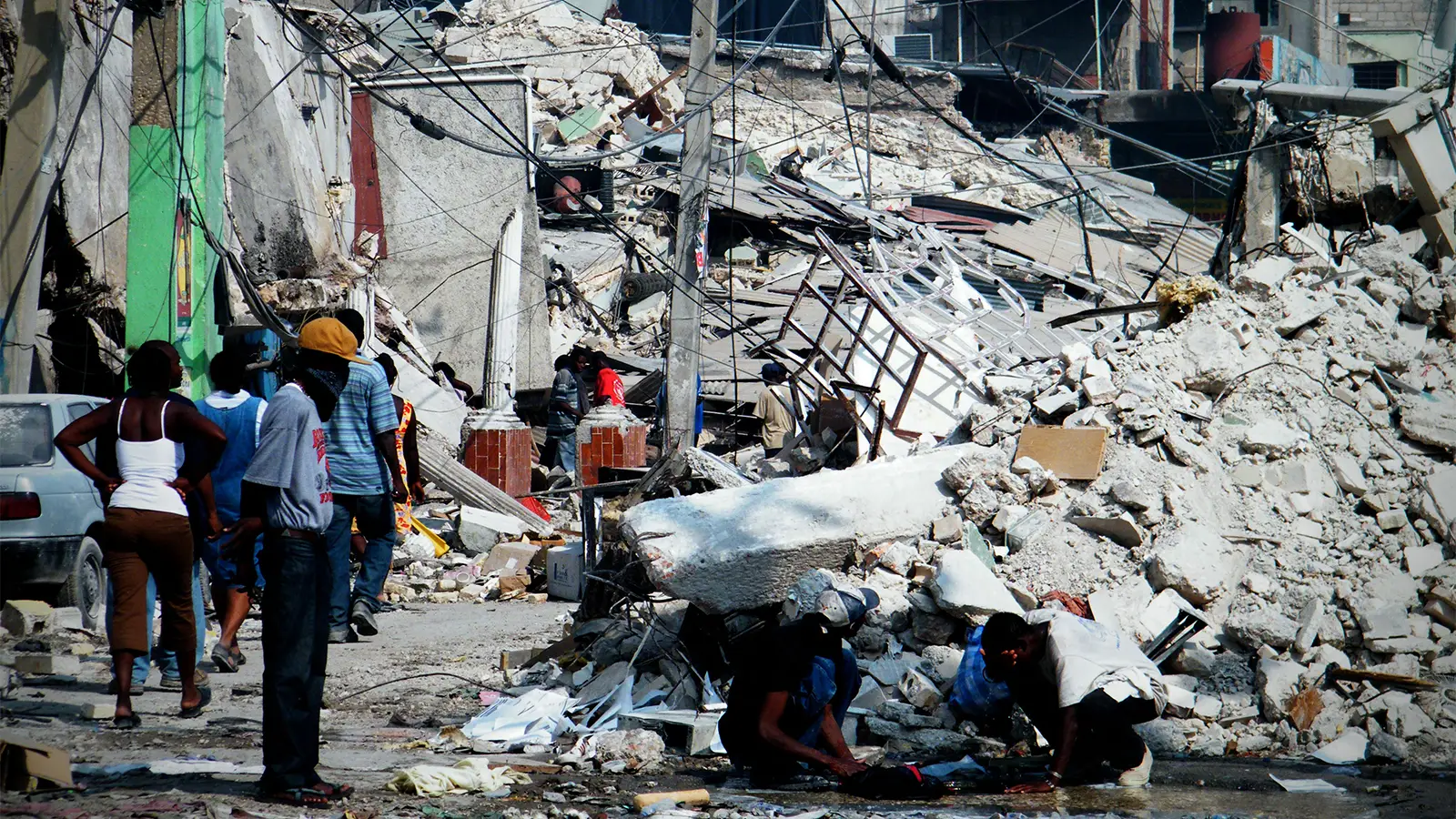
As images of devastation are displayed all over the internet, with reports indicating that several mothers died shielding their babies from collapsing buildings, it brought back memories of my traumatic experience of the devastating 2010 Haiti earthquake that killed over 220,000 people, injured 300,000, and destroyed hundreds of schools and the country's economy.