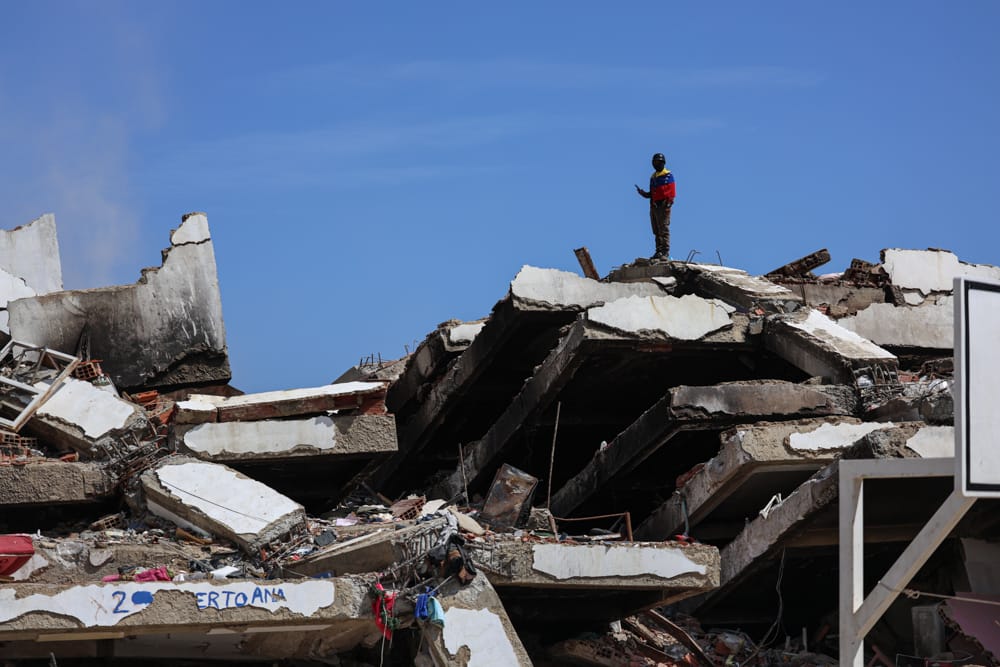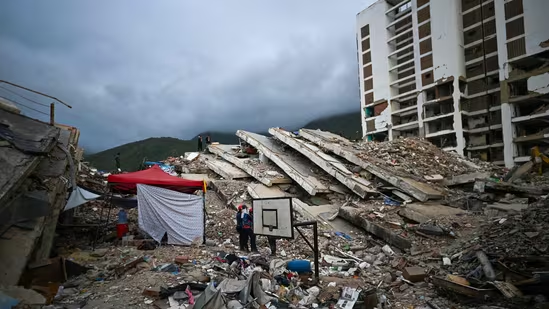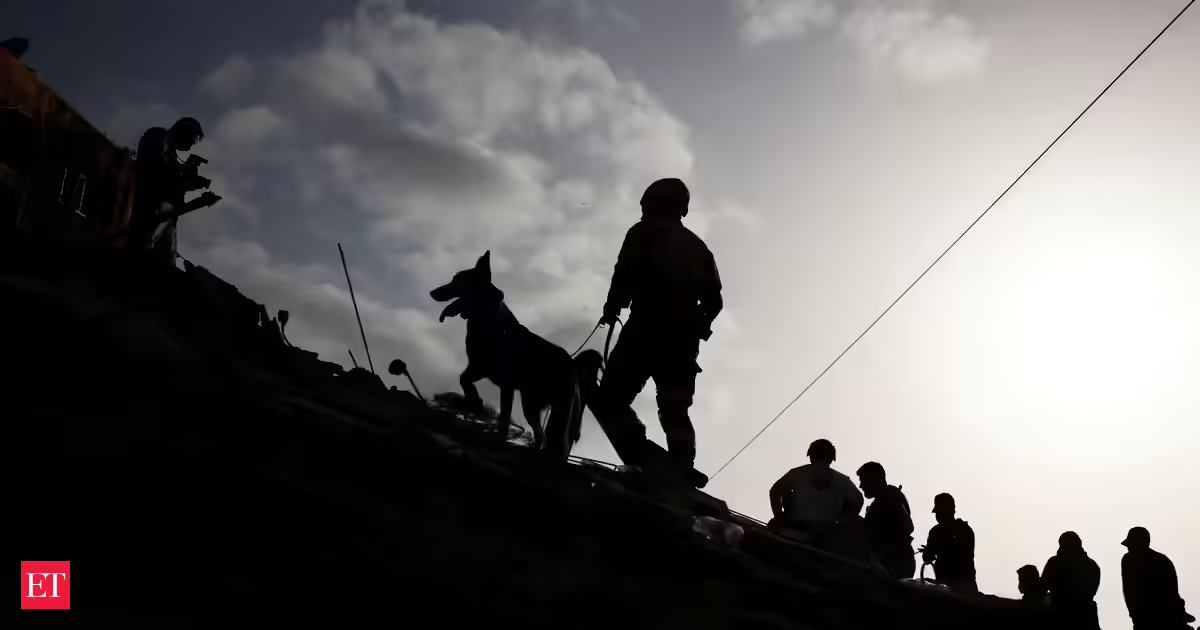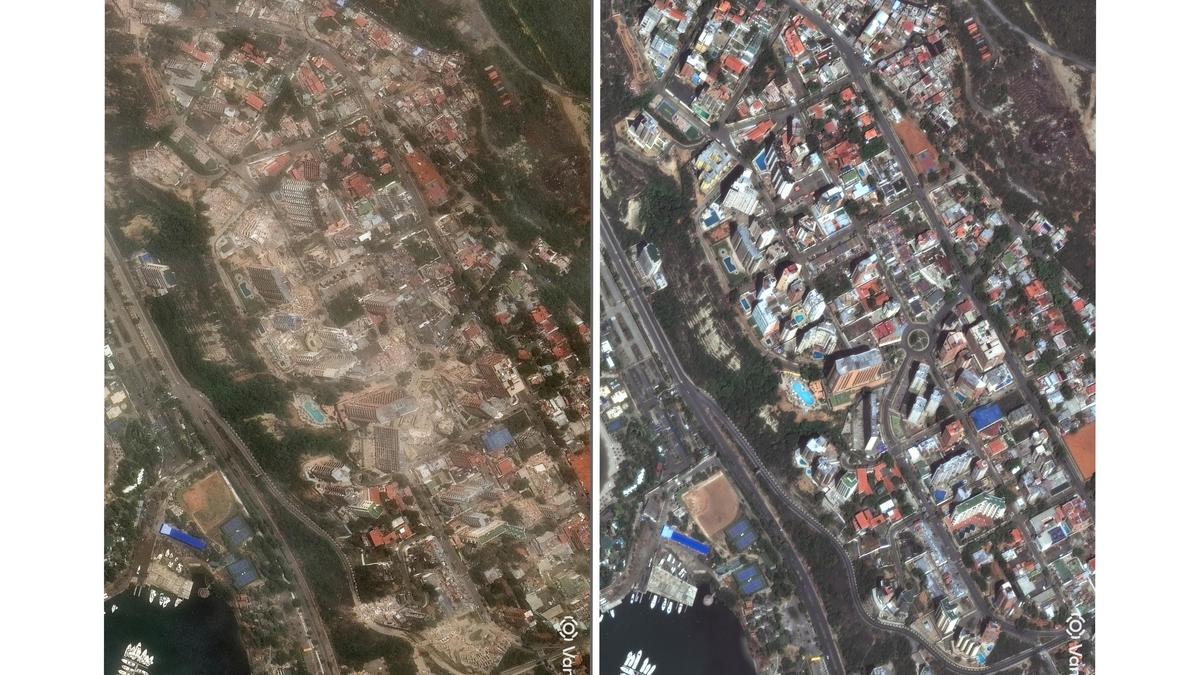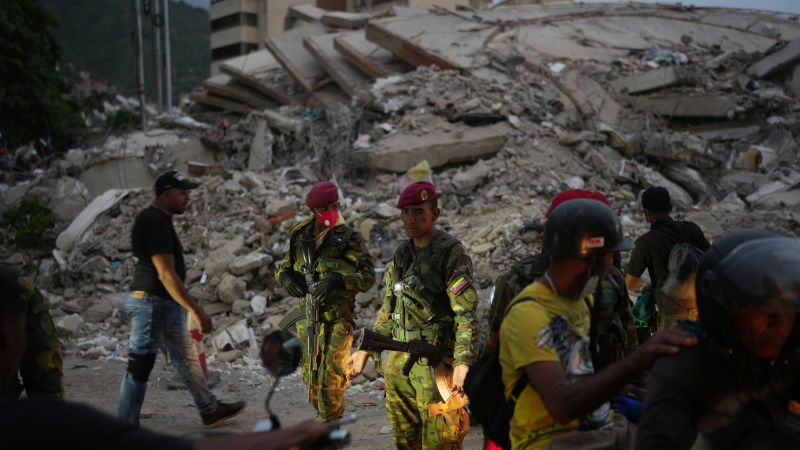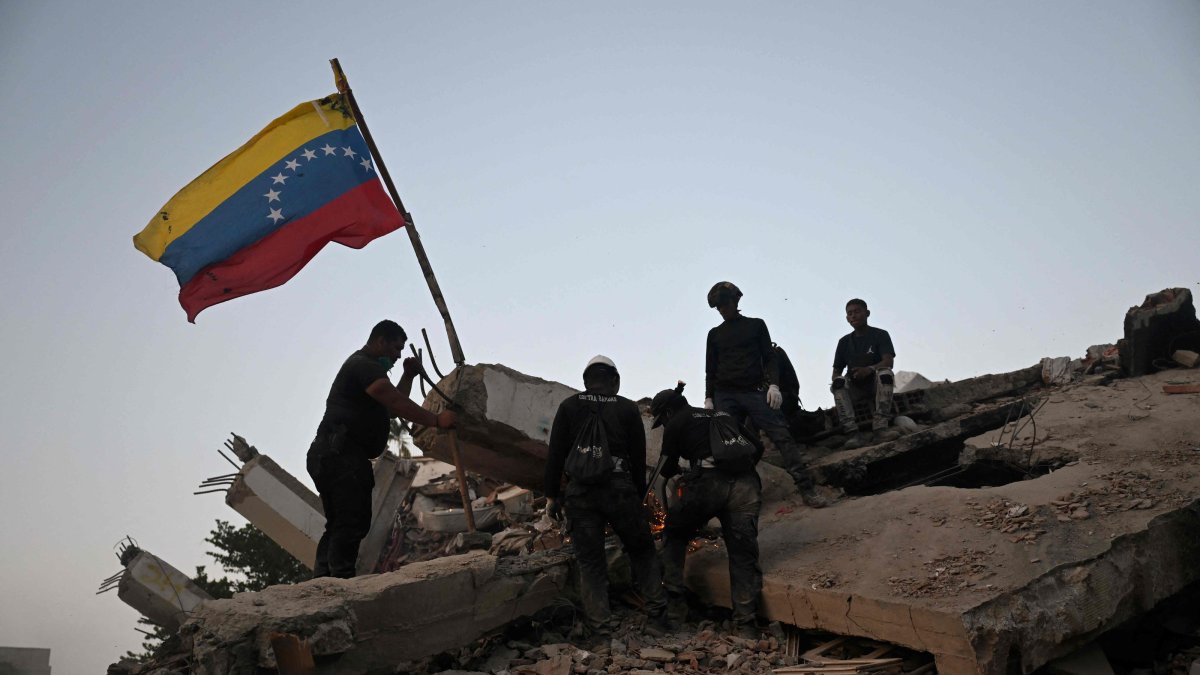
One month after twin earthquakes tore through north-central Venezuela, the numbers are staggering: More than 5,300 confirmed dead, nearly 16,700 injured and almost 18,000 people still without a permanent home. These figures will keep rising as search teams continue to dig.
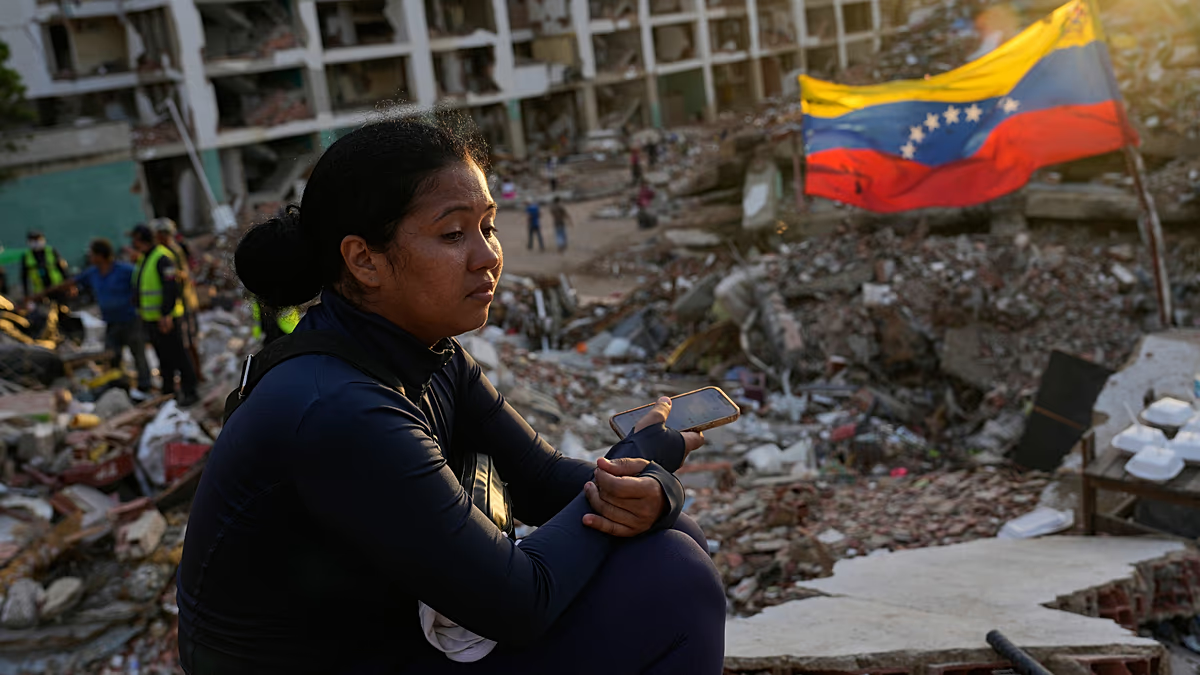
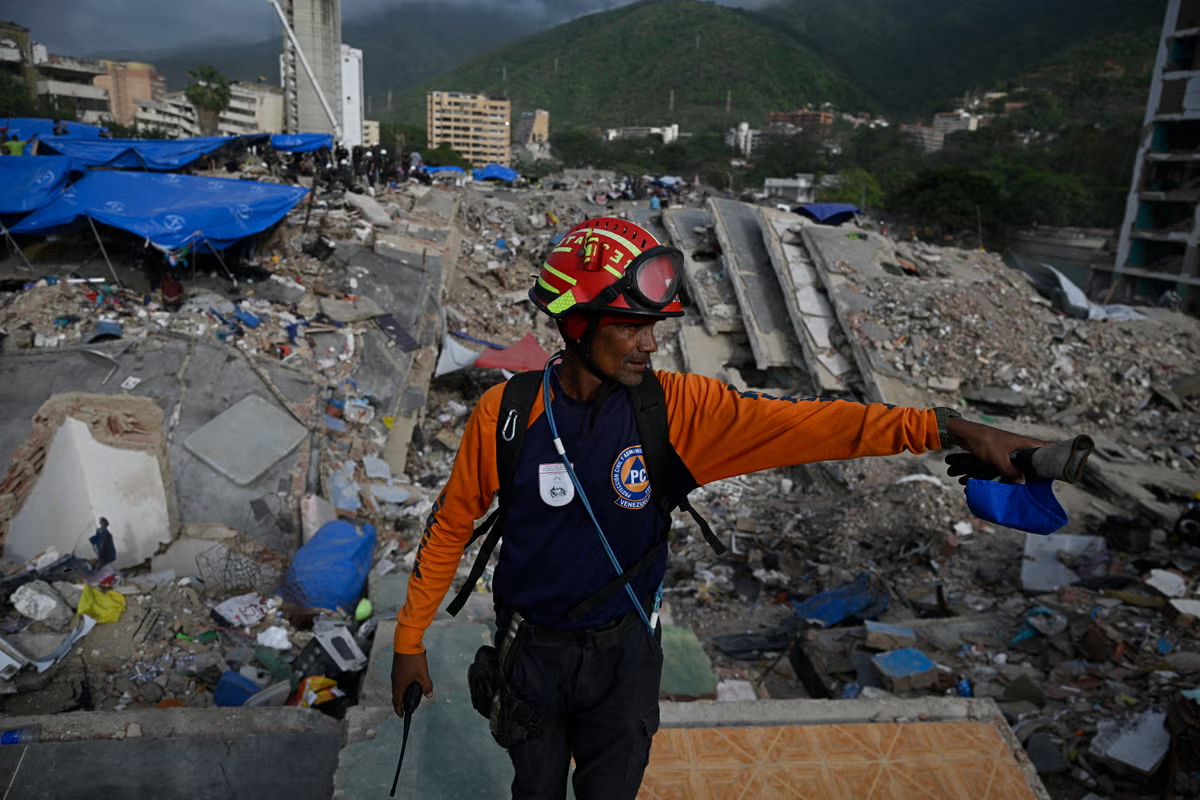
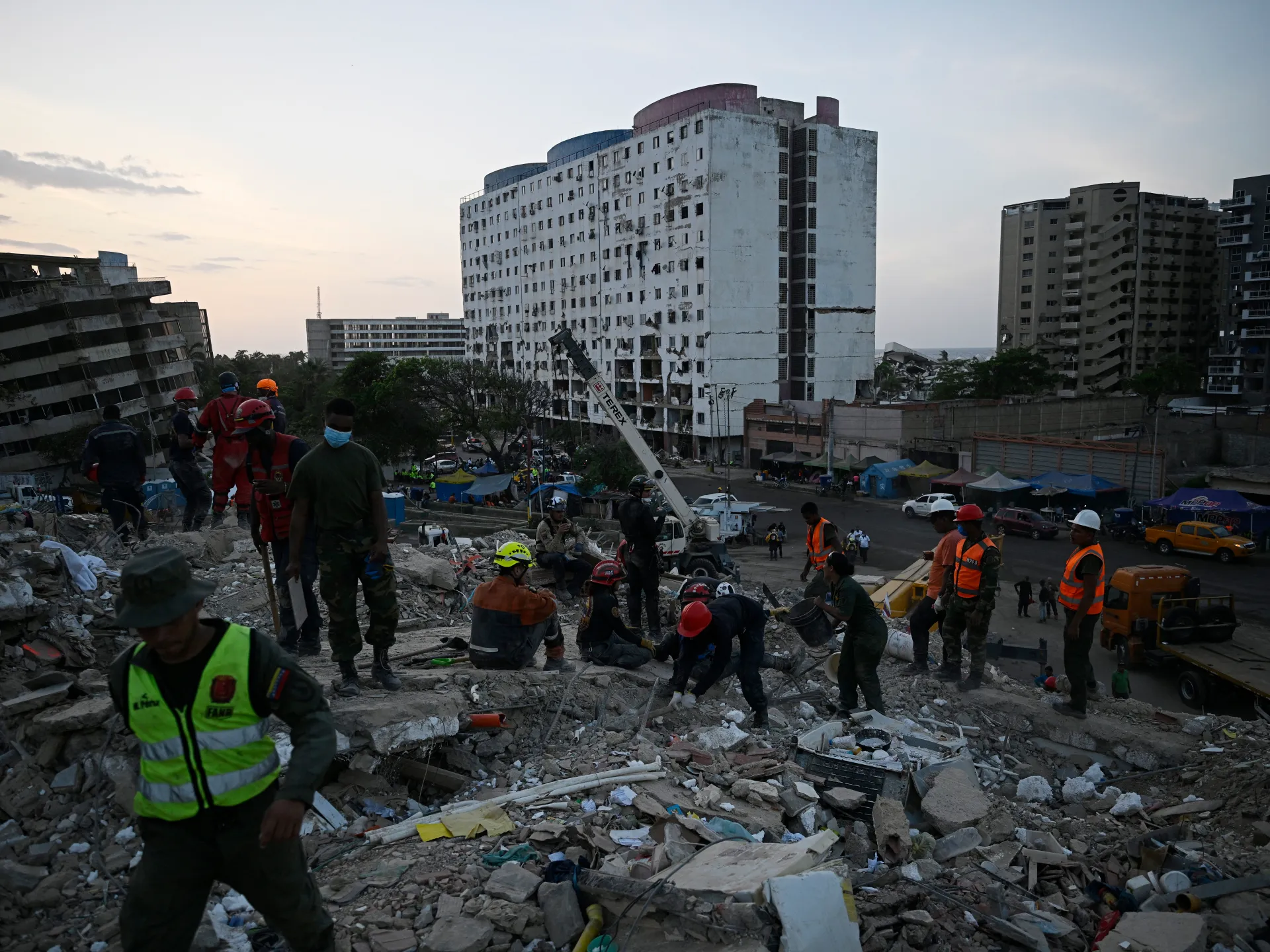
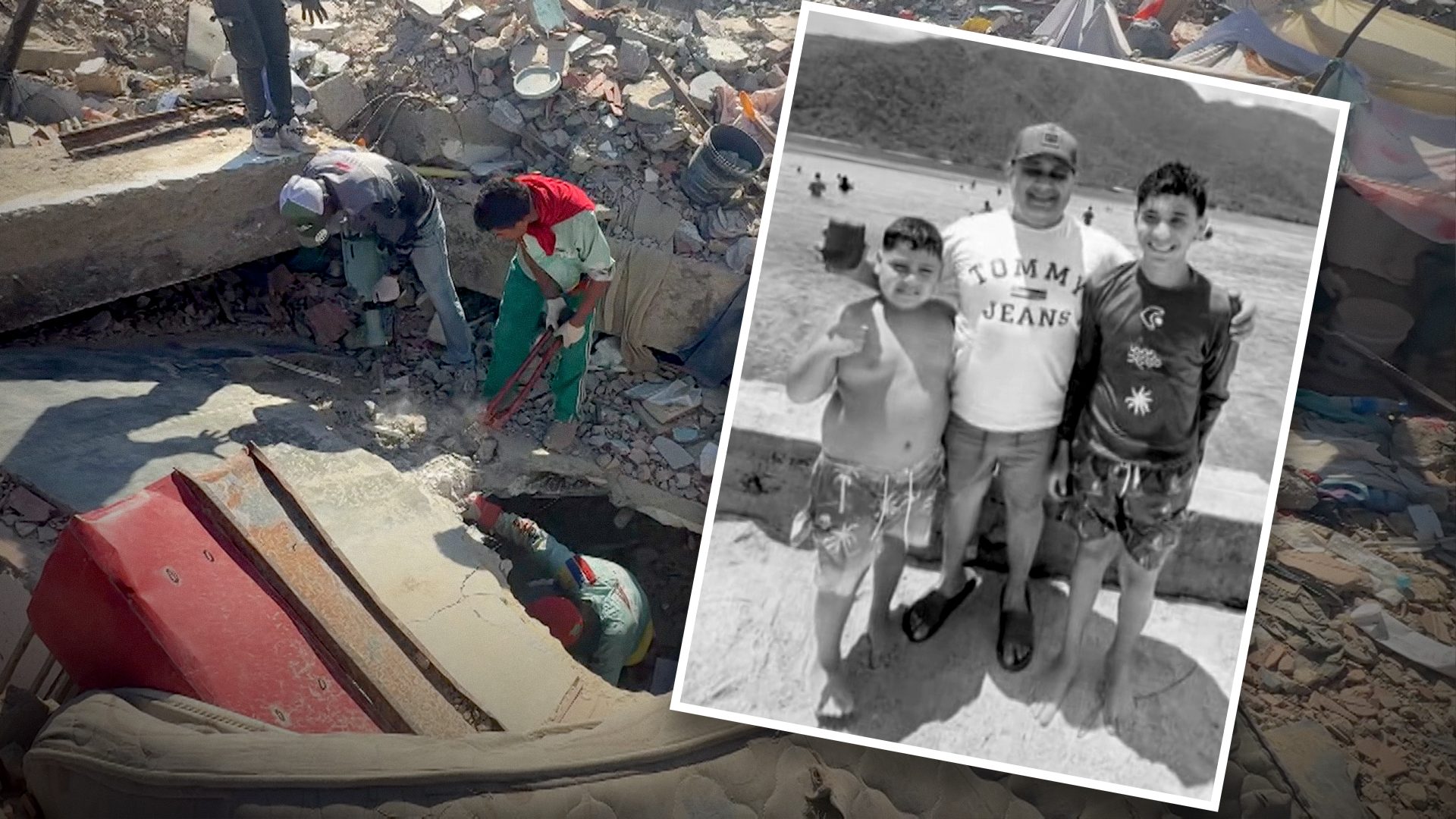
Numbers cannot capture what this feels like for the people living through it. In one coastal town, grieving relatives still comb through mountains of rubble every day with nothing more than shovels and their bare hands, searching not for survivors anymore but for bodies, so they can finally hold a funeral. Some families have lost seven or more relatives in a single building collapse. That is a tragedy beyond numbers: thousands trapped in limbo, unable to grieve because they do not yet know what happened to those they love. Without a body, there is no funeral, no grave and no real chance to begin mourning.
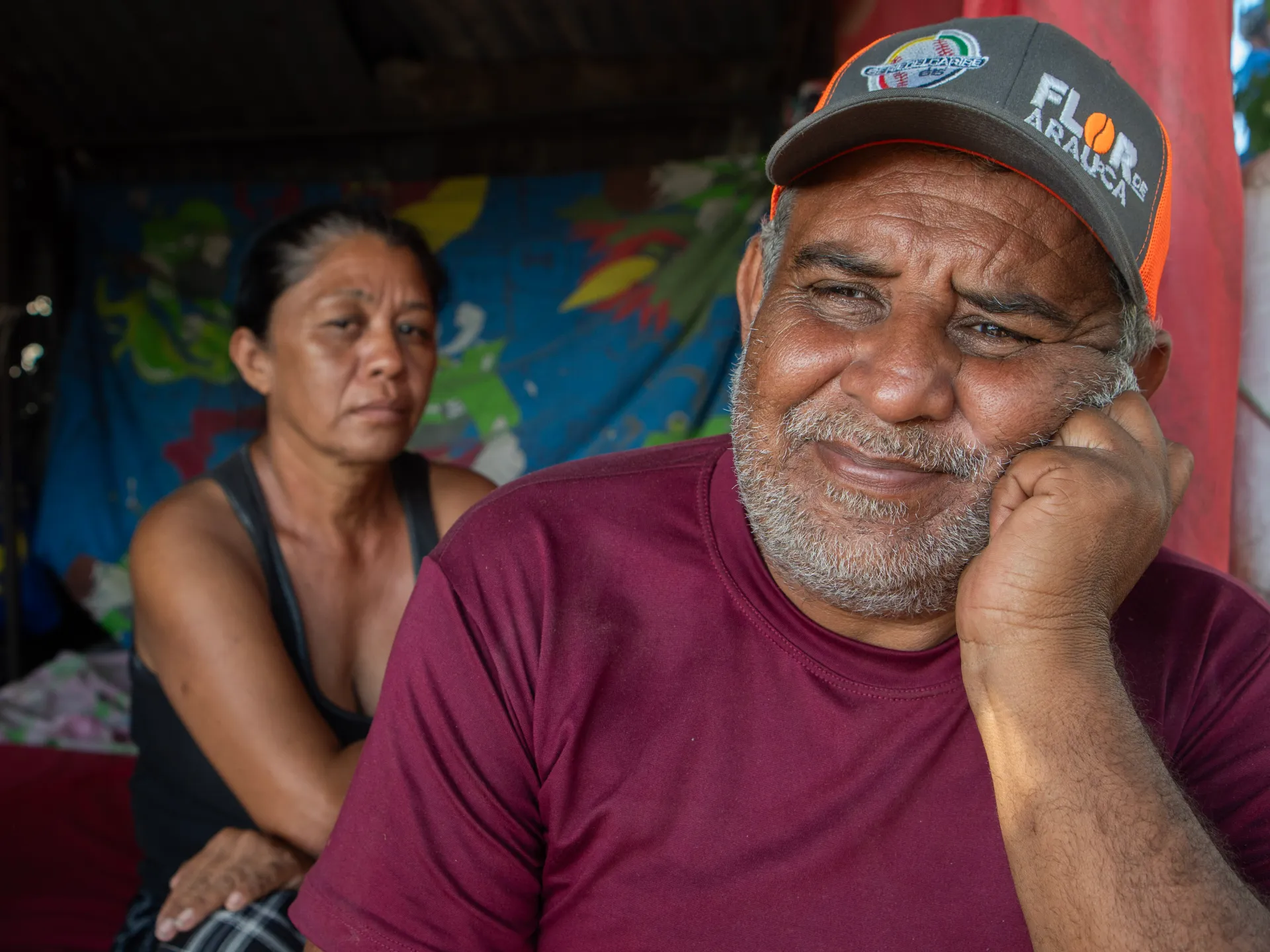
Aid organizations on the ground point to three urgent needs a month on: primary health care, mental health support and clean drinking water. Families still rely on bottled water to drink, wash and cook, while limited sanitation raises the risk of disease in crowded camps. Thousands with chronic illnesses have lost continuity of treatment, a quiet emergency inside the larger one. Survivors also carry a psychological weight of anxiety, grief, sleeplessness and the strain of losing not just homes but jobs and income. This is what a disaster looks like once the initial shock fades: a slow unraveling of ordinary life, not just collapsed buildings.