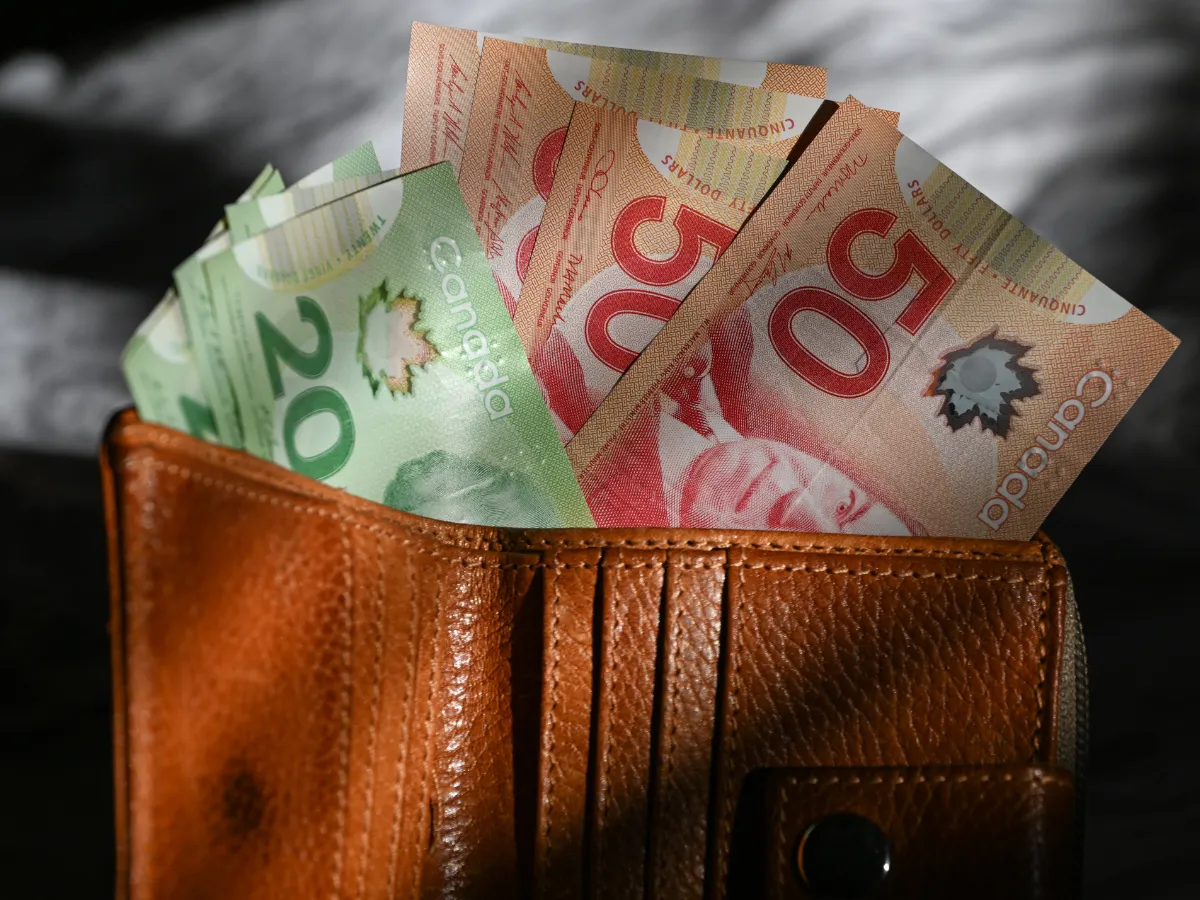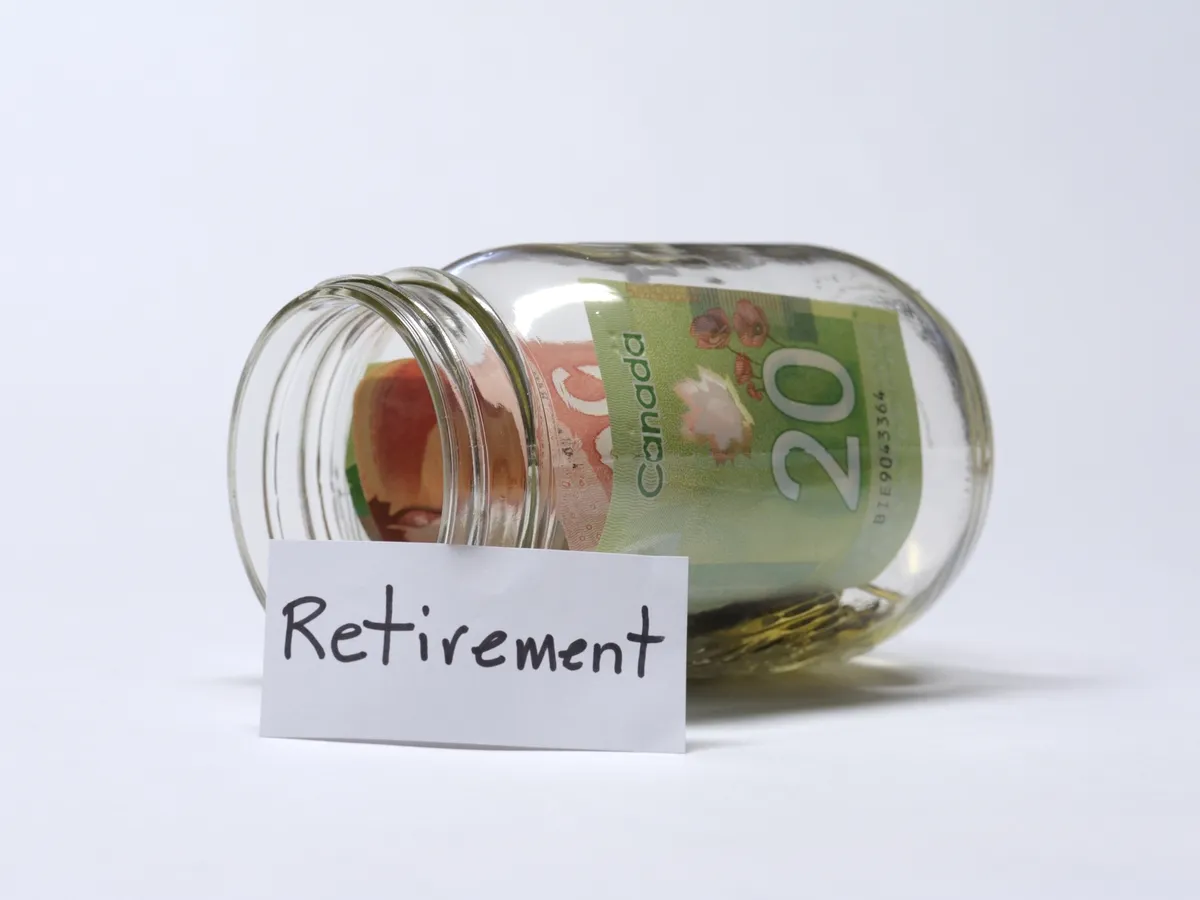
Skip to Content News Archives Economy Energy Oil & Gas Renewables Electric Vehicles Mining Commodities Agriculture Real Estate Mortgages Mortgage Rates Finance Banking Insurance Fintech Cryptocurrency Work Wealth Smart Money Wealth Management Investor Personal Finance Family Finance Retirement Taxes High Net Worth FP Comment Executive Women Puzzmo Newsletters Financial Times Business Essentials More Innovation Information Technology FP500 Podcasts Small Business Lives Told Tails Told Shopping Financial Post Store Obituaries Place a Notice Advertising Advertising With Us Advertising Solutions Postmedia Ad Manager Sponsorship Requests Classifieds Place a Classifieds ad Working Profile Settings My Subscriptions Saved Articles My Offers Newsletters Customer Service FAQ News Economy Energy Mining Real Estate Finance Work Wealth Investor FP Comment Executive Women Puzzmo Newsletters Financial Times Business Essentials HomeFinanceEconomyCanadian savings deteriorate as spending outpaces income: reportNet savings across the bottom 80 per cent of Canadian households have turned materially negative You can save this article by registering for free here. Or sign-in if you have an account.Boston Consulting's report found that the middle 60 per cent of Canadians are still spending, but are spending more than their income, a deterioration of roughly $7,000 per household. Photo by Artur Widak/NurPhoto via Getty ImagesSavings have deteriorated for majority of Canadians, particularly the bottom 80 per cent of Canadian households, as spending significantly outpace income growth, according to research by Boston Consulting Group.Subscribe now to read the latest news in your city and across Canada.Exclusive articles from Barbara Shecter, Joe O'Connor, Gabriel Friedman, and others.Daily content from Financial Times, the world's leading global business publication.Unlimited online access to read articles from Financial Post, National Post and 15 news sites across Canada with one account.National Post ePaper, an electronic replica of the print edition to view on any device, share and comment on.Daily puzzles, including the New York Times Crossword.Subscribe now to read the latest news in your city and across Canada.Exclusive articles from Barbara Shecter, Joe O'Connor, Gabriel Friedman and others.Daily content from Financial Times, the world's leading global business publication.Unlimited online access to read articles from Financial Post, National Post and 15 news sites across Canada with one account.National Post ePaper, an electronic replica of the print edition to view on any device, share and comment on.Daily puzzles, including the New York Times Crossword.Create an account or sign in to continue with your reading experience.Access articles from across Canada with one account.Share your thoughts and join the conversation in the comments.Enjoy additional articles per month.Get email updates from your favourite authors.Create an account or sign in to continue with your reading experience.Access articles from across Canada with one accountShare your thoughts and join the conversation in the commentsEnjoy additional articles per monthGet email updates from your favourite authorsSign In or Create an AccountorConsumer spending is up, but that growth isn’t coming from income for those outside the top 20 per cent earners. The report said that for the lowest 20 per cent of earners, spending jumped 27 per cent over the past five years, while disposable income just went up three per cent.Households are filling that gap and covering their spending by dipping more on savings, leaning on rising portfolio values and taking on more debt.SUBSCRIBER EXCLUSIVE: FP West: Energy Insider brings you behind the oilpatch’s closed doors with exclusive insights from insiders every Wednesday morning.By signing up you consent to receive the above newsletter from Postmedia Network Inc.A welcome email is on its way. If you don't see it, please check your junk folder.The next issue of FP West: Energy Insider will soon be in your inbox.We encountered an issue signing you up. Please try againHowever, much of that increase in spending isn’t buying goods at all. It’s going towards services, which are driving most of the growth. These include financial services tied to borrowing and asset-linked fees, while real spending on essentials is flat. Purchases of cars, furniture and appliances, on the other hand, are falling.The report found that the middle 60 per cent are still spending, but are spending more than their income, a deterioration of roughly $7,000 per household, meaning their savings and balance sheets are more comparable to lowest earners.Meanwhile, the lowest 20 per cent fell deeper into a negative savings position, with annual savings declining by roughly $15,000 per household.Net savings across the bottom 80 per cent of households have turned materially negative, with the lowest quintile averaging -$39,000 in yearly savings by 2025. The bottom 20 per cent took on 17 per cent more debt while their total assets shrank, a net worth hit of roughly $35,000 per household.Savings buffers are weakening across much of the income distribution, with some reflecting the lowest-income group, including retirees, students, temporarily unemployed households.For businesses, this means that Canada no longer has a single “average consumer” to plan around. If asset values soften while borrowing costs climb, the households with the thinnest buffers have the least room to absorb the shock. Join the Conversation This website uses cookies to personalize your content (including ads), and allows us to analyze our traffic. Read more about cookies here. By continuing to use our site, you agree to our Terms of Use and Privacy Policy.
Canadian savings deteriorate as spending outpaces income: report
Savings have deteriorated for most Canadians, particularly the bottom 80 per cent of households, according to Boston Consulting. Read here
856 words~4 min read