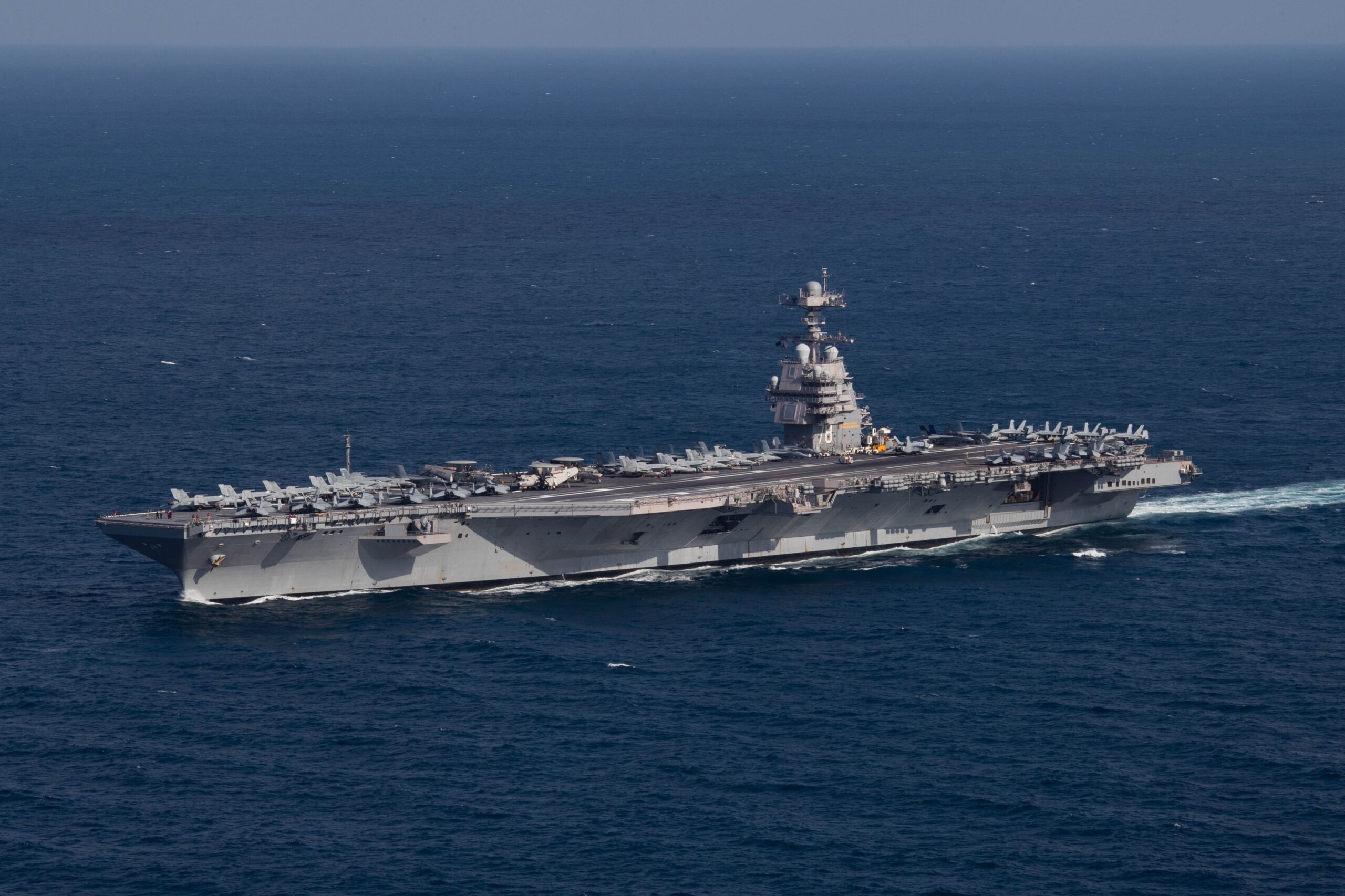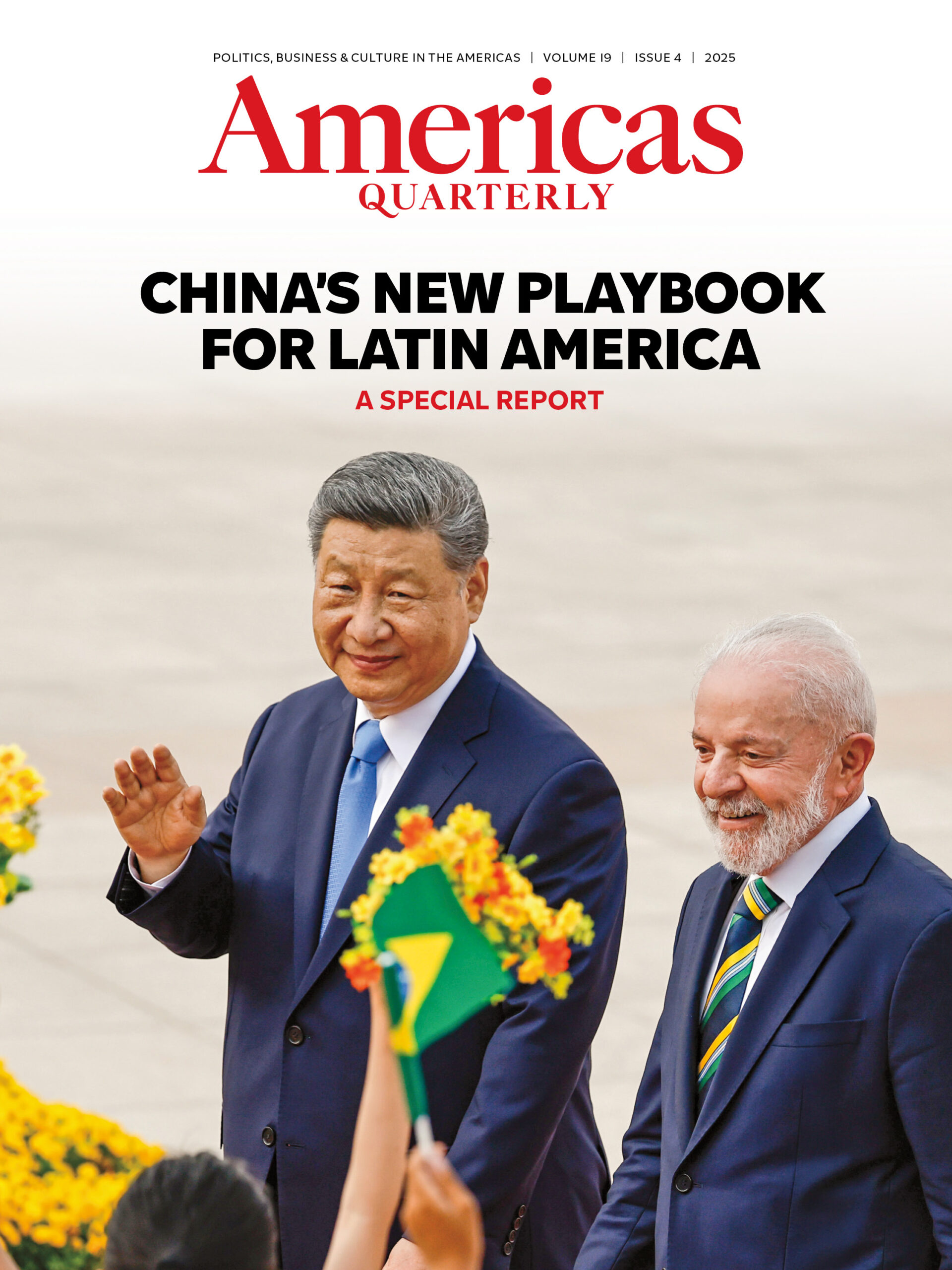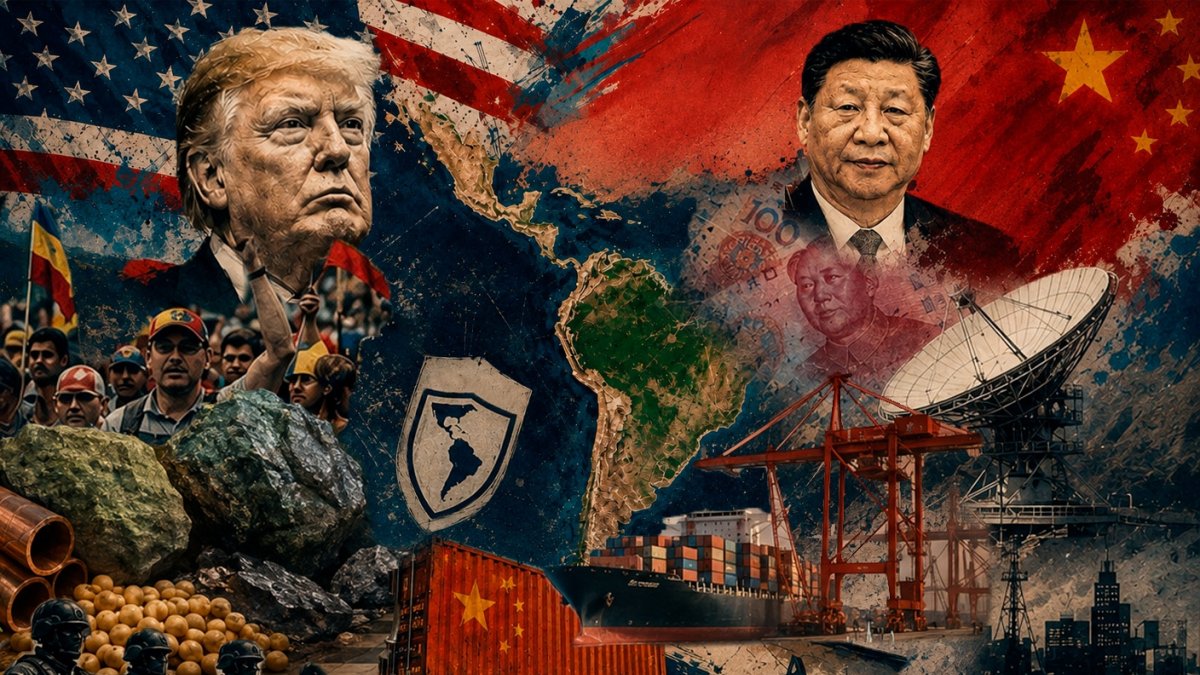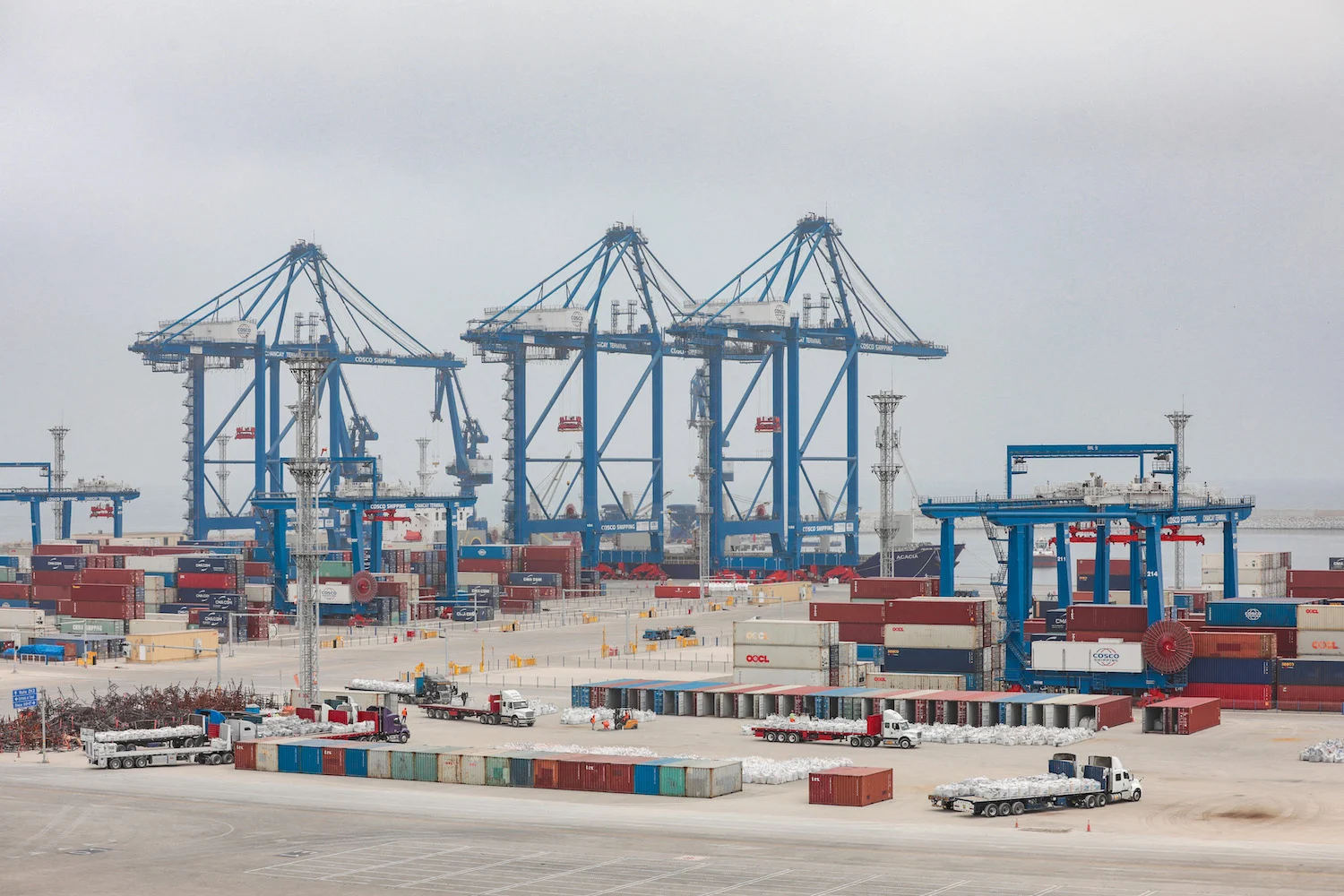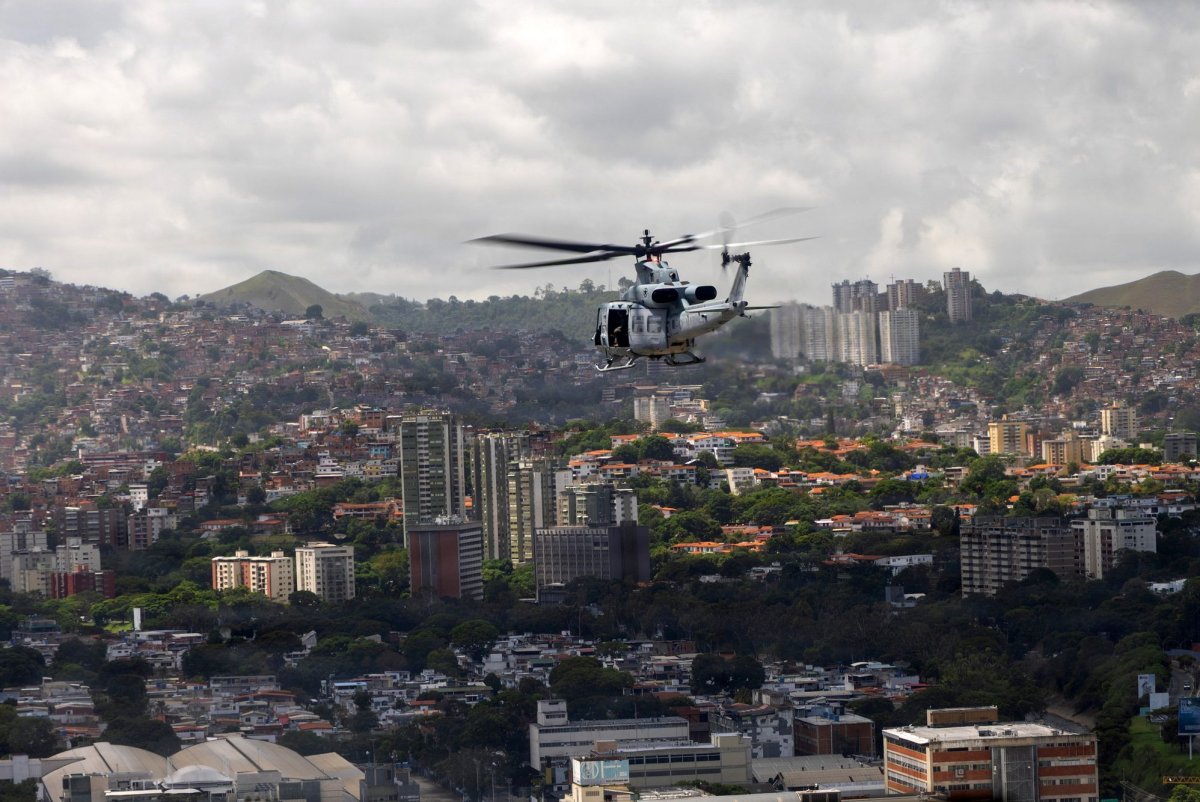
The CSIS published an analysis in the spring asking: Could Russia and China coordinate to challenge U.S. influence in Latin America and the Caribbean? Photo via U.S. Marine Corps/UPI | License Photo
July 9 (UPI) -- This spring, the Center for Strategic and International Studies published an analysis asking a question that would have sounded strange a decade ago: Could Russia and China coordinate to challenge U.S. influence in Latin America and the Caribbean?
The report drew on a tabletop exercise based on a hypothetical Venezuela crisis and concluded that Moscow and Beijing pursue very different playbooks in the region, even when their interests overlap.
That kind of analysis belongs to a vocabulary many Latin American intellectuals were never taught. For much of the 20th century, the region's political economists were trained to read international trade through the language of imperialism.
The argument was powerful and simple: capitalist economies, driven by their need for raw materials and markets, would inevitably seek domination abroad. Lenin's Imperialism, the Highest Stage of Capitalism, gave that idea its most influential form.