Read The Diplomat, Know The Asia-Pacific
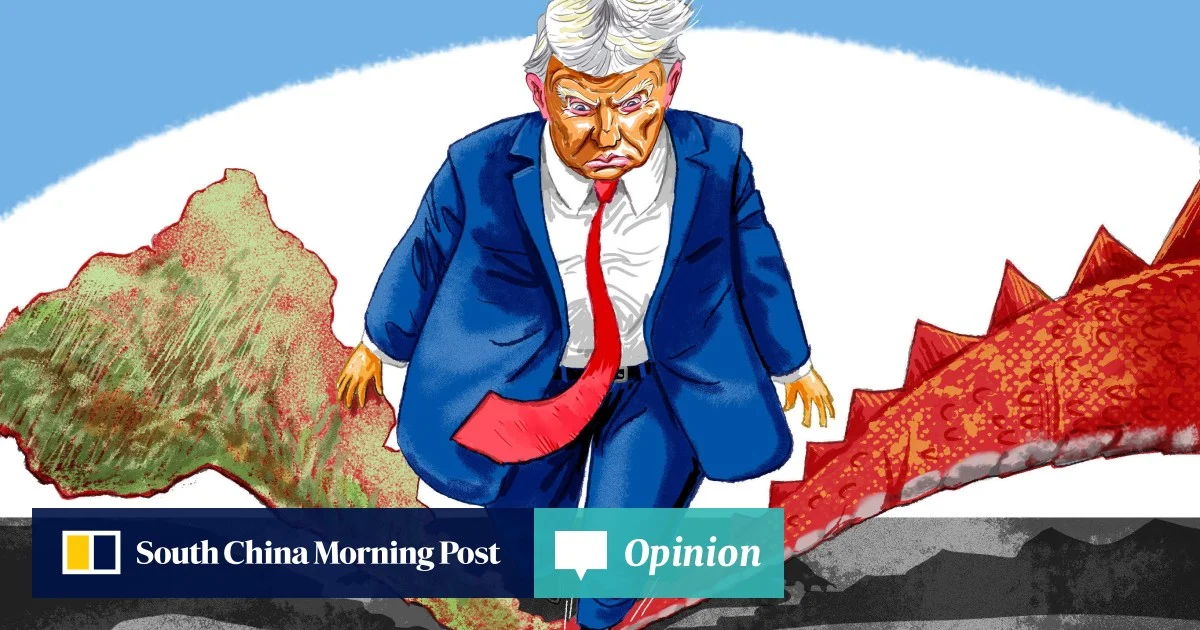
The assumption that economic leverage leads to political influence has underpinned China analysis for decades. Developments in Latin America are calling that into question.
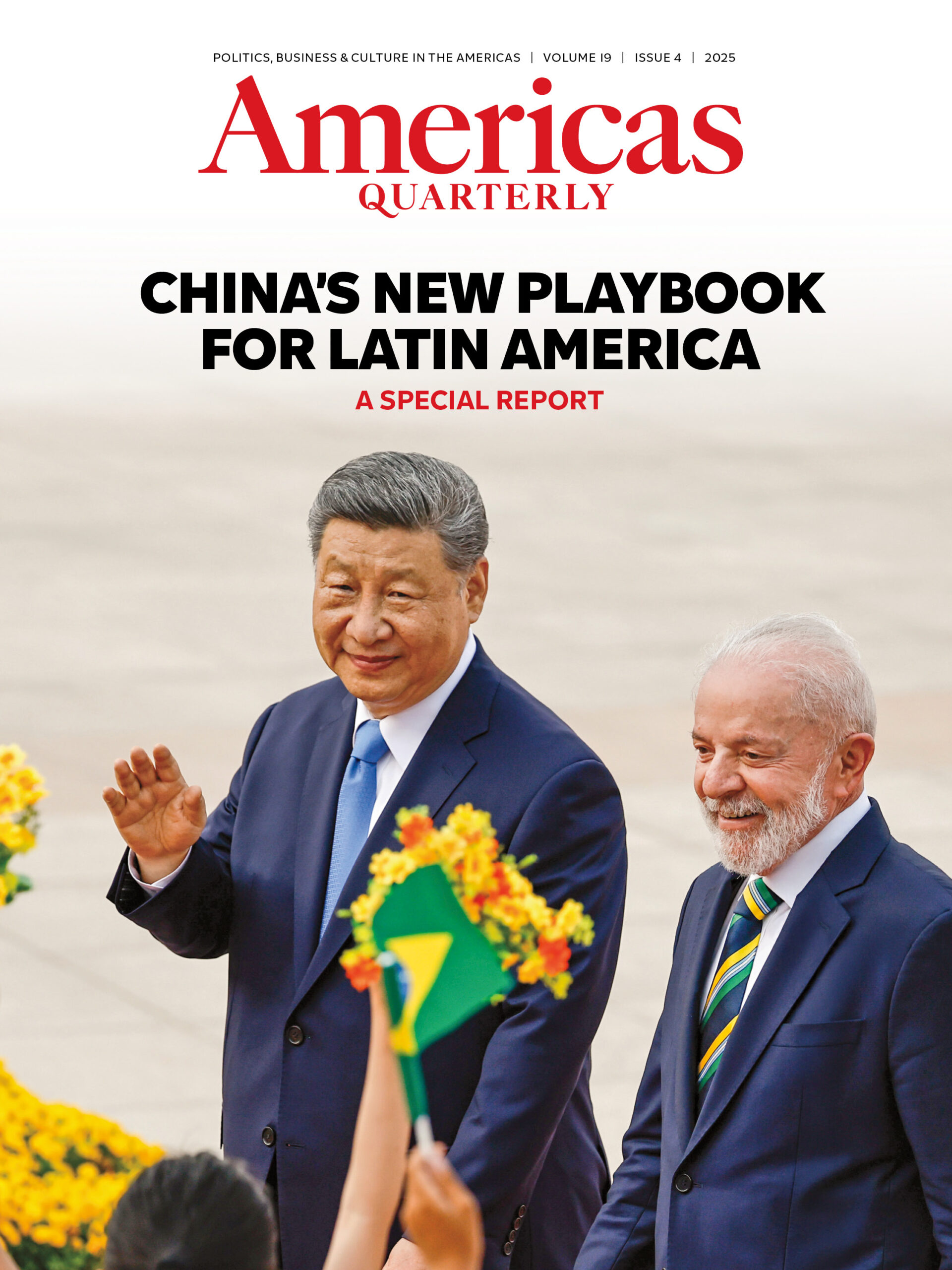
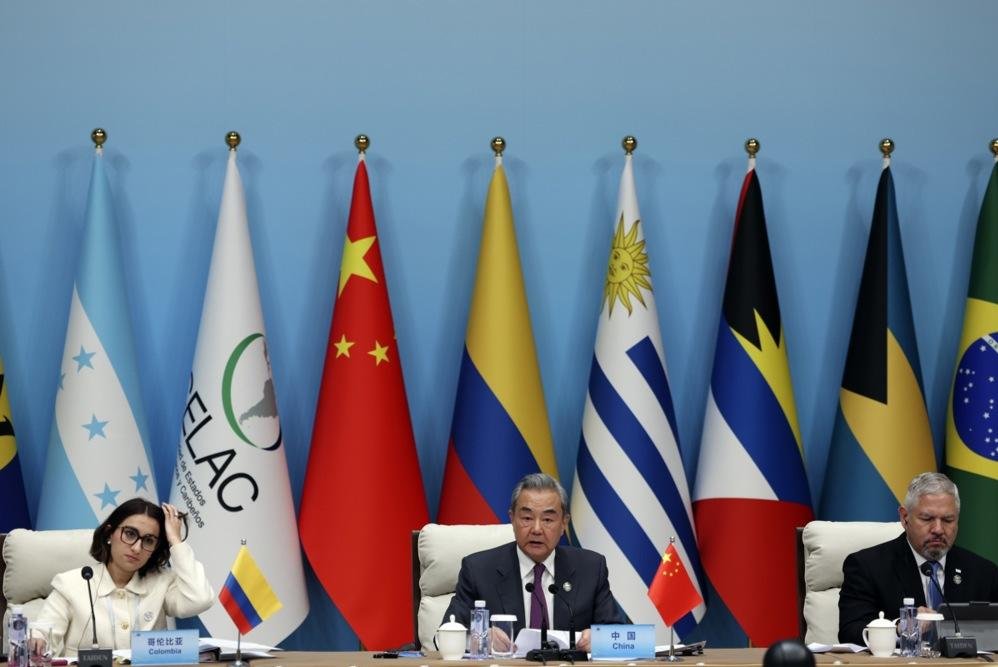
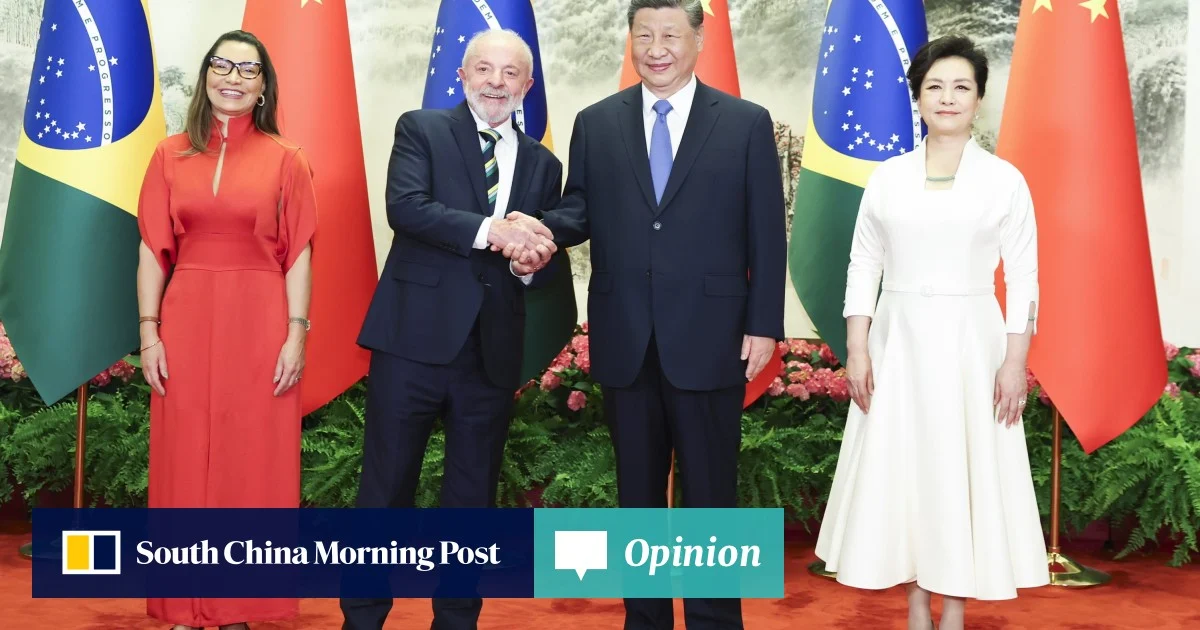
Since China began making inroads into Latin America, its regional strategy has been driven by a relatively simple premise: that economic engagement can generate long-term geopolitical influence.
The logic appears straightforward. Countries that become increasingly dependent on Chinese markets, financing, investment, infrastructure, and trade should gradually become more receptive to Beijing’s political priorities.
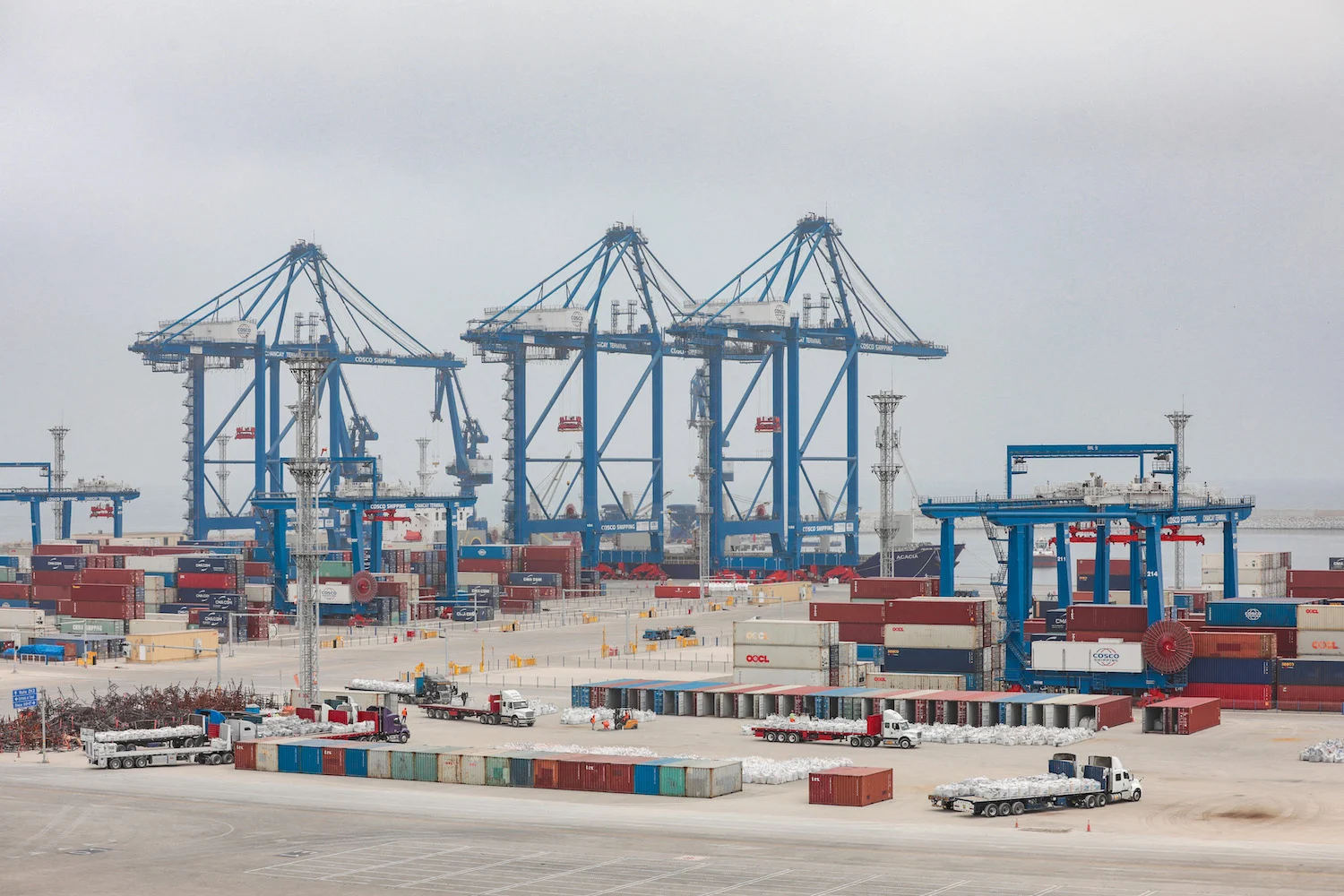
This assumption has shaped discussions about China’s global expansion from Africa and Southeast Asia to the Pacific Islands and Latin America. It has also helped explain why Beijing has devoted enormous resources to expanding its economic footprint throughout the developing world through initiatives such as the Belt and Road Initiative (BRI), launched in 2013 to connect Asia, Africa, and Europe through a vast network of ports, railways, highways, and trade corridors.