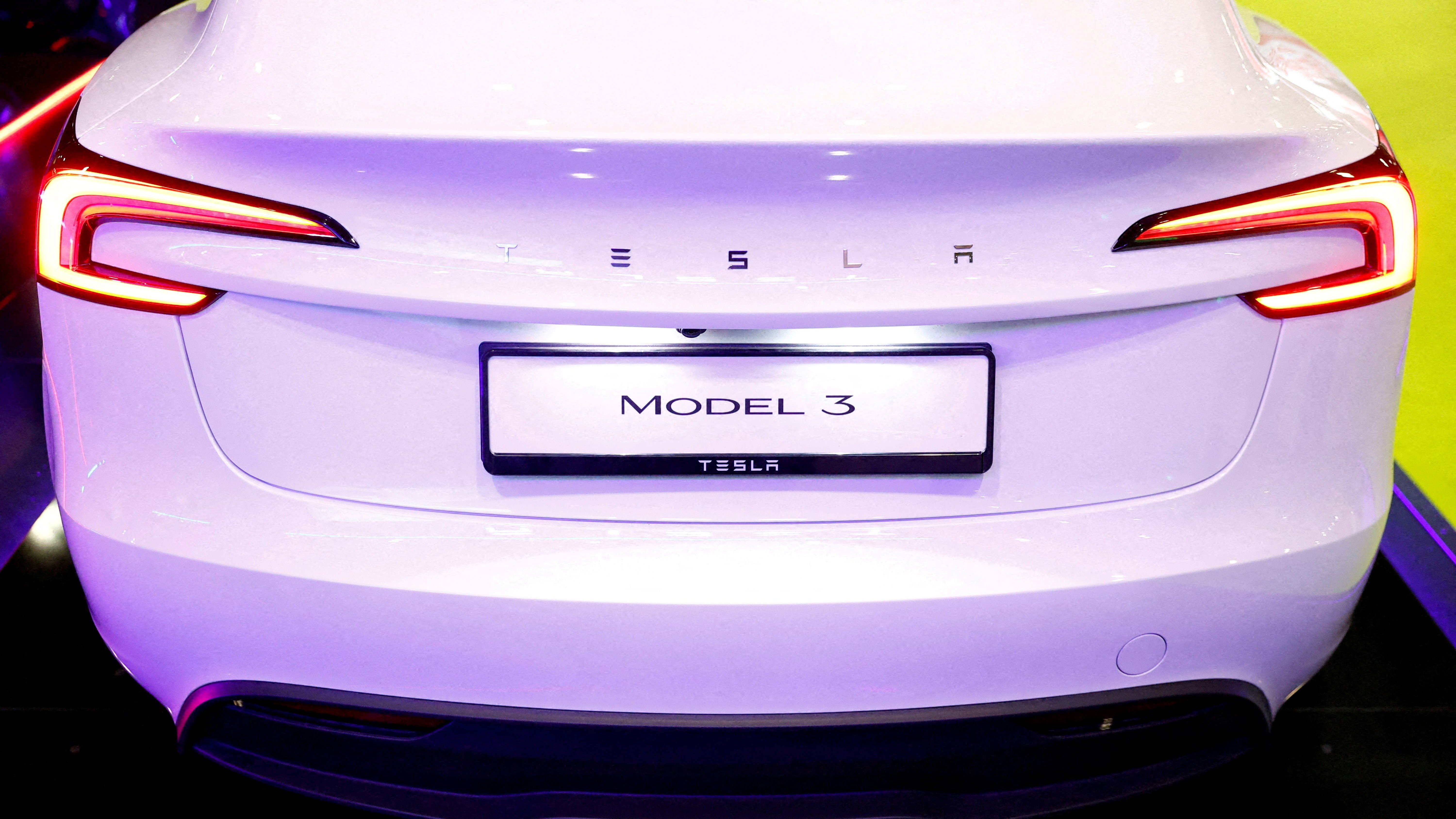
German media are reporting that a new electric vehicle (EV) subsidy scheme is drawing political criticism because it appears to benefit Chinese brands as much as, or more than, domestic ones.
The €3bn subsidy was launched earlier this year in the hopes of luring ordinary households to buy EVs. Some could get up to €6,000 depending on their income-bracket.
The subsidy is designed to favour households that likely won’t spend more than €30,000 for a car. Unlike their more expensive European counterparts, Chinese brands such as BYD broadly fit into the more affordable price point.
Die Zeit, a German newspaper, says some CDU/CSU and SPD politicians want to adjust the premiums to favour only European brands – even though initial figures suggest less than 15 percent of the subsidy applications were for Chinese vehicles.
Nevertheless, the Association of German Automobile Dealers (VAD) says new electric-vehicle registrations have since risen sharply, attributing the increase to a broader model range and Germany’s new subsidy scheme, which has been available since May.