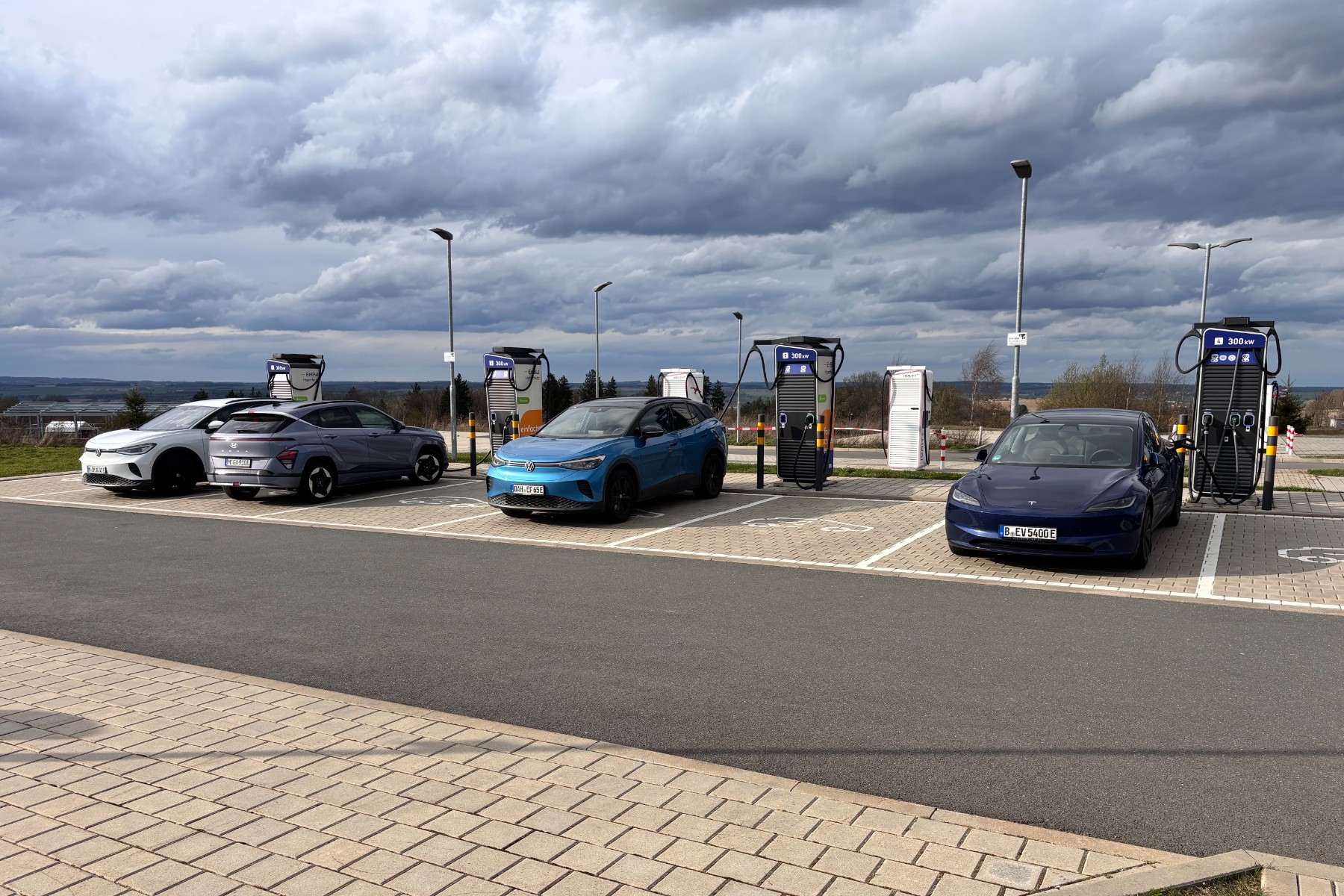
Germany has launched applications for its new electric vehicle subsidy programme. Backed by a €3 billion budget, the scheme aims to support around 800,000 battery-electric vehicles, plug-in hybrids and range extenders by 2029 through income-based grants of up to €6,000.Image: Peter SchwierzGermany has officially opened applications for its new electric vehicle subsidy scheme after the programme cleared its final legislative hurdle with approval from the Bundesrat earlier this month. The programme, first presented in January, provides €3 billion in funding through to 2029 and aims to support the purchase or lease of around 800,000 electrified vehicles, including battery-electric cars, plug-in hybrids and range extenders.Unlike Germany’s previous EV purchase incentives, the new programme introduces a social component by linking funding levels to taxable household income and the number of dependent children. Buyers of new battery-electric vehicles can receive between €3,000 and €6,000, while plug-in hybrids and range extenders qualify for grants of between €1,500 and €4,500.The maximum €6,000 subsidy only applies to households with a taxable annual income of up to €45,000 and at least two minor children. Households with taxable income of up to €90,000 and two children remain eligible for the minimum €3,000 grant.The programme applies exclusively to newly registered vehicles. Used cars, dealer registrations and pre-registered vehicles are excluded. There is currently no vehicle price cap and no domestic-content requirement linked to production location. Applications can only be submitted after the vehicle has been registered. However, the scheme applies retroactively to vehicles registered from 1 January 2026 onwards. According to the German Environment Ministry, this could affect around 50,000 privately owned vehicles already delivered this year. Buyers will have up to twelve months after first registration to apply.The Environment Ministry also clarified that two members of the same household may each apply separately for support if both purchase eligible vehicles during the programme period between 2026 and 2029. Self-employed applicants face an additional restriction: they may only claim the subsidy if the vehicle is registered privately rather than added to business assets, as the programme excludes commercial use.The government stated that funding availability will depend on demand and warned that the programme could potentially end before 2029 if the allocated budget is exhausted earlier.Source: Participation in online preview event, bafa.de (FAQ)
Germany opens applications for new EV subsidy scheme - electrive.com
Germany has launched applications for its new electric vehicle subsidy programme. Backed by a €3 billion budget, the scheme aims to support around 800,000
373 words~2 min read