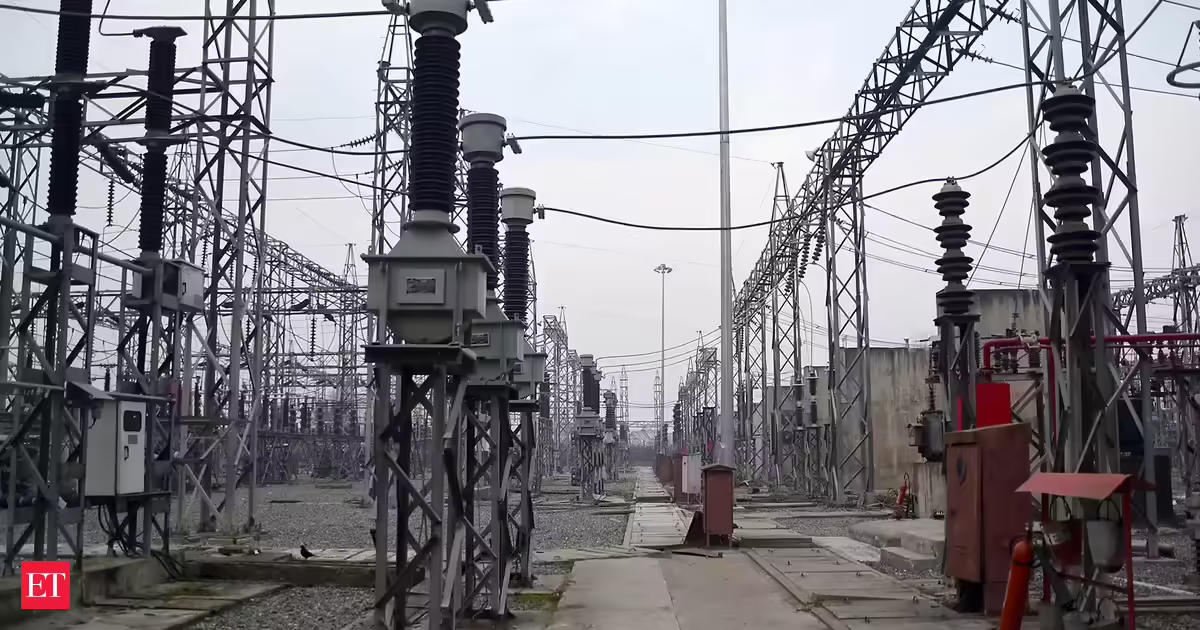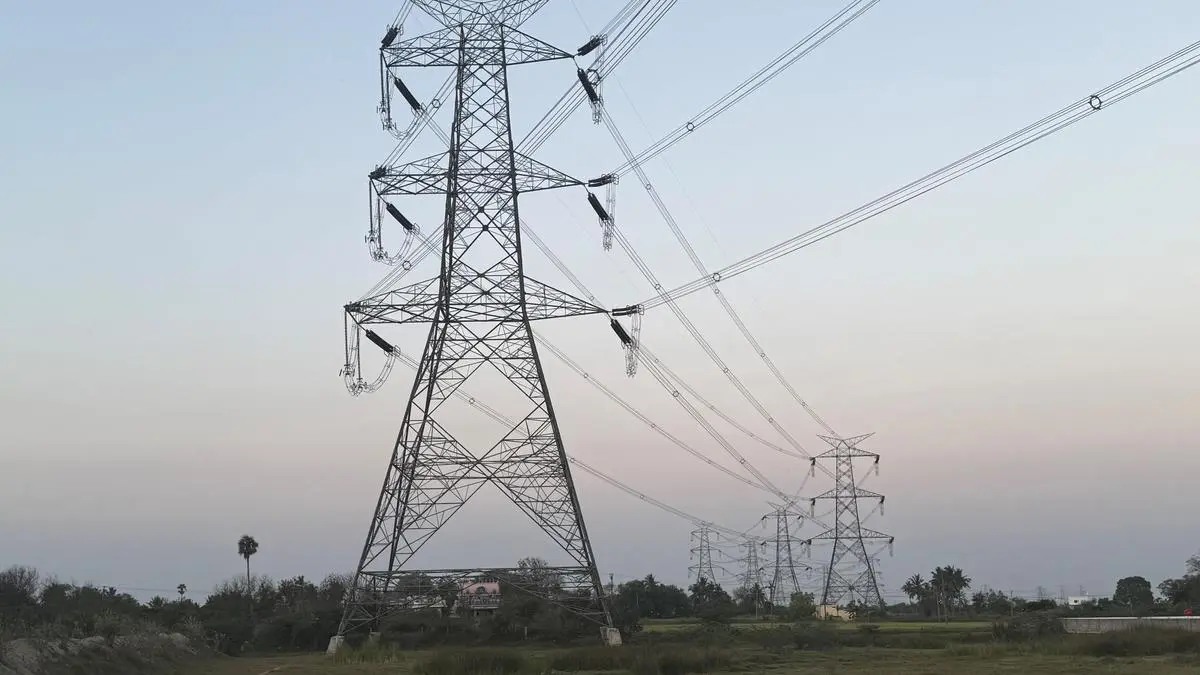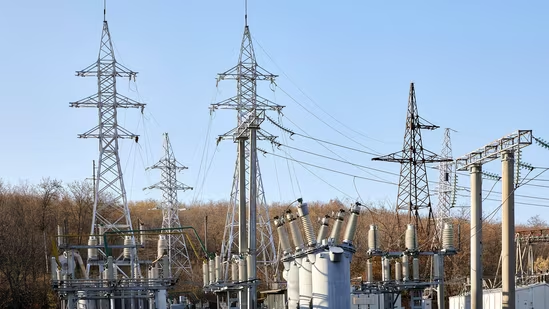
India has made remarkable progress in expanding electricity generation and strengthening its transmission network over the past two decades. Yet distribution, the final link that connects power to consumers, continues to present important challenges in many parts of the country. It is at this stage that issues relating to reliability, efficiency and consumer experience are often most visible. While successive reforms have focused on improving the financial and operational health of distribution companies, one provision of Indian law that has remained relatively underutilised is the consumer's ability to choose a power distributor.Electricity (AP)Consider the stretch of country that runs from Nuh to Gurugram, in Haryana. In Nuh, one of the region's most agriculturally dependent districts, power interruptions of several hours can affect irrigation, livelihoods and daily life. A short drive away, in one of India's most prosperous urban economies, residential societies and businesses often rely on diesel generators during outages, adding significantly to their electricity costs. Although these situations differ in scale and context, they illustrate the varied challenges that electricity distribution continues to present. Across the country, many consumers have adapted by investing in back-up power rather than expecting uninterrupted supply as a given.None of this is for want of effort. Distribution has been the focus of several reform initiatives over the years, many of which have rightly concentrated on improving the finances of utilities, reducing technical and commercial losses, modernising infrastructure and expanding smart metering. These measures have strengthened the sector in important ways. However, comparatively less attention has been paid to expanding the consumer's role in driving improvements through greater choice. Parallel licensing offers one possible way of complementing these ongoing reforms.It is in this context that the July 8 hearing before the Haryana Electricity Regulatory Commission (HERC) assumes significance. HERC is hearing a petition from Eleven Power Pvt Ltd seeking a parallel distribution licence for the Nuh and Gurugram districts of Haryana. If approved, it would introduce another distributor alongside the existing state-owned Dakshin Haryana Bijli Vitran Nigam (DHBVN). Mumbai has demonstrated that such an arrangement can function within an urban electricity market, with Tata Power and Adani Electricity Mumbai serving consumers under a parallel licensing framework. While similar models have not yet seen widespread adoption elsewhere, the Haryana proposal provides an opportunity to examine whether such an approach can be expanded under appropriate regulatory safeguards.The idea that consumers should be able to choose their electricity distributor is not new. Parliament provided for it in the Electricity Act of 2003, whose Section 14 permits regulators to license more than one distributor within the same area of supply. Mumbai has operated under this framework for nearly two decades, allowing eligible consumers to select between distributors. The broader question is whether this option, available in one part of the country, can be implemented more widely where local conditions permit.Why does such a choice matter? Increasingly, consumers seek not only uninterrupted electricity but also better service quality, transparent billing, responsive customer support, digital convenience and, wherever possible, cleaner sources of power. Greater consumer choice can create stronger incentives for distributors to invest in network improvements, maintain service standards and respond more effectively to consumer expectations. While competition alone cannot resolve every challenge facing the distribution sector, it can complement existing regulatory and operational reforms by encouraging greater accountability and innovation. As India continues to expand its renewable energy capacity, consumer choice may also encourage distributors to respond more actively to evolving preferences for sustainable energy solutions.A commonly expressed concern is that competition may encourage new entrants to focus only on commercially attractive consumers while avoiding areas that are more difficult or less profitable to serve. This is a valid concern and one that deserves careful regulatory attention.Part of the answer already exists within the Electricity Act itself. Section 43, the Universal Service Obligation, requires every distribution licensee to supply electricity to all eligible consumers within its licensed area upon request. The effectiveness of any parallel licensing arrangement will depend on robust regulatory oversight to ensure that this obligation is fully upheld. In this regard, proposals that include both urban and rural areas can provide an opportunity to examine how competition and universal service responsibilities can coexist in practice. The Eleven Power application before HERC meets both these criteria. It offers to serve both rural and urban customers and promises to abide by the principle of Universal Service Obligation.It is equally important to distinguish parallel licensing from outright privatisation. Allowing a second distributor to operate within a defined area does not replace the existing state-owned utility, nor does it amount to dismantling the public distribution system. The incumbent distributor continues to serve consumers, while those who are eligible may have an additional option. Concerns regarding employees, cross-subsidies and equitable service provision remain important considerations and deserve careful examination by regulators before any decision is taken. The objective is not substitution but the introduction of an additional avenue through which consumers may access electricity services.These issues are no longer theoretical. The proposal before the Haryana regulator represents one of the most significant recent opportunities to assess how parallel licensing could function beyond Mumbai. Whatever decision the Commission ultimately reaches, the broader question extends well beyond a single state. As India's electricity sector continues to evolve, policymakers will increasingly need to consider how consumer choice, regulatory oversight and public service obligations can work together. The success of any such model will ultimately be judged by whether it delivers more reliable, affordable and sustainable electricity while preserving universal access and ensuring that consumers remain at the centre of the power distribution system.(The views expressed are personal)This article is authored by Devender Singh, former secretary, ministry of power, Government of India.
Can competition strengthen India's electricity distribution?
This article is authored by Devender Singh, former secretary, ministry of power, Government of India.
947 words~4 min read