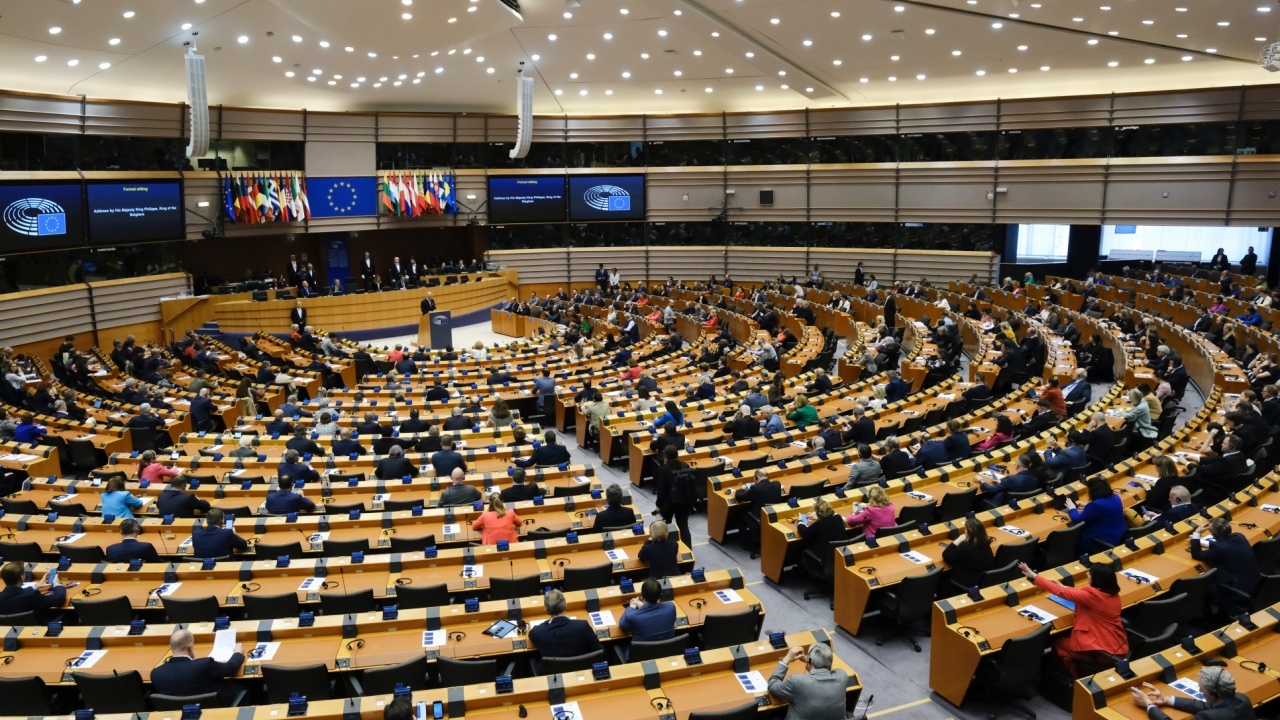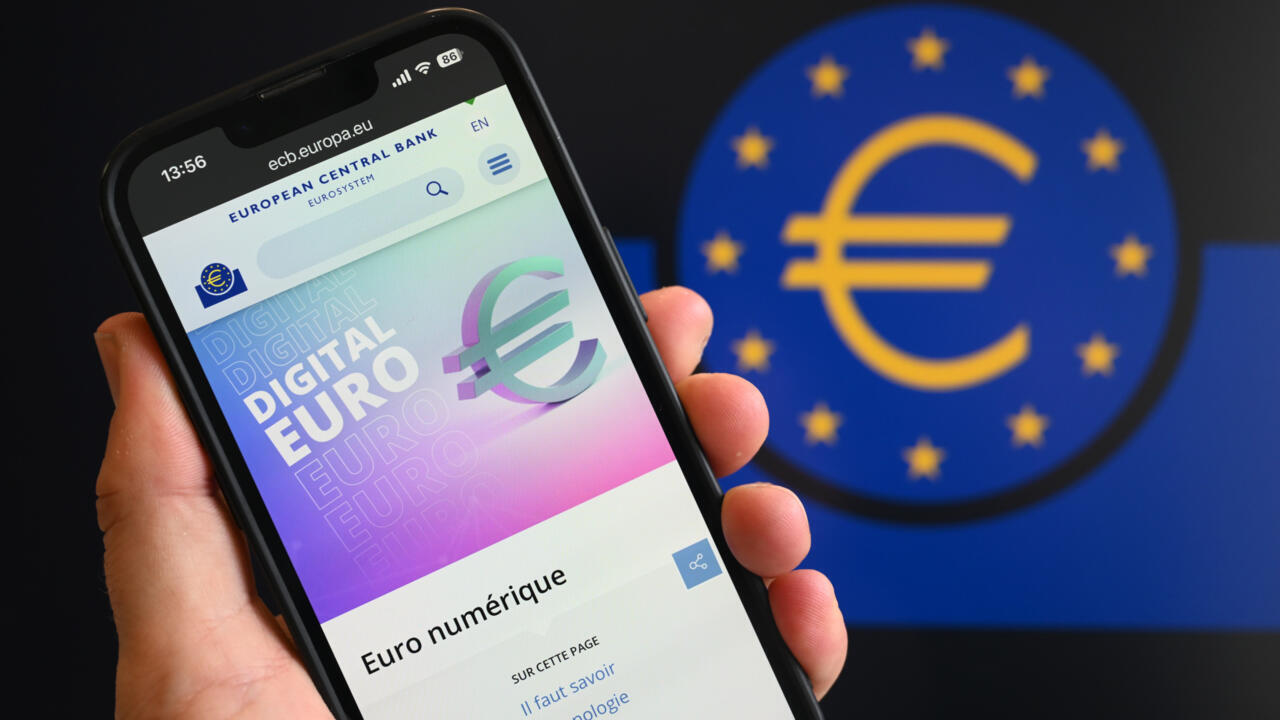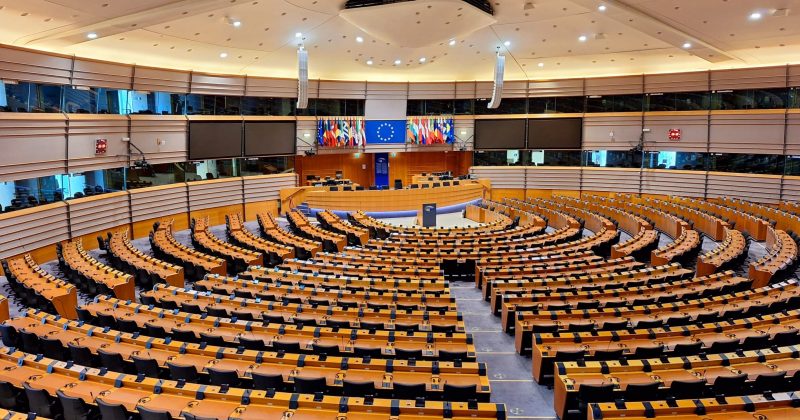
Europe’s digital euro just cleared its biggest political hurdle yet. On June 23, 2026, the European Parliament’s Economic and Monetary Affairs Committee voted 43 to 14, with one abstention, to advance negotiations on the EU’s single currency package, officially opening trilogue talks between Parliament, the European Commission, and the Council.
Right-wing parliamentary factions had pushed for a separate vote to slow the process. They didn’t get it. The committee pressed forward anyway, sending the digital euro proposal into the next phase of EU lawmaking after nearly three years of deliberation since the Commission first tabled the package in June 2023.
What the digital euro actually is
Think of it like a digital version of a euro bill issued directly by the European Central Bank, rather than a commercial bank. In English: it’s a retail central bank digital currency, or CBDC, designed for everyday spending by ordinary Europeans.
Critically, it’s not meant to replace cash. The proposal includes an explicit mandate that businesses cannot refuse euro banknotes, and that cash remains legal tender across the eurozone.