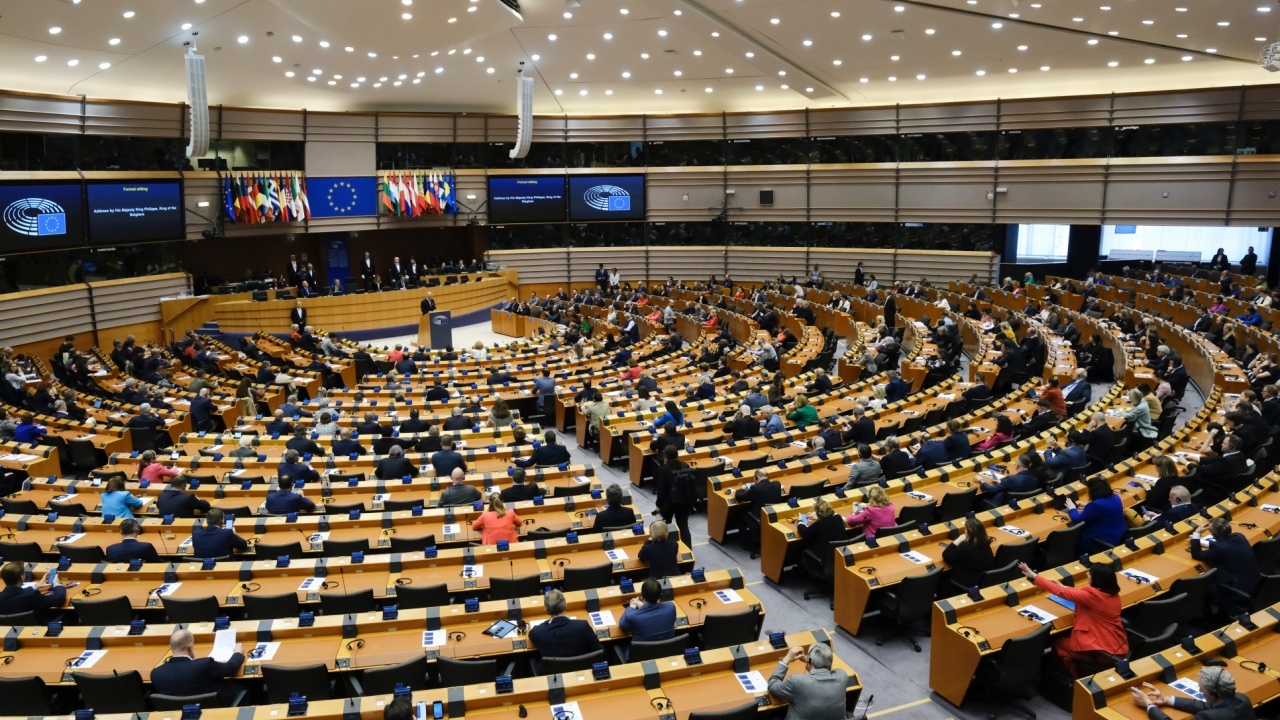
With 416 votes in favour, 169 against and 22 abstentions for the creation of a digital euro, and by a show of hands approval for non-euro payment service providers, the European Parliament agreed to proceed to the next stage of the legislative process. The PfE, ECR and ESN political groups had challenged the 23 June 2026 decisions by the Economic and Monetary Affairs Committee to open interinstitutional talks on the creation of the digital euro and the provision of digital euro services by payment services providers incorporated in member states whose currency is not the euro.
A third file part of the same single currency package, on the legal tender of euro banknotes and coins, was not contested, so negotiations can also go ahead on that, in line with rule 72 of Parliament’s rules of procedure.
Rapporteur Fernando Navarrete Rojas (EPP, ES), will lead Parliament’s negotiating team. A first round of negotiations with the Irish Presidency of the Council, representing member states, is scheduled to take place shortly.
Key points of the Parliament’s negotiating position include:
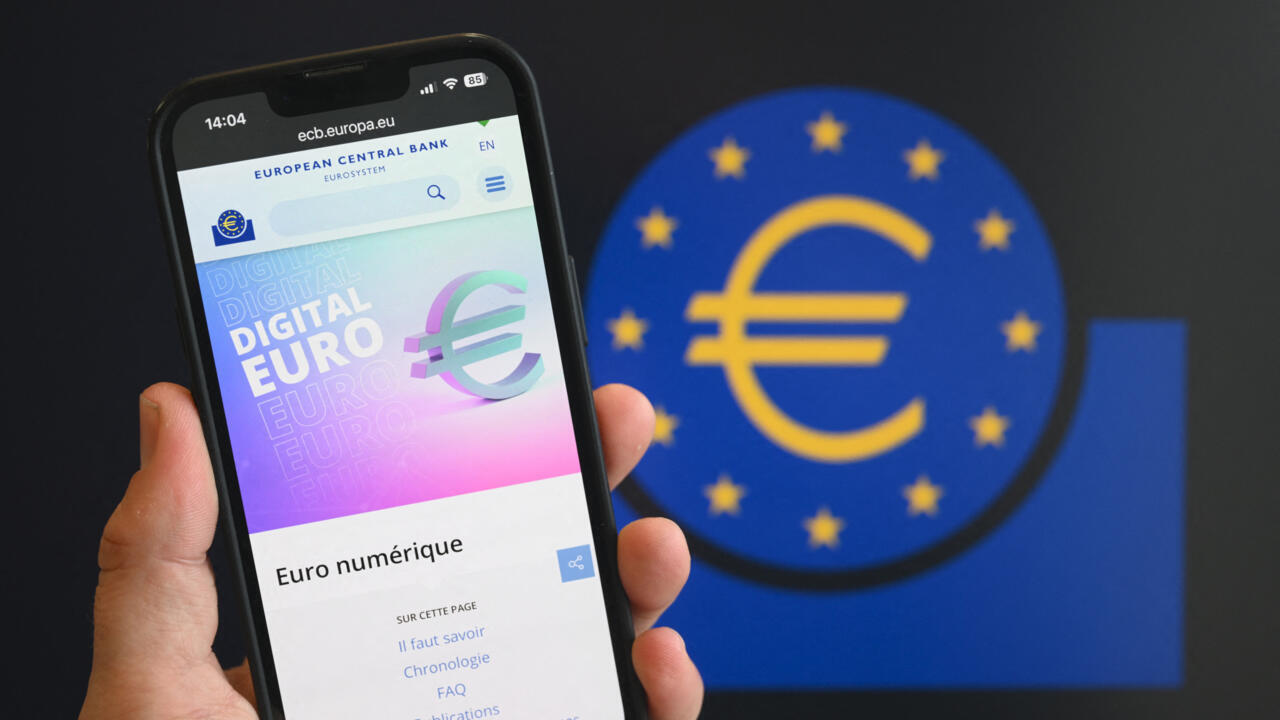
The digital euro would be a new, electronic form of money issued by the European Central Bank (ECB) and would work online and offline