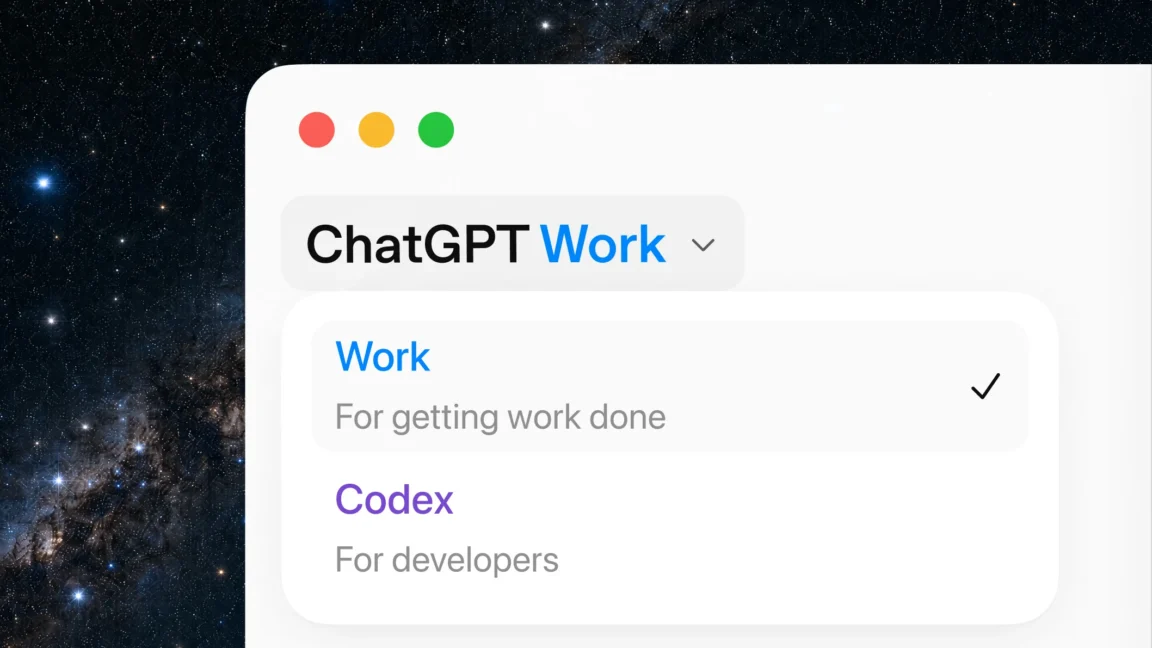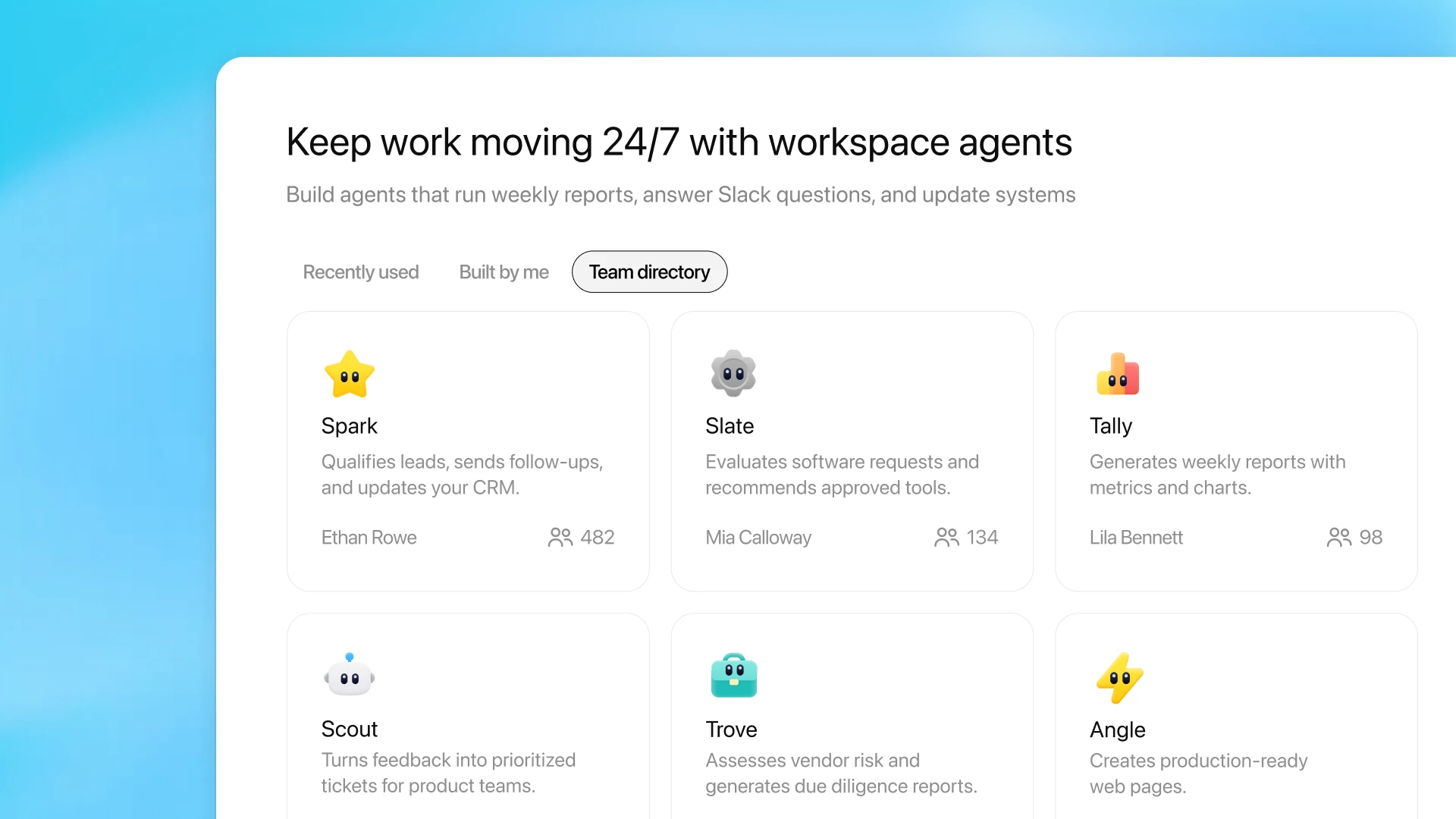
OpenAI launched “workspace agents” on April 22, 2026, built on its Codex engine and designed to handle multi-step, hours-long business workflows. The agents can generate reports, write code, manage Slack interactions, and execute complex tasks directly in the cloud.
This latest release builds on a foundation OpenAI laid nearly a year earlier. The original ChatGPT agent debuted on July 17, 2025, giving users access to what was essentially a virtual computer capable of performing tasks like calendar analysis, competitor research, booking management, and slide deck creation.
By early 2026, Codex had reached 3 million weekly active users, with its APIs processing over 15 billion tokens every minute. OpenAI reported a 137-fold growth in non-developer users of Codex agents since August 2025. By June 2026, top users were logging over 60 hours of agent turns daily, deploying multiple agents simultaneously, each running complex task chains in parallel.
On February 18, 2026, OpenAI announced a partnership with Paradigm, the crypto-native venture firm, to develop a tool called EVMbench. The purpose is straightforward but significant: use AI agents to test and secure smart contracts on Ethereum Virtual Machine-compatible chains. EVMbench is designed to benchmark how effectively AI agents can identify and address those vulnerabilities before they become multi-million-dollar headlines.