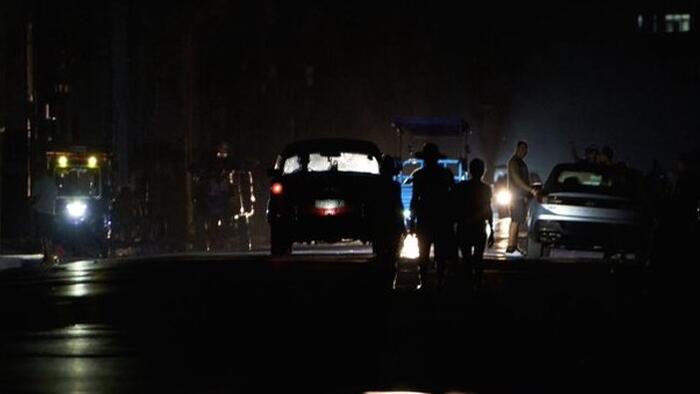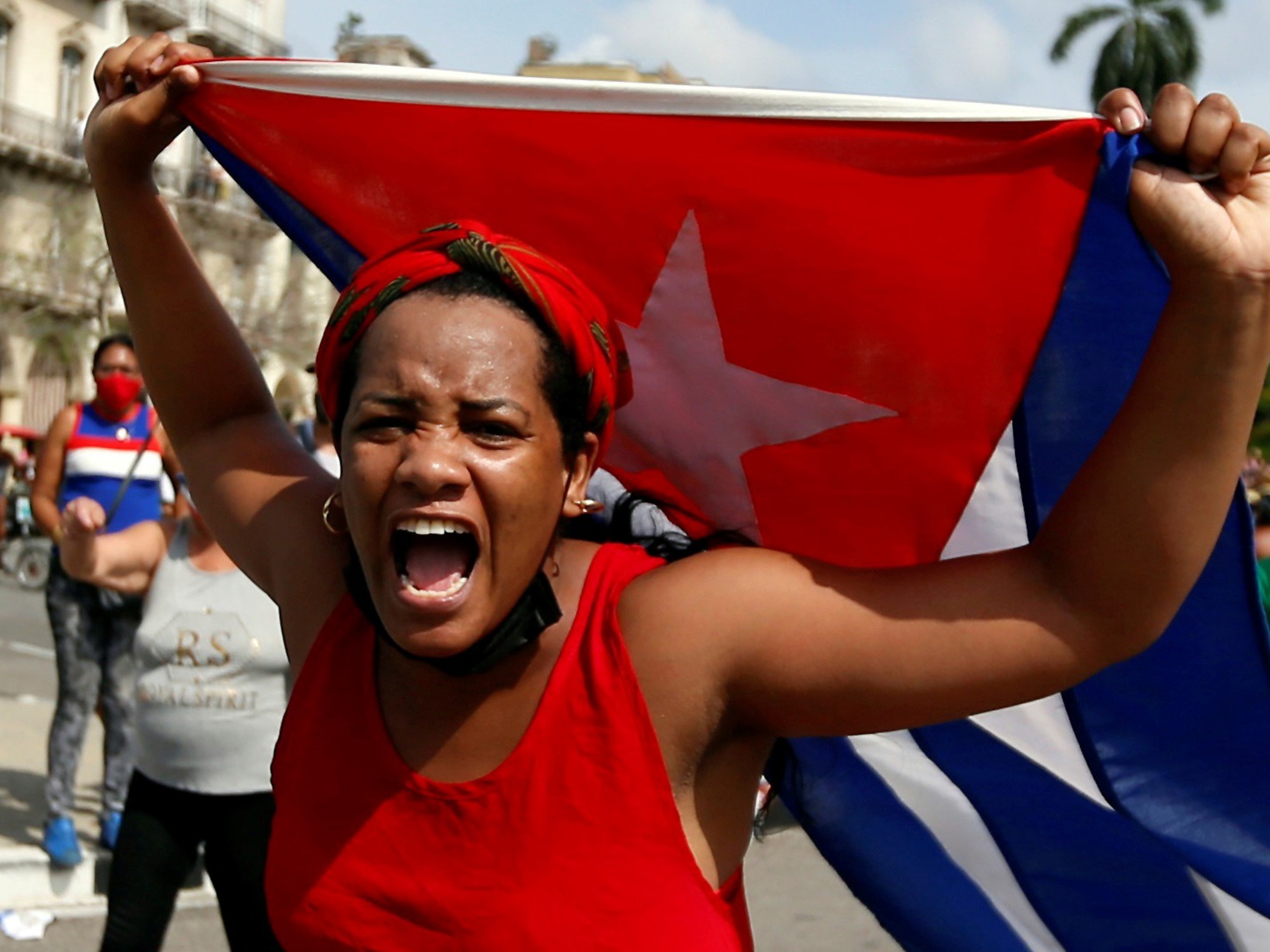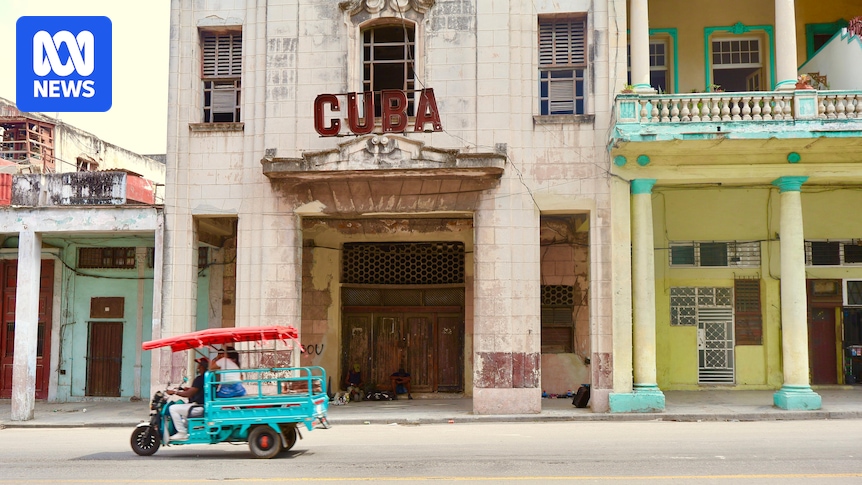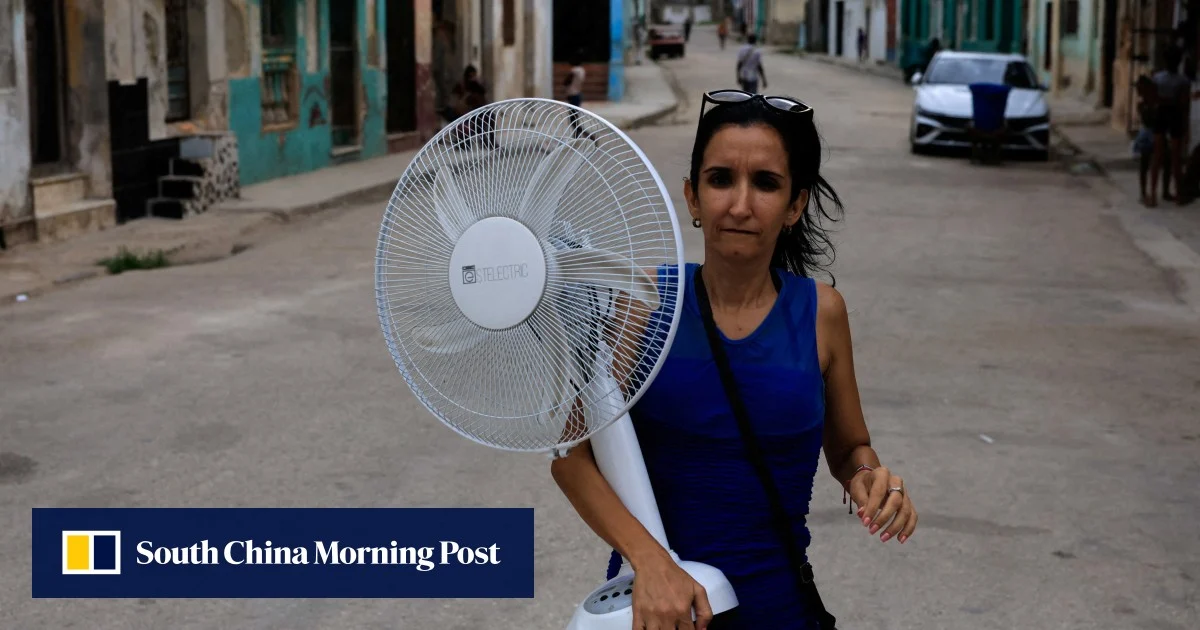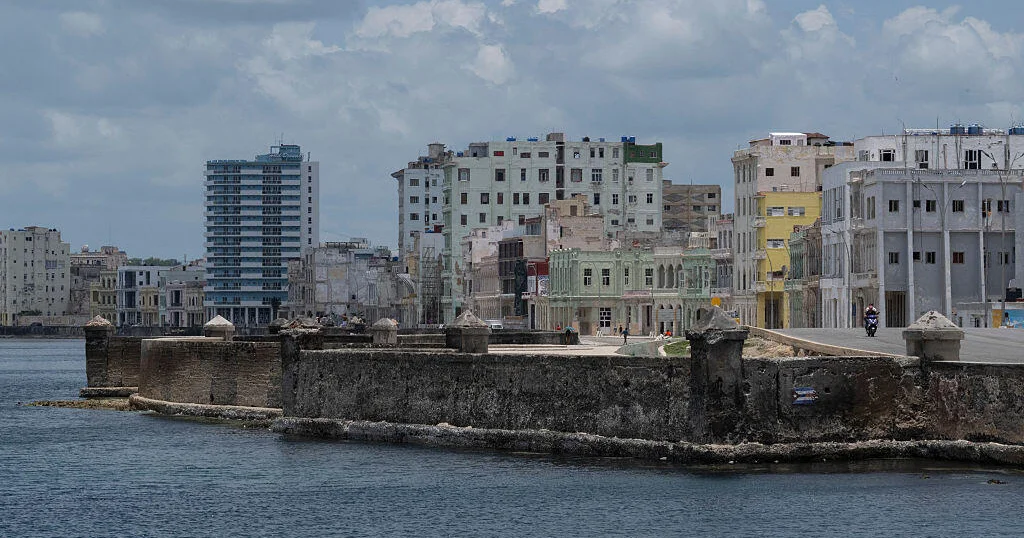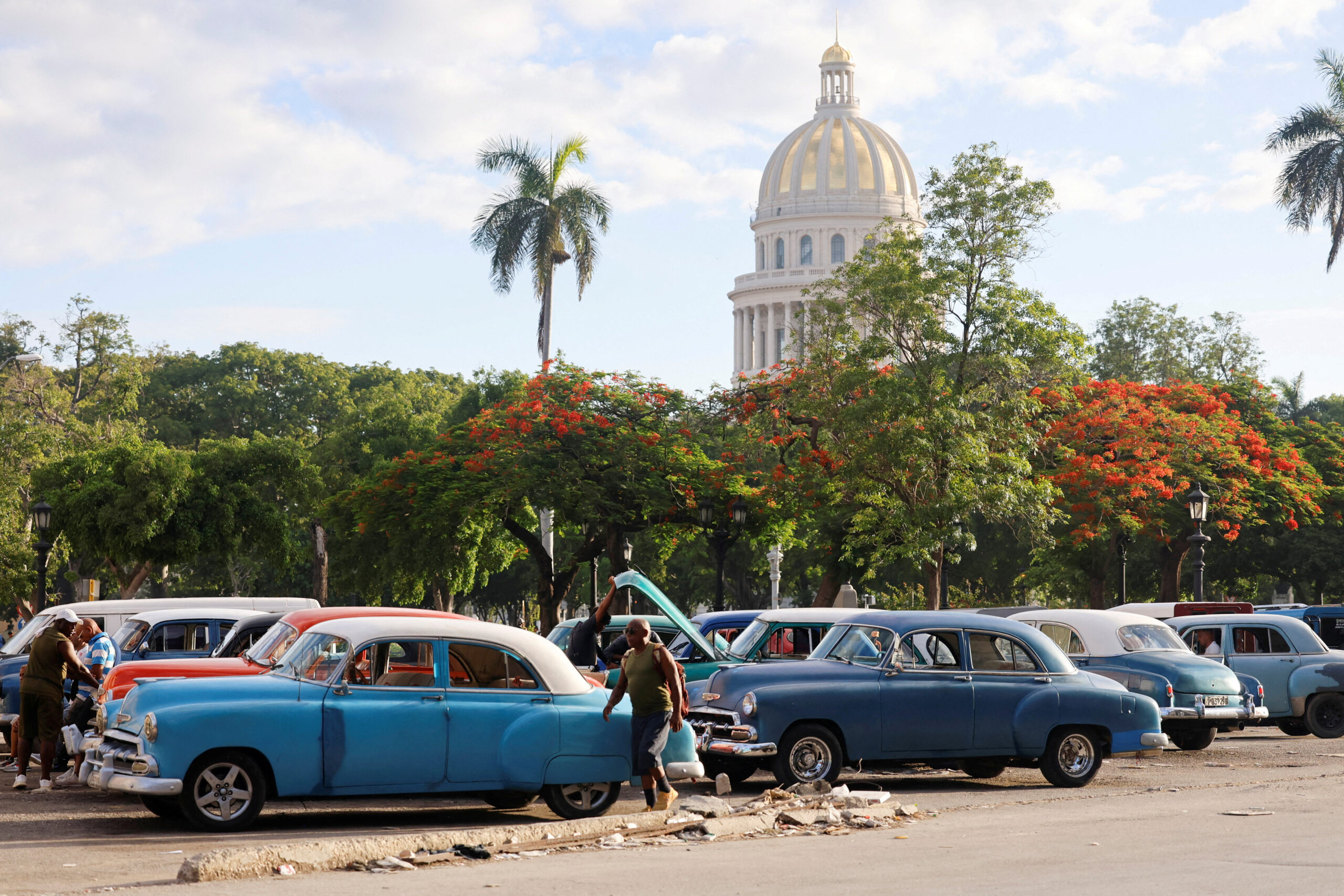
WASHINGTON—Almost exactly five years ago, thousands of Cubans, fed up with soaring inflation and severe shortages of basic goods, took to the streets in protest against the communist regime that had crippled the Cuban economy. Today, Cuba is once again in international headlines as the island’s economic collapse accelerates. While protests so far have been scattered, speculation is growing that the regime could soon face its most existential crisis in decades. The island has exhausted its fuel reserves and electricity is intermittent at best. This week, Cuba suffered a nationwide blackout.
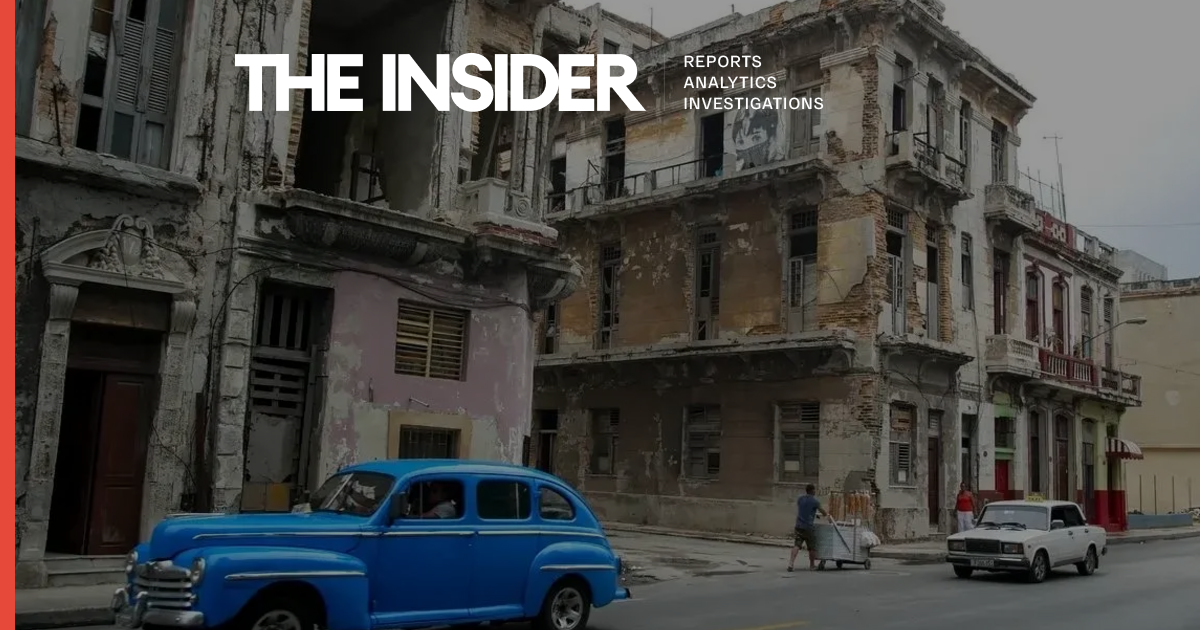
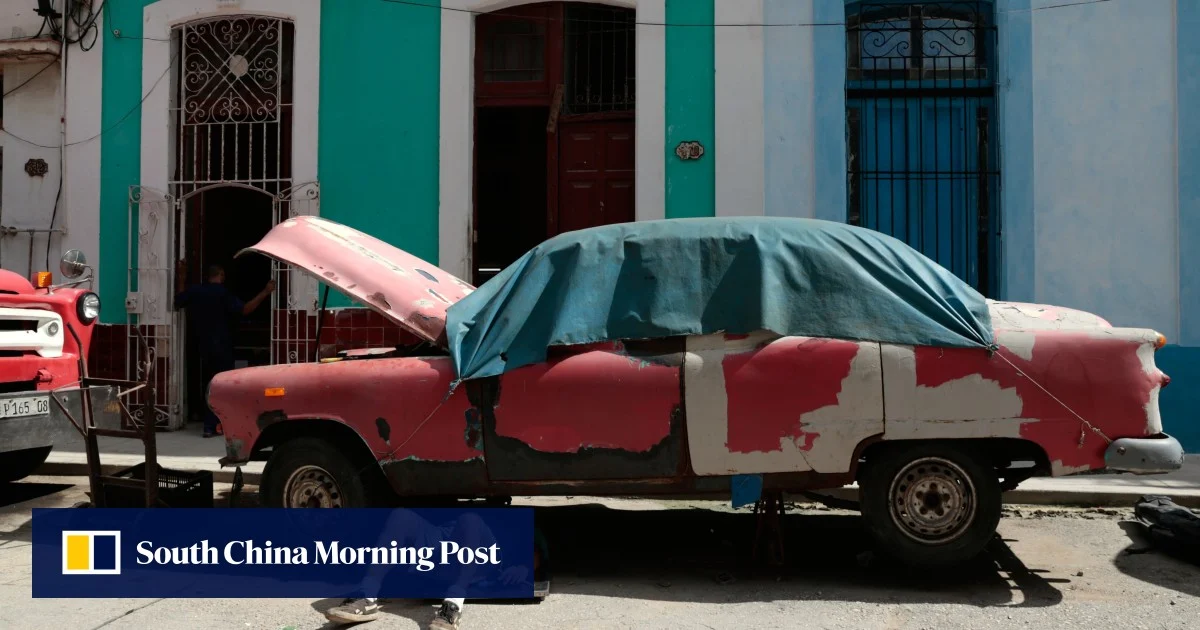
Outside of Cuba, much of the media attention and commentary about the crisis has focused on recent economic factors. But this risks echoing Havana’s preferred explanation that outside pressure, and not decades of communism, is to blame. The collapse of the island’s tourism sector, the closure of dozens of hotels, the reduction of flights to and from the island, and other negative outcomes are a result of the disastrously run state-led economy. The recent US measures imposed on Cuba have an effect, but treating this situation as a sudden, unexpected, and external shock misses the broader, more alarming reality. The island has long been collapsing under the weight of a communist dictatorship that has spent decades decapitalizing its economy and undermining the engines of the country’s prosperity. Economic changes at the margins will not improve Cubans’ future.