Story audio is generated using AI
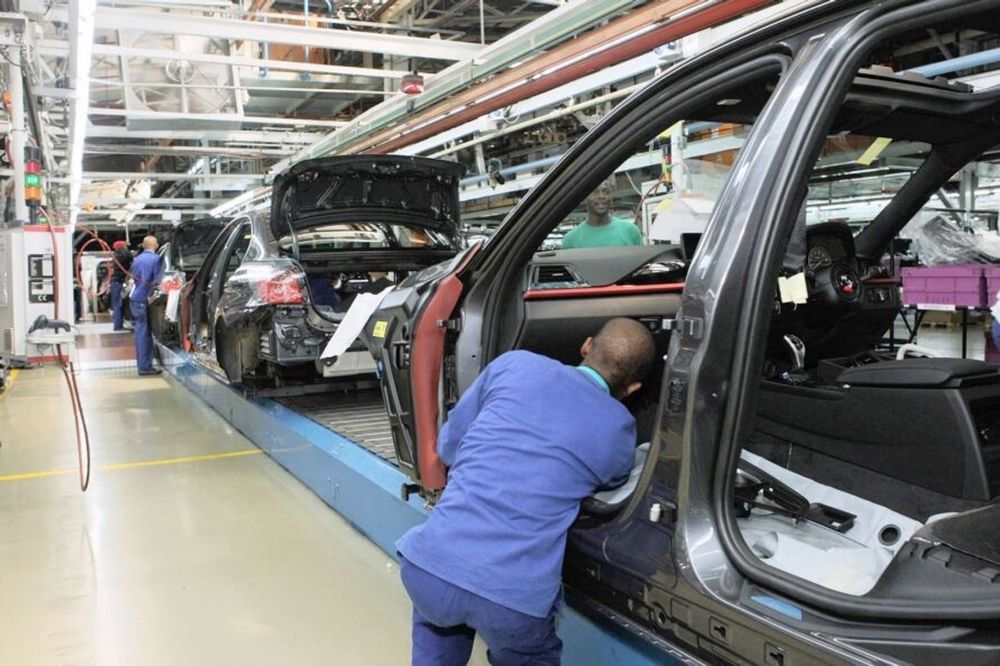
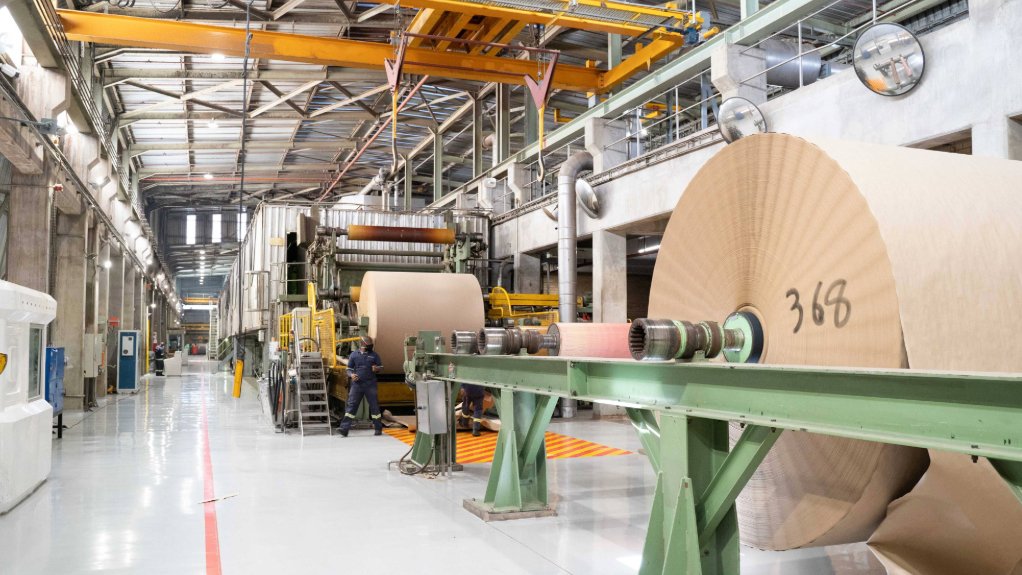
Manufacturing production decreased 4.3% on an annual basis in May, its biggest contraction in just over a year, highlighting how the sector remains under pressure from higher input costs partly triggered by the war between the US and Iran.Thursday’s data from Stats SA suggests the factory sector will be another drag to GDP growth in the second quarter of 2026 after the economy expanded by a subpar 0.5% in the first quarter as the fallout from the disruption to global oil supply started to take its toll.It also muddies the waters for the South African Reserve Bank’s next interest rate decision later this month as it balances the need to rein in runaway inflation against the risk of stifling consumer demand, which is a driver of economic growth.Seven of the 10 manufacturing divisions registered a weaker month, Stats SA director of industry statistics Nicolai Claassen said.Read: More money, less of the economy and ‘construction mafia’: this is SA construction“Food and beverages were the most significant negative contributor, retreating by 6.4% year on year and pulling overall growth down by 1.6 percentage points,” he said.Five other divisions also recorded losses, with wood, paper, printing and publishing; furniture and other manufacturing, as well as glass and non-metallic manure products registering the sharpest decreases. Three divisions were, however, stronger year on year, namely petroleum, chemical, rubber, and plastic products, textiles and clothing, and electrical machinery. But their influence was not enough to offset the declines elsewhere in the industry, Claassens said.The May decline is the steepest since manufacturing output fell 6.4% year on year in April 2025, Stats SA data shows.On a month-on-month basis, seasonally adjusted manufacturing production increased 1.1% in May compared with April. This followed a 2.6% decline in April and a 1.1% rise in March.Factory output fell 1% in the three months ended May compared with the previous trio, with six of the 10 manufacturing divisions reporting negative growth rates.While production rebounded modestly on a month-on-month basis, the broader trend remains weak, with the lower output over the three months to May pointing to a likely drag from the manufacturing sector on second quarter GDP growth, FNB economist Thanda Sithole said. The industry was the main reason for the tepid first quarter increase.“Looking ahead, the outlook remains challenging. Manufacturers continue to face elevated production costs, lingering effects from the … Middle East conflict and persistent domestic infrastructure constraints. Business confidence within the sector also remains subdued,” Sithole said.The manufacturing sector has not been spared from sharply higher production costs as a result of the Middle East conflict, which has seen oil prices peak at around $126 a barrel since it broke out in late February.In South Africa, a spike in fuel prices since April has triggered an acceleration in inflation, which quickened further to 4.5% in May, according to the latest data from Stats SA, pulling further away from the new 3% target with a 2%-4% tolerance band adopted by the Bank last year.Annual producer inflation accelerated sharply to 7.8% in May from a 4.8% increase in April, further backing the case for another interest rate hike on July 23.The central bank raised the policy rate by 25 basis points to 7% in May and has vowed to ensure that the second-round effects of price shocks do not lead to higher inflation expectations becoming entrenched.This is despite signs that economic activity is stalling and the risk that another increase in borrowing costs would stifle consumer demand.Fears of another spike in oil prices have been rekindled this week as renewed tensions between the US and Iran threaten a fragile agreement agreed about three weeks ago.Iranian armed forces launched attacks on US military infrastructure in neighbouring Gulf states on Thursday after US strikes on Iran’s southern coastal and eastern provinces, putting further strain on the deal, Reuters reported.The news agency, however, added that oil prices, which had spiked amid concerns over the effect of the renewed attacks on global supplies, fell back on Thursday as investors weighed whether the flare-up was tactical and temporary or might augur a complete collapse in the ceasefire.