Story audio is generated using AI
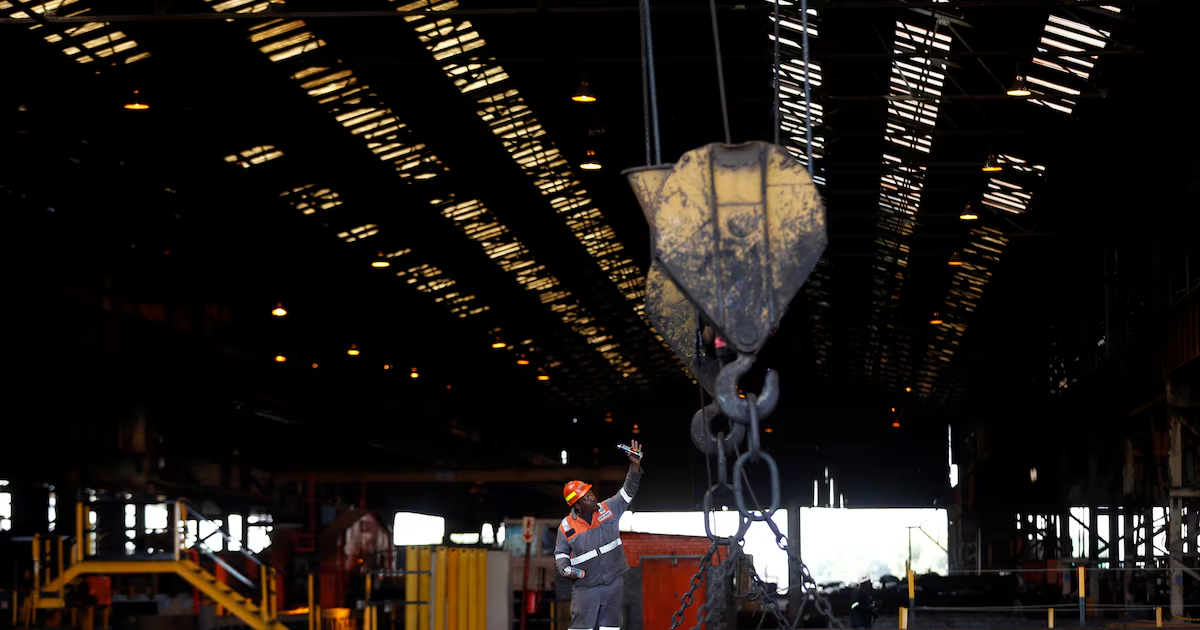
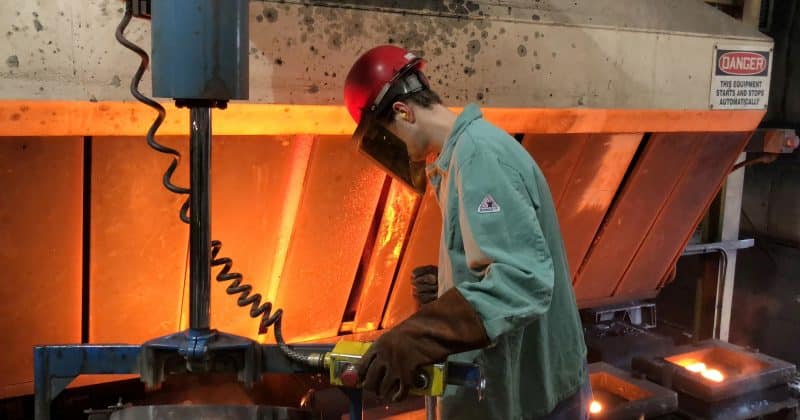
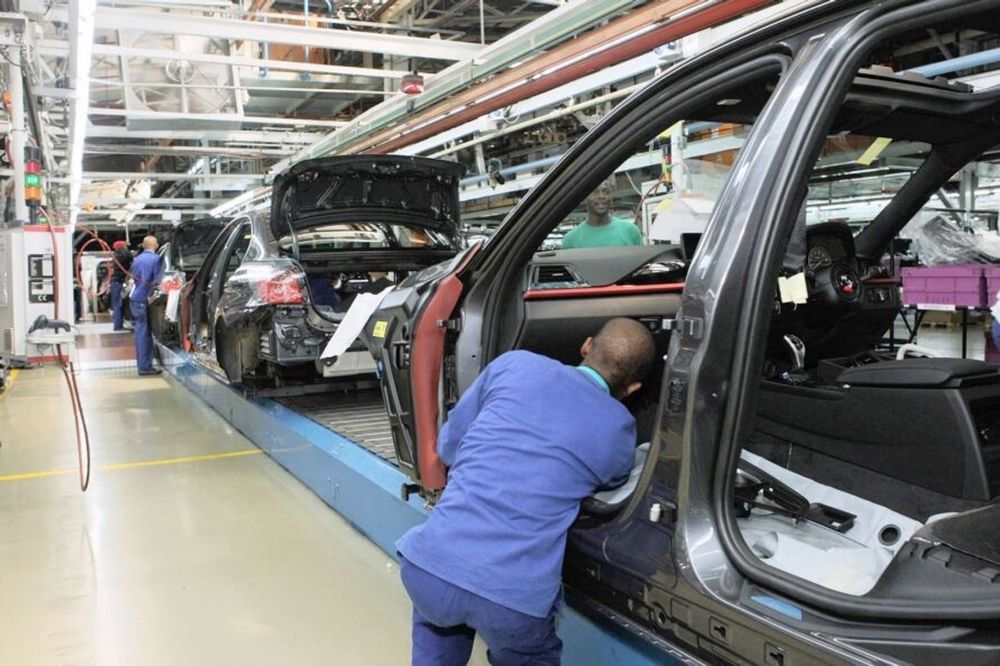
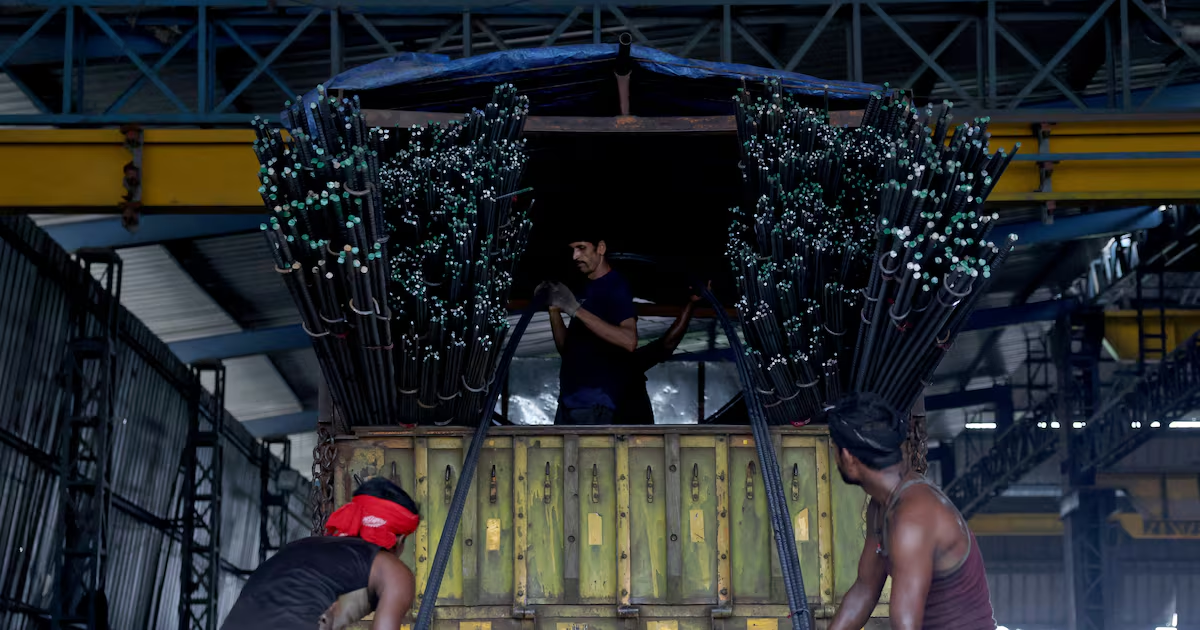
Manufacturing production shrank 2.9% year on year in April after edging up by a revised 1.5% in March, suggesting that the contraction in the sector that weighed on GDP growth in the first quarter of the year is persisting in the second.The largest negative contributions in the annual number for April were from basic iron and steel, nonferrous metal products, metal products and machinery, which declined by 6%, Stats SA said on Thursday.Wood and wood products, paper, publishing and printing slumped 10%, while output from the motor vehicles, parts and accessories and other transport equipment divisions was down 11%.Seasonally adjusted factory output fell 2.7% in April after March’s 1.2% increase, while production in the three months ended April was down 1.3% compared with the previous three months. Six of the 10 manufacturing divisions reported negative growth rates over this period.The mining sector fared better in April, with output rising 8.2% year on year on strong performances in platinum group metals, manganese ore and chromium ore. Coal was the largest negative contributor.Seasonally adjusted mining production was also up 3.3% in April compared with March, while output for the three months to April improved 2.4%.The manufacturing sector declined by 0.8% in the first three months of the year, despite a recovery in March, and was a drag on the overall economy, which expanded just 0.5% in the first quarter, according to Stats SA data earlier this week.Five of the 10 manufacturing divisions contracted during the quarter, with the largest negative contributions being petroleum, chemical products, rubber and plastic; basic iron and steel; nonferrous metals, metal products and machinery; wood and wood products; and paper as well as publishing and printing.The manufacturing sector is struggling with higher input costs stemming from higher fuel prices as the US-Iran war disrupts global oil supply.“After subtracting from GDP growth in Q1 26, we believe the manufacturing sector is unlikely to contribute meaningfully to growth in the coming quarters,” Absa economists Andiswa Nondudule and Sello Sekele wrote in a note.“For manufacturing in South Africa to recover meaningfully, we believe it needs a collection of developments, including stable energy prices, better logistics, more supportive government policies and a more conducive global environment.”South Africa’s revised industrial development strategy published earlier this week notes that the gradual deindustrialisation of the economy since the advent of democracy in 1994 has whittled the manufacturing sector’s contribution to GDP to about 13% from about 23%.It calls for preferential electricity tariffs to reduce costs for the industrial sector, including mining, manufacturing and energy-intensive industries such as smelting.