“And what should they know of England who only England know?” That was the question famously posed by Indian-born writer Rudyard Kipling in his 1891 poem “The English Flag”.
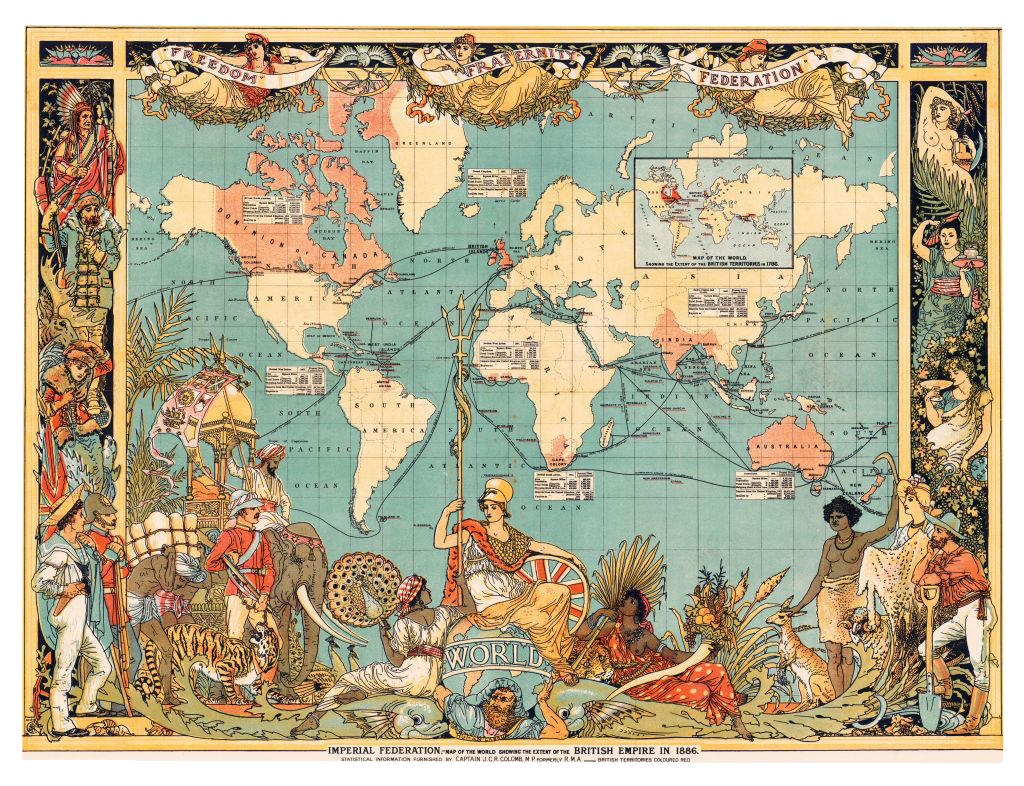
Kipling celebrated the British empire’s enormous reach and influence, castigating ordinary men and women in England who he believed knew little of it and cared even less.
British identity, for the author of Kim and The Jungle Book, was inherently imperial, and so was England.
As Tanjil Rashid argued in the New Statesman last year: "From its inception, Britishness was a composite identity, formed in the aftermath of the union of England and Scotland, capable of absorbing both nations, alongside the Welsh, the Irish and the myriad nationalities that would be absorbed (and invented) by the British empire: Australians, Canadians, New Zealanders and, crucially, Indians."
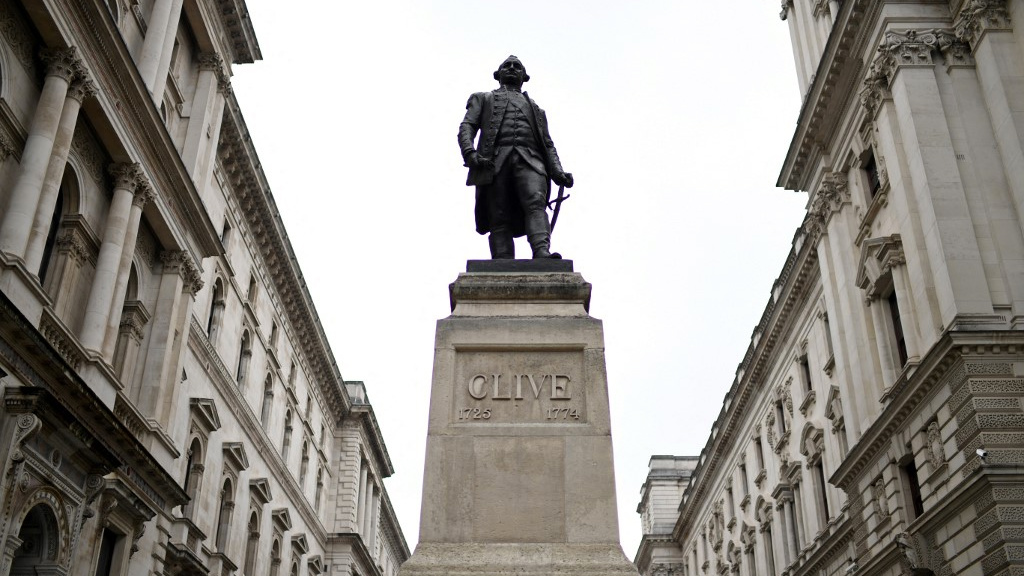
But debate over the public’s memory of the imperial past, or lack thereof, rages periodically to this day.