TL;DRFrom 7 July 2026, the second phase of the EU’s General Safety Regulation makes advanced driver aids mandatory on all newly manufactured cars and vans, including pedestrian- and cyclist-detecting emergency braking and a camera-based driver distraction warning. It builds on the 2024 first phase (which brought in intelligent speed assistance) and supports the EU’s Vision Zero goal of near-zero road deaths by 2050. The cabin-facing camera is the most contentious element, welcomed by safety researchers but eyed warily by privacy advocates.
A new wave of mandatory safety technology took effect for cars and vans across the EU on 7 July. Every newly manufactured passenger car and van must now carry advanced driver aids, the European Commission has confirmed.
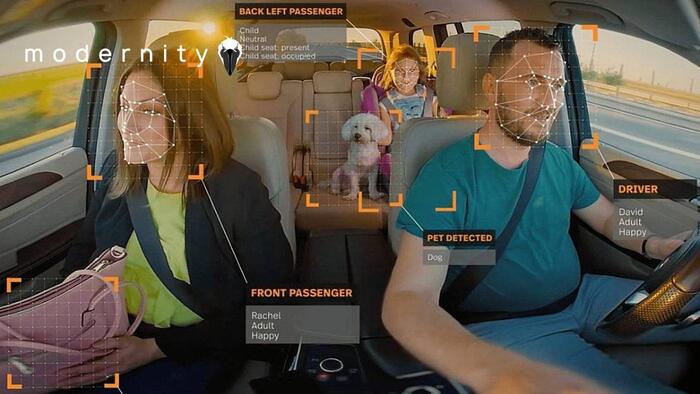
The headline additions are an advanced emergency brake that detects pedestrians and cyclists, and a driver distraction warning system. The rules also require better forward vision, new tests for worn tyres, and a larger area of safety glass to protect people on foot.
This is the second phase of the General Safety Regulation, the 2019 law that has steadily made once-premium features standard. The first phase, mandatory since 2024, already brought in systems such as intelligent speed assistance.