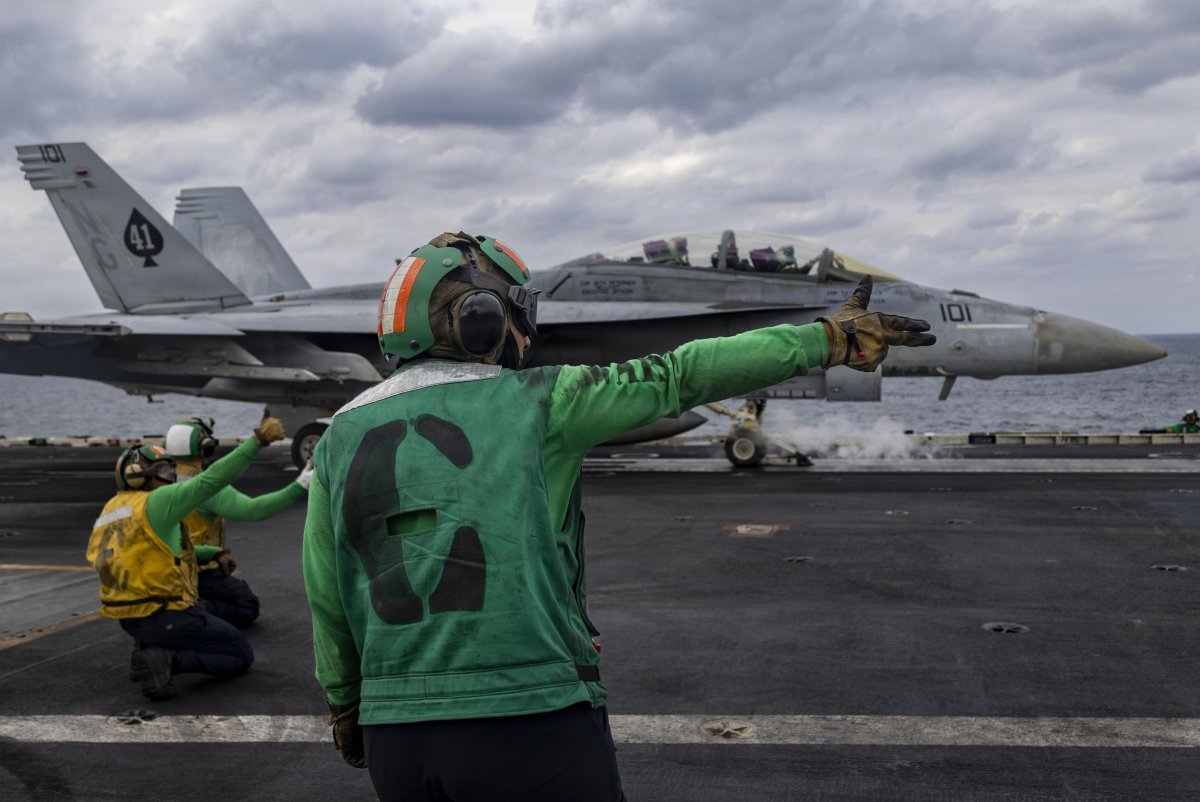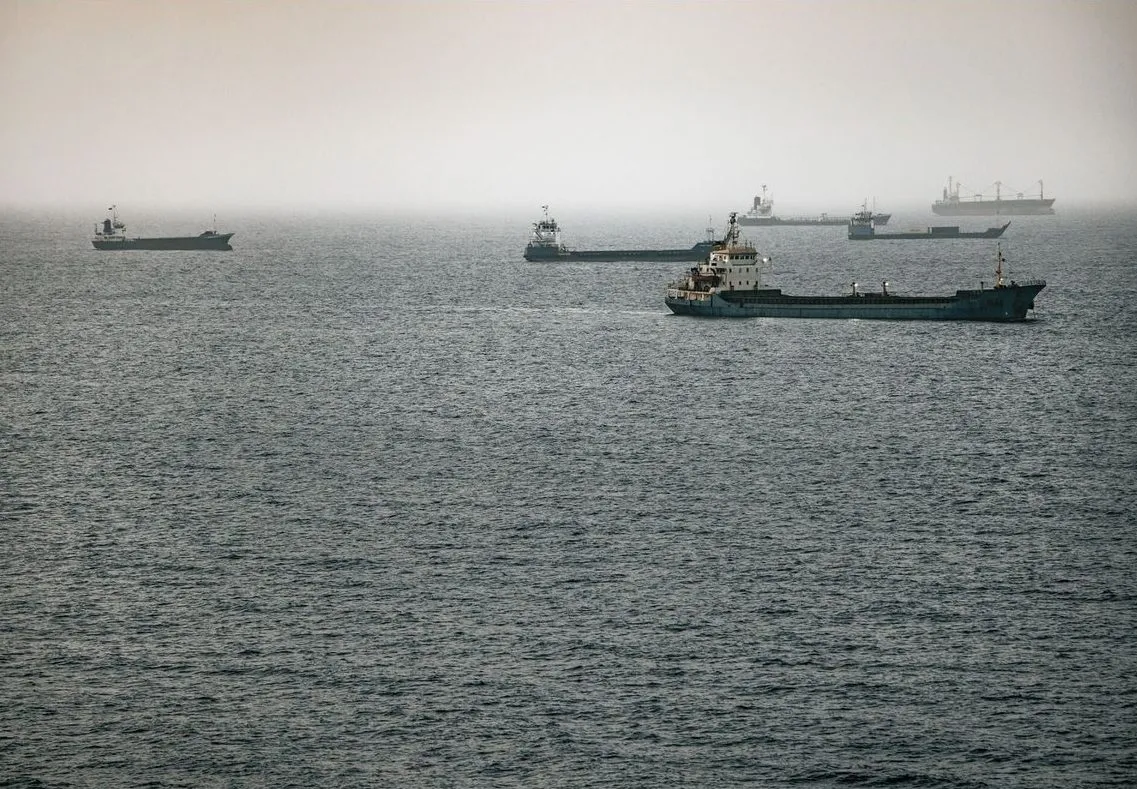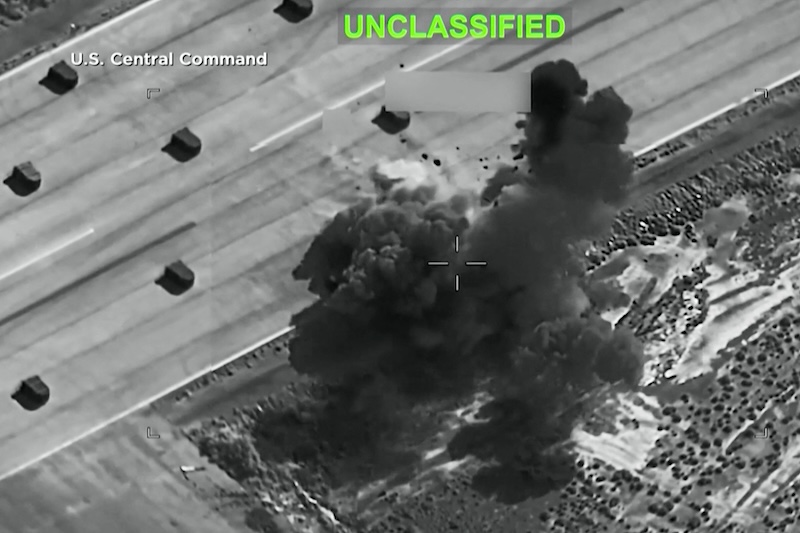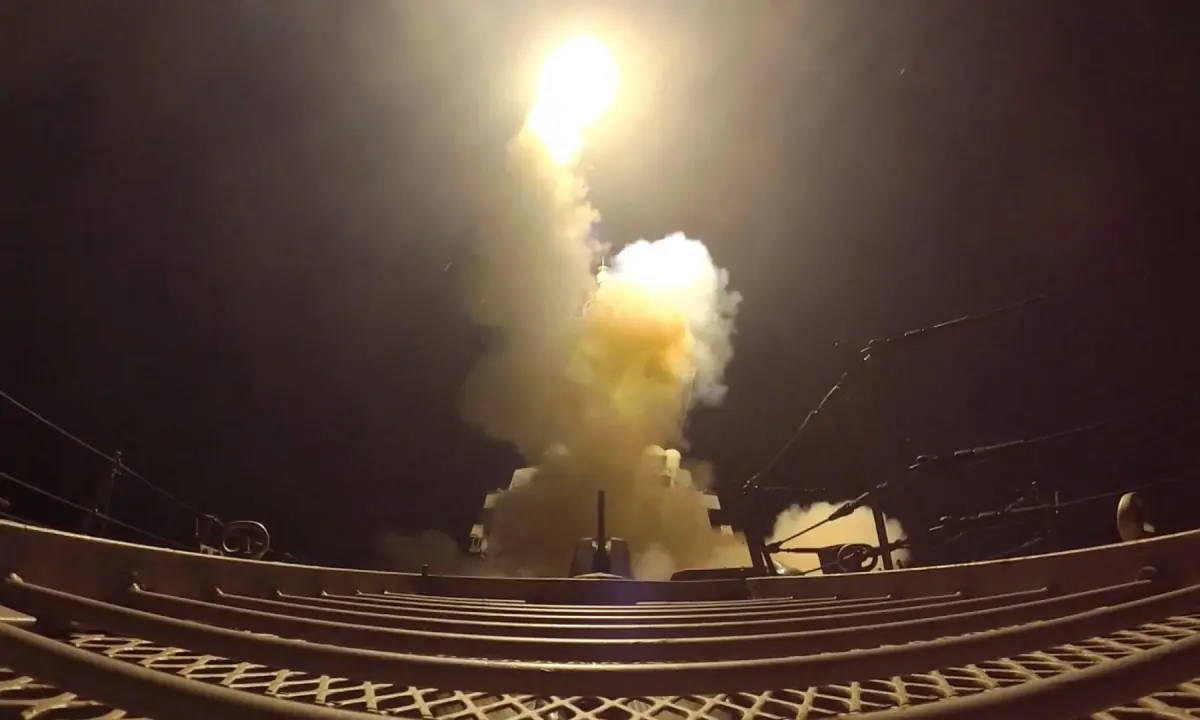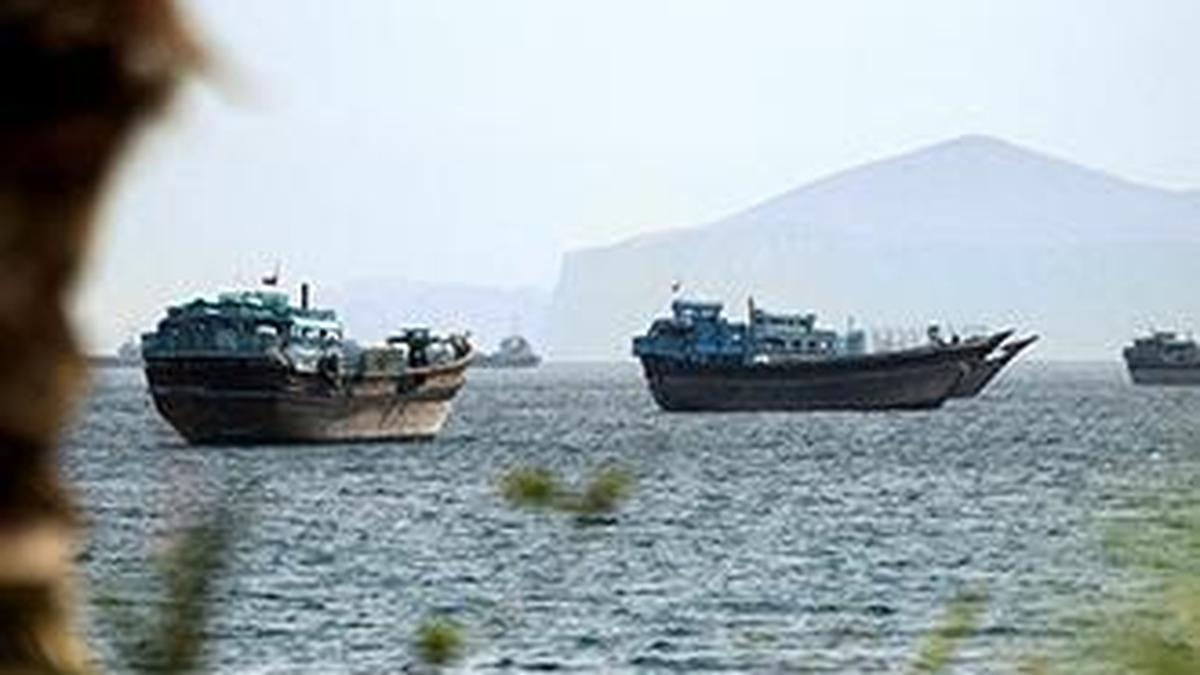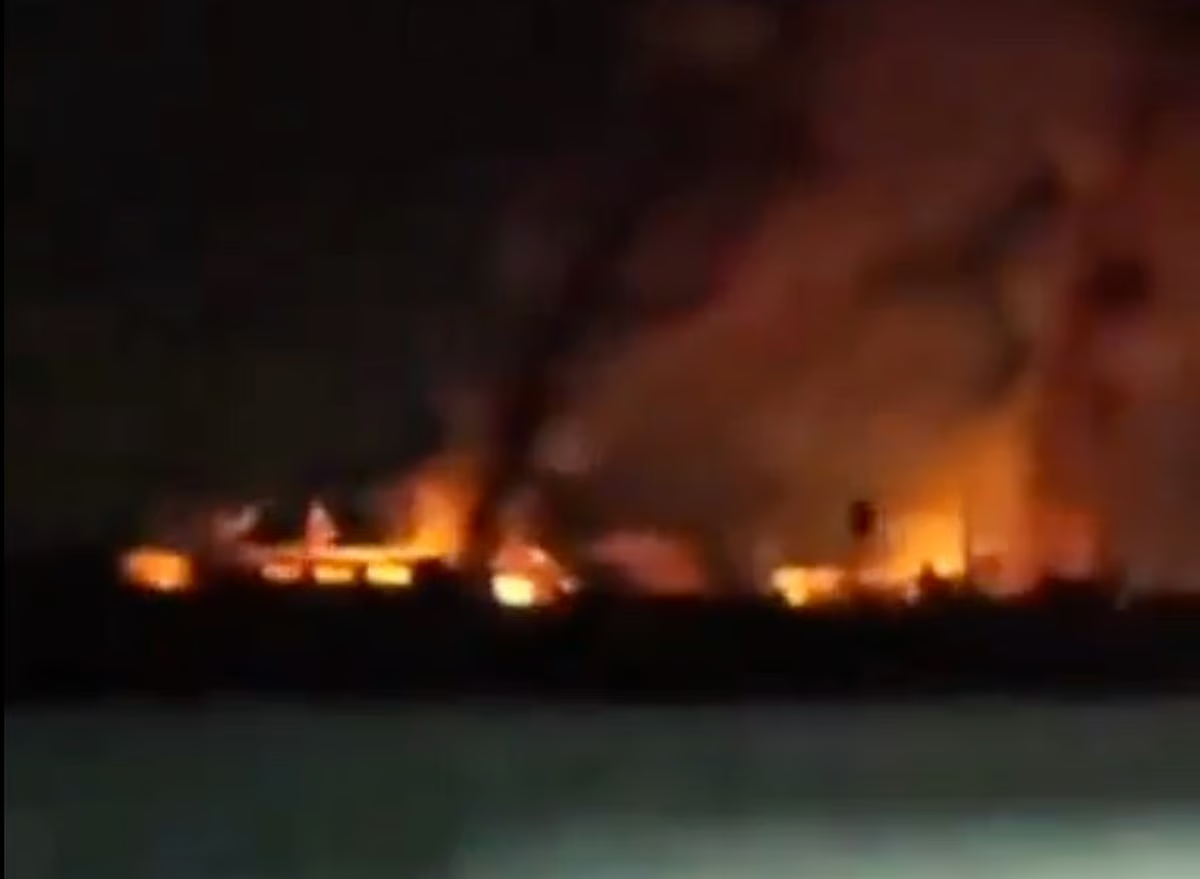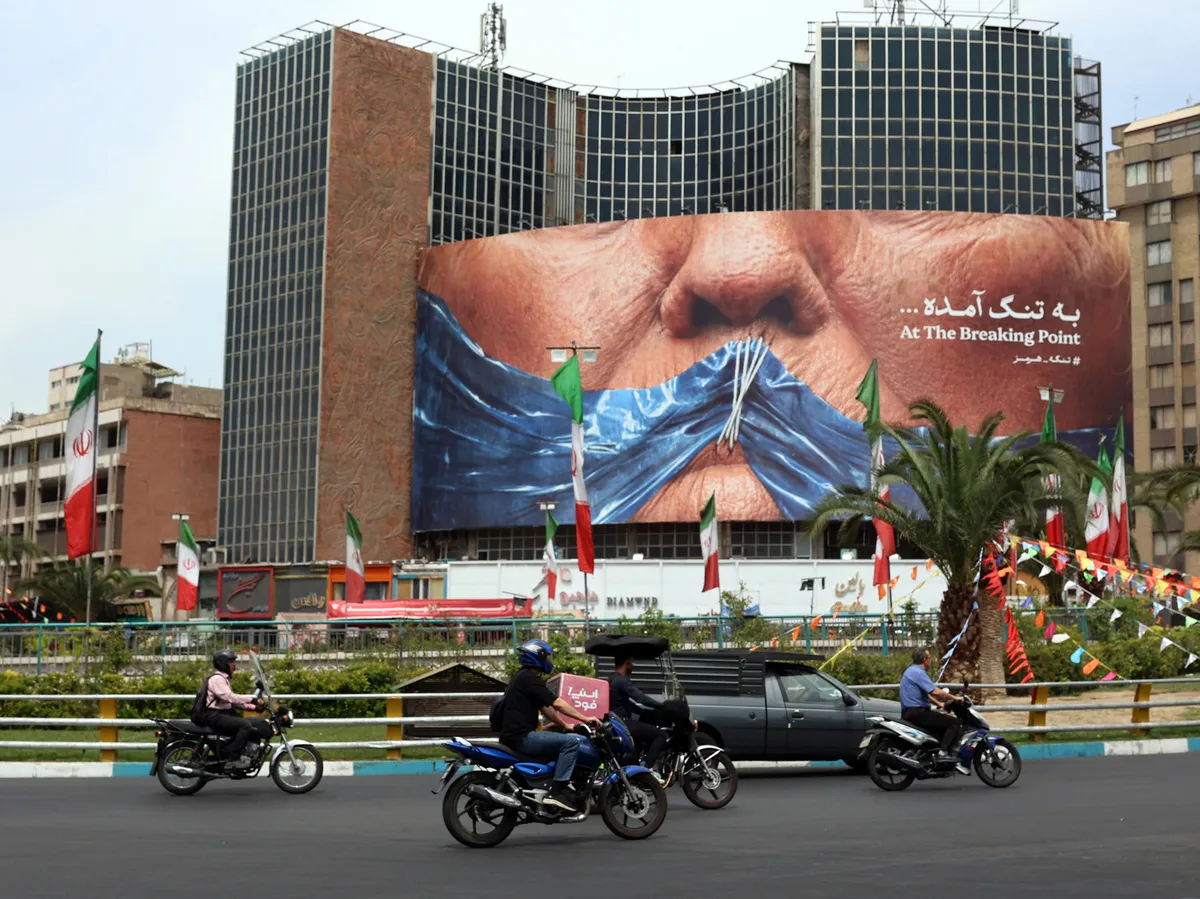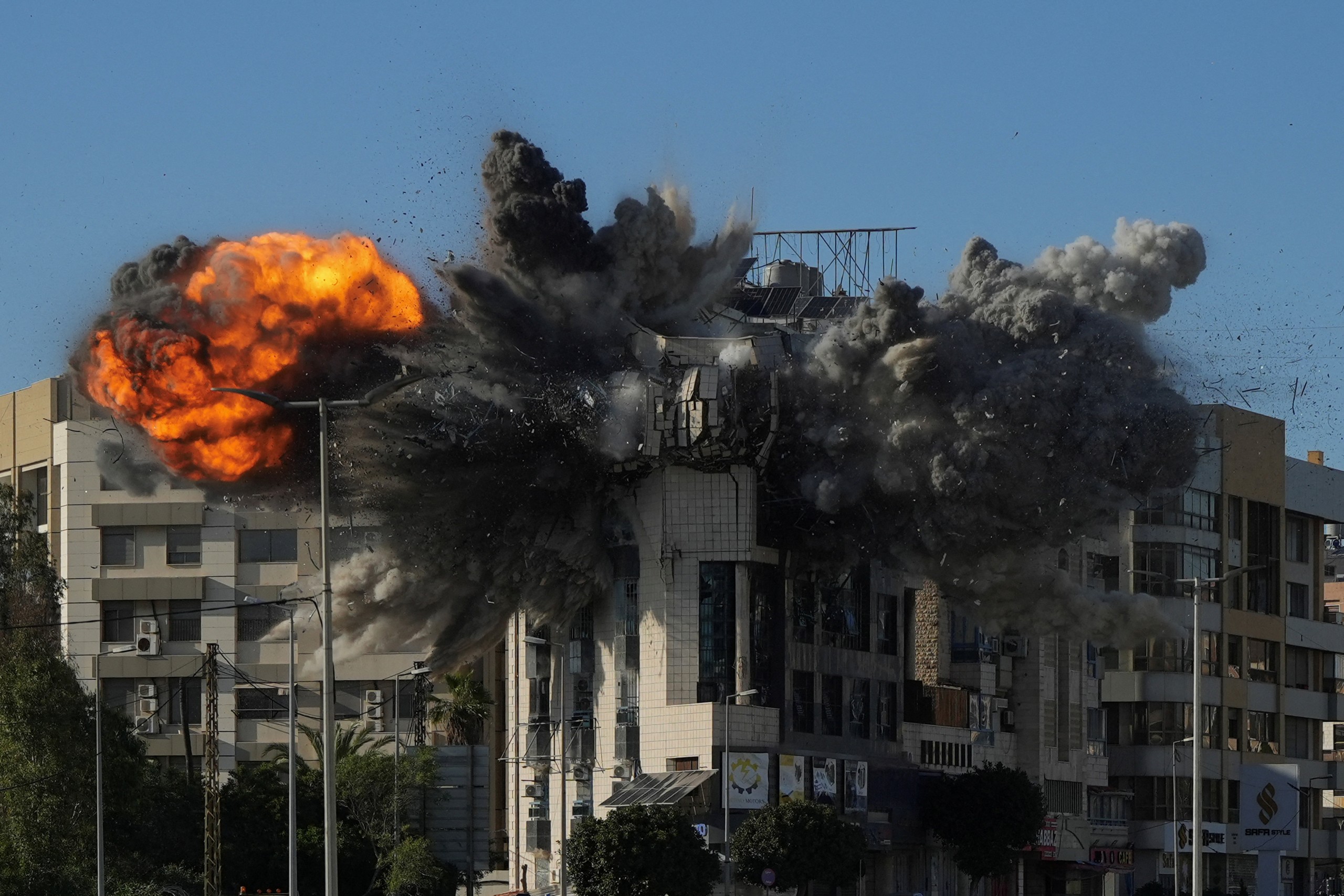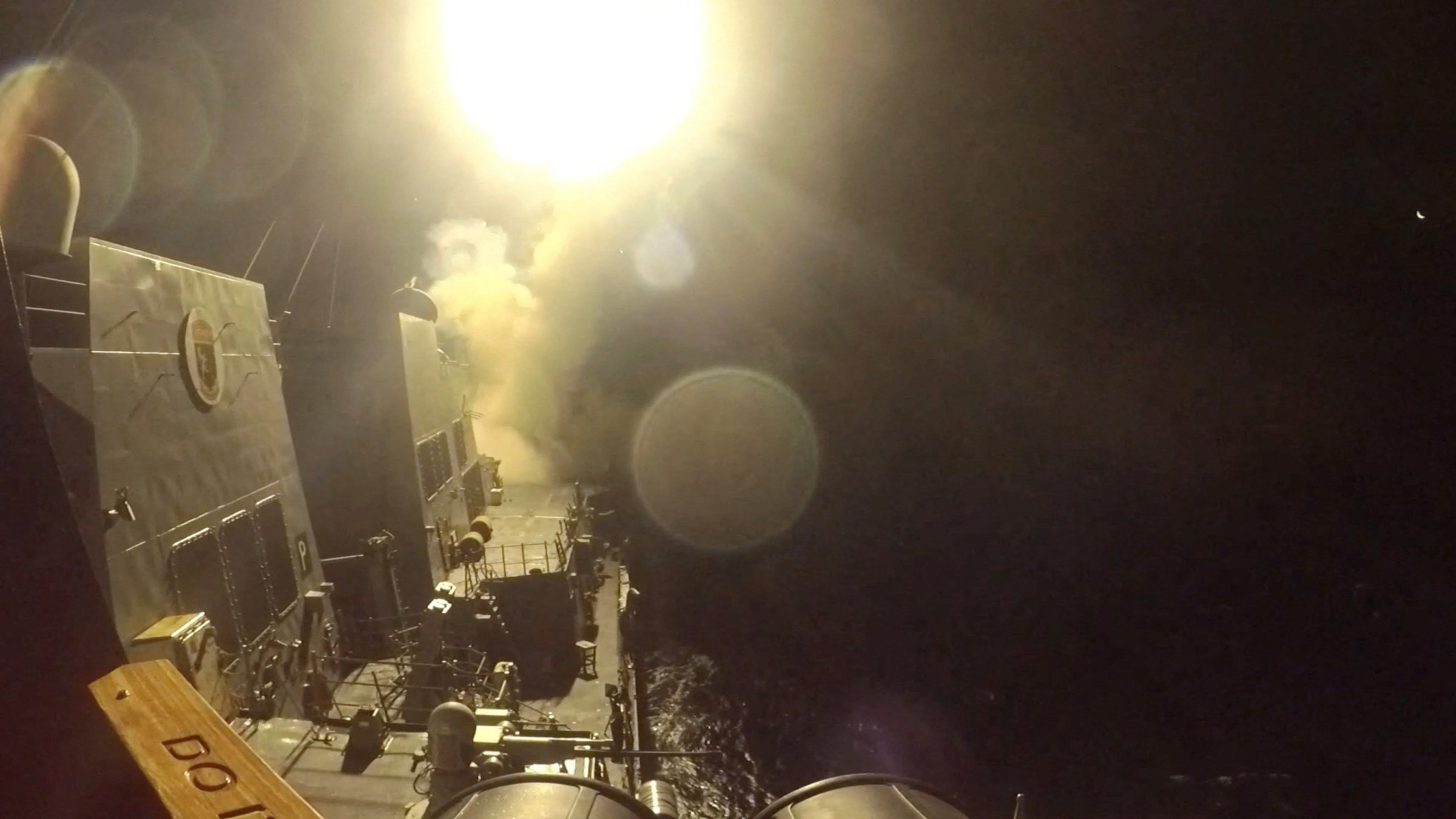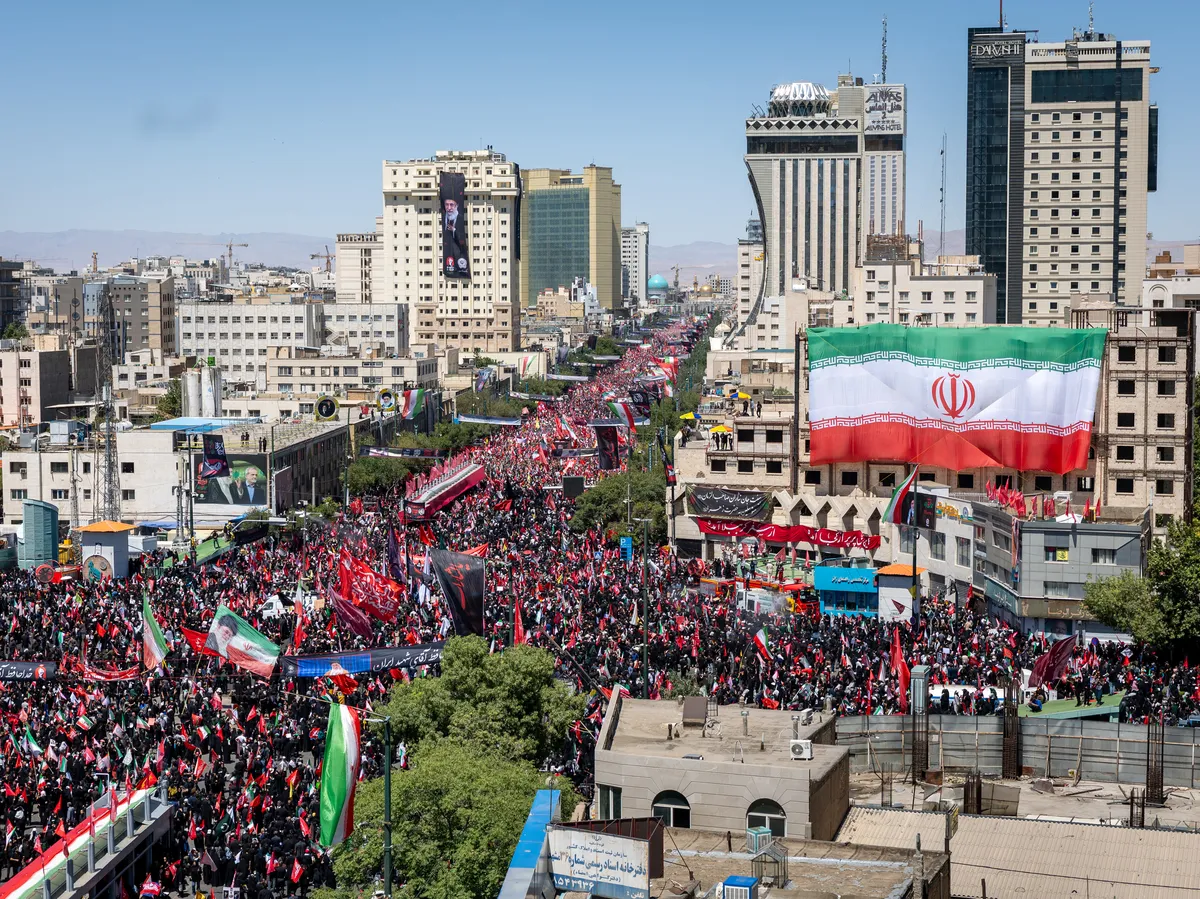
Skip to Content News Archives Economy Energy Oil & Gas Renewables Electric Vehicles Mining Commodities Agriculture Real Estate Mortgages Mortgage Rates Finance Banking Insurance Fintech Cryptocurrency Work Wealth Smart Money Wealth Management Investor Personal Finance Family Finance Retirement Taxes High Net Worth FP Comment Executive Women Puzzmo Newsletters Financial Times Business Essentials More Innovation Information Technology FP500 Podcasts Small Business Lives Told Tails Told Shopping Financial Post Store Obituaries Place a Notice Advertising Advertising With Us Advertising Solutions Postmedia Ad Manager Sponsorship Requests Classifieds Place a Classifieds ad Working Profile Settings My Subscriptions Saved Articles My Offers Newsletters Customer Service FAQ News Economy Energy Mining Real Estate Finance Work Wealth Investor FP Comment Executive Women Puzzmo Newsletters Financial Times Business Essentials HomeCommoditiesEnergyOil & GasNewsU.S., Iran trade airstrikes as fears grow of a return to warU.S. Central Command said on X it hit about 90 targets on WednesdayAuthor of the article:Last updated 1 hour ago You can save this article by registering for free here. Or sign-in if you have an account.Thousands of mourners await the arrival of the body of Iran's slain Supreme Leader Ayatollah Ali Khamenei on July 09, 2026 in Mashhad, Iran. Photo by John Moore/Getty ImagesThe U.S. military struck Iran for a second day and Tehran retaliated against American allies in the Persian Gulf, raising fears of a return to war after little progress in efforts to secure a diplomatic outcome.Subscribe now to read the latest news in your city and across Canada.Exclusive articles from Barbara Shecter, Joe O'Connor, Gabriel Friedman, and others.Daily content from Financial Times, the world's leading global business publication.Unlimited online access to read articles from Financial Post, National Post and 15 news sites across Canada with one account.National Post ePaper, an electronic replica of the print edition to view on any device, share and comment on.Daily puzzles, including the New York Times Crossword.Subscribe now to read the latest news in your city and across Canada.Exclusive articles from Barbara Shecter, Joe O'Connor, Gabriel Friedman and others.Daily content from Financial Times, the world's leading global business publication.Unlimited online access to read articles from Financial Post, National Post and 15 news sites across Canada with one account.National Post ePaper, an electronic replica of the print edition to view on any device, share and comment on.Daily puzzles, including the New York Times Crossword.Create an account or sign in to continue with your reading experience.Access articles from across Canada with one account.Share your thoughts and join the conversation in the comments.Enjoy additional articles per month.Get email updates from your favourite authors.Create an account or sign in to continue with your reading experience.Access articles from across Canada with one accountShare your thoughts and join the conversation in the commentsEnjoy additional articles per monthGet email updates from your favourite authorsSign In or Create an AccountorU.S. Central Command said on X it hit about 90 targets on Wednesday — after 80 the previous day — “to further degrade” the Islamic Republic’s ability to attack commercial shipping in the Strait of Hormuz. Iran responded by targeting U.S. bases in Bahrain, Kuwait and Qatar, according to the semi-official Iranian Students’ News Agency.“Every time they hit us, we’ll hit them 20,” U.S. President Donald Trump told reporters on Air Force One.“I don’t know. We’d win it very quickly. We have many ways we could win,” he added when asked whether the U.S. and Iran were returning to an all-out war.The attacks came about three weeks after the U.S. and Iran signed an interim peace agreement that triggered a 60-day negotiation period to resolve outstanding issues in the conflict. The talks, which are on hold while Iran conducts a week-long mass funeral for late Supreme Leader Ali Khamenei, have yet to achieve a significant breakthrough.The U.S. has revoked a waiver allowing new sales of Iranian oil — a condition of the interim deal — in response to attacks on ships in the Strait of Hormuz that the administration blamed on the Islamic Republic. Traffic through the waterway came to a near standstill on Thursday, and Iran’s insistence that it retains control of the passage is one of many issues on which the two sides remain far apart.Oil prices fluctuated on Thursday after surging after the outbreak of fighting the previous day. Brent crude, the global benchmark, fell about 0.5 per cent to US$77.50 a barrel, after gaining more than five per cent on Wednesday.Centcom said it targeted Iran’s air defence systems, coastal surveillance assets, and missile and drone storage sites. Iranian media reported that U.S. forces also hit railways, forcing Iran to suspend a line connecting capital Tehran with Mashad, where Khamenei is scheduled to be buried later on Thursday.Iran’s Islamic Revolutionary Guard Corps threatened to expand its attacks, according to Press TV. Earlier, parliamentary speaker Mohammad Bagher Ghalibaf issued a warning that “the U.S. still hasn’t learned that bullying and breaking its commitments no longer come without a cost.”“Let me be clear: If you strike, you will be struck back,” he said in a post on X. آمریکا هنوز یاد نگرفته است که زورگویی و بدعهدی دیگر بیهزینه نیست. شفاف بگویم: بزنید، میخورید. دست و پای بیهوده نزنید که بیشتر فرو خواهید رفت: تنگه هرمز، فقط با «ترتیبات ایرانی» باز میشود نه با تهدیدات آمریکایی.— محمدباقر قالیباف | MB Ghalibaf (@mb_ghalibaf) July 9, 2026Qatar Prime Minister Sheikh Mohammed Bin Abdulrahman Al Thani discussed the military escalation in a phone call with Iran Foreign Minister Abbas Araghchi, according to a statement from Qatar’s foreign ministry. Attacks on commercial ships in Strait of Hormuz erode trust and harm efforts for regional security, he said.Kuwait’s army said it intercepted three ballistic missiles, one cruise missile, and 10 drones that entered the country’s airspace in the early hours of Thursday. Bahrain’s Ministry of the Interior said sirens had sounded and urged residents to head to the nearest safe place.Traffic through the Strait of Hormuz dropped off as traders assessed the outlook for Middle Eastern crude supplies. Observable movements in the world’s most vital energy conduit largely occurred along an Iran-approved route nearer to the waterway’s north, while the U.S.-supported Omani corridor was quiet, ship-tracking data show.Trump threatened to resume a blockade of Iranian ports and escalate the military campaign by targeting infrastructure such as desalination and power plants. On Wednesday, he declared the ceasefire “over,” sending oil higher and stocks and bonds lower, before saying he would let negotiators continue talks and that he didn’t think the war would resume.Still, the latest violence casts doubt on the prospect of negotiations continuing.Issues to be resolved in discussions include management of the strait and the release of billions of dollars of frozen funds to the Islamic Republic, with talks on Iran’s nuclear program to follow.With assistance from Eltaf Najafizada and Omar Tamo Join the Conversation This website uses cookies to personalize your content (including ads), and allows us to analyze our traffic. Read more about cookies here. By continuing to use our site, you agree to our Terms of Use and Privacy Policy.
U.S., Iran trade airstrikes as fears grow of a return to war
The U.S. military struck Iran for a second day and Tehran retaliated against American allies in the Persian Gulf. Read more.
1,163 words~5 min read