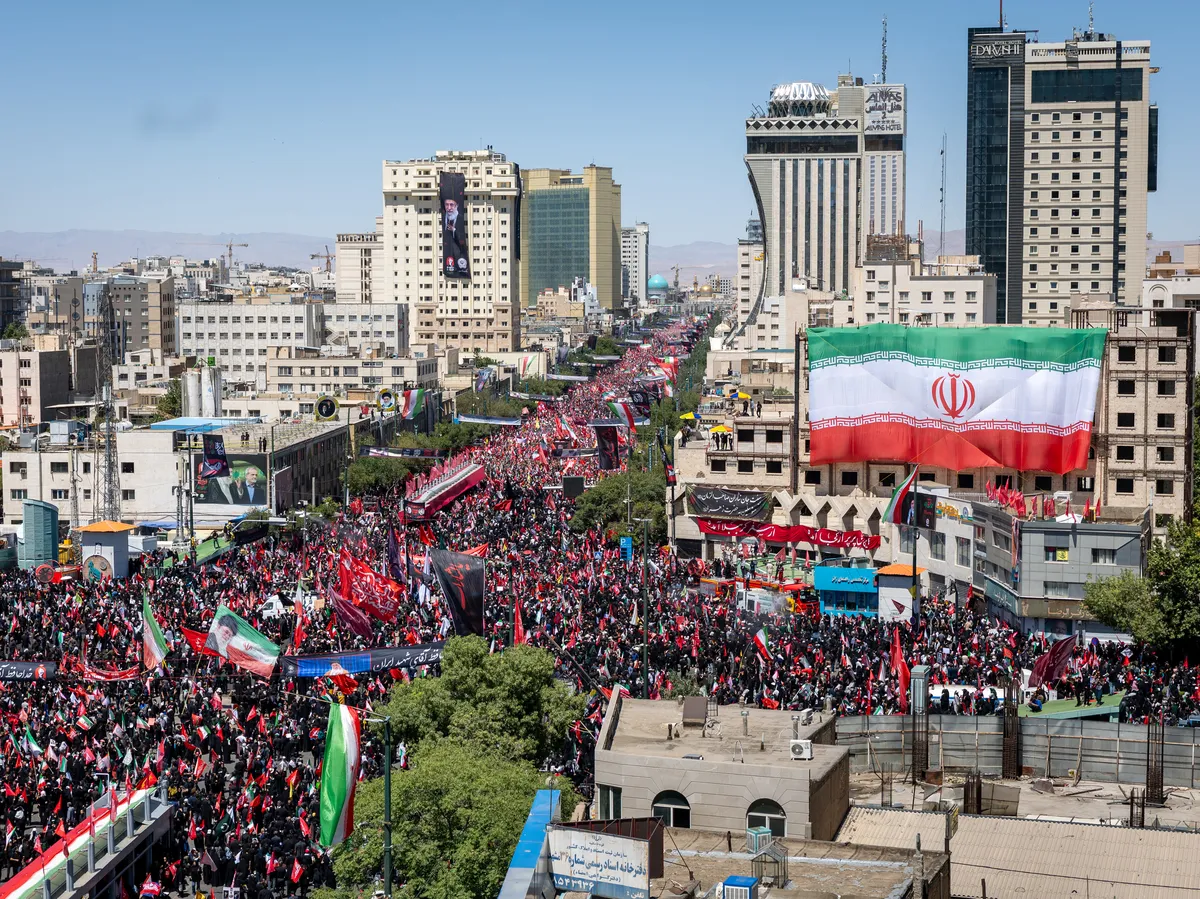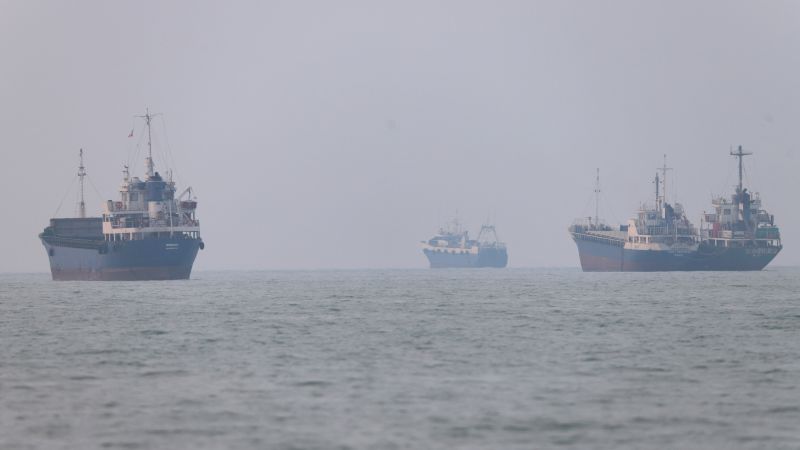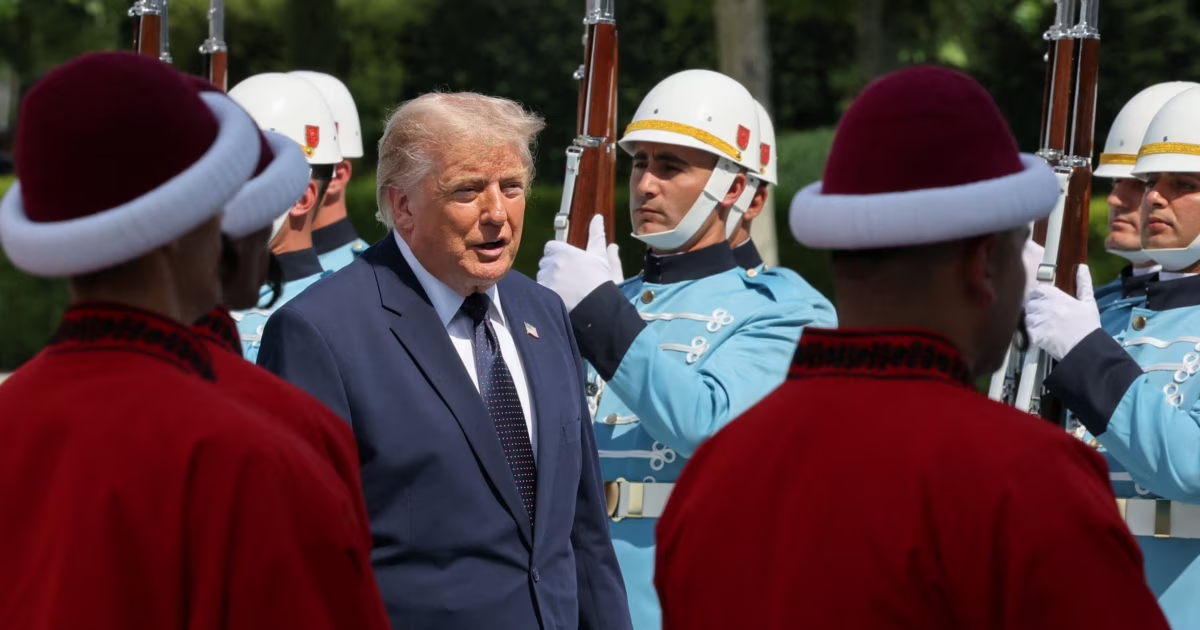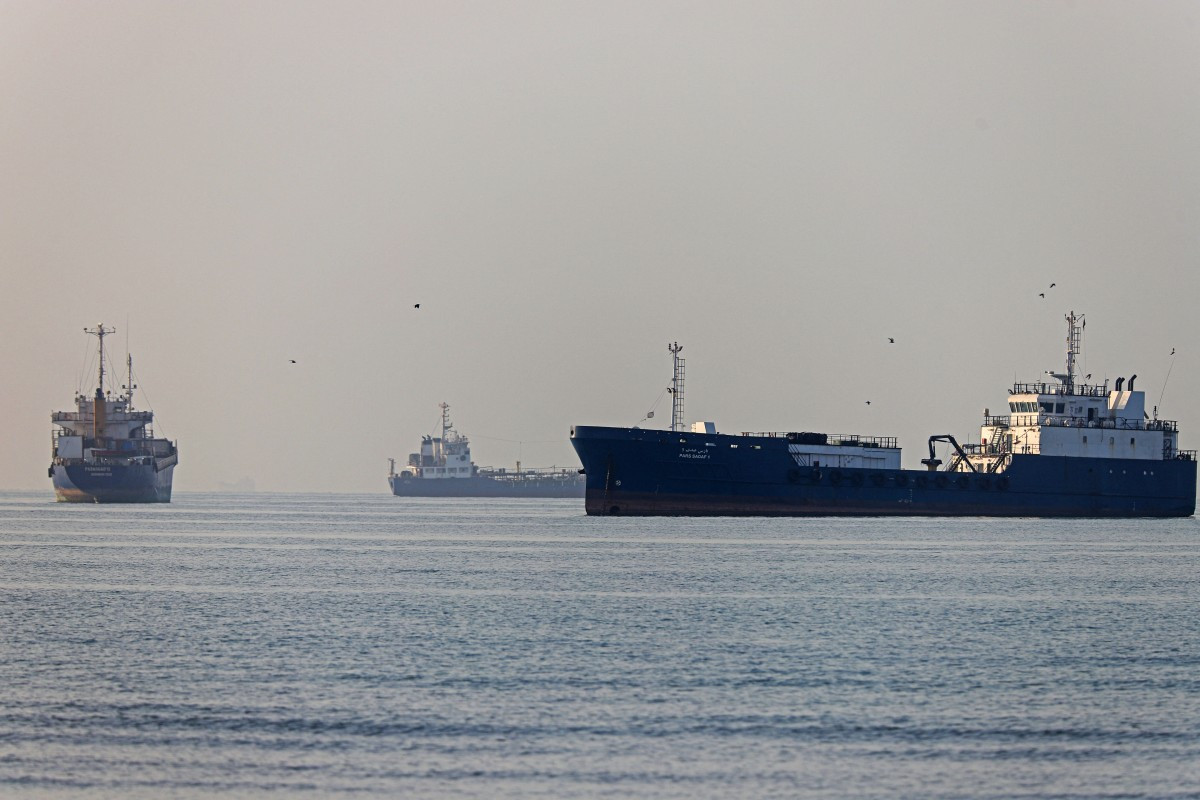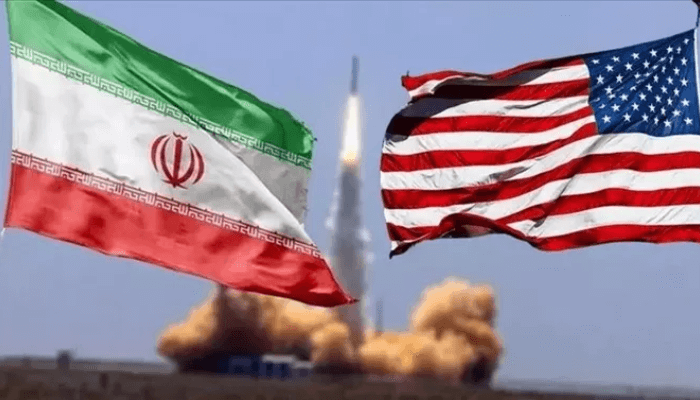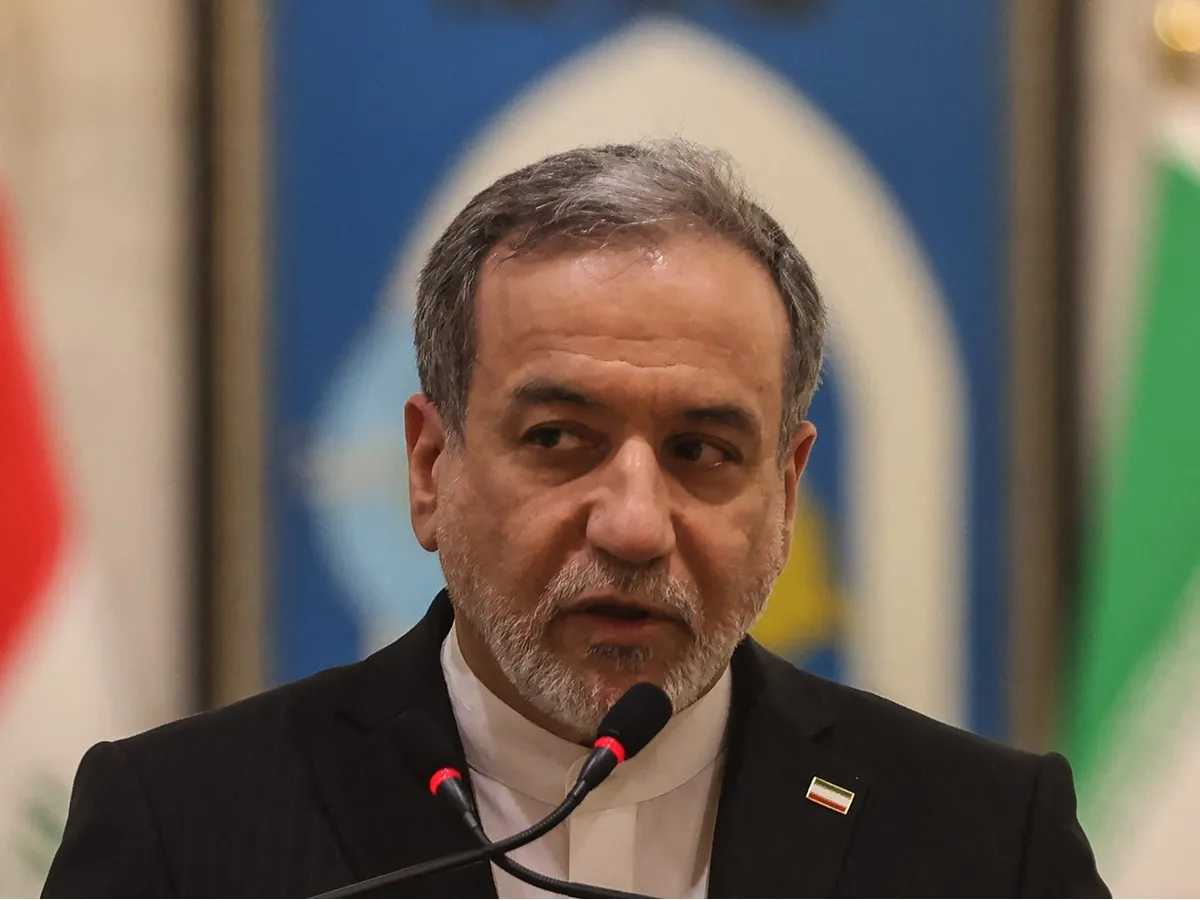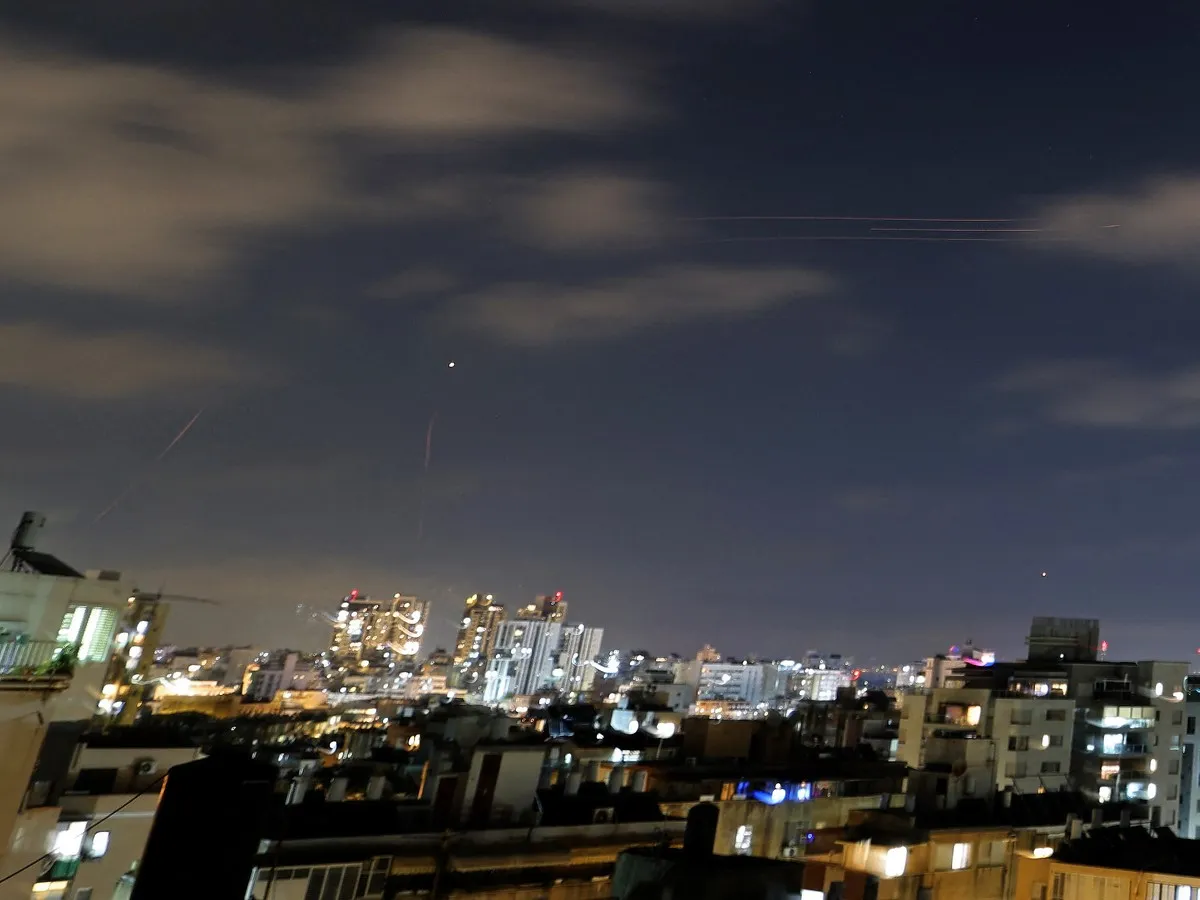
Skip to Content Subscribe Our Offers My Account Manage My Subscriptions FAQ Newsletters Canada Canadian True Crime Canadian Politics Health World Israel & Middle East Financial Post NP Comment Longreads Puzzmo Diversions Comics NP News Quiz New York Times Crossword Horoscopes Life Eating & Drinking Style Sponsored Play for Ontario Travel Travel Canada Travel USA Travel International Cruises Travel Essentials Culture Books Celebrity Movies Music Theatre Television Business Essentials Advice Lives Told Tails Told Shopping Buy Canadian Home Living Outdoor Living Kitchen & Dining Tech Style & Beauty Personal Care Entertainment & Hobbies Gift Guide Travel Guide Amazon Prime Day Deals Savings National Post Store More Sports Hockey Baseball Basketball Football Soccer Golf Tennis Driving Vehicle Research Reviews News Gear Guide Obituaries Place an Obituary Place an In Memoriam Classifieds Place an Ad Celebrations Working Business Ads Archives Healthing Epaper Manage Print Subscription Profile Settings My Subscriptions Saved Articles My Offers Newsletters Customer Service FAQ Newsletters Canada World Financial Post NP Comment Longreads Puzzmo Diversions Life Shopping Epaper Manage Print Subscription HomeNewsCanadaU.S. hits Iran with airstrikes and blocked oil sales in latest threats to ceasefireIran called the U.S. operation and the waiver revocation violations of the agreement, with one officials vowing "decisive actions" in responseAuthor of the article: You can save this article by registering for free here. Or sign-in if you have an account.A tenuous ceasefire towards peace was shaken when the U.S. launched airstrikes on Iran and blocked its global oil sales on Tuesday. Photo by Elke Scholiers /Getty ImagesThe U.S. launched fresh airstrikes in Iran and revoked a waiver that allowed it to sell oil globally, further imperilling a peace agreement after a series of attacks on ships in the Strait of Hormuz.Enjoy the latest local, national and international news.Exclusive articles by Conrad Black, Barbara Kay and others. Plus, special edition NP Platformed and First Reading newsletters and virtual events.Unlimited online access to National Post.National Post ePaper, an electronic replica of the print edition to view on any device, share and comment on.Daily puzzles including the New York Times Crossword.Support local journalism.Enjoy the latest local, national and international news.Exclusive articles by Conrad Black, Barbara Kay and others. Plus, special edition NP Platformed and First Reading newsletters and virtual events.Unlimited online access to National Post.National Post ePaper, an electronic replica of the print edition to view on any device, share and comment on.Daily puzzles including the New York Times Crossword.Support local journalism.Create an account or sign in to continue with your reading experience.Access articles from across Canada with one account.Share your thoughts and join the conversation in the comments.Enjoy additional articles per month.Get email updates from your favourite authors.Create an account or sign in to continue with your reading experience.Access articles from across Canada with one accountShare your thoughts and join the conversation in the commentsEnjoy additional articles per monthGet email updates from your favourite authorsSign In or Create an AccountorThe “powerful strikes” were meant to “impose heavy costs for targeting and attacking commercial shipping crewed by innocent civilians in an international waterway,” U.S. Central Command said in a statement on X.Hours earlier, the U.S. Treasury Department announced it was barring new sales of Iranian oil after July 7. Gold slumped amid fears that elevated energy prices might prompt the U.S. Federal Reserve to raise interest rates.Get a dash of perspective along with the trending news of the day in a very readable format.By signing up you consent to receive the above newsletter from Postmedia Network Inc.A welcome email is on its way. If you don't see it, please check your junk folder.The next issue of NP Posted will soon be in your inbox.We encountered an issue signing you up. Please try againTaken together, the American actions marked the most serious threat yet to the interim agreement signed between the two countries’ leaders on June 17. They also threatened to scuttle negotiations aimed at achieving a permanent peace within 60 days of that deal.American forces concentrated on Iranian air defences and weapons launchers in the attacks, according to a U.S. official. Iran’s Mehr News Agency reported explosions were heard near the strait.West Texas Intermediate surged above US$72 a barrel as news of the latest clashes became known. Oil’s rebound, after futures had plunged in the second quarter as regional tensions cooled, threatens a new wave of disruption for global energy markets. Global benchmark Brent oil prices touched a peak near $125 a barrel in late April, two months after the U.S. and Israel began the military campaign against Iran. Prices returned toward pre-conflict levels this month on growing signs of a recovery.Both sides accused the other of violating the ceasefire. The U.S. blamed Iran for the strikes on commercial shippers in Hormuz over the last day — the most since the agreement went into effect.U.S. Central Command forces have begun launching a series of powerful strikes against Iran to impose heavy costs for targeting and attacking commercial shipping crewed by innocent civilians in an international waterway. The U.S. strikes are in response to Iranian attacks on three…— U.S. Central Command (@CENTCOM) July 7, 2026Iran called the U.S. operation and the waiver revocation violations of the two sides’ agreement. Deputy Foreign Minister Kazem Gharibabadi vowed “decisive actions” in response.A U.S. official, speaking under condition of anonymity before the American strikes took place, said Iran would only get the benefits of its deal if it exhibited good behaviour.But the official added that negotiators continue to work in good faith toward a final accord, suggesting the U.S. wasn’t ready to abandon the peace process completely.The end of attacks on commercial shipping and the previous 60-day waiver allowing Iranian oil sales were key elements of the memorandum of understanding that halted fighting between the U.S. and Iran.That deal was meant to create space for more detailed negotiations on the fate of Iran’s nuclear program and the future of the strait.Even so, the memorandum has held only tenuously. In late June, Iran struck a Singapore-flagged container ship in the strait, prompting the U.S. to retaliate and setting off a series of back-and-forth attacks.And Tehran has repeatedly said it wouldn’t allow vessels to transit the waterway without its permission, though it denied any involvement in an attack on a Qatar-linked vessel. President Donald Trump had pushed for ships to pass freely through the strait as they had done before the U.S. and Israel began attacking Iran in late February.Bob McNally, president of Rapidan Energy Group and a former White House official, said the waiver revocation “is a signal to a complacent market that the ceasefire may not be as durable and solid as thought. The market has some risk pricing to do.”The spate of attacks is a reminder of the continued risks to ships crossing through Hormuz, even with military forces protecting vessels that choose to cross by a route near Oman’s coastline.Iran has also sought to steer commercial ships toward its shores and keep them from using the Omani route, according to U.S. Chief of Naval Operations Admiral Daryl Caudle.He said Iran had laid mines in the strait as a way of channelling ships nearer to Iran. Their goal is to “force shipping into their side of the actual Strait of Hormuz,” he said in an interview with Bloomberg This Weekend, parts of which will be broadcast on Sunday.“The Iranians are determined to show that they are in control of the Strait and that the only way to pass through safely is to take the northern route,” according to Claire McCleskey, co-founder of sanctions advisory firm Clarity Compliance Consulting and a former U.S. Treasury official.The reversal in the U.S. stance occurred just as oil flows and production from the Persian Gulf were starting to approach pre-war levels. U.S. authorization for sales of Iranian oil played a significant role in calming investor worries about supply shortages and helped tame oil prices.Now, a return to hostilities and renewed threat to energy flows via the critical strait could once again plunge the global market into renewed volatility.Talks between the U.S. and Iran were suspended as Tehran began a funeral for the late Supreme Leader Ali Khamenei, who was killed on the first day of the war in late February. Qatar said the next meeting would be scheduled as soon as possible after the ceremonies. Khamenei will be buried in his hometown of Mashhad on July 9.A key question in the coming days will be whether the U.S. starts imposing fresh sanctions on Iran. That would be a further violation of the interim deal.“It’s an expression of the administration’s frustration,” David Schenker, a U.S. official for the Middle East during Trump’s first term and fellow at the Washington Institute for Near East Policy, said of the latest U.S. attacks.“The expectation that Iran was going to comply was overly optimistic,” he said. “This is a war that is dragging on.”— With assistance from Devika Krishna Kumar, Tony Capaccio, John Harney and Romy Varghese.Our website is the place for the latest breaking news, exclusive scoops, longreads and provocative commentary. Please bookmark nationalpost.com and sign up for our daily newsletter, Posted, here. Join the Conversation This website uses cookies to personalize your content (including ads), and allows us to analyze our traffic. Read more about cookies here. By continuing to use our site, you agree to our Terms of Use and Privacy Policy.
U.S. hits Iran with airstrikes and blocked oil sales in latest threats to ceasefire
A tenuous ceasefire towards peace was shaken when the U.S. launched airstrikes on Iran and blocked its global oil sales on Tuesday.
1,553 words~7 min read