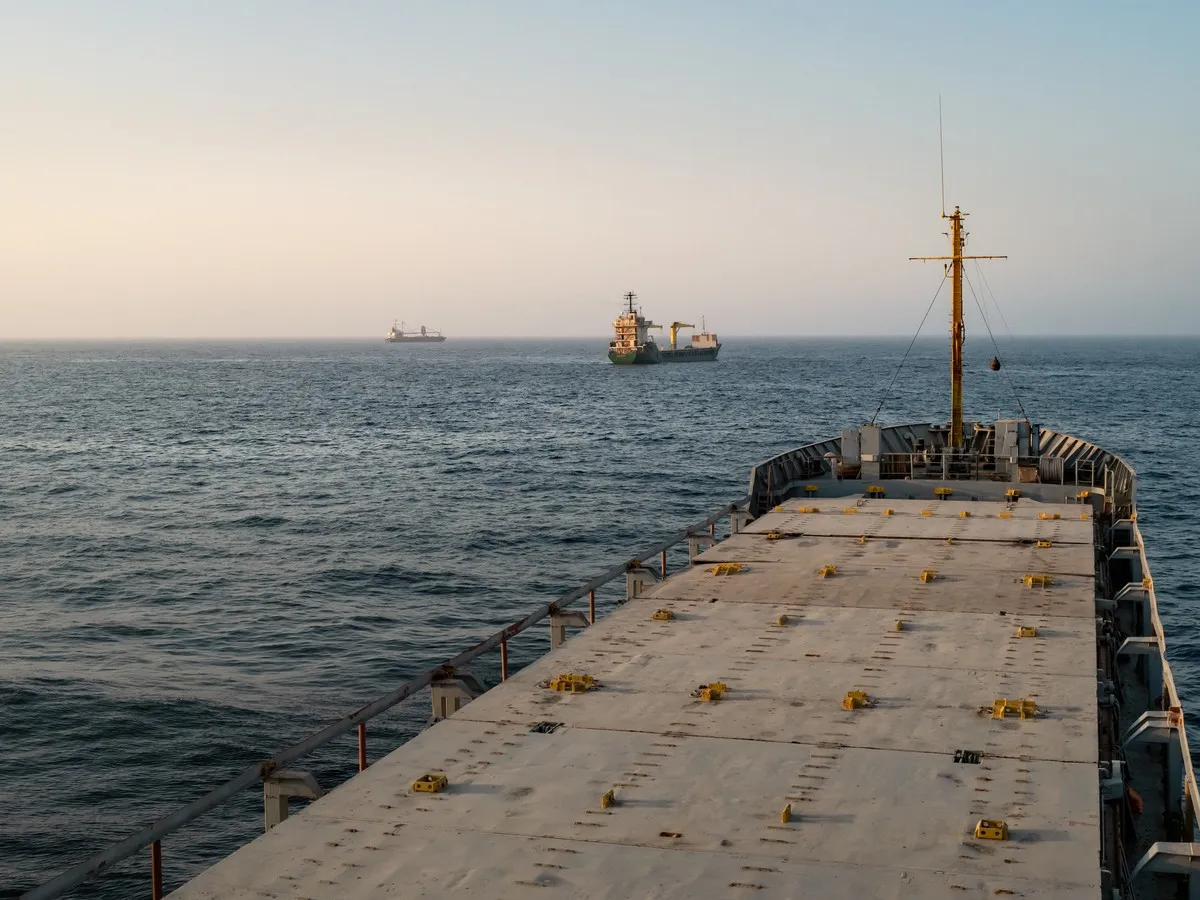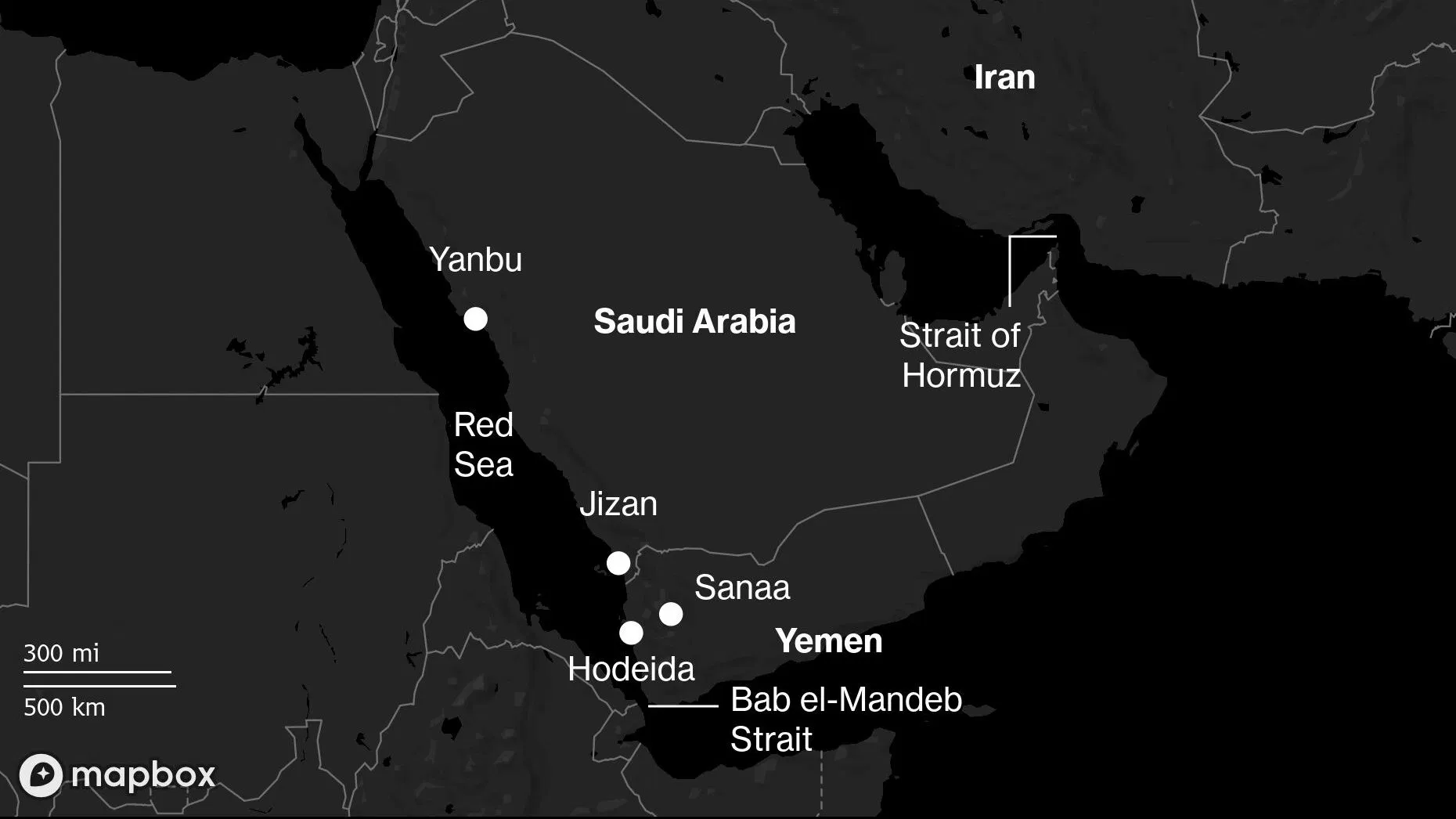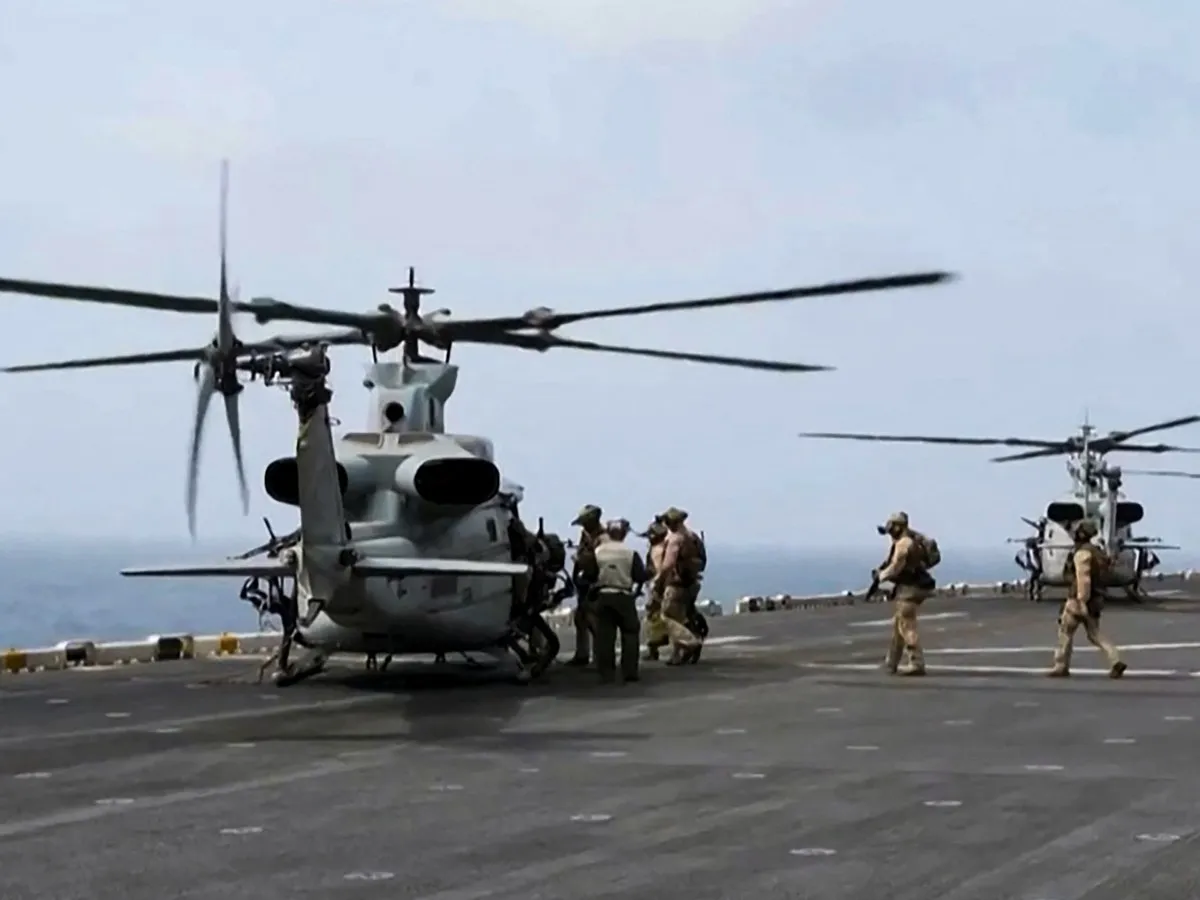
Skip to Content Subscribe Our Offers My Account Manage My Subscriptions FAQ Newsletters Canada Canadian True Crime Canadian Politics Health World Israel & Middle East Financial Post NP Comment Longreads Puzzmo Diversions Comics NP News Quiz New York Times Crossword Horoscopes Life Eating & Drinking Style Sponsored Play for Ontario Travel Travel Canada Travel USA Travel International Cruises Travel Essentials Culture Books Celebrity Movies Music Theatre Television Business Essentials Advice Lives Told Tails Told Shopping Buy Canadian Home Living Outdoor Living Kitchen & Dining Tech Style & Beauty Personal Care Entertainment & Hobbies Gift Guide Travel Guide Amazon Prime Day Deals Savings National Post Store More Sports Hockey Baseball Basketball Football Soccer Golf Tennis Driving Vehicle Research Reviews News Gear Guide Obituaries Place an Obituary Place an In Memoriam Classifieds Place an Ad Celebrations Working Business Ads Archives Healthing Epaper Manage Print Subscription Profile Settings My Subscriptions Saved Articles My Offers Newsletters Customer Service FAQ Newsletters Canada World Financial Post NP Comment Longreads Puzzmo Diversions Life Shopping Epaper Manage Print Subscription HomeNewsWorldIsrael & Middle EastU.S., Iran continue weekend pause on strikes as Houthis create friction in Red Sea regionAuthor of the article: You can save this article by registering for free here. Or sign-in if you have an account.This screen grab from undated handout video footage released by the US Central Command (CENTCOM) on Saturday shows what it says are operations enforcing its naval blockade against Iran. Iran passed another night without U.S. airstrikes on Sunday, as Washington paused a war nearing its fifth month and reports emerged that concerns over dwindling munitions were restraining plans for further escalation. Photo by - /US Central Command (CENTCOM)/AFPThe U.S. paused an almost two-week run of strikes against Iran for a second night while the Islamic Republic signalled it was refraining from any retaliatory attacks and held talks with Oman over the Strait of Hormuz.Enjoy the latest local, national and international news.Exclusive articles by Conrad Black, Barbara Kay and others. Plus, special edition NP Platformed and First Reading newsletters and virtual events.Unlimited online access to National Post.National Post ePaper, an electronic replica of the print edition to view on any device, share and comment on.Daily puzzles including the New York Times Crossword.Support local journalism.Enjoy the latest local, national and international news.Exclusive articles by Conrad Black, Barbara Kay and others. Plus, special edition NP Platformed and First Reading newsletters and virtual events.Unlimited online access to National Post.National Post ePaper, an electronic replica of the print edition to view on any device, share and comment on.Daily puzzles including the New York Times Crossword.Support local journalism.Create an account or sign in to continue with your reading experience.Access articles from across Canada with one account.Share your thoughts and join the conversation in the comments.Enjoy additional articles per month.Get email updates from your favourite authors.Create an account or sign in to continue with your reading experience.Access articles from across Canada with one accountShare your thoughts and join the conversation in the commentsEnjoy additional articles per monthGet email updates from your favourite authorsSign In or Create an AccountorAfter striking Iran for 13 days, the U.S. has apparently held off since late Friday without any explanation or announcement, raising questions over President Donald Trump’s next move. Iran’s army on Sunday said Tehran had halted its responses as a consequence.“The U.S. may have devised other scenarios for the coming days, but the current situation is not what they desire,” spokesman Mohammad Akraminia told state TV. “If the Americans insist on continuing the war and airstrikes, the geography of the war will expand,” he added.Columnist Jesse Kline keeps you up to date with what’s happening in Israel and the effects of antisemitism on life here in Canada. Friday mornings.By signing up you consent to receive the above newsletter from Postmedia Network Inc.A welcome email is on its way. If you don't see it, please check your junk folder.The next issue of Channel Israel will soon be in your inbox.We encountered an issue signing you up. Please try againThe lull came as a weekend meeting between Iranian and Omani officials indicated a fresh attempt to resolve the crucial issue of shipping around Hormuz, a global chokepoint that’s been at the heart of the conflict the U.S. and Israel began in late February.With traffic in that crucial waterway essentially paralyzed, skirmishes between Yemen’s Houthi militants and Saudi Arabia have also ratcheted up tensions linked to another one — the Bab el-Mandeb in the southern Red Sea.The Iran-backed Houthis said they fired missiles and drones at facilities linked to oil giant Saudi Aramco in the port towns of Jizan and Yanbu on Saturday. There was no immediate confirmation from the Saudi government or Aramco.Saudi authorities briefly issued emergency warnings, before saying the danger had passed. A Saudi-led coalition responded by striking Houthi military positions later Saturday, according to Yemen TV, a channel affiliated with the country’s internationally recognized government.The escalation in the Red Sea compounds an already severe squeeze on regional energy flows caused by the near-total stoppage of traffic via Hormuz, previously the conduit for a fifth of global crude supplies.On Friday, the Saudi-led coalition struck the port from which the Houthis’ maritime assaults in the Red Sea typically originate. The Houthis also announced they would blockade Saudi ports and attacked three Saudi-linked oil tankers in the sea.Any sustained disruption to Saudi Arabia’s Red Sea export routes, through which it’s sending millions of barrels of oil a day as a workaround, mainly from Yanbu, would likely push up crude prices even more.Brent crude has soared around 27 per cent in the past two weeks as U.S.-Iran clashes worsened and the Houthis effectively opened a second front in the war. The global benchmark closed on Friday at US$96.78 a barrel.Trump, who’s increasingly frustrated with Iran for refusing to reopen Hormuz, said late Friday the U.S. is “locked and loaded” for major strikes on Iran. He added he had not made a decision on whether to go ahead, after telling Axios a few days ago he was mulling a “massive attack.”The New York Times reported that Trump and his advisers have decided to hold off plans to escalate the U.S. strikes for now, in part over concerns that the war could drain the already-diminished stores of Patriot anti-missile interceptors and other air defence weapons in the region.Trump has consistently said “he prefers a diplomatic solution, but he continues to retain all options if Iran continues terrorist activities in the Strait of Hormuz or against allies,” White House spokesman Steven Cheung said in a statement. It would be “wise for Iran to work toward a negotiated deal.”One ally described the president as being in revenge mode against Iran, while others said he’s looking to exact a cost from Tehran for the war, which has driven up energy prices and put Republicans in a tough spot politically ahead of the November midterms.Speaking at the White House Correspondents’ Dinner on Friday night, Trump said Iran would “love to make a deal,” but he doesn’t think “it’s time yet.”He also said the warring sides were talking, though his administration is offering few details.( @realDonaldTrump - Truth Social Post )( Donald J. Trump - Jul 23 2026, 6:04 PM ET )Please let this statement serve to represent, until further notice, that from this point forth, any and all damages done to Ships, Cargo, or anything related thereto, will be paid for by… pic.twitter.com/XW43L2TAzu— Fan Donald J. Trump 🇺🇸 TRUTH POSTS (@TruthTrumpPosts) July 24, 2026The deputy foreign ministers of Iran and Oman met in Tehran on Friday and Saturday to discuss the management of maritime navigation in the Hormuz strait, the Islamic Republic’s Foreign Ministry spokesman Esmail Baghaei said on Telegram.“The talks were constructive and some progress was made,” Baghaei said, without giving details. He said technical and political consultations were ongoing and there had been no change in the status of traffic through the strait.Egyptian Foreign Minister Badr Abdelatty told Bloomberg on Thursday there was “a specific proposal” concerning freedom of navigation in the Hormuz strait that was under discussion and could lead to de-escalation.Egypt was in touch with Oman regarding the initiative, which would be subject to further talks between Iran and Oman, he said, without elaborating.The apparent new Houthi aggression in the Red Sea came despite a shaky truce between the Saudi kingdom and Yemen, which has been in a civil war for 12 years.The Houthis survived a roughly seven-year bombing campaign led by Saudi Arabia and the United Arab Emirates and still control areas containing most of Yemen’s population of over 40 million people.Iran is the main funder and sponsor of the Houthis, though the group is more autonomous than other proxies such as Hezbollah in Lebanon.— With assistance from Salma El Wardany. Join the Conversation This website uses cookies to personalize your content (including ads), and allows us to analyze our traffic. Read more about cookies here. By continuing to use our site, you agree to our Terms of Use and Privacy Policy.
U.S., Iran continue weekend pause on strikes as Houthis create friction in Red Sea region
After almost two weeks of U.S. strikes on Iran and its retaliation, both sides have held off further attacks for two consecutive nights.
1,496 words~7 min read