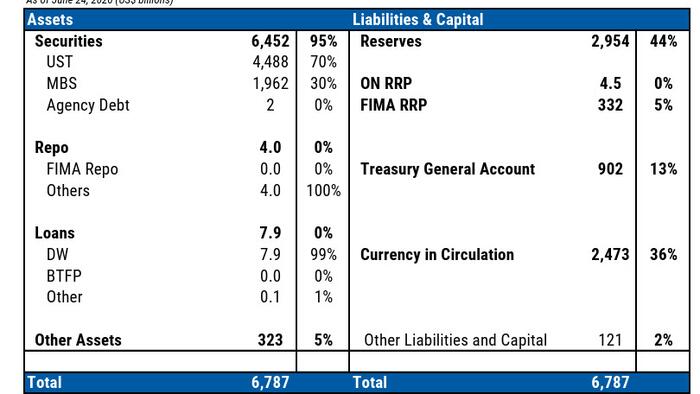
There is a distinction the Federal Reserve really wants you to understand: managing the size of its balance sheet is not the same thing as changing banking regulations. John C. Williams, President of the Federal Reserve Bank of New York, has been making this case explicitly, and the timing matters.
Williams has argued that reserve management purchases, the technical operations the Fed uses to keep liquidity flowing smoothly, should not be read as signals of broader monetary policy shifts, and certainly should not be conflated with regulatory reform. In other words, when the Fed buys assets to maintain adequate reserves, it is doing plumbing work, not rewriting the rulebook.
What Williams is actually saying
The Fed operates under what it calls an “ample reserves” framework, where enough reserves are kept in the banking system so that short-term interest rates stay stable, without the Fed having to intervene constantly.
Post-2008 liquidity regulations, particularly the Liquidity Coverage Ratio introduced after the Global Financial Crisis, significantly increased how many reserves banks structurally need to hold. The rules written after the last crisis made banks want to keep more cash on hand, which means the Fed’s balance sheet has to be larger just to keep the system functioning normally.