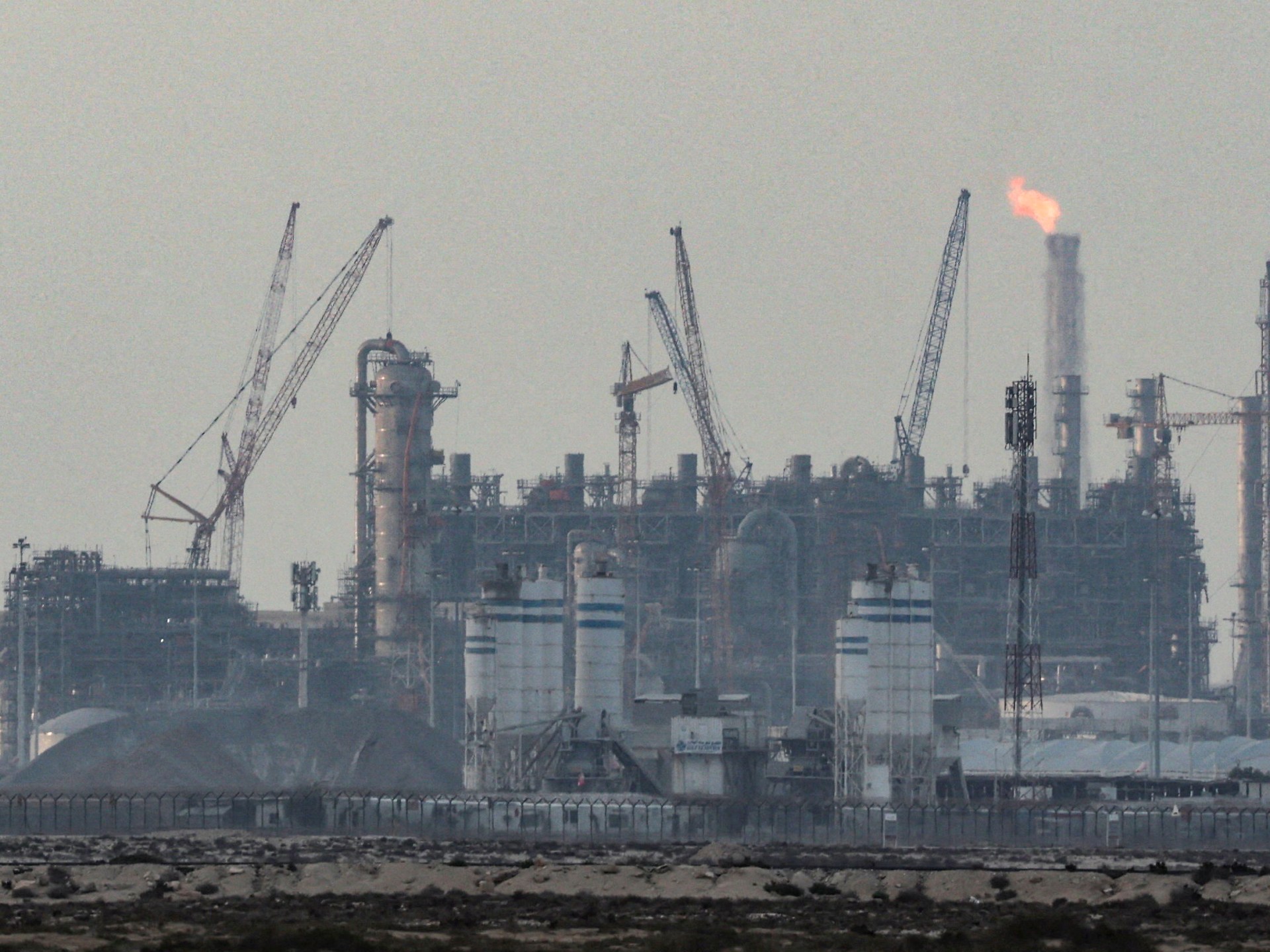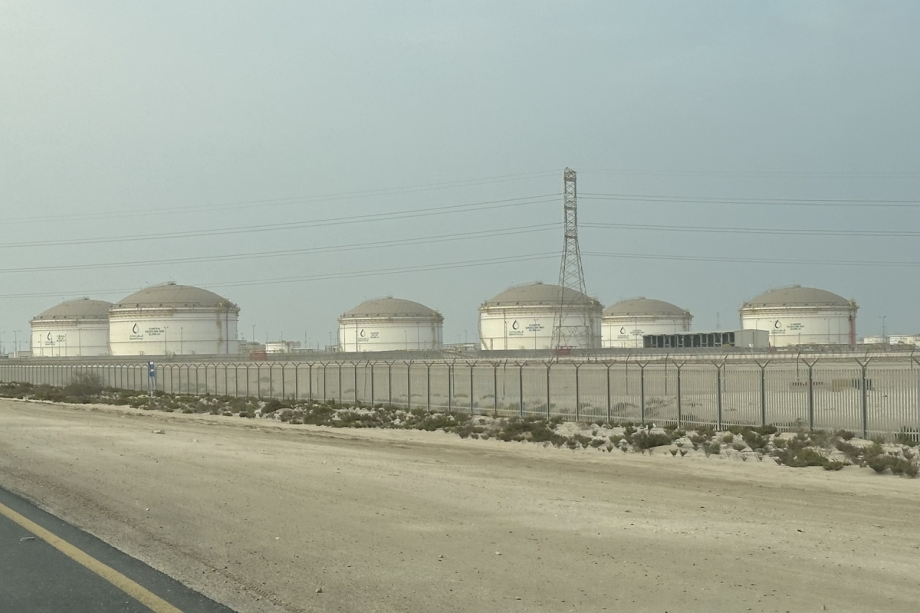
Qatar was supposed to be weeks away from turning the taps back on. Instead, the world’s biggest liquefied natural gas exporter is right back where it started in March: sidelined, ships turning around, and global energy markets pricing in chaos.
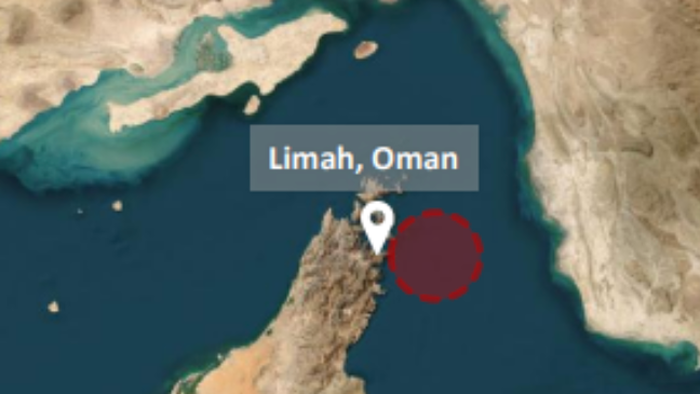
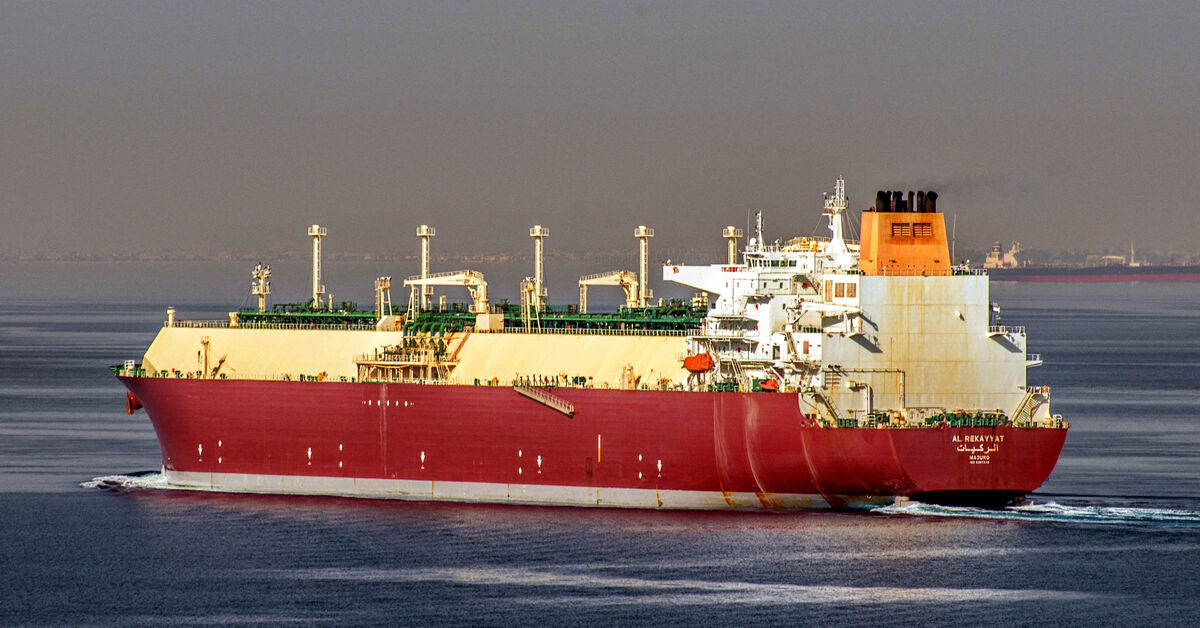
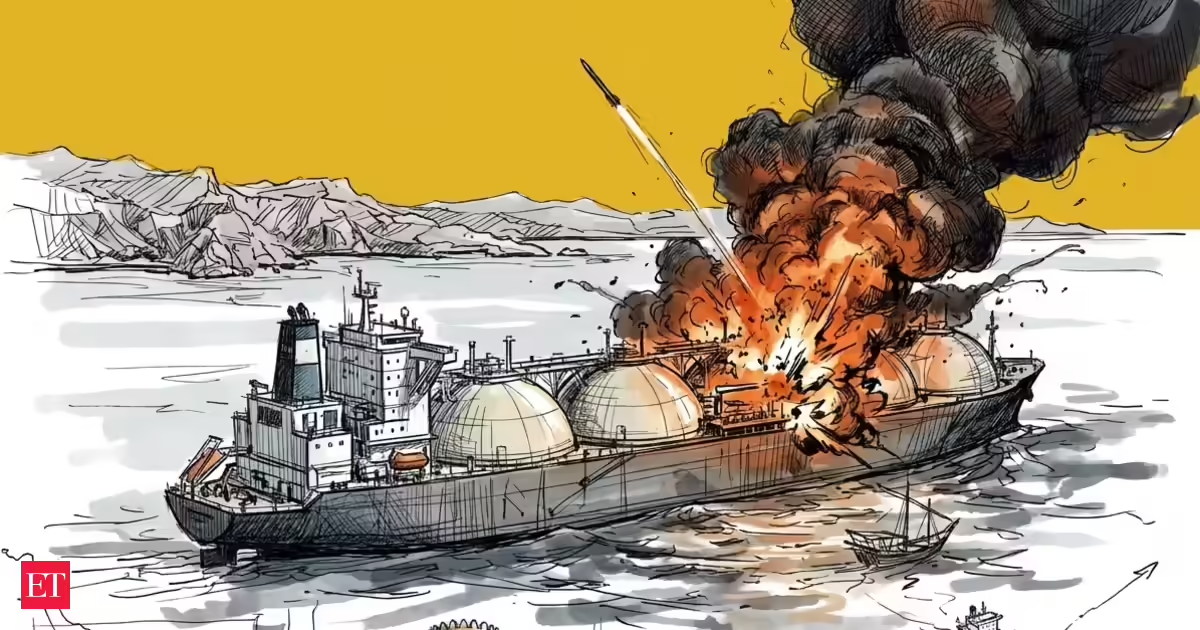
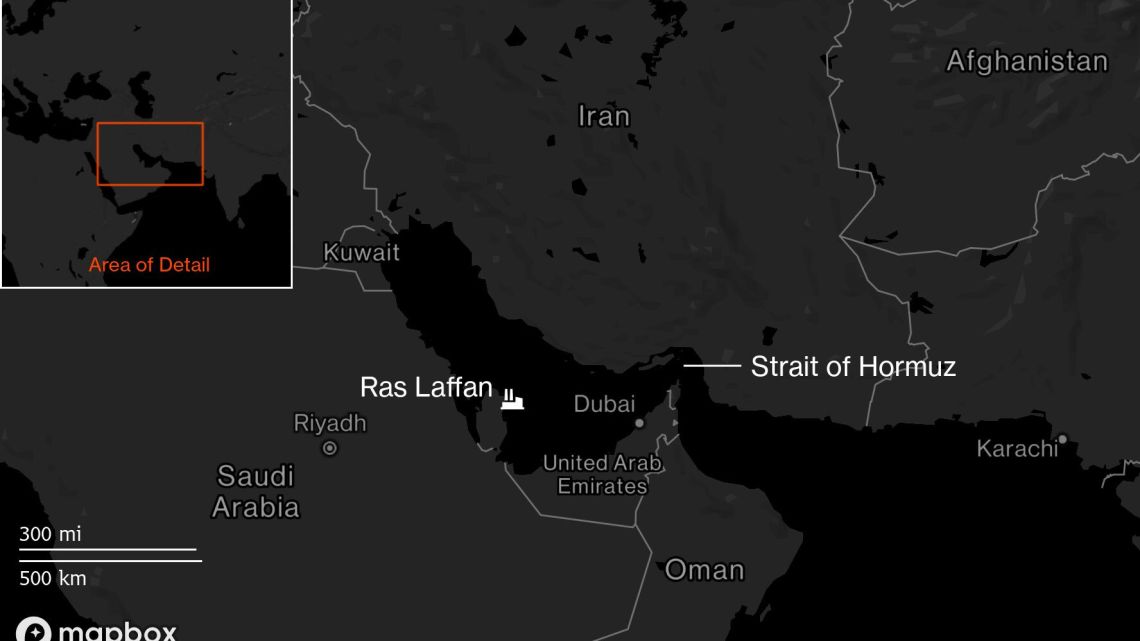
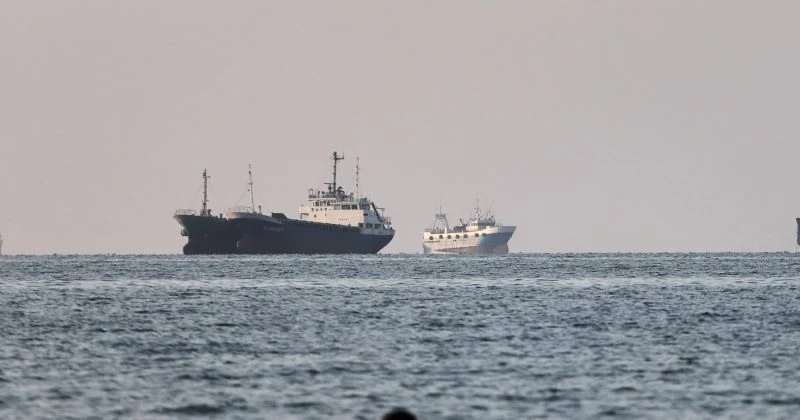
QatarEnergy, the state-owned energy giant, has paused efforts to resume LNG production after the Qatari-flagged tanker Al Rekayyat was struck by an unknown projectile on July 7-8, roughly 8 nautical miles off the Omani coast, shortly after leaving the Strait of Hormuz. The hit landed on the vessel’s port side and sparked a fire, raising immediate safety concerns and effectively torpedoing a restart timeline that Qatar’s Prime Minister had publicly laid out just two weeks earlier.
A restart that lasted about as long as a group chat promise
On June 24, Qatar’s Prime Minister signaled that LNG production could resume “within a few weeks.” That optimism came after months of forced silence. QatarEnergy had ceased all LNG output on March 2 following Iranian drone strikes, declaring force majeure on its shipments.
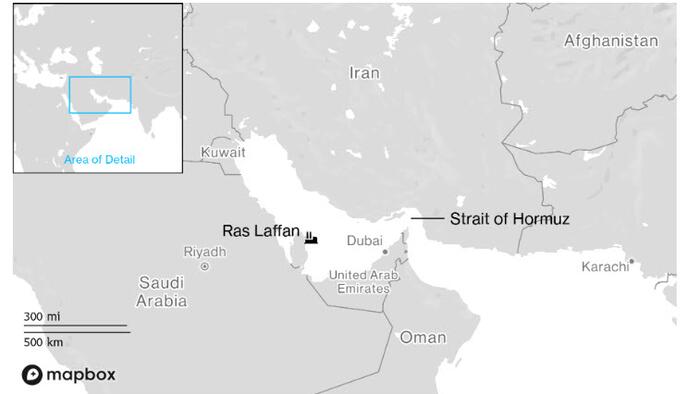
The March shutdown alone was a seismic event for energy markets. Qatar supplies approximately 20% of the world’s LNG exports, and every single cargo has to transit the Strait of Hormuz, a roughly 21-mile-wide chokepoint. When Qatar goes offline, the ripple effects are immediate and global.