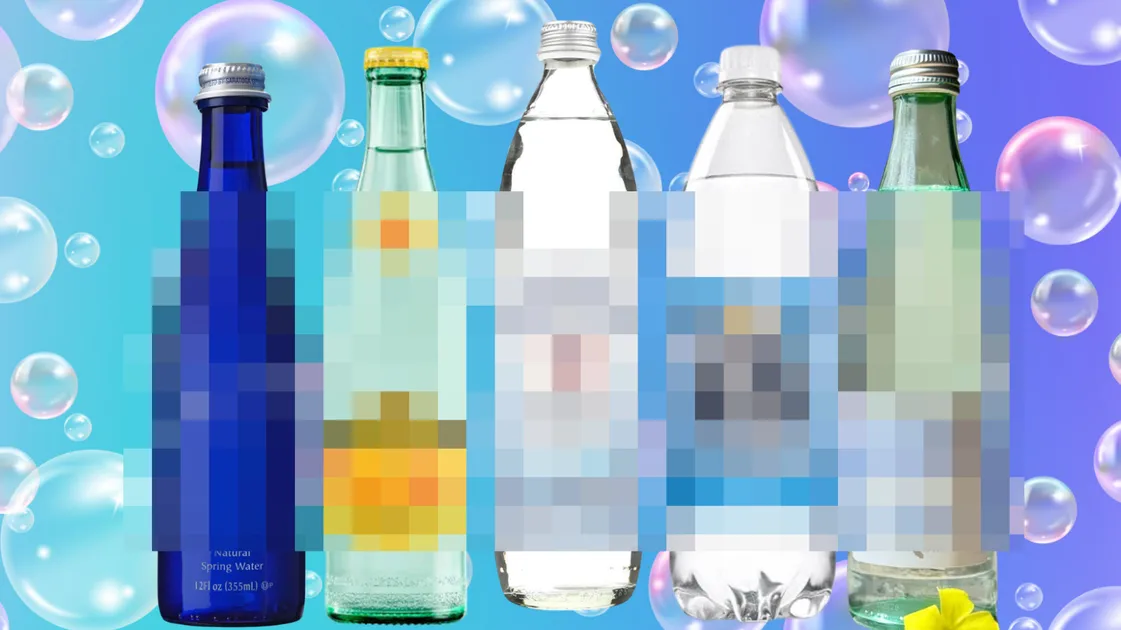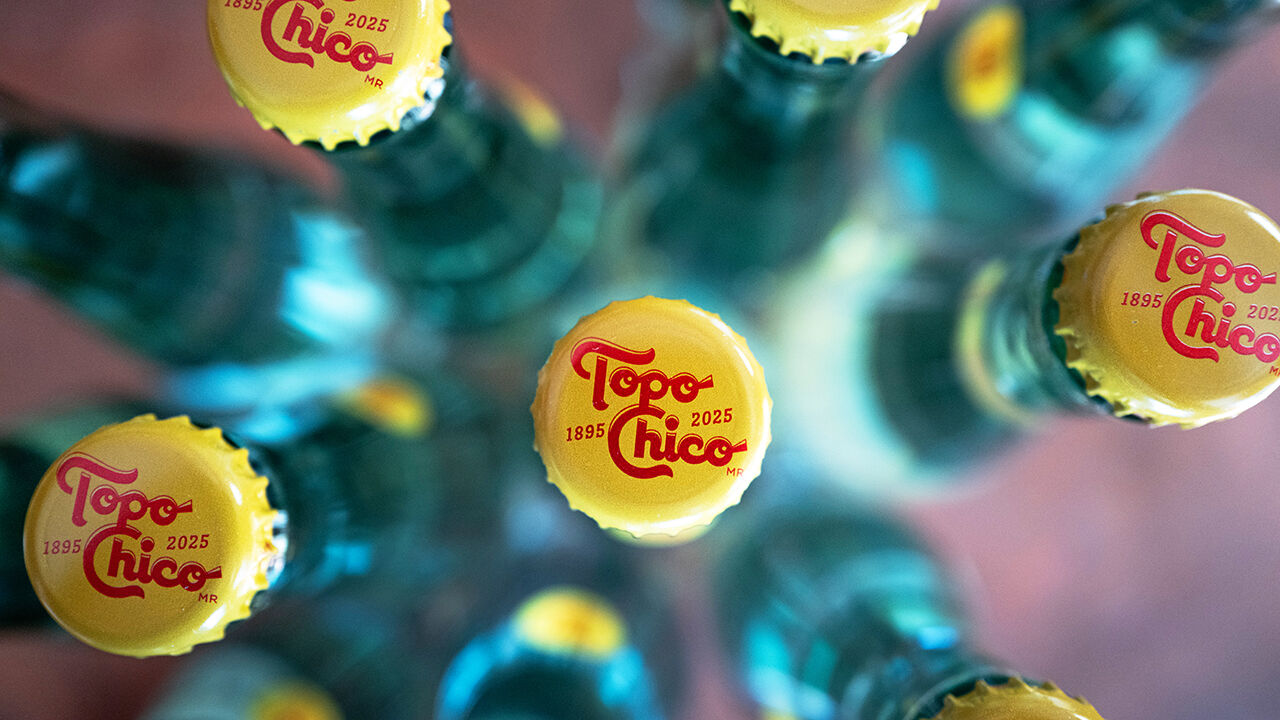
Sparkling water is one of the most affordable luxuries, with 8-packs selling for between $4 and $7 and some singular cans costing less than $1. But, as with any consumer product, not all sparkling waters are created equal. In fact, some drinks marketed as sparkling water are actually sodas in disguise. We talked to four of the world’s most reputable water sommeliers about what sparkling water actually is and what to look for when buying one. Plus, see a list of their favorites available at most grocery stores.What is sparkling water, anyway?Sparkling water isn’t just water with bubbles. There are four types of sparkling water, explained below by water sommelier Martin Riese.1. Seltzer water“Seltzer water is [plain] water with added carbonation,” Riese told HuffPost. Milin Patel, a water sommelier with more than 20 years of experience, said this too, “Seltzer is carbonated water, often made from filtered or treated water with added carbon dioxide. It is designed to be clean, crisp and refreshing, usually without much natural mineral character.”2. Soda water Riese explained that the second type of sparkling water is soda water, which is plain water with added carbonation, and sodium added to it. In other words, it’s seltzer with sodium. “This gives the water a slightly salty taste and is done to mix it into cocktails. Cocktails tend to be sweet, so having a sparkling water that’s a little salty helps balance out the taste,” he said.3. Sparkling spring water Sparkling spring water is water from a natural spring source with carbonation added, Riese explained. The U.S. Food and Drug Administration defines natural spring water as water collected from a spring or through a borehole that taps the underground formation feeding the spring. Carbon dioxide is added after the spring water is collected.4. Natural sparkling mineral waterThe last type of sparkling water is the one water sommeliers really get excited about. “Natural sparkling mineral water comes from a protected underground spring or aquifer, picking up a unique fingerprint of minerals like calcium, magnesium and silica from the earth,” water sommelier Anistacia Barber told HuffPost. Different from sparkling spring water, in which the carbonation is added later, Barber explained that with natural sparkling mineral water, the carbonation occurs naturally. And it’s usually more expensive, too.“Natural mineral and sparkling spring waters are premium products because they are bound to a single physical source, requiring specialized on-site bottling and global shipping from that lone location,” Barber told HuffPost, saying that they are more expensive for this reason. She explained that seltzer and soda, by contrast, are less expensive because they use local tap water and are processed at regional bottling plants, both of which keep operational costs low.How do you know which type of sparkling water the one you’re eyeing at the grocery store is? Patel said that the FDA requires brands to be truthful about the type of water they’re selling (such as spring water or mineral water), so you’ll see that right on the packaging. He added that the FDA also requires brands to be transparent about how the carbonation occurred, too. For example, the label should say if it’s naturally sparkling or carbonated, meaning the carbonation was added after the water was sourced.When shopping for sparkling water, check out the label. If the water has calories or added flavorings, Rise said he considers it a soda, not a sparkling water. The exception, he said, is if the flavoring is naturally sourced from fruit.What makes a good sparkling water?The four different types of sparkling waters taste different from each other. “All water tastes different, and much of that comes down to its mineral composition, whether those minerals occur naturally in the source water or are added during the production process. Minerals influence everything from mouthfeel and texture to flavour, which is why no two waters taste exactly the same,” said water sommelier Candice Berry.Riese and Patel both emphasized that taste is completely subjective. Similar to wine, what makes a “good” sparkling water simply depends on what you prefer the taste of; it’s not about price or what someone else tells you is good.That said, all of the water sommeliers say that one benefit to choosing a sparkling mineral water over the other types is the added health benefits. For example, a study published in the Journal of the American College of Nutrition found that calcium in calcium-rich mineral water is just as bioavailable as the calcium in milk and can be a meaningful way for people who don’t drink milk to up their calcium intake. Another study, published in the European Journal of Gastroenterology & Hepatology, found that mineral water high in magnesium or sulfate helped with constipation and improved bowel movement frequency. The mineral makeup affects the taste. “Calcium, magnesium, bicarbonate, sodium sulphates and silica can all influence how a sparkling water feels in the mouth. Some waters taste soft and rounded, some feel dry and mineral, some have a slight savoury edge, and others can feel silky or smooth,” Patel said. He explained that seltzer tends to taste lighter, cleaner and more neutral because the carbonation does most of the work, while sparkling mineral water can have more depth because the minerals change the texture and finish. One isn’t necessarily better than the other; it just depends on personal preference.Even though taste is subjective, you still want to know which sparkling waters a water sommelier buys when they’re at the grocery store, right? For a fair comparison, we asked the water sommeliers to share their favorites that fit into any of the four sparkling water categories ― free of flavorings. HuffPostsparkling waters1. Gerolsteiner A natural sparkling mineral water, Gerolsteiner, came up repeatedly as a favorite for the water sommeliers. Barber praised its “rich mineral character,” which is exactly what Patel likes about it too. “Gerolsteiner is one of the most interesting mineral waters for people who want to taste geology,” he said, describing it as “Mother Nature’s Red Bull.” “It comes from Germany’s Volcanic Eifel and has a high mineral content, so it has real structure. It is not just fizzy water; it has weight, mineral grip and a proper finish,” he said.2. Topo Chico“Topo Chico is a natural sparkling mineral water from Mexico and it’s a great water,” Riese said, sharing one of his top picks. Patel is into this one too. “From a pure sensory perspective, I have always admired Topo Chico because it has one of the most distinctive carbonation profiles. The bubbles are sharp, lively and persistent, and the mineral character gives it more presence than a simple seltzer,” he said. If you tend to find most sparkling waters abrasive, give this one a try.3. Polar seltzerLooking for a good seltzer? “A great seltzer is defined by the quality of its filtration, the precision of its carbonation and the authenticity of its flavor integration. Because seltzer lacks a natural mineral backbone, any flaws in the base water will stand out,” Barber said, adding that she looks for a clean, crisp finish with no chemical or metallic aftertaste. One that Patel said delivers on this is Polar seltzer. “It is clean, dry, refreshing and does not try to behave like a soft drink,” he said. Especially if you’re looking for a sparkling water to sip on while you eat, Polar is a good choice because its taste profile is milder than mineral waters’, so it won’t compete with the taste of the food as much.4. Adobe Mountain Sparkling Mineral WaterAt just 89 cents each, Adobe Mountain Sparkling Mineral Water is available as a private label partnership in Kroger’s premium selection and is one of Barber’s go-tos. “What makes this water a total standout from a health perspective is its unique mineral blend. A lot of natural waters are heavy on calcium, but Adobe Mountain is completely dominated by natural magnesium, coming in at around 100 milligrams per liter,” she said. She explained that the high magnesium profile gives the water an incredibly smooth, alkaline texture and a crisp finish.5. Saratoga Sparkling Water Patel said Saratoga Sparkling Water (a sparkling spring water) has both a refined look and taste. “Saratoga has elegance,” he said. “It is a good choice for people who want something that feels closer to restaurant-quality sparkling water rather than a casual can.”Remember, taste is totally subjective, so if your favorite sparkling water isn’t on this list, that doesn’t mean it’s subpar. Patel’s advice is to get curious about what you’re tasting. “Taste sparkling water the way you would taste anything else. Ask: Are the bubbles fine or harsh? Does it taste clean? Is the flavor natural or perfumed? Does it have a finish? Would it work with food? Does it make me want another sip? Once you start asking those questions, sparkling water becomes much more interesting,” he said. He sums it up this way: “It is not just hydration. It is geology, chemistry, culture and pleasure in a glass.”
The 5 Best Sparkling Waters At The Grocery Store, According To Water Snobs
One of their favorites is just 89 cents.
1,489 words~7 min read