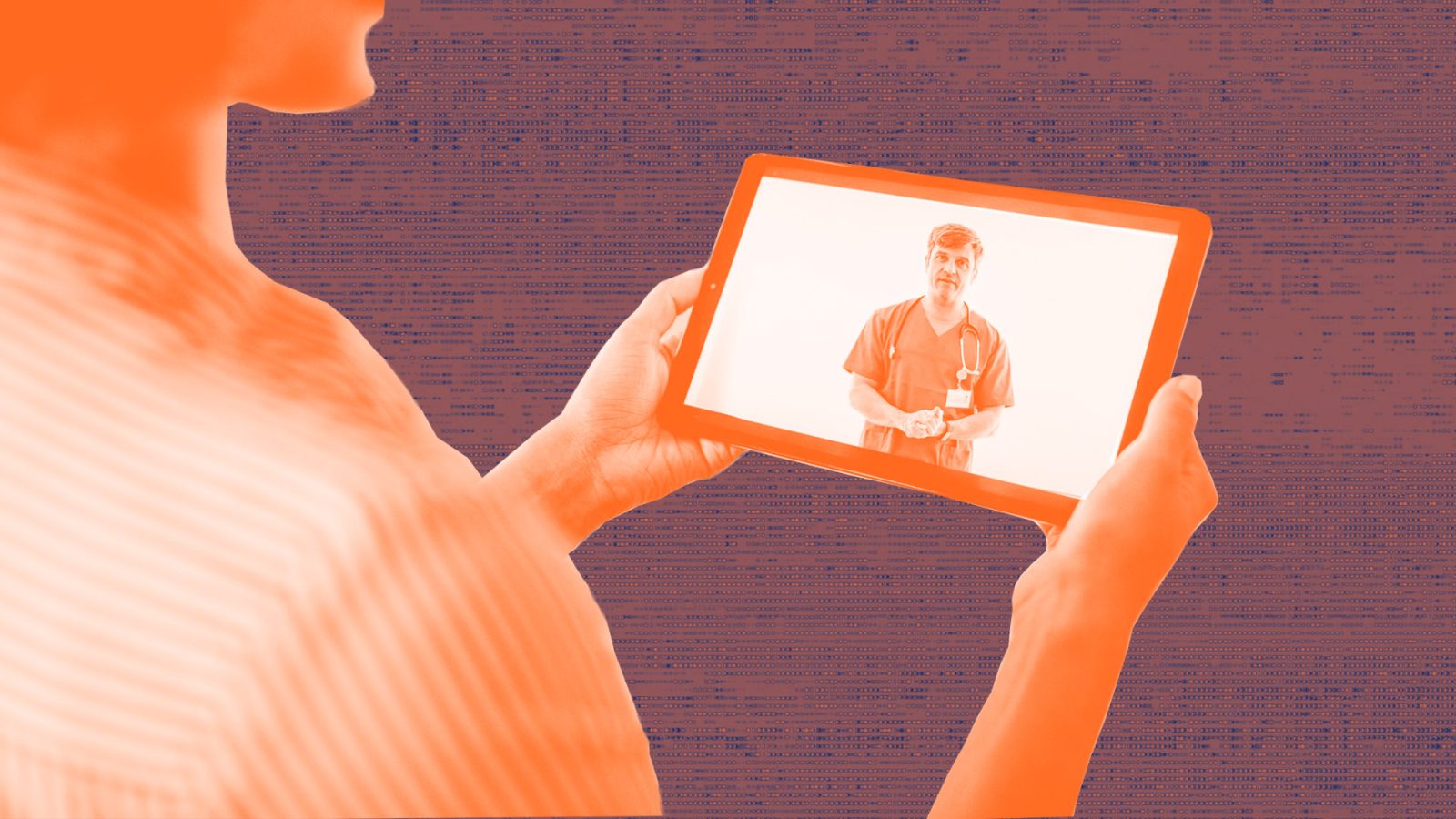
In his job as a nurse and healthcare administrator, Chris decided on appropriate treatments for patients, and checked their vital signs. Sometimes, he monitored up to 10 patients in intensive care — and he did it all from Manila, thousands of miles away from the U.S. hospital he worked for.
Chris, who asked to go by a pseudonym because he is bound by nondisclosure agreements, moved through a dozen remote nursing jobs in U.S. hospitals between 2020 and 2023. When he noticed drastic changes in blood pressure, or saw that a nurse had not logged whether they’d given a patient their medication, he would ping the on-site staff through the nurses’ station, he told Rest of World.
“We’re not nurses — more like nursing aides,” said the 37-year-old, who now works full time in the Philippines. “We didn’t make the decisions for care, we just informed [on-site nurses] that the blood pressure was high. It was up to them to give the meds.”
Virtual healthcare assistants are helping fill a shortfall of nearly 80,000 registered nurses in the U.S. healthcare industry.
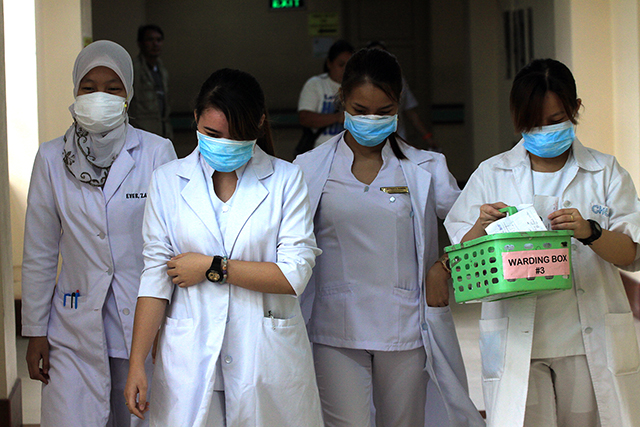
Thousands of nurses and aides in the Philippines, employed as independent contractors by U.S. healthcare companies, do a range of tasks including monitoring patients in intensive care, checking insurance eligibility, filing medical records, processing transfers to other facilities, and calling patients to remind them of their appointments. They represent a relatively new class of workers: virtual healthcare assistants who are helping fill a shortfall of nearly 80,000 registered nurses in the U.S. healthcare industry.