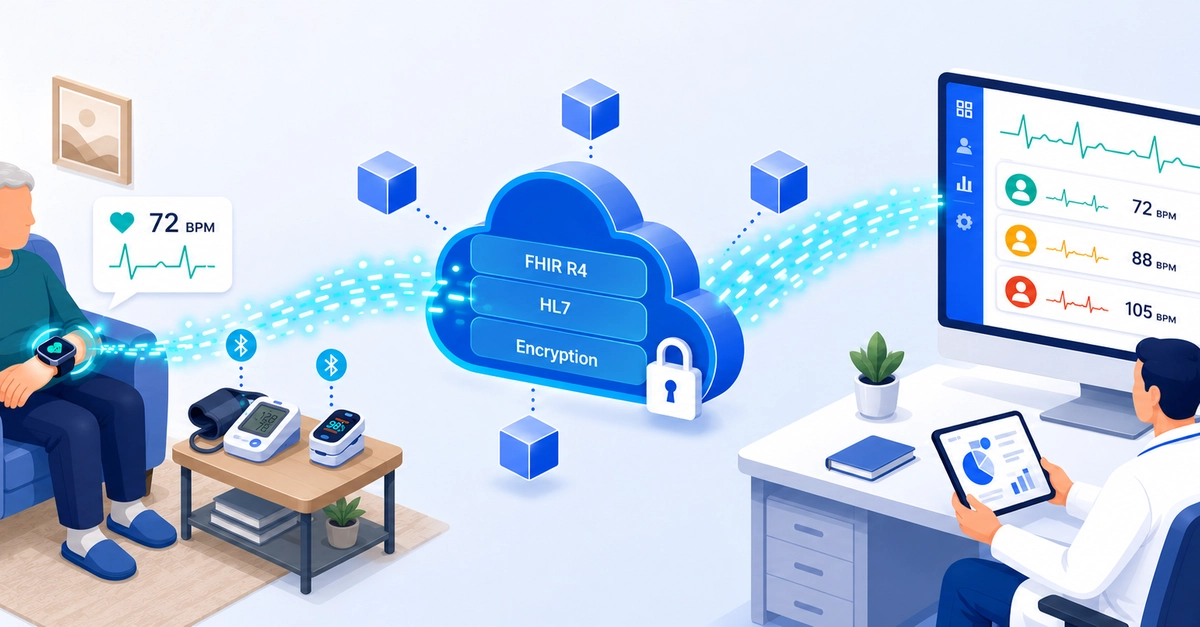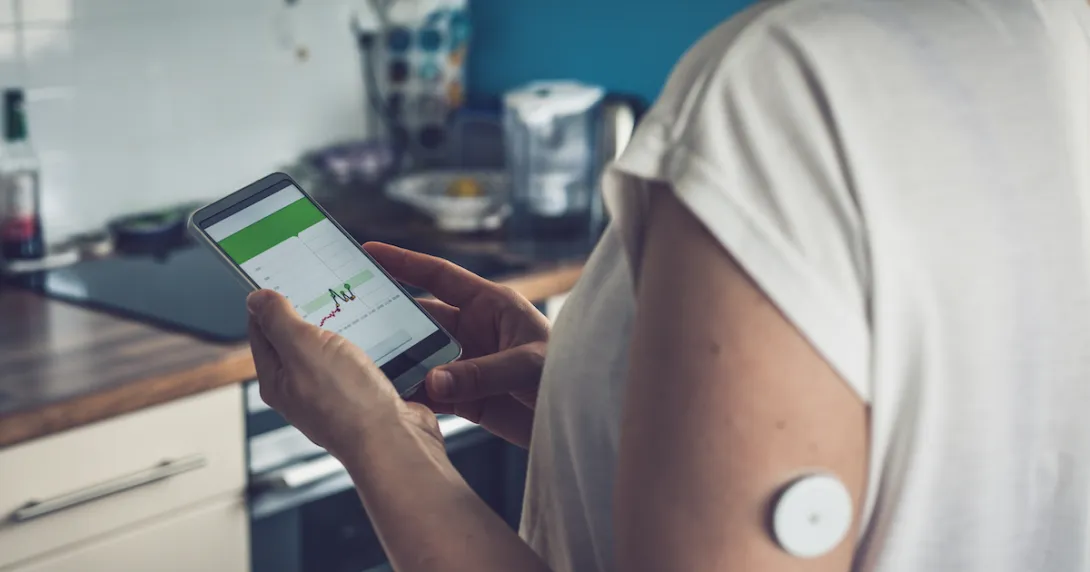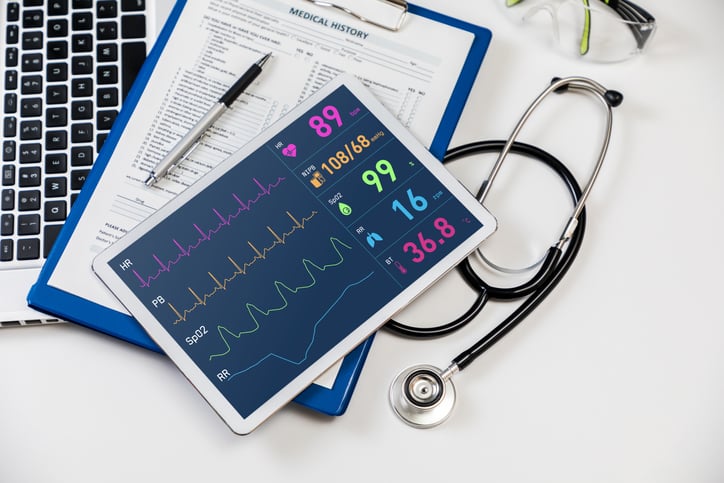
Remote patient monitoring was supposed to make healthcare easier.Patients with chronic illnesses could stay home while devices quietly tracked blood pressure, glucose levels, oxygen saturation and other vital signs. Hospitals could intervene earlier. Providers could reduce hospitalizations. Medicare reimbursement created momentum. Technology companies flooded into the market.And then, reality arrived.Healthcare organizations across the country are now discovering that expanding remote patient monitoring programs is not simply a matter of handing patients connected devices. The deeper challenge is operational: staffing, workflows, patient engagement, documentation and the endless stream of patient-generated data that comes with continuous care."Many organizations launched RPM programs quickly to meet patient demand and reimbursement opportunities, but lacked the infrastructure needed to manage continuous monitoring at scale," said Andy Skinner, senior vice president of operations at CareTrack.Skinner oversees operational growth and delivery for CareTrack's patient adherence platform and remote care services. From his vantage point, the healthcare industry is entering a new phase of remote patient monitoring – one less focused on rapid adoption and more focused on sustainability.Growth outpaces readinessRemote patient monitoring adoption has expanded rapidly over the last several years, driven in large part by rising chronic disease rates and expanded Medicare reimbursement for RPM services.Research published through the National Institutes of Health found RPM utilization increased substantially after CMS reimbursement codes expanded, particularly after 2020. Additional NIH research found healthcare organizations nationwide continue scaling remote monitoring programs aggressively, especially for patients managing cardiovascular disease, diabetes and hypertension.But the operational side of healthcare has struggled to keep pace.According to Skinner, many hospitals and health systems underestimated the demands of integrating RPM into day-to-day clinical operations. Staffing shortages, alert management, documentation burdens and inconsistent electronic health record integration continue creating friction as patient enrollment grows."RPM programs require consistent outreach, documentation, escalation management and patient engagement, all of which place additional demands on already strained clinical teams," said Skinner.The strain is arriving at a difficult moment for health systems already dealing with workforce shortages and administrative burnout. The American Hospital Association's 2024 Environmental Scan identified staffing shortages and administrative burden as persistent challenges facing hospitals nationwide.As RPM programs mature, Skinner said healthcare organizations increasingly recognize that sustainable remote care requires more than simply deploying technology."Healthcare organizations are increasingly recognizing that sustainable RPM programs require operational transformation, not simply technology deployment," he said.AI steps into the workflowArtificial intelligence is now emerging as one of the primary tools healthcare organizations are using to manage the complexity of large-scale remote care programs.One of the biggest operational headaches in RPM is the sheer volume of patient-generated health data. Continuous biometric readings can create overwhelming numbers of alerts if every abnormal reading requires manual review.Research published through the NIH found AI-enabled RPM systems can help prioritize clinically meaningful changes while reducing unnecessary alerts, allowing clinicians to focus on higher-risk patients.Skinner said AI is also helping relieve pressure tied to staffing shortages and documentation requirements."Rather than replacing clinicians, AI is increasingly being used to help care teams manage larger patient populations more efficiently while maintaining clinical oversight," he said.AI-assisted workflows are increasingly handling scheduling coordination, adherence monitoring, patient outreach support and documentation organization. More advanced AI systems are also beginning to identify subtle patterns in patient data before conditions significantly deteriorate.Traditional RPM programs often relied on simple threshold-based alerts that identified problems only after a patient's condition had already worsened. Newer AI-supported systems aim to identify risk earlier and support more proactive intervention.Research examining AI-supported clinical decision-making suggests these technologies may improve care coordination and allow earlier management of chronic conditions before hospitalization becomes necessary.The human side of remote careEven as automation expands, Skinner said hospitals are learning that technology alone cannot sustain patient engagement."Remote care programs are most effective when technology reduces administrative friction while clinicians and care coordinators remain actively engaged in patient communication and support," he said.Patients managing chronic illnesses often require reassurance, follow-up and trust-building that cannot easily be automated. Research examining patient experiences in RPM programs found patients continue placing high value on responsiveness and personalized communication throughout the remote care process.Many healthcare organizations are now adopting exception-based workflows that allow automation to handle routine monitoring while escalating only patients who require clinical attention.The strategy helps reduce clinician workload while preserving meaningful patient interaction.Healthcare leaders are also increasingly focused on accessibility for older adults and patients managing multiple chronic conditions. The Agency for Healthcare Research and Quality has emphasized that digital healthcare strategies should strengthen communication and support patient-centered care throughout the care journey.According to Skinner, the organizations succeeding with RPM are the ones using technology to support relationships rather than replace them.What healthcare gets wrongSkinner believes one of the most common mistakes healthcare organizations make is approaching RPM and chronic care management primarily as technology projects."Many organizations focus heavily on enrollment volume and reimbursement opportunities without fully addressing the operational workflows required to support sustained patient engagement," he said.Without strong triage systems and clear escalation protocols, the growing volume of patient-generated data can overwhelm clinicians and create staff fatigue. Organizations also sometimes underestimate the importance of onboarding and maintaining ongoing patient engagement, leading to declining adherence over time.The healthcare organizations seeing the strongest long-term results are taking a more integrated approach, Skinner said. They're embedding remote care workflows directly into clinical operations, strategically using automation to reduce administrative burden and maintaining consistent communication with patients between office visits.As remote patient monitoring continues evolving, Skinner believes success will ultimately depend less on the number of connected devices and more on how effectively healthcare organizations deliver continuous care."As RPM continues to mature," he said, "long-term success will depend less on the number of connected devices and more on how effectively healthcare organizations operationalize continuous care delivery."Follow Bill's health IT coverage on LinkedIn: Bill SiwickiEmail him: [email protected]Healthcare IT News is a HIMSS Media publication.WATCH NOW: The cost savings of SDOH
Remote patient monitoring faces a reality check
Artificial intelligence and automation are helping hospitals manage booming remote care programs, but RPM professionals say long-term success still depends on human connection.
969 words~4 min read