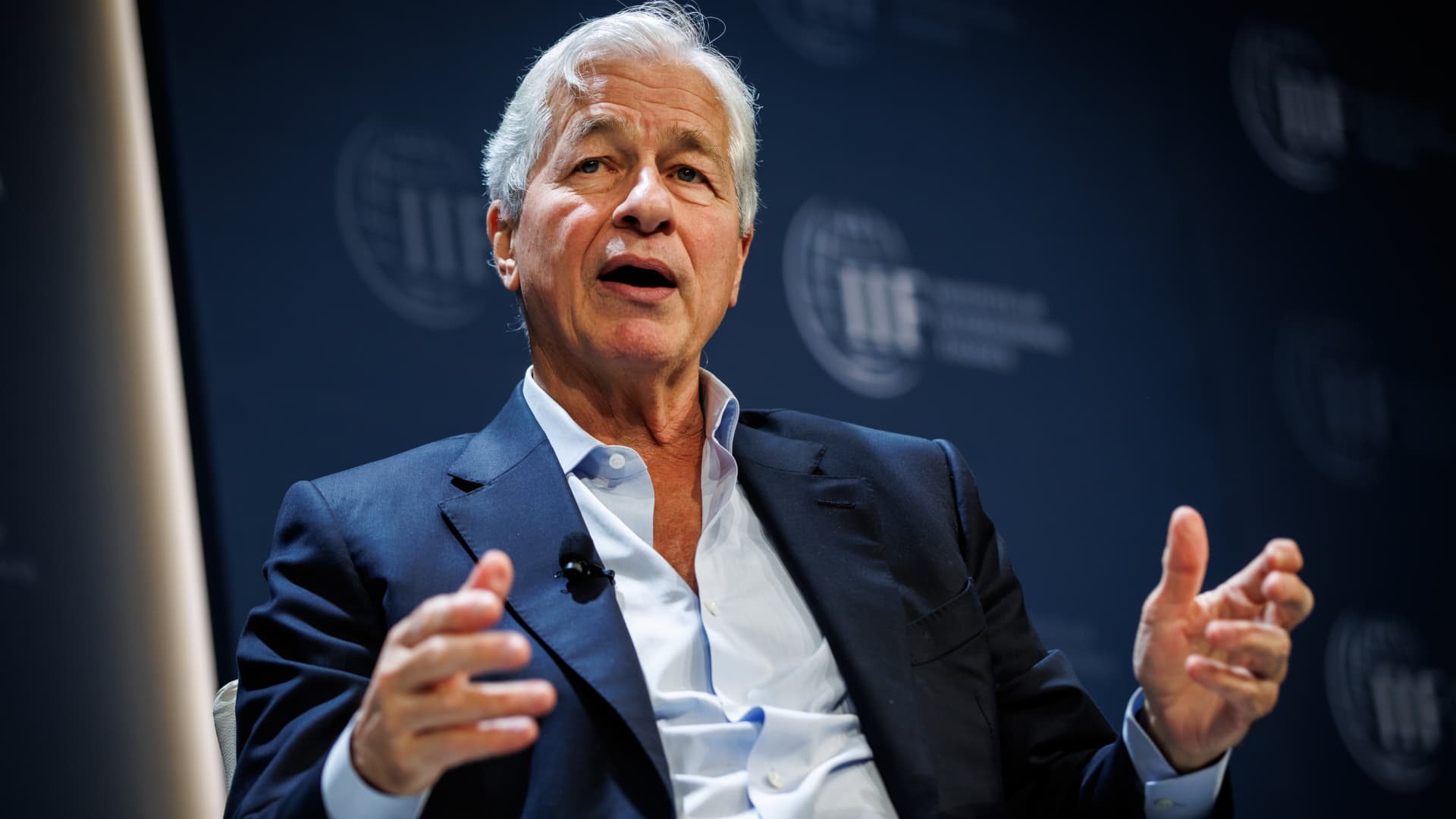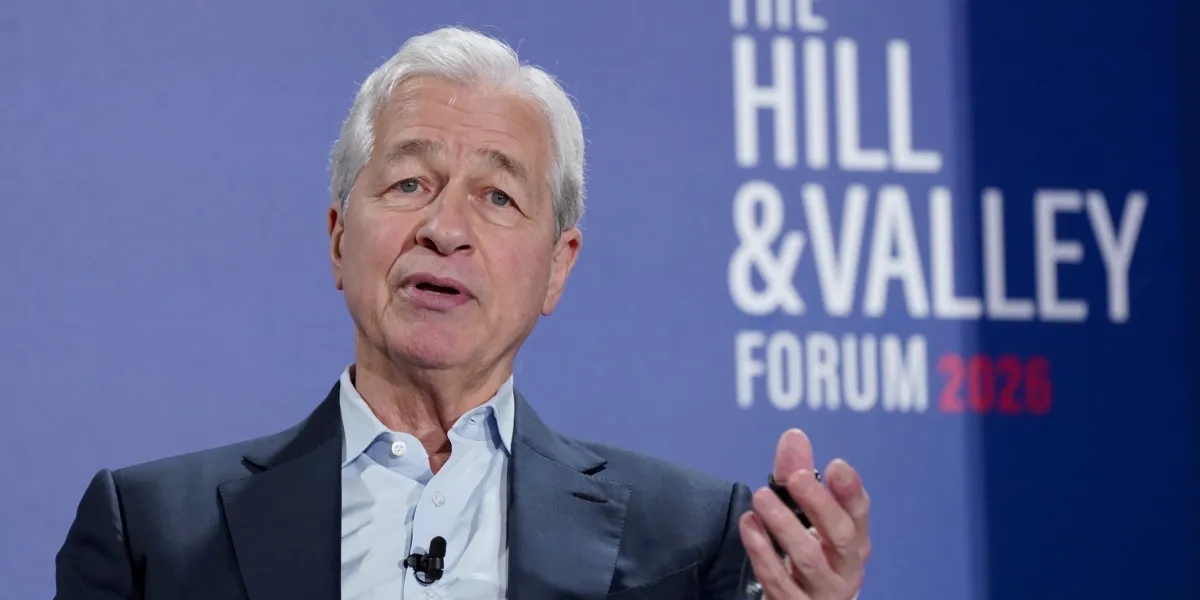
Several months into the US-Iran conflict, a handful of prominent executives are starting to use phrases like “worst is behind us.” JPMorgan CEO Jamie Dimon set the tone on March 24, 2026, describing himself as “a little optimistic” about the war’s long-term trajectory. His reasoning centered on the shared economic interests of regional powers: Saudi Arabia, the UAE, Qatar, the US, and Israel all have reasons to want stability.
Bitcoin’s war-time performance has been anything but boring
Bitcoin rallied nearly 18% by late April 2026 as the conflict evolved, outpacing most traditional equity benchmarks during the same stretch. Then came July 8, when President Trump declared that a tentative ceasefire was “over.” Bitcoin promptly dropped more than 3% to around $61,480.
Grayscale published analysis in March 2026 arguing that crypto’s outperformance since the war’s onset stems from its decentralized nature. While oil shocks hammered energy-dependent equities and supply chain disruptions rippled through traditional markets, Bitcoin operated on a parallel track. The firm noted that crypto’s 24/7 trading availability gave it a structural edge during periods when stock exchanges were shuttered or halted.