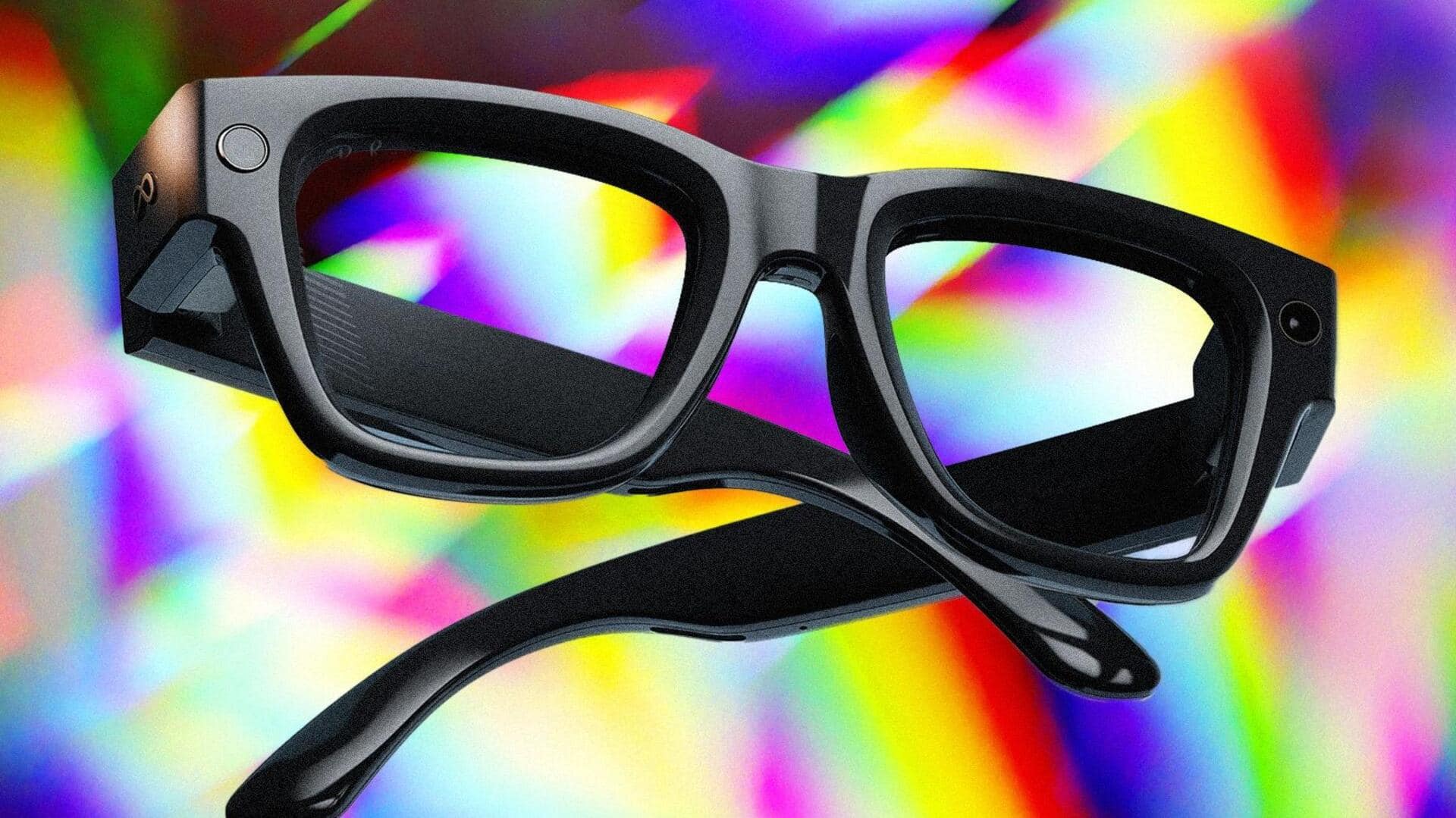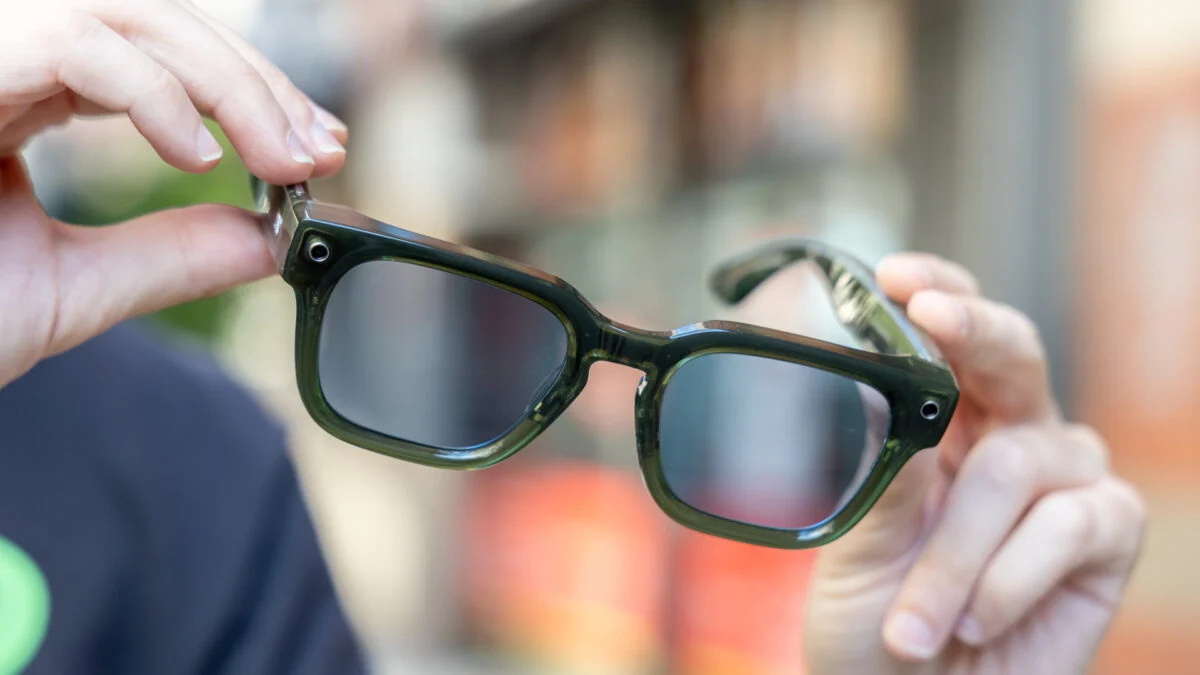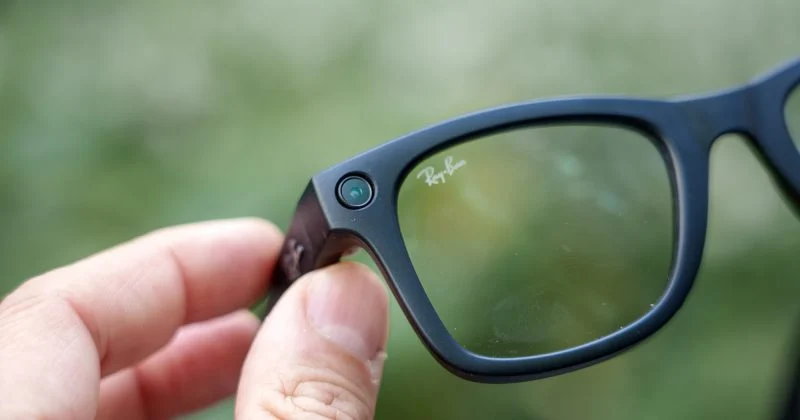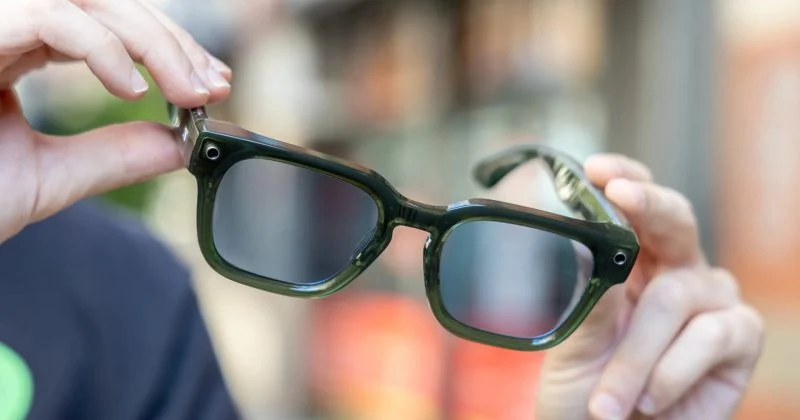
Meta is pushing its Ray-Ban smart glasses toward something that sounds like it was pulled from a Black Mirror writers’ room: a “super sensing” mode that could enable continuous environmental recording. The feature, currently in testing, would turn an already capable pair of AI-powered spectacles into something closer to a wearable surveillance device you can buy at a mall kiosk.
The company sold over 7 million pairs of Ray-Ban Meta smart glasses in 2025. That’s not a niche gadget anymore. That’s a consumer electronics category with real momentum, and it’s heading in a direction that should matter to anyone tracking the intersection of Big Tech, privacy regulation, and the digital economy.
What the glasses actually do
Meta’s latest models, unveiled in June 2026 alongside partner EssilorLuxottica, pack a 12 MP ultra-wide camera capable of shooting photos and 3K video. They include a multi-microphone array with up to five mics and open-ear audio speakers for hands-free calls and media playback.
The glasses can perform real-time analysis of what the wearer sees, offer live translations, and respond to voice commands, all without pulling out a phone. A developer toolkit for third-party access to the glasses’ sensors was released in 2025, opening the door for an app ecosystem built around face-mounted cameras and microphones.