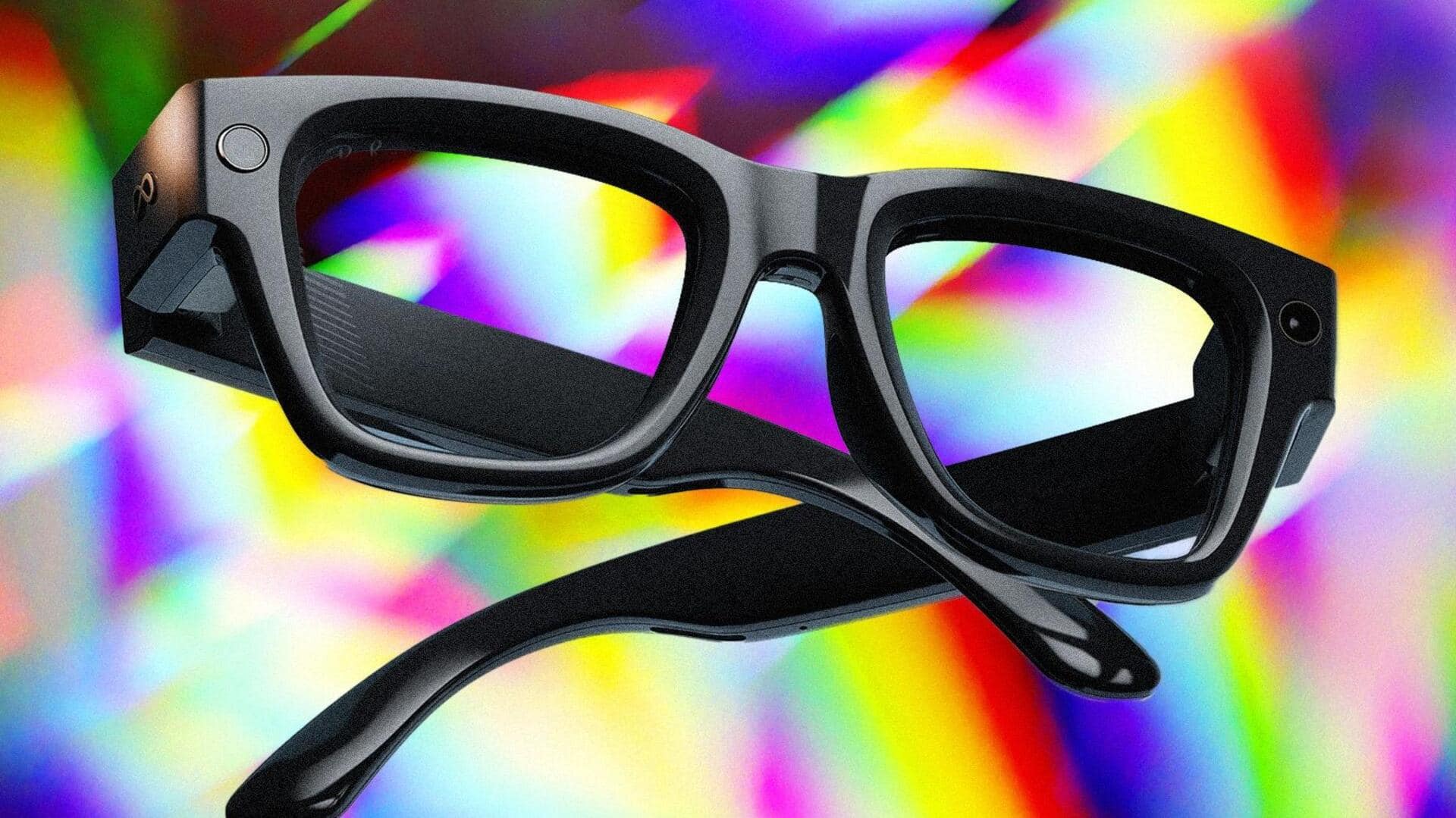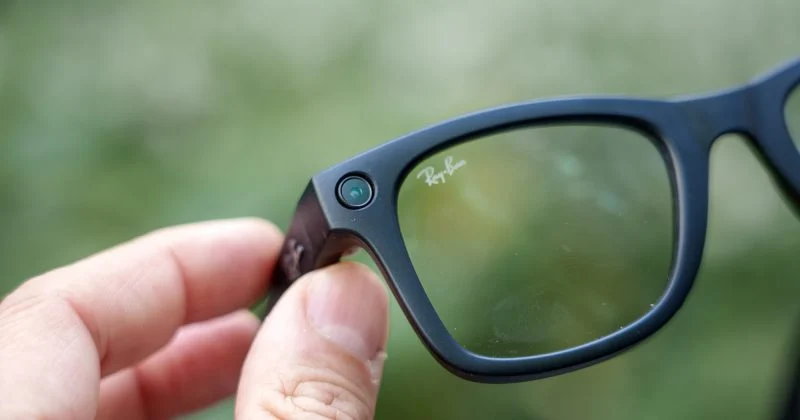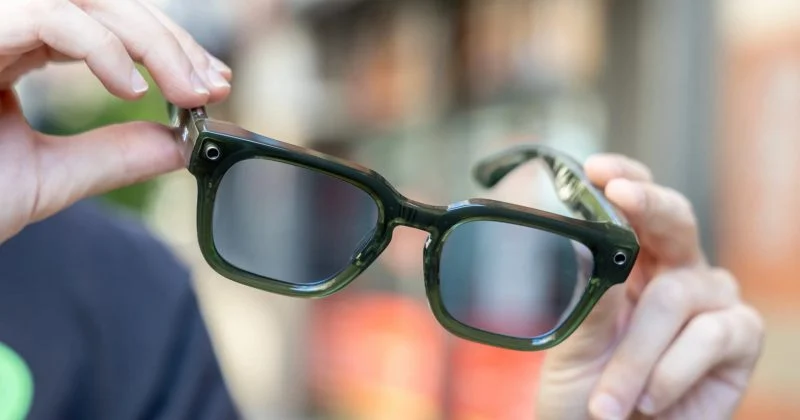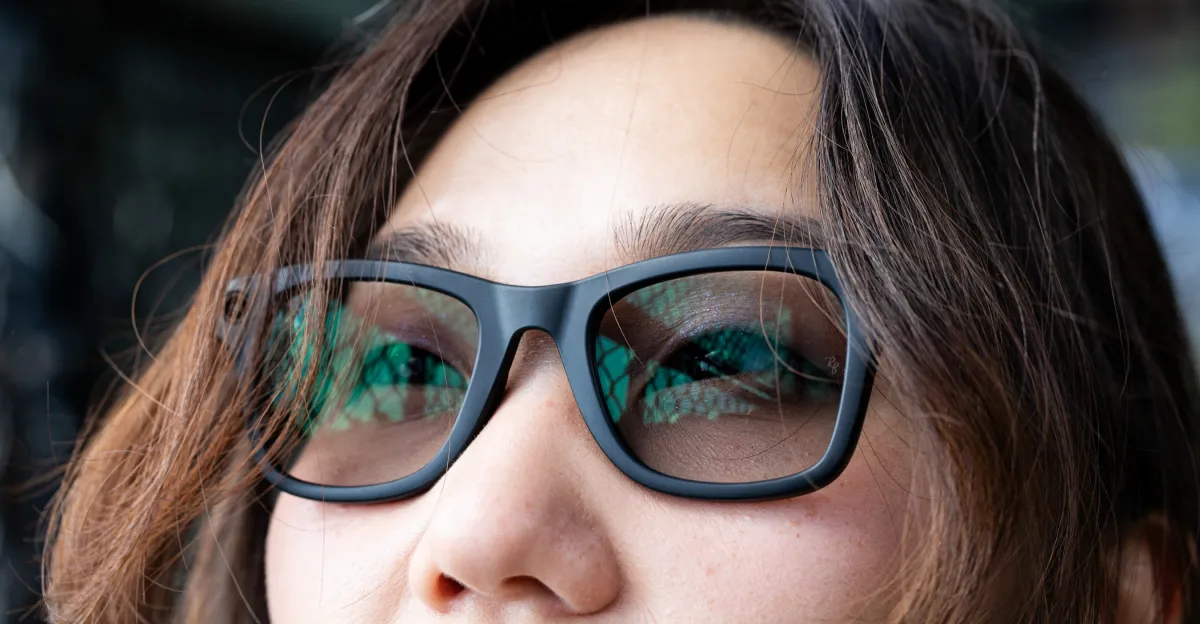
Facebook-parent company Meta is reportedly testing a ‘controversial’ prototype of "super sensing" AI smart glasses which are designed to continuously record audio and snap photos every few seconds of a wearer's day. Privacy experts warn that this move could violate data privacy and biometric tracking laws, a report by The Financial Times said. The new hardware line aims to turn the glasses into an all-seeing, all-hearing digital companion. The report says that by constantly capturing raw data, the glasses would allow a wearer to use Meta's AI to perfectly recall their day, ask questions about things they previously saw, or retrieve spoken conversations.The ‘missing’ warning lightThe reported prototype has sparked intense internal debates at Meta over severe privacy challenges, particularly regarding bystanders who have no idea they are being recorded.On Meta’s current commercial smart glasses, a bright LED light automatically shines in the corner of the frame whenever a user takes a photo or records a video to alert people nearby. Citing people with the matter, the report says that Meta executives are currently planning not to activate this LED light when the “super sensing” continuous recording features are running.While the decision can be changed, if not, it will be virtually impossible for the public to know if a person wearing the glasses is quietly recording them. Insiders note that Meta could also push these super-sensing features to its existing glasses already on the market via a simple software update.The push appears to reflect CEO Mark Zuckerberg’s belief that AI-powered smart glasses will eventually replace smartphones as humanity’s primary personal devices. Zuckerberg hinted at the project during a recent earnings call, stating he wants the glasses to evolve into a “personal agent that’s with you all day long, helping you remember things.”Meta engineers propose workaroundTo counter expected legal backlash from privacy regulators, the report says, Meta engineers have proposed a unique technical workaround. Under the proposed system, the actual raw video footage and audio recordings would never be permanently stored by Meta or even made available to the user. Instead, the glasses would instantly extract “metadata” (the core informational descriptions of the images and audio) and upload only that text-like data to Meta’s servers, essentially carrying fewer legal and privacy implications.The report says that Meta declined to discuss internal prototypes directly but maintained that its approach to consumer hardware is always focused on “privacy built in from the ground up.”
Meta is testing "super sensing" AI glasses that privacy experts warn could break data privacy or biometric data laws
Facebook-parent company Meta is reportedly testing a ‘controversial’ prototype of "super sensing" AI smart glasses which are designed to continuously record audio and snap photos every few seconds of a wearer's day. Privacy experts warn that this move could violate data privacy and biometric tracking laws, a report by The Financial Times said.
400 words~2 min read