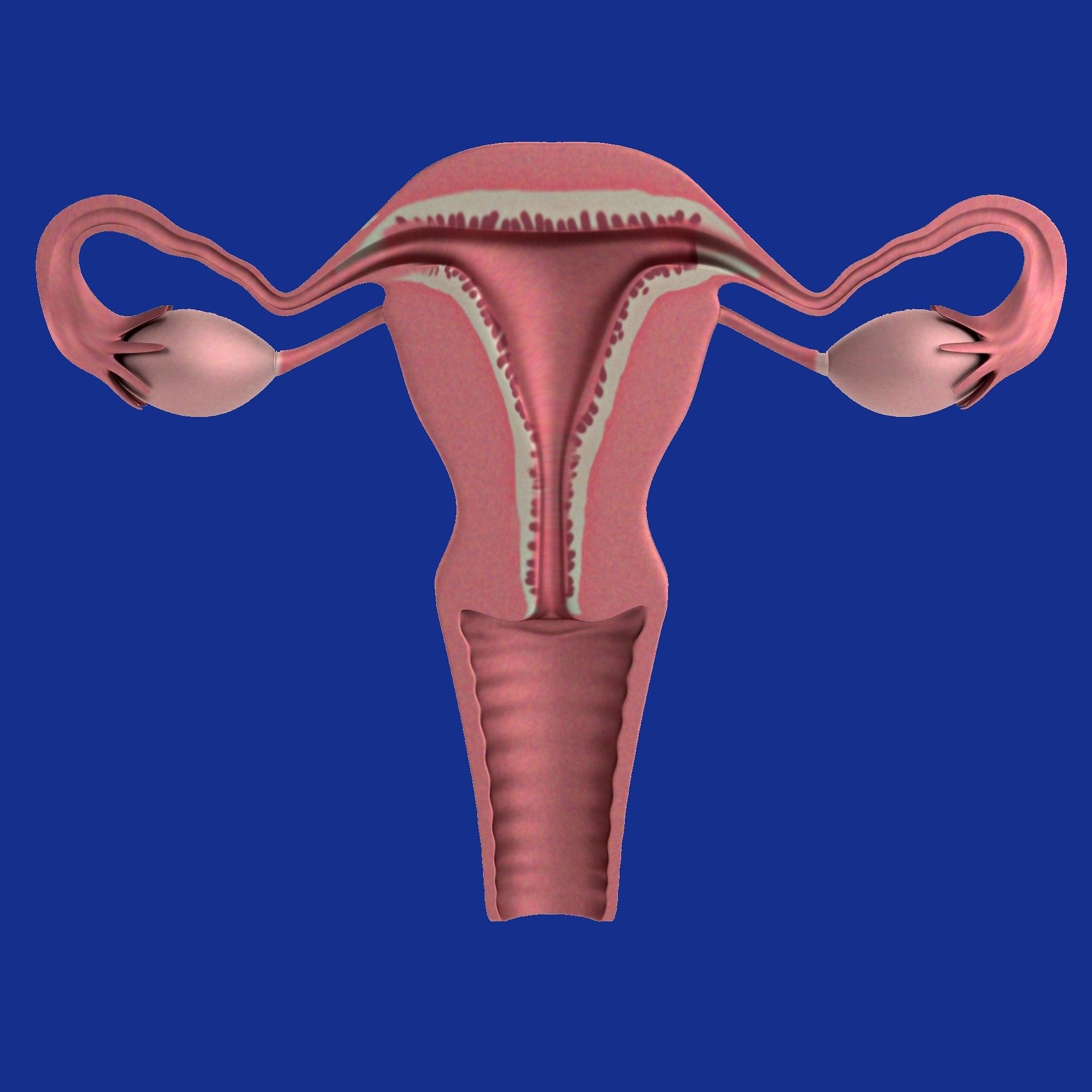
For most women past puberty, the uterine lining (endometrium) sheds from the body roughly every month if there is no fertilized egg present. Then, the uterus rebuilds itself to prepare for a potential pregnancy. While this process—the menstrual cycle—is widely known, how it works is not well understood.
Researchers from the University of Missouri School of Medicine are one step closer to unlocking how the uterus repairs itself and whether the process could be used in future medical treatments. In work appearing in Communications Biology, they have studied mesenchymal-epithelial transition (MET), a process in which certain cells transition from a flexible, migratory state into stationary, structural cells that line the endometrium. The team investigated how MET helps restore the uterine lining after events like menstruation or pregnancy.
"The uterus is like an open wound after childbirth or menstruation," study author Amanda Patterson said. "So, it needs to heal itself very quickly. MET is just one of many mechanisms that help repair the lining. According to our research, the cells from MET act like a bandage on the open areas and are later replaced by native uterine cells."
When repair goes off course