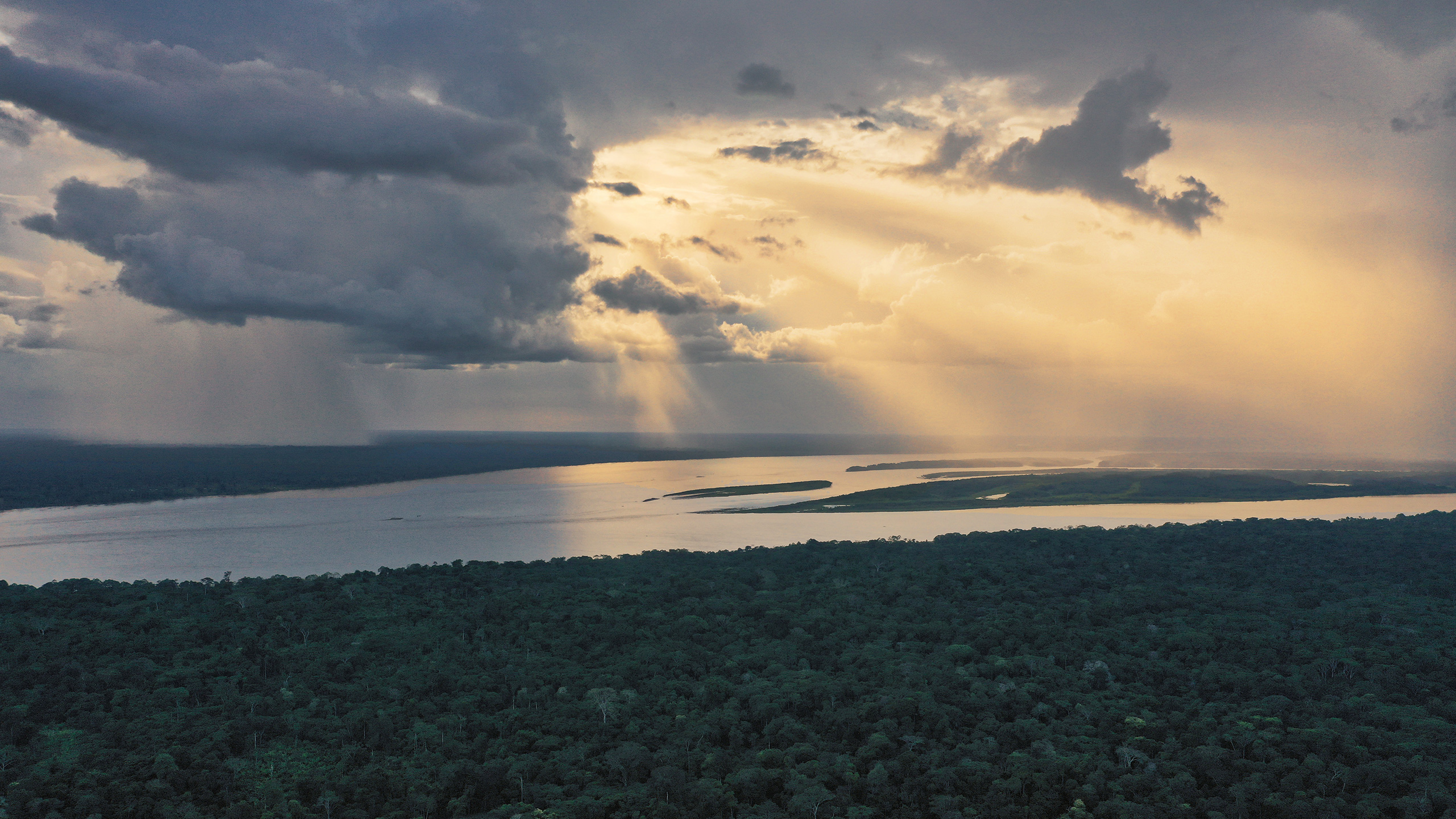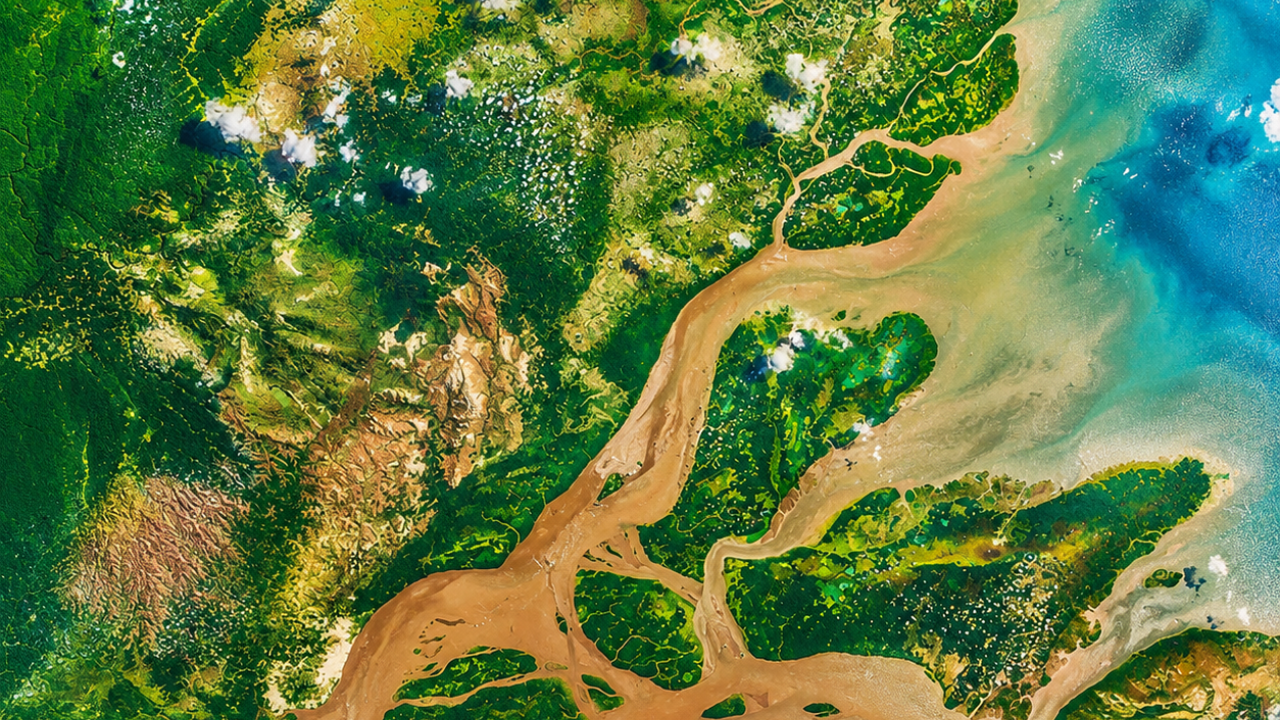
Stretching across the heart of South America, the Amazon River is the largest river on Earth by water discharge and one of the planet's most extraordinary natural systems.
It flows through vast tropical rainforests, supports unrivalled biodiversity and sustains millions of people.
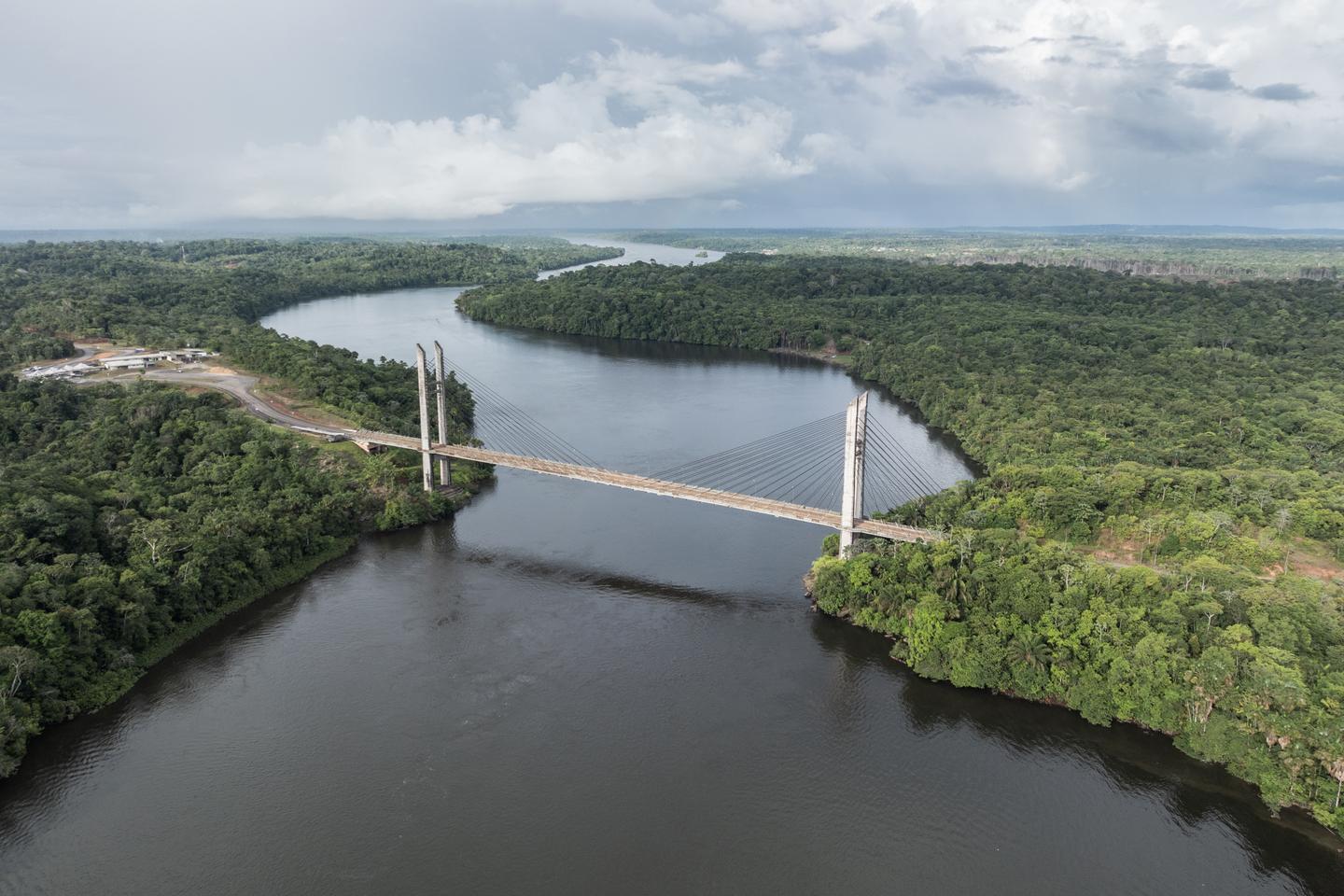
Yet despite spanning more than 6,400 kilometres (4,000 miles), one remarkable fact continues to astonish travellers and engineers alike: there is no bridge crossing the Amazon River's main channel.
Unlike the Thames, the Nile or the Mississippi, the Amazon remains entirely bridge-free along its principal course.
The absence of bridges is not an engineering oversight but the result of geography, hydrology, economics and environmental conservation.