Ji Da-gyum
For over a decade, I’ve navigated the complexities of North Korean affairs, security, and foreign policy from both Seoul and Washington, D.C. As the National Desk Political Team Lead, I track the pulse of geopolitics, closely following developments from the Unification Ministry and the Foreign Ministry. My mornings start with Rodong Sinmun—North Korea’s state mouthpiece—before diving into the day’s headlines from Seoul and Washington.
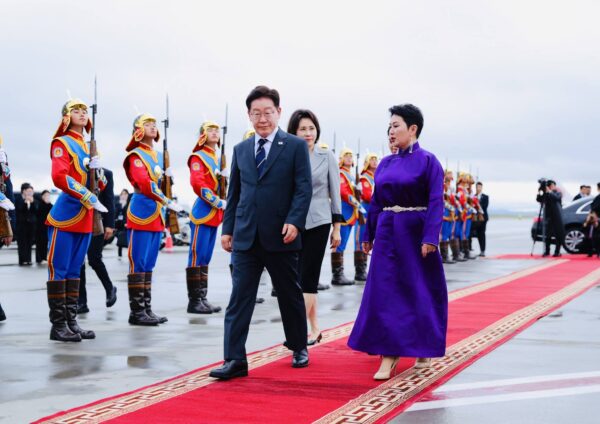
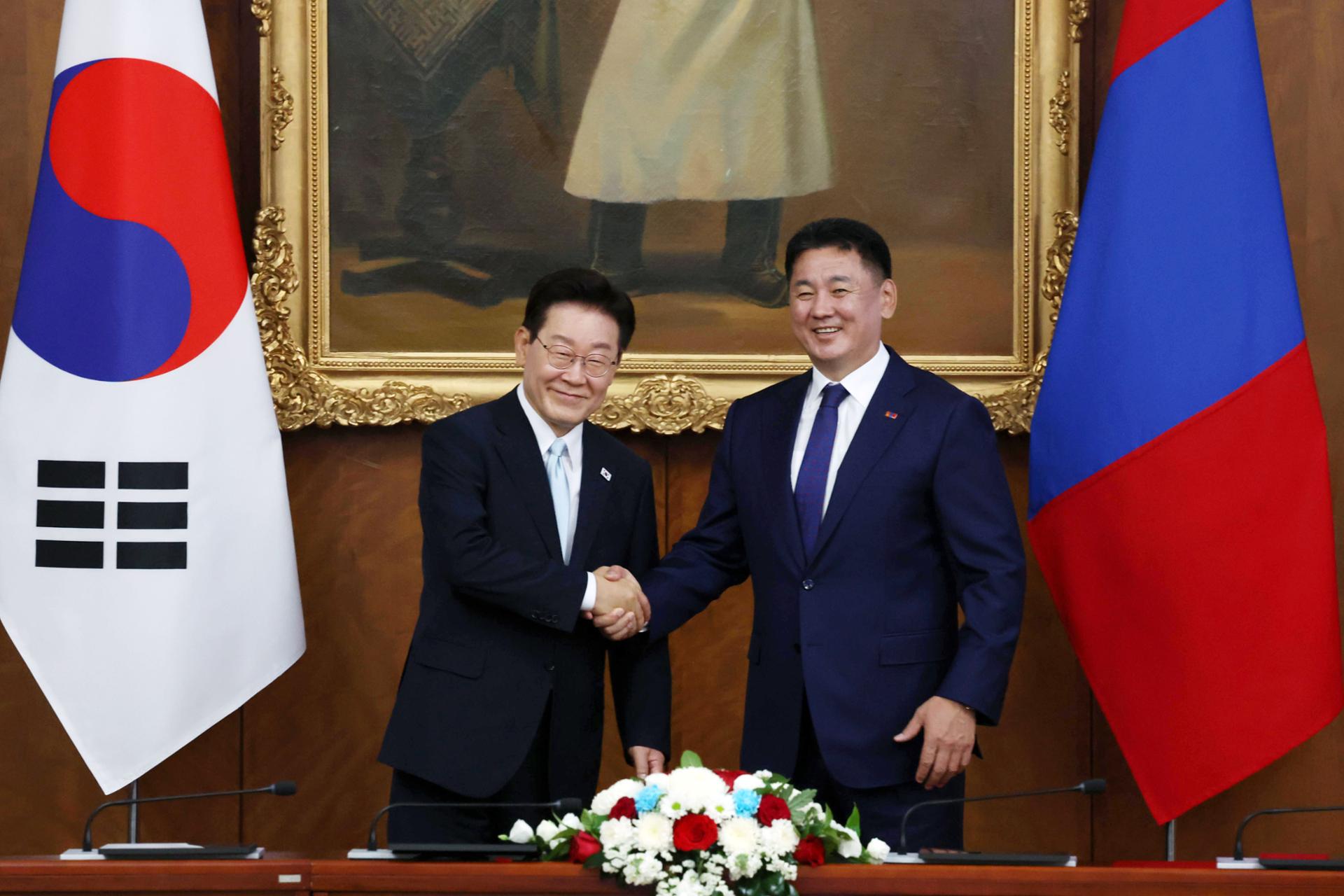
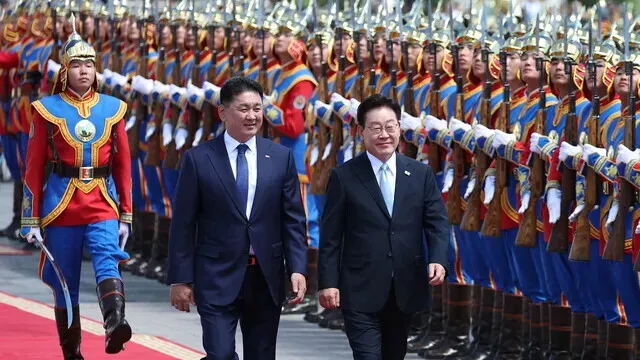
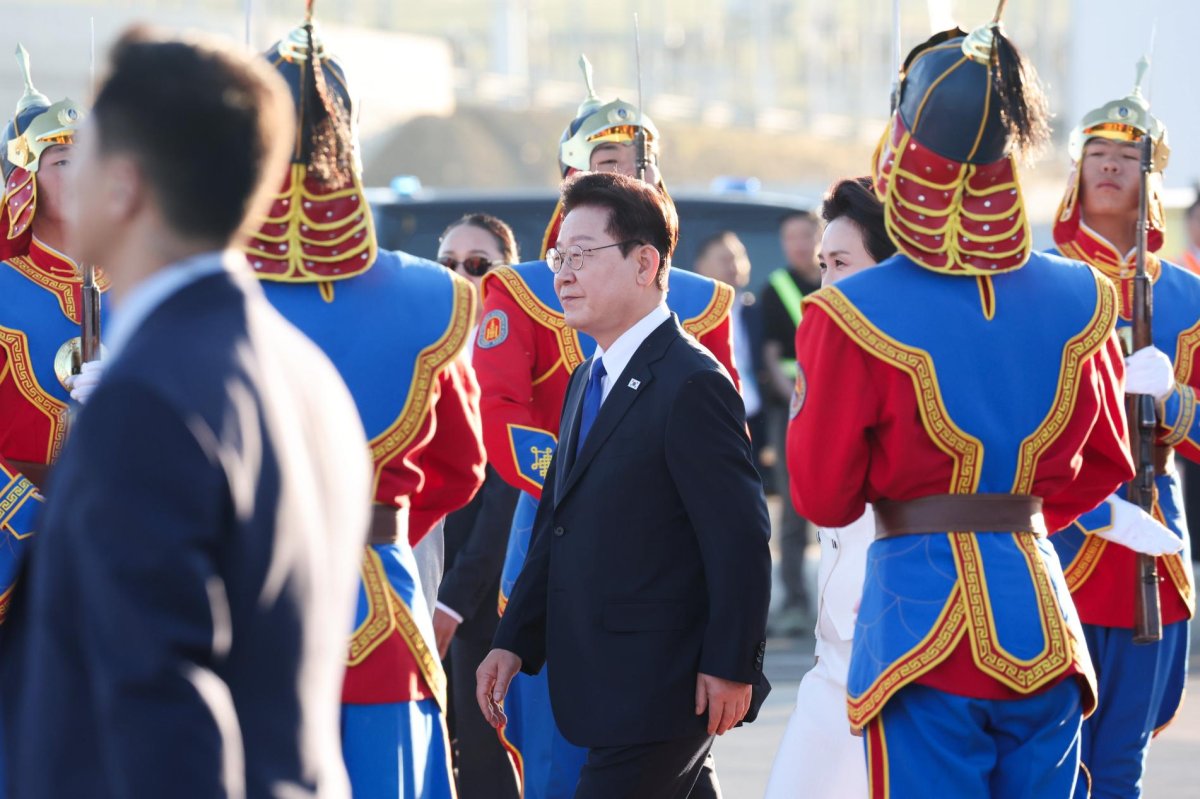
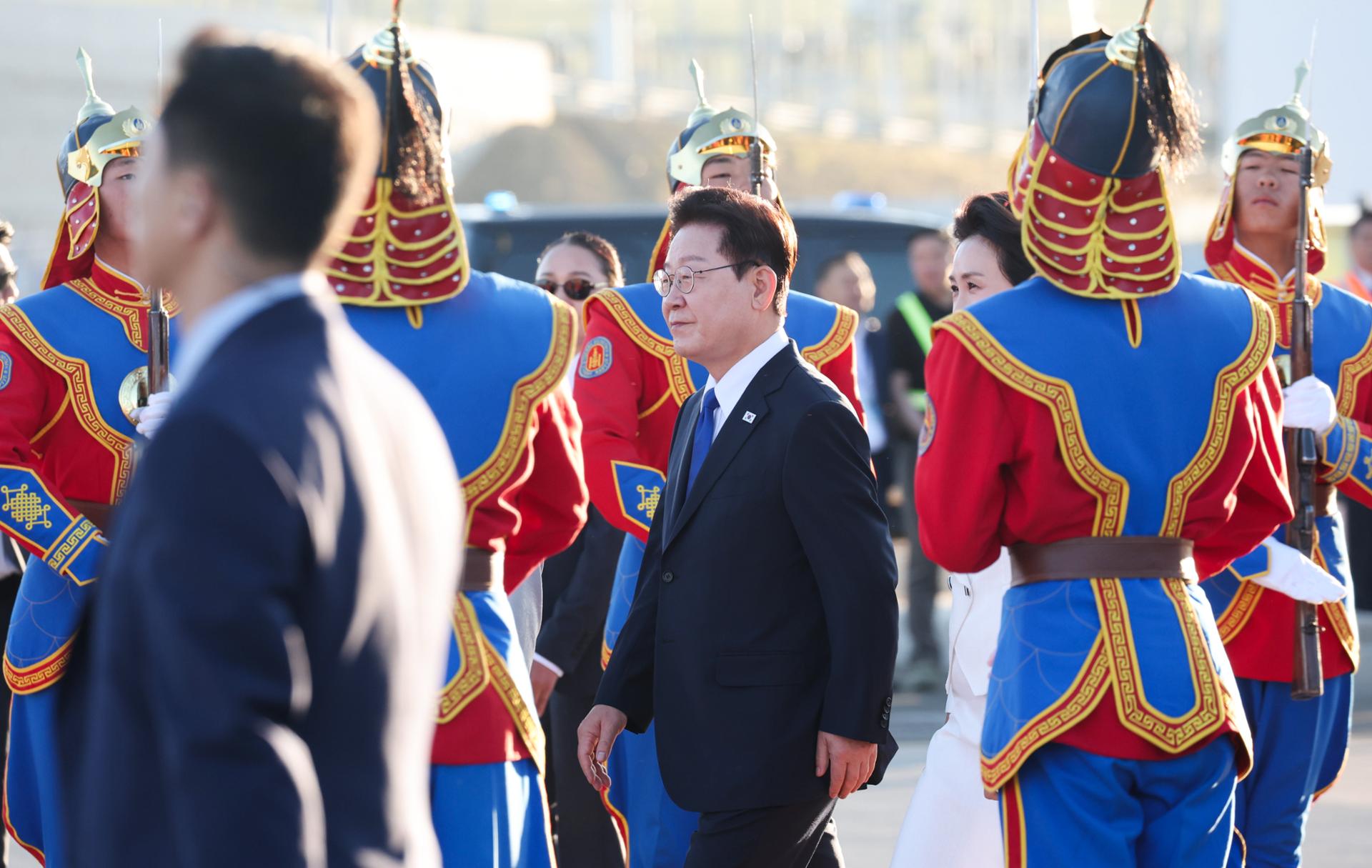
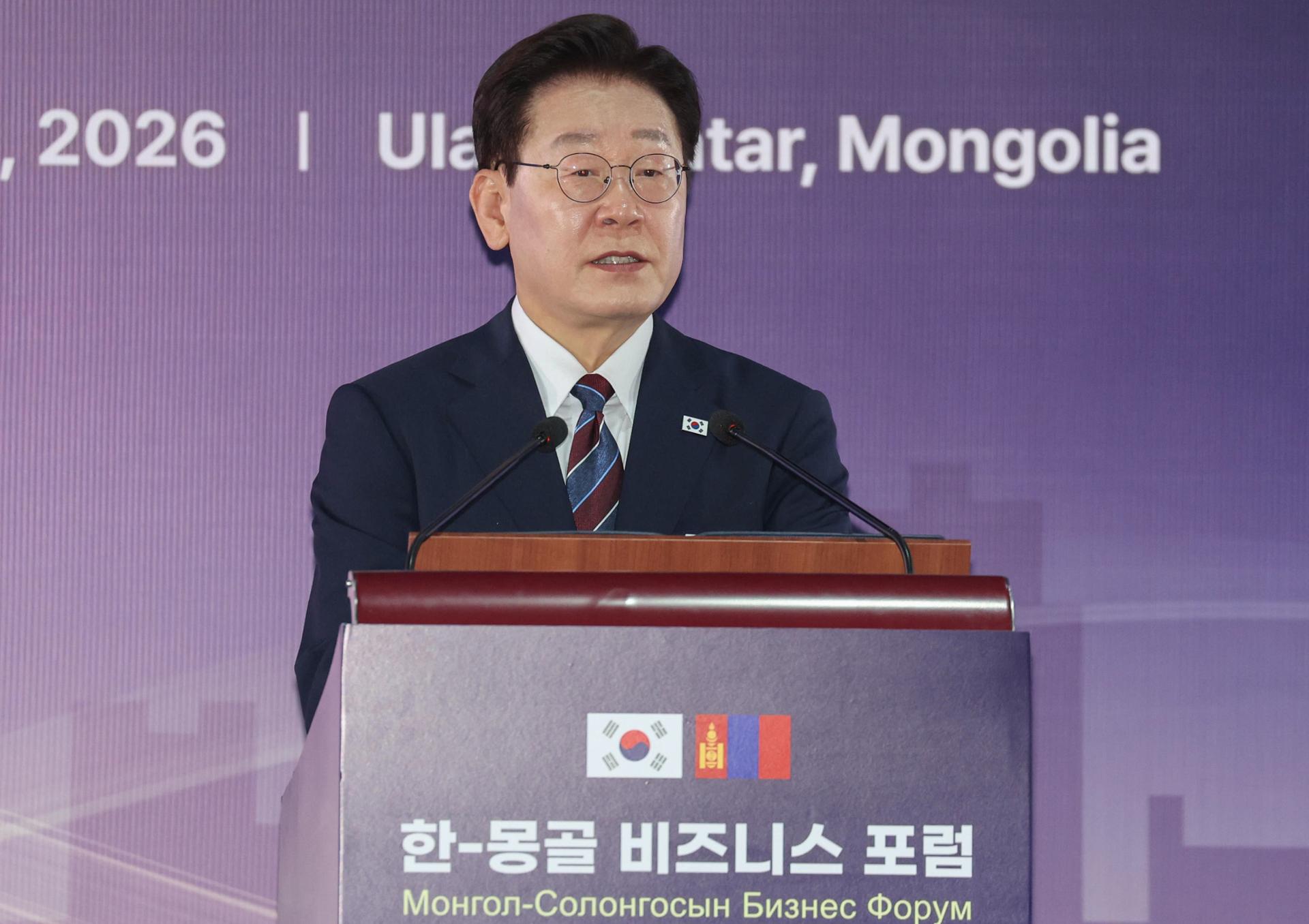
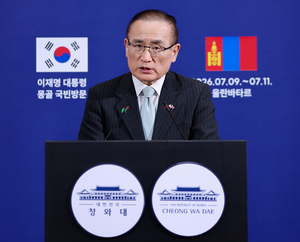
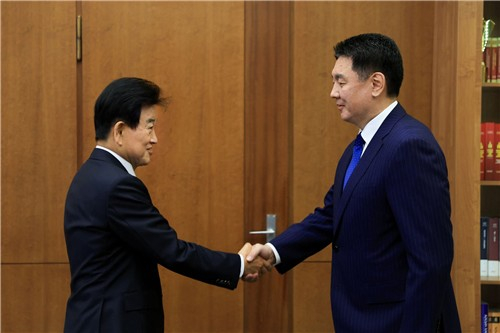
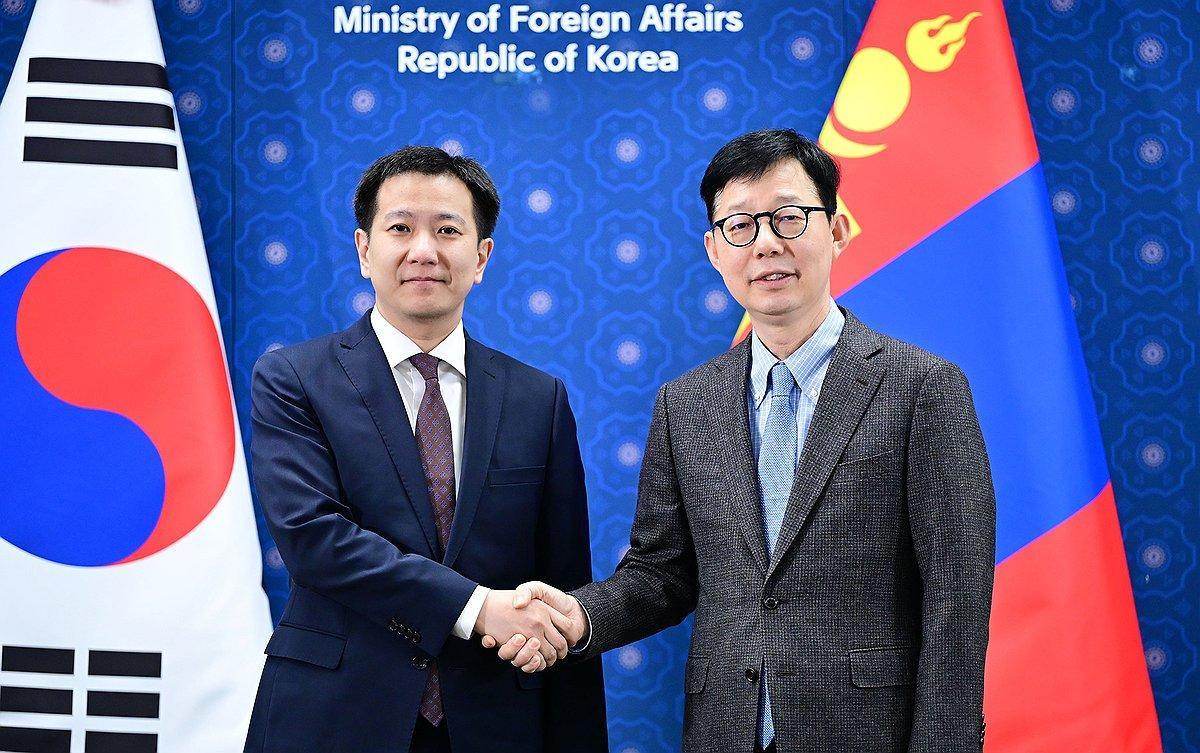
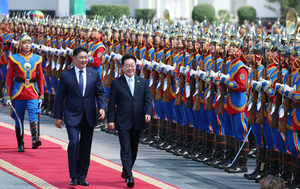
Lee calls for critical minerals partnership spanning the full value chain beyond mining President Lee Jae Myung reviews (right) an honor guard with Mongolian President Ukhnaagiin Khurelsukh during an official welcoming ceremony at Sukhbaatar Square in Ulaanbaatar on Thursday, during Lee’s state visit to Mongolia. (Yonhap) ULAANBAATAR, Mongolia — South Korea and Mongolia are set to open a new chapter in bilateral relations Thursday, adopting a joint declaration that lays out a shared vision for a “golden age” in ties.President Lee Jae Myung and Mongolian President Ukhnaagiin Khurelsukh met for their first in-person summit on the opening day of Lee’s three-day state visit to Mongolia, marking the first visit by a South Korean president since 2011.Following the summit, the two leaders are set to adopt a joint declaration on a “Golden Age of Korea-Mongolia Relations,” outlining a roadmap for advancing the bilateral strategic partnership.The declaration includes a goal of increasing annual people-to-people exchanges to 500,000 by 2030, the 40th anniversary of diplomatic relations, while broadening cooperation across a range of sectors, including critical mineral supply chains and areas that directly affect people's livelihoods.Lee had framed the visit as an opportunity to usher in a “new golden age” in bilateral ties, in his pre-summit interview with Mongolia’s state-run Montsame News Agency released on Thursday.“I hope this visit will serve as a turning point in elevating the strategic partnership that will shape the future of Mongolia–South Korea relations to the next level, and as a step toward jointly opening a ‘new golden age’ in relations between our two countries,” Lee said.Lee added that he wanted Korea-Mongolia ties to become “more than a partnership that exists only in diplomatic documents.”“I want Korea-Mongolia relations to become a tangible partnership that people experience in their everyday lives, rather than one that exists only on paper,” Lee added.Lee noted that the word “golden” carries particular significance in Mongolia, where it symbolizes prosperity and honor.“I believe the ‘golden age’ that Mongolia and South Korea will build together will usher in a new era filled with pride for the peoples of both countries.”The summit reflected a broader strategy outlined by Seoul ahead of the visit: strengthening a strategic partnership with a country that sits at the crossroads of Northeast Asia and Eurasia while expanding cooperation in critical minerals, supply chains, food security, public health, science and technology. A large banner featuring President Lee Jae Myung and first lady Kim Hea Kyung dressed in traditional Korean hanbok hangs on a building overlooking Sukhbaatar Square in Ulaanbaatar on Thursday, ahead of the official welcoming ceremony for Lee’s state visit to Mongolia. (Yonhap) Next level for cooperationIn his interview, Lee underscored that cooperation in trade, critical minerals and supply chains — built on the complementary strengths of the two economies — is essential to the next phase of Korea-Mongolia relations.Mongolia is home to significant deposits of rare earths, copper, coal and other minerals that are increasingly important for advanced manufacturing and clean-energy industries.“Mongolia, with its abundant mineral resources and strong growth potential, and South Korea, with its capabilities in mining development, technological innovation and industrial modernization, can work together as important partners in building resilient supply chains,” Lee said.In 2023, the two countries established the Korea-Mongolia Rare Metals Cooperation Joint Committee, creating an institutional framework for cooperation. Over the years, Korean companies have also invested in Mongolian mining exploration and development projects involving coking coal, tungsten and copper.Building on that foundation, Lee said the two sides should take cooperation to the next level by moving beyond participation in mining development alone.Lee suggested creating “a framework in which businesses from both countries participate throughout the entire critical minerals supply chain,” covering every stage of the value chain — from exploration and processing to advanced technologies, high-value-added manufacturing, recycling and workforce development.“Such cooperation will not only provide South Korea with a stable supply of critical minerals, but also contribute to Mongolia’s industrial advancement by generating higher value-added industries and promoting technological development,” Lee said.Mongolia also carries diplomatic significance for the Lee administration as it seeks to revive inter-Korean dialogue after years of stalled relations.As the second country after the Soviet Union to establish diplomatic ties with North Korea, Mongolia has maintained a traditional friendship with Pyongyang while also supporting South Korea’s efforts to establish peace on the Korean Peninsula.“Mongolia is a close partner that shares the common values of democracy and a free-market economy with (South) Korea,” Lee said, referring to “At the same time, Mongolia is a unique neighboring country that has maintained a long-standing traditional friendship with North Korea.”At a time when inter-Korean dialogue has remained frozen, Lee said “Mongolia’s diplomatic assets and capabilities are more important today than ever before.”The Ulaanbaatar Dialogue on Northeast Asian Security, hosted by Mongolia, has served as a platform for discussing ways to reduce regional tensions and build trust.Broadly, Lee’s state visit to Mongolia, following his two-day attendance at the NATO summit in Ankara, Turkey, comes as Seoul seeks to expand engagement with the broader northern region, viewing Mongolia as a key strategic partner linking Northeast Asia and Eurasia.Following the Ulaanbaatar summit, Lee and Khurelsukh are scheduled to attend the Korea-Mongolia Business Forum, where government officials and business leaders will discuss ways to expand cooperation in sectors ranging from critical minerals and energy to infrastructure and digital industries.The forum is co-hosted by Korea’s Ministry of Trade, Industry and Resources and Mongolia’s Ministry of Foreign Affairs, and co-organized by the Korea Chamber of Commerce and Industry, KOTRA and the Mongolian National Chamber of Commerce and Industry.From the Korean side, major companies in sectors such as critical minerals, retail and consumer goods, and digital technologies are set to participate, including LS, Posco, GS Retail, E-Mart and LG CNS. From the Mongolian side, leading companies in the mining, retail and finance sectors are scheduled to attend, including MCS Group, Tavan Bogd Group and MAK, or Mongolyn Alt Group.