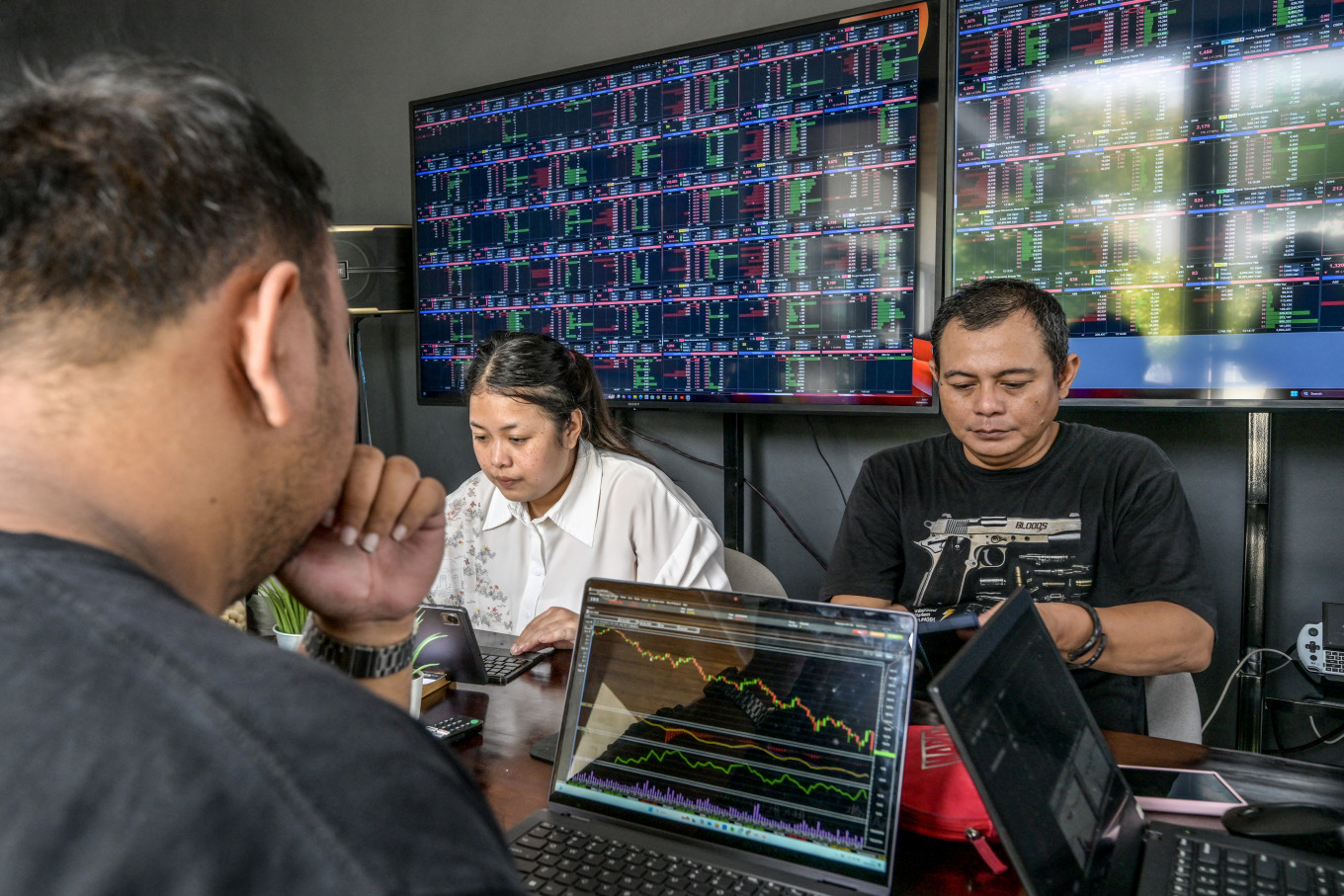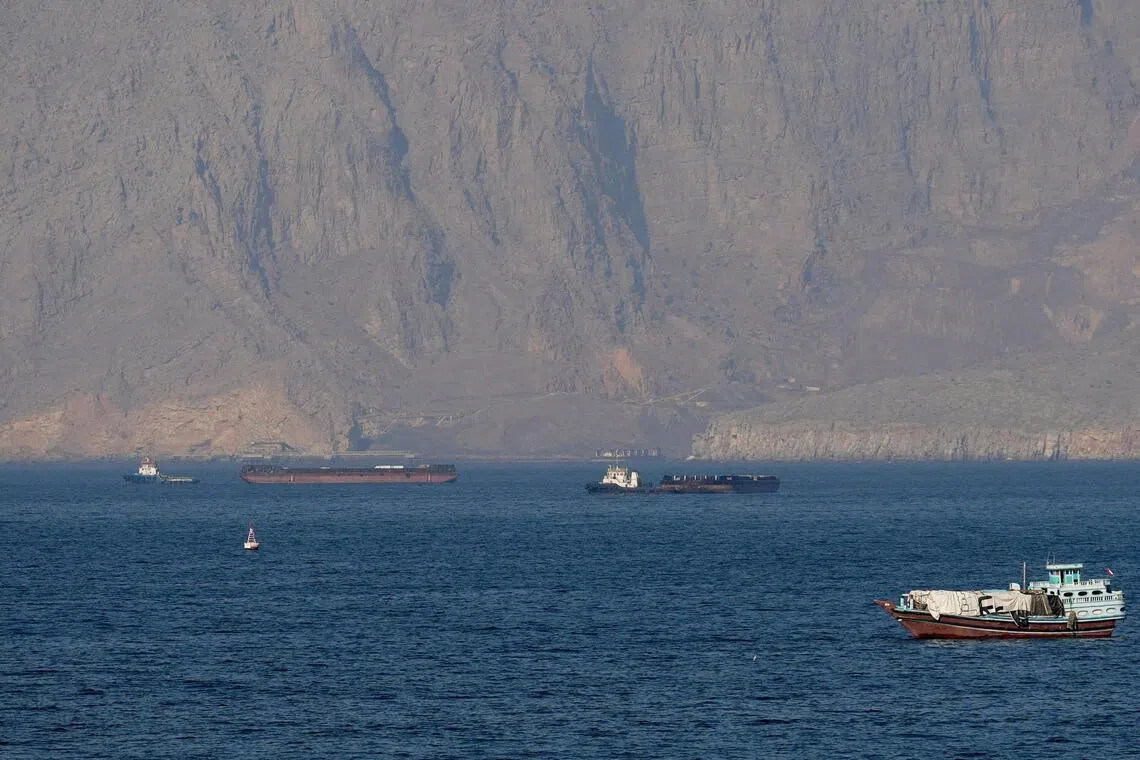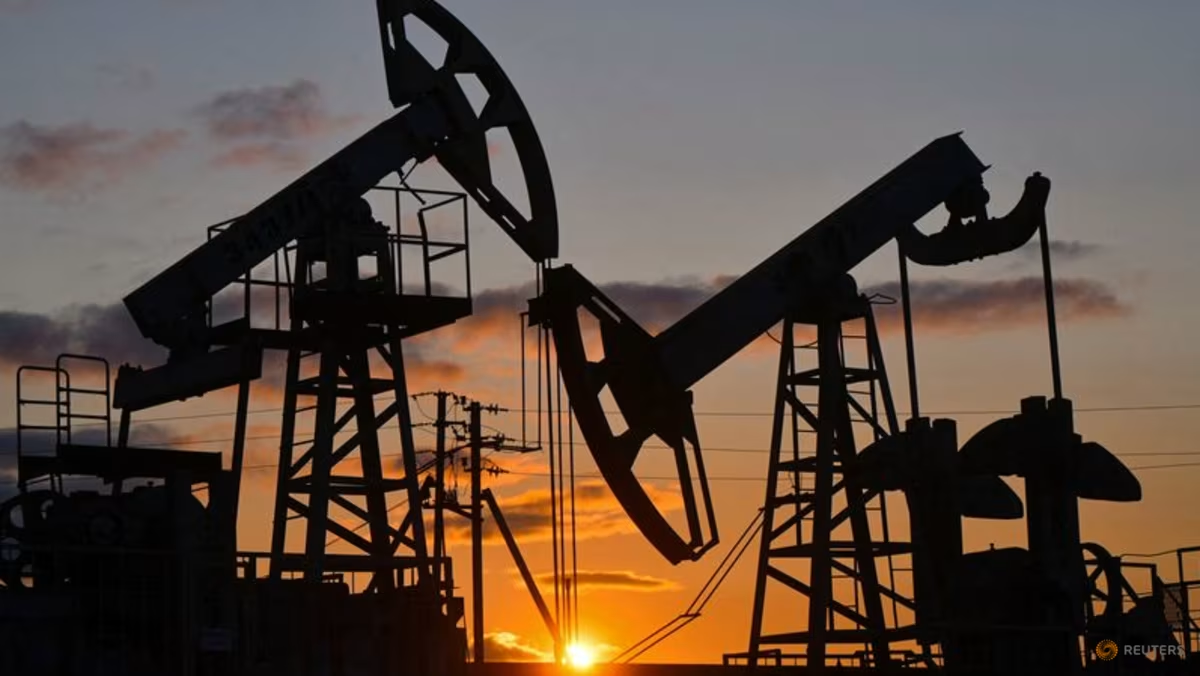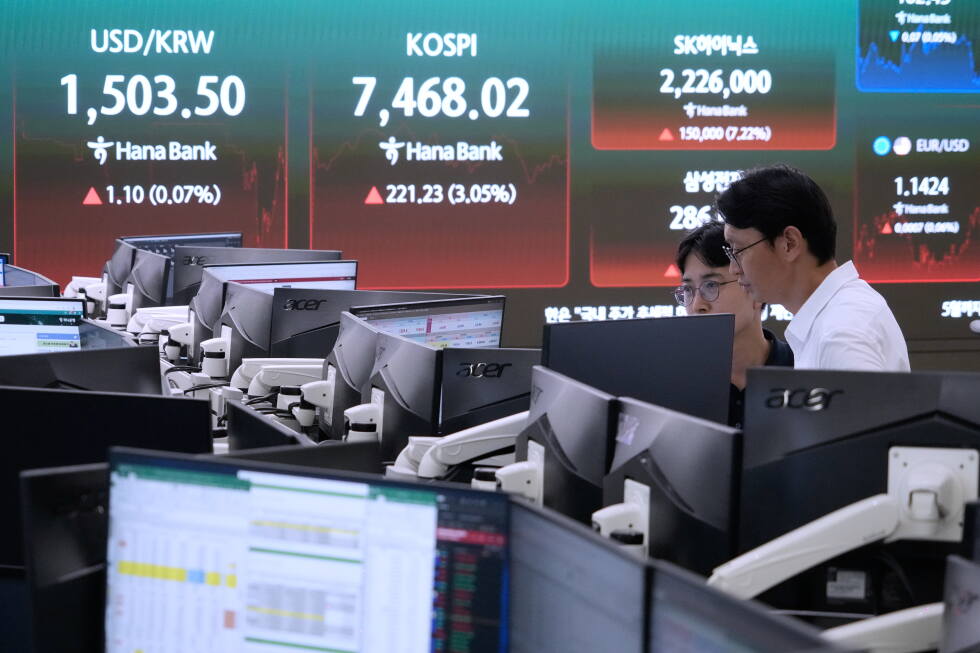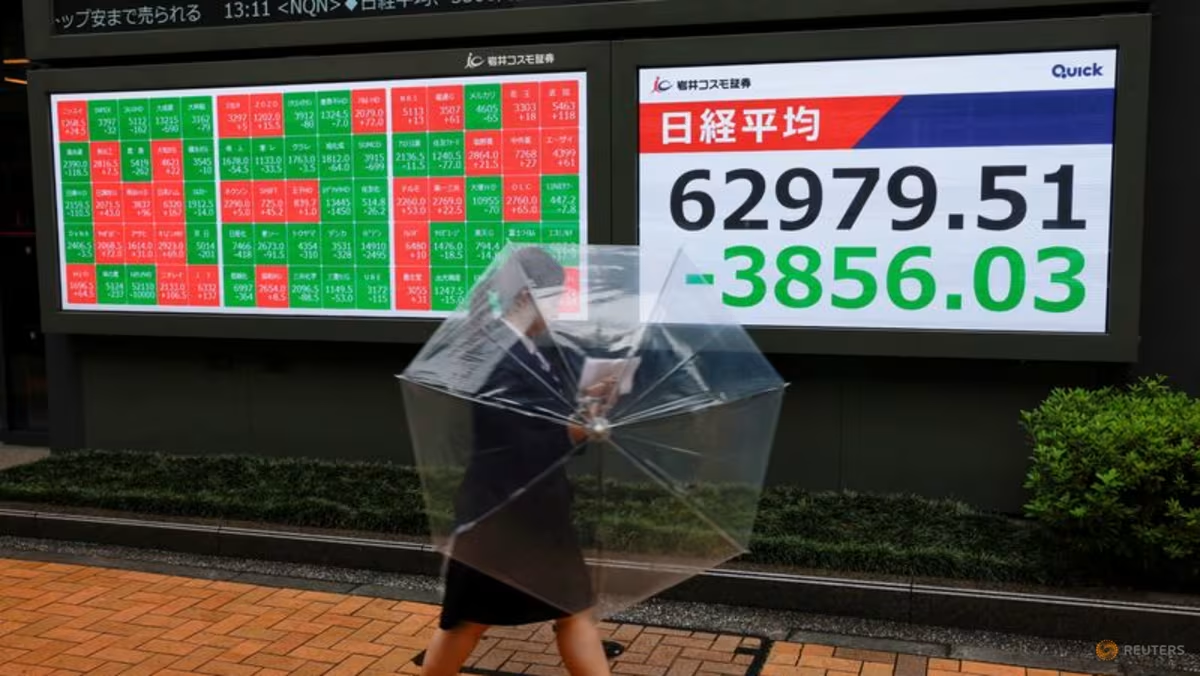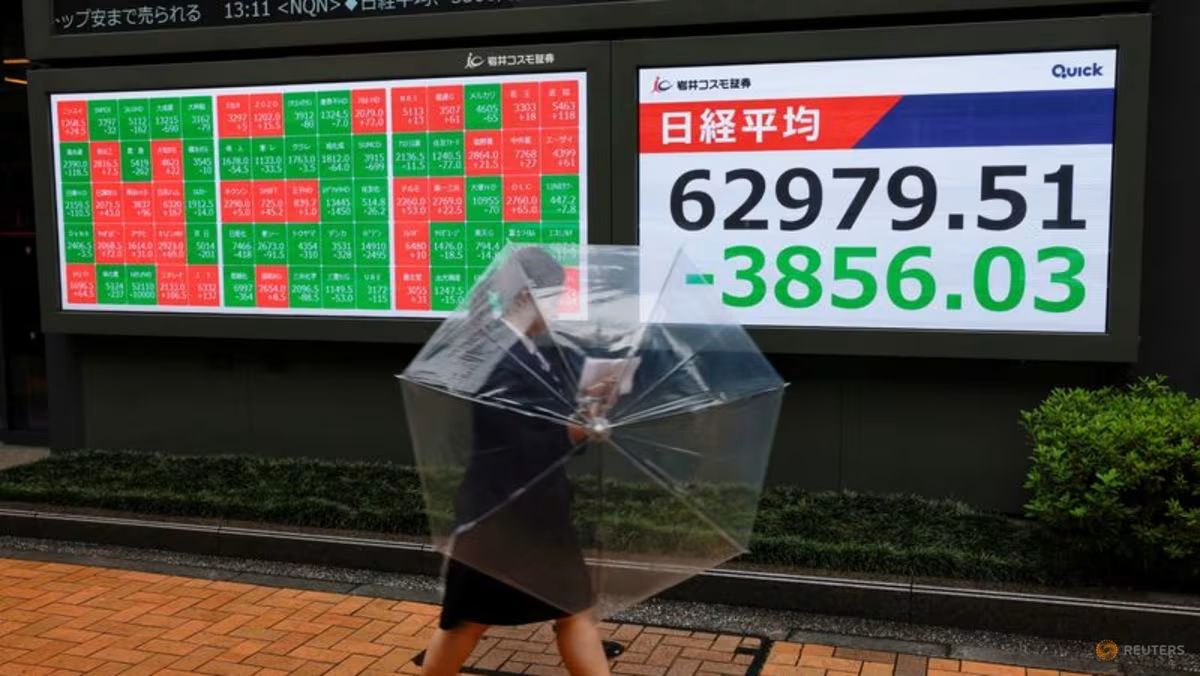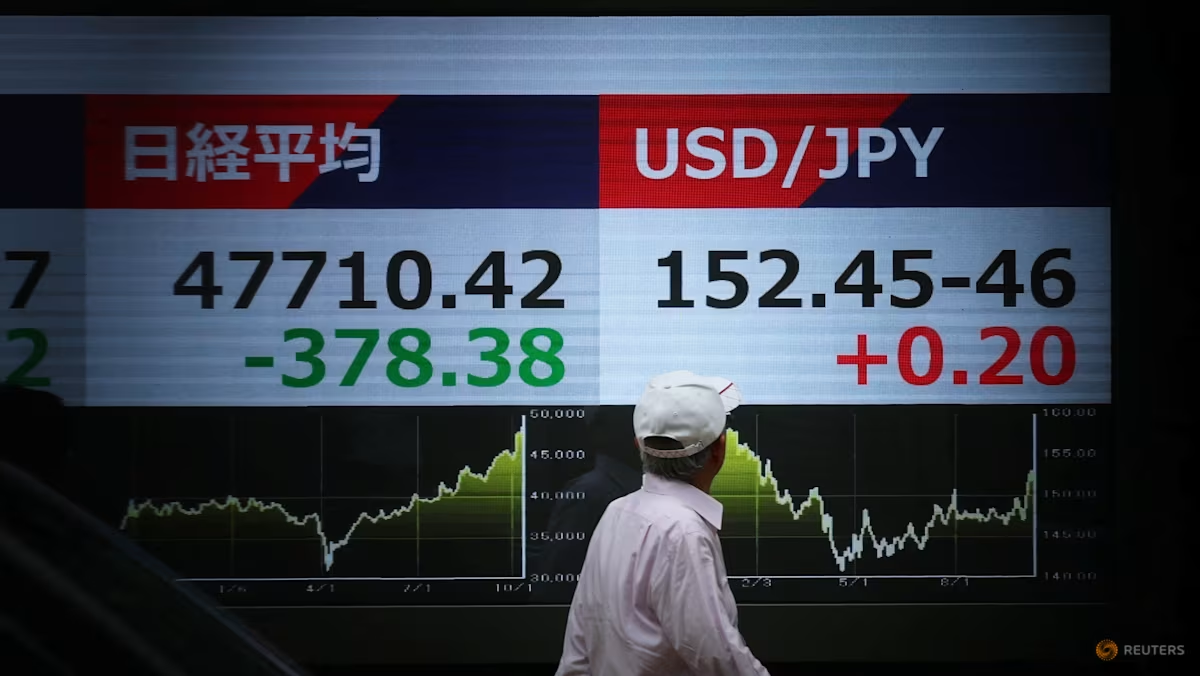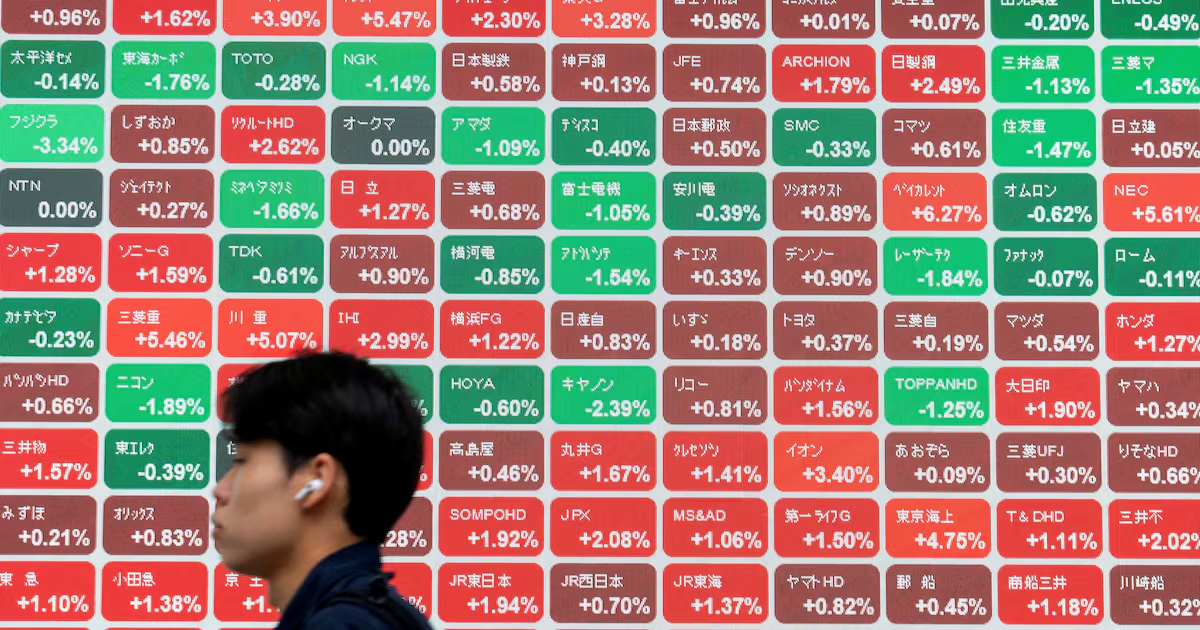
Asian shares wobbled on Thursday as a rally in semiconductors lost momentum, while oil prices surged as a resumption of hostilities in the Gulf reignited inflation fears and hammered bonds.Oil prices rose for a third straight session as the US military completed another round of strikes against Iran. US president Donald Trump said on Wednesday the interim agreement with Iran to end the war was “over”, although he later said he did not expect a return to a full-fledged war, helping soothe concerns.Brent crude futures rose 1 per cent to $78.85 a barrel and were up 9 per cent this week to cross above $80 a barrel for the first time since June 22nd.That knocked global bond markets and boosted bets that the Federal Reserve will have to raise interest rates this year to tame inflation, with Fed funds futures now implying 38 basis points of policy tightening this year, back to where they were a week ago.Wall Street initially fell on Trump’s comments but climbed off session lows, with the Nasdaq eking out a small gain of 0.2 per cent. Chip giant Nvidia rallied 3.6 per cent after media reports that China plans to allow its top AI firms to buy a limited number of the company’s H200 chips.European bourses looked set for a higher open, with pan-region stock futures up 1 per cent. Wall Street futures were about 0.2 per cent higher.MSCI’s broadest index of Asia-Pacific shares outside Japan reversed earlier gains and was last off 0.5 per cent as the rally in chipmakers faltered, while Japan’s Nikkei climbed 1.3 per cent to break a three-day losing streak.South Korea’s KOSPI rallied as much as 4 per cent before turning 1 per cent lower as gains in Samsung and SK Hynix faded.“At this stage, the market still appears skewed towards the view that the (Iran) conflict ultimately de-escalates, and negotiations resume around the memorandum of understanding,” said Chris Weston, head of research at Pepperstone.“Nevertheless, traders understand the need to remain open-minded. The situation remains highly fluid, and conviction around timing is exceptionally difficult.”Minutes released by the Fed showed concern about mounting inflation among policymakers. A few participants said there was already a case to raise borrowing costs, before ultimately agreeing with their colleagues to hold rates steady last month.The global bond rout deepened in Asia. The yield on 10-year Japanese government bonds hit 2.9 per cent, the highest since 1996, while Australia’s 10-year government bond yields scaled a one-month peak of 4.933 per cent.The benchmark 10-year US Treasury yields climbed 1 basis point to 4.5772 per cent on Thursday after rising 4 bps overnight. They are up 10 bps so far this week.The reaction in the currency markets was rather muted, with the dollar failing to hold on to its yield support and last down 0.1 per cent to 162.41 yen. That was not far from 40-year peaks of 162.84 as speculators remain wary of Japanese intervention.The euro edged up 0.1 per cent to $1.1426, while sterling held at $1.3396, just below a three-week peak of $1.341.Gold slipped 0.2 per cent at $4,067 an ounce. - Reuters(c) Copyright Thomson Reuters 2026
Asian shares wobble as oil jumps on renewed Gulf hostilities
Bonds hammered, inflation fears rise
522 words~2 min read